
Friction pens have transformed the way we write, offering the smooth flow of a gel pen combined with the convenience of an eraser. Unlike traditional pencils that leave graphite residue or standard pens that require messy correction tape, these innovative writing instruments utilize specialized thermo-sensitive ink. When you rub the rubber tail tip of the pen against the paper, the resulting friction generates heat, which causes the ink to become completely transparent. This unique mechanism provides an unparalleled level of flexibility for students and professionals alike, allowing for clean, smudge-free corrections in seconds.
However, choosing the right friction pen for your daily routine in the Philippines requires a clear understanding of how these instruments perform under different conditions. The very technology that makes the ink erasable also introduces specific trade-offs, particularly regarding ink permanence, color intensity, and environmental vulnerability. In a tropical climate where temperatures can soar, understanding how thermo-sensitive ink behaves is crucial to protecting your hard work. This guide will walk you through the essential features to evaluate, help you match the right pen to your specific tasks, and provide practical tips for sourcing genuine products.
Key Features to Evaluate When Buying a Friction Pen
When shopping for a friction pen, the tip size and design are among the most critical factors influencing your writing experience. Friction pens generally come in two primary tip styles: needle point and conical. Needle point tips feature a slim, cylindrical shape that offers excellent visibility of the paper, making them ideal for precise tasks, detailed diagrams, and writing in extremely tight spaces. Conical tips, on the other hand, are sturdier and can withstand greater writing pressure without bending or skipping. If you tend to press down heavily when writing, a conical tip will provide a more stable feel and reduce the risk of damaging the pen point.
Products mentioned in this guide
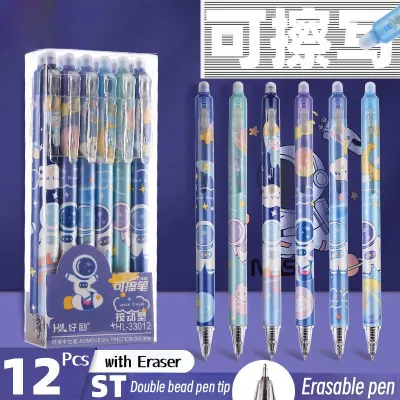
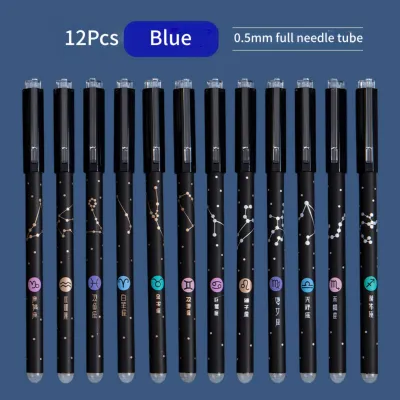
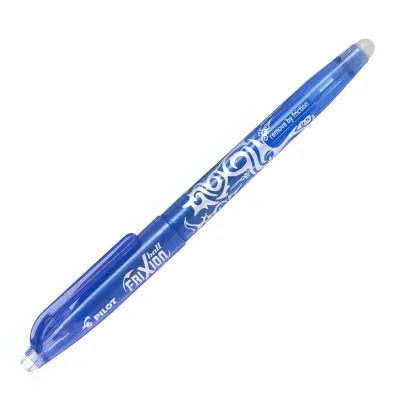
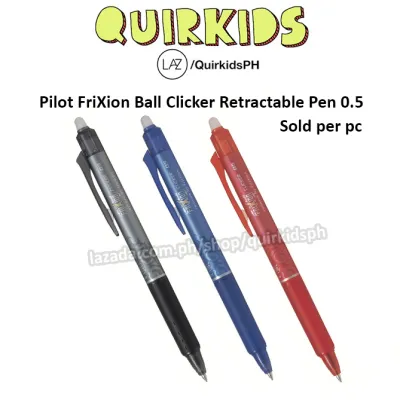
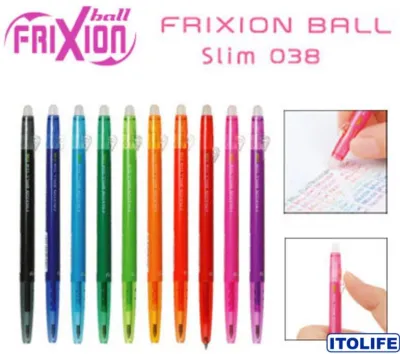
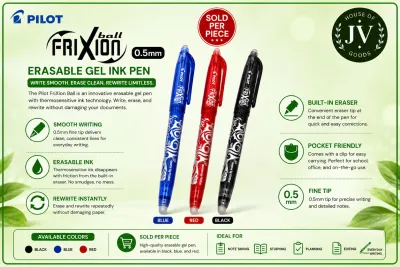
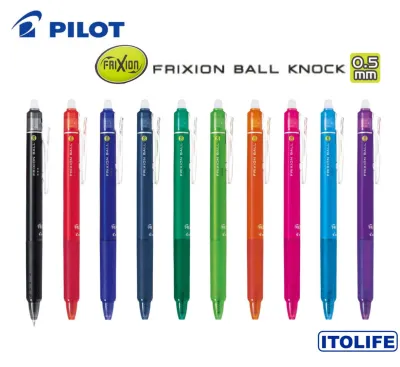
![Pilot Frixion Erasable Pen FriXion Ball 0.7mm 0.5mm Frixion Pen FriXion Ball Refill Erasable Gel Pens Fine Point Black Blue Red Sold per piece [Future Industries]](https://img.lazcdn.com/g/p/7620a948825badf89998cb0c395a1427.jpg_400x400q80.jpg_.webp)
Prices are valid at publication and may change. Please refer to the product page for the latest price.
The tip size also dictates the line width and ink flow, which directly affects how quickly you consume ink. Fine tips, such as 0.38mm or 0.5mm, produce thin, crisp lines that are perfect for compact notebooks and intricate mathematical formulas. Medium tips, typically around 0.7mm, offer a much smoother glide across the page, making them highly suitable for rapid note-taking and drafting. However, because friction pens rely on a specialized gel formula, larger tip sizes will lay down more ink, which can lead to faster depletion of your refills and slightly longer drying times on certain paper types.
Another key consideration is ink vibrancy, which differs noticeably from standard gel or ballpoint pens. The chemical compounds required to make thermo-sensitive ink erasable mean that the colors are inherently less saturated. A black friction pen, for instance, will often appear as a dark charcoal gray rather than a deep, jet black, while blue and red inks may look slightly muted. When evaluating different options, it is helpful to test the ink on your preferred paper to see if the contrast meets your visual standards, especially if you plan to read your notes under dim study lights or fluorescent office fixtures.
The physical design of the pen body plays a major role in long-term writing comfort and portability. Ergonomic grips made of soft rubber or textured silicone can significantly reduce hand fatigue during long writing sessions, which is particularly important in the humid Philippine climate where fingers can easily slip. Additionally, you must choose between retractable and capped designs. Retractable models offer one-handed convenience and eliminate the risk of losing a cap, while capped models often provide a more secure seal that prevents the ink tip from drying out when stored in a pencil case or bag.
Matching Friction Pens to Your Specific Needs
Not all writing tasks are created equal, and the ideal friction pen configuration depends heavily on your primary environment and daily responsibilities. A student rushing to copy down lecture slides in a crowded university classroom has vastly different priorities than a corporate professional mapping out project timelines in a board meeting. By identifying your primary use case, you can select a pen that balances line precision, color variety, and body aesthetics to optimize your workflow.

Understanding these distinct requirements allows you to build a highly functional stationery kit. For instance, academic environments demand speed, organization, and high-volume ink capacity, whereas professional settings prioritize sleek presentation, reliable performance, and subtle, formal colors. Let us examine how these factors play out in practice for both students and career professionals so you can make an informed purchasing decision.
For Students: Note-Taking and Exam Prep
For students in the Philippines, academic life involves keeping up with fast-paced lectures, solving complex equations, and organizing vast amounts of information. In these scenarios, fine or extra-fine tips, such as 0.4mm or 0.5mm, are highly advantageous. These sizes allow you to squeeze detailed annotations into the narrow margins of printed handouts, write legibly between tight lines of ruled notebooks, and draw precise diagrams without the ink bleeding together. The ability to erase mistakes instantly means your study guides remain clean, legible, and free of distracting correction tape marks.
Color-coding is another essential strategy for effective studying, making multi-color friction pen sets incredibly valuable. Using different colors for headings, key terms, formulas, and personal reminders helps improve visual memory and makes reviewing notes much more efficient. When purchasing these sets, look for options that offer easily distinguishable shades, such as bright blue, green, orange, and pink. Having a variety of colors at your disposal allows you to create dynamic mind maps and structured outlines that make complex topics easier to digest during late-night study sessions.
However, high-volume writing quickly drains the ink reservoirs of friction pens, which generally hold less ink than standard ballpoints due to the thickness of the gel formula. To avoid running out of ink in the middle of an exam or a crucial lecture, it is wise to evaluate the availability and cost of refills. Purchasing refills in bulk is not only more economical but also environmentally friendly, as it allows you to reuse the same pen body repeatedly. Always keep a couple of spare refills in your pencil case so you are never left stranded with an empty pen during a busy school day.
For Professionals: Planning and Document Drafting
In a professional setting, the priorities shift toward smooth writing, formal presentation, and sophisticated design. Professionals who use daily planners, bullet journals, or paper-based tracking systems often prefer medium tips, such as 0.7mm. These wider tips glide effortlessly across the page, allowing for a fast, fluid writing style that keeps up with rapid brainstorming sessions and quick meeting notes. The slightly thicker line also stands out clearly on planner pages, making your daily schedule and task lists easy to read at a glance.
The choice of ink color is also critical in an office environment, where bright, neon shades may not always be appropriate. Opting for classic, professional colors like deep blue, dark blue-black, or charcoal gray ensures that your notes look formal and polished. Many manufacturers offer sophisticated, muted color palettes that provide a subtle, elegant alternative to standard black and blue. These professional tones allow you to maintain an organized, color-coded planner while keeping the overall appearance clean and suitable for executive meetings.
Furthermore, the aesthetic appeal of your writing instrument can influence your professional image. While basic plastic pens are excellent for utility, investing in a friction pen with a premium body material—such as matte-finished aluminum, brushed metal, or high-quality composite resin—adds a touch of sophistication to your desk setup. Many of these premium models feature a slimmer profile, a balanced weight distribution that feels substantial in the hand, and a silent retraction mechanism. A sleek, professional-looking pen is a perfect companion for client consultations and boardroom presentations, combining high-end style with the practical benefits of erasable ink.
Important Limitations and Safety Checks
While friction pens offer incredible convenience, they are governed by strict physical and chemical limitations that every user must understand. The core technology relies on thermo-sensitive ink, which contains microcapsules that change state when exposed to specific temperatures. In a tropical country like the Philippines, where ambient temperatures can easily exceed 30 degrees Celsius, this sensitivity poses unique challenges. If you leave your notebook inside a parked car under the sun, near the hot exhaust vent of a laptop, or under direct sunlight on a desk, the heat can cause your entire page of notes to turn completely invisible.
Conversely, exposure to extreme cold can reverse this chemical reaction. If your notes have accidentally disappeared due to heat exposure, placing the affected paper in a freezer for a few hours can often make the ink reappear. However, this recovery process is not perfect; the cold will restore all the ink on the page, including the parts you intentionally erased, resulting in a messy overlap of old and new writing. Because of this temperature vulnerability, friction pens should never be used for critical documents where permanent legibility is required.
This brings us to the crucial rule of document legality: never use friction pens to sign legal contracts, bank checks, academic transcripts, official government forms, or any permanent records. In the Philippines, official documents must be signed with permanent, non-erasable ink to prevent fraud, unauthorized alterations, and accidental erasure during storage. Using an erasable pen on a check or a contract can render the document legally invalid or lead to severe administrative complications. Always keep a standard, permanent ballpoint or gel pen in your bag specifically for signing official paperwork.
Finally, paper compatibility is a vital factor that affects both the writing and erasing experience. The friction eraser works by rubbing against the paper fibers to generate heat, which requires a sturdy, high-quality paper surface. If you use thin, low-grade paper, the friction can easily tear, stretch, or warp the page, leaving permanent physical damage. Additionally, some paper types with glossy coatings or heavy chemical sizing may prevent the ink from absorbing properly, leading to smudging, feathering, or ghosting where a faint shadow of the erased ink remains visible. Before committing to writing in a new notebook, always perform a quick test on a back page to ensure the paper can handle both the ink flow and the friction of erasing.
Where to Buy and How to Verify Authenticity
Due to the high popularity of friction pens in the Philippines, the market is flooded with counterfeit products and low-quality imitations. These fake pens often suffer from poor ink flow, scratchy tips, and erasers that smudge the ink rather than clearing it, leading to a highly frustrating writing experience. To ensure you are getting a genuine product, it is best to purchase from authorized stationery retailers, well-known physical bookstores, or the official brand stores hosted on major online marketplaces and ecommerce platforms. Buying from established sources guarantees that you are receiving authentic goods backed by proper quality control.
When shopping, there are several physical details you can inspect to verify authenticity. Genuine friction pens feature clean, precise printing on the pen body, with no blurry text, misspellings, or misaligned logos. Many authentic brands include holographic security seals, specific barcode formats, or distinct packaging designs that are difficult for counterfeiters to replicate. Additionally, pay close attention to the eraser tip; genuine erasers are made of a specialized, durable elastomer that does not wear down quickly or leave rubber crumbs behind, whereas fake erasers are often made of cheap, hard plastic or standard rubber that degrades rapidly.
Another critical step is to check the manufacturing codes or batch numbers often stamped on the pen barrel or the refill packaging. Thermo-sensitive ink has a limited shelf life and can degrade over time, especially when stored in warm, humid warehouses. If a pen has been sitting on a shelf for several years, the ink may dry out, clog the tip, or lose its ability to become transparent when rubbed. By verifying that you are buying fresh stock from a reputable seller, you ensure that the ink flows smoothly and erases cleanly, maximizing the lifespan and performance of your writing instrument.
Frequently Asked Questions (FAQ)
Can I restore erased ink if it disappears due to heat?
Yes, you can often restore erased ink by exposing the document to extreme cold. If your notes have vanished because the paper was left in a hot car, near a laptop charger, or under direct tropical sunlight, place the document inside a sealed plastic bag to protect it from moisture, and put it in the freezer for about 15 to 30 minutes. The low temperature will cause the thermo-sensitive pigments to reactivate, making the writing visible again. However, keep in mind that this process will restore all ink on the page, including any mistakes you had previously erased on purpose, which may make the text difficult to read.
Why is my friction pen leaving unerasable marks or smudging?
Unerasable marks and smudging are typically caused by writing pressure, paper quality, or ink age. If you press down too hard while writing, you can physically indent the paper fibers, trapping the ink deep within the grooves where the friction eraser cannot reach. Additionally, low-quality or highly absorbent paper can cause the ink to feather and sink too deep, while glossy paper may prevent the ink from drying quickly, leading to immediate smudges when your hand brushes over it. To prevent these issues, write with a light hand, use smooth, high-quality paper, and ensure the ink is completely dry before attempting to erase or turn the page.
Community discussion
Share your experience or ask a question. Comments are reviewed before publication.