
Choosing the right fuzzy wires for DIY crafts in the Philippines depends on matching the wire’s structural integrity and pile density to your specific project. Whether you are crafting everlasting flower bouquets, school dioramas, or holiday decorations, the material’s ability to withstand bending and tropical humidity is essential. The pai pai fuzzy wire has gained significant popularity among local crafters due to its dense, plush fibers and resilient metal cores, but understanding how to evaluate these characteristics will help you select the ideal materials from any supplier. By focusing on key physical traits, you can ensure your handmade creations remain vibrant, sturdy, and beautiful for years to come.
How to Evaluate Fuzzy Wire Quality Before Buying
When shopping for craft supplies, it is easy to assume that all chenille stems are created equal. However, a closer inspection reveals significant differences in manufacturing quality that can directly impact your crafting experience. To avoid the frustration of shedding fibers, weak structures, or broken stems, you should evaluate several physical characteristics before making a purchase.
The core wire’s flexibility and memory are the foundation of any fuzzy wire craft. A high-quality stem uses a core wire that balances pliability with structural strength, allowing you to bend, twist, and uncoil the material multiple times without it snapping or losing its shape. If the inner wire is too thin or brittle, it will fatigue quickly under stress, causing your finished project to droop or break during assembly. You can test this by wrapping a sample wire tightly around a pencil; a quality stem will form a neat, uniform spiral and retain that shape when slid off, without any kinking or structural failure.
Products mentioned in this guide
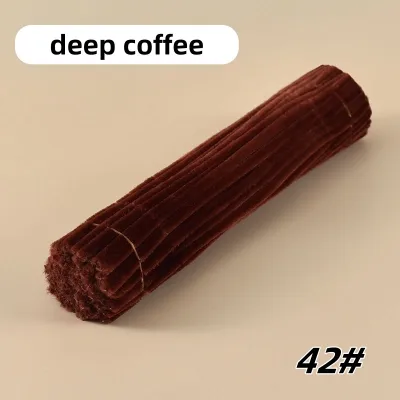
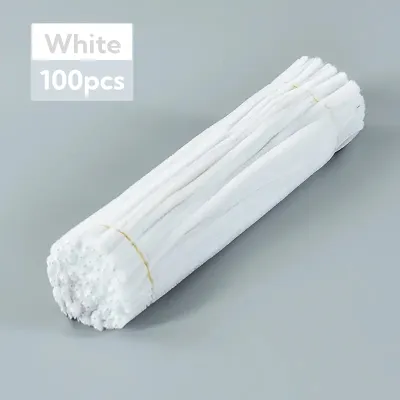
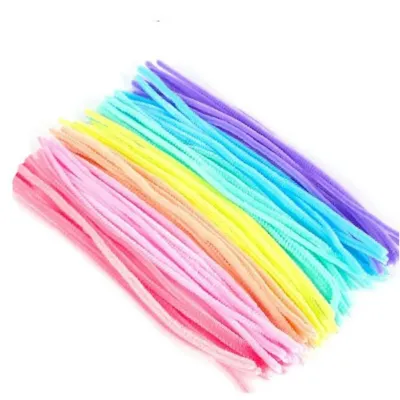
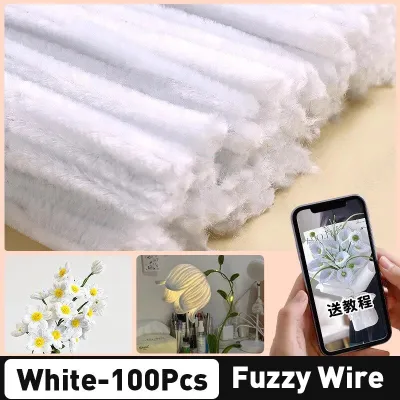
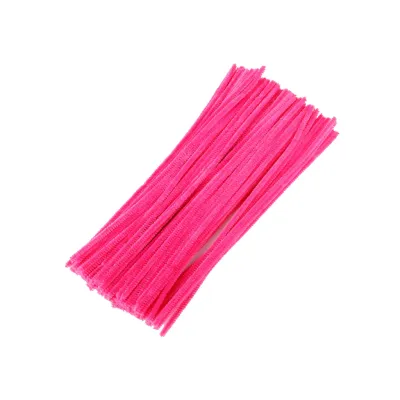
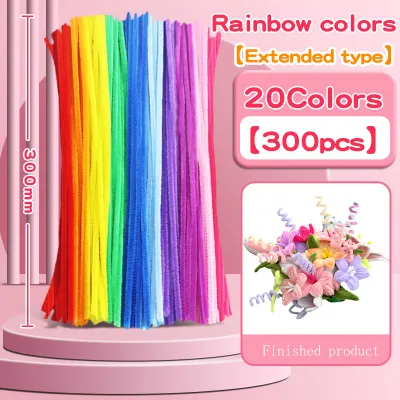
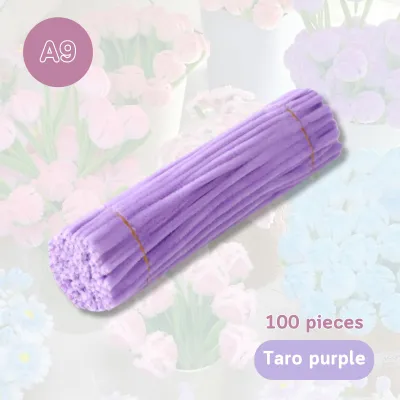
Prices are valid at publication and may change. Please refer to the product page for the latest price.
Pile density and shedding resistance are equally critical for achieving a professional finish. The “fuzz” of the wire consists of synthetic fibers, typically polyester or nylon, that are trapped and twisted between two thin metal wires. Low-grade options often suffer from sparse fiber coverage, leaving visible bald spots where the metallic core peeks through. To check for shedding resistance, perform a gentle tug test by pulling lightly on the fibers near the middle of the stem. High-quality options will retain their fibers securely, whereas inferior stems will shed loose fluff immediately, creating a mess on your workspace and leaving your crafts looking thin and uneven.
Colorfastness and texture consistency are vital considerations, particularly in the humid tropical climate of the Philippines. High humidity and moisture from your hands can cause low-quality dyes to bleed, transferring color onto your skin, clothing, or adjacent craft materials. When inspecting a pack of fuzzy wires, look for uniform color distribution across all pieces and ensure there are no sudden patches of discoloration. The texture should feel soft, plush, and consistent from end to end. If you plan to combine different colors in a single project, you can verify colorfastness by rubbing a damp white cloth over a small section of the wire to ensure the dye remains locked within the fibers.
Understanding Pai Pai Fuzzy Wires and Premium Alternatives
In the local crafting community, pai pai fuzzy wire has become a highly sought-after standard for premium DIY projects. Understanding what makes this specific type of wire unique can help you identify high-grade alternatives even when the exact brand is out of stock at your local craft store.

Authentic premium traits associated with established craft brands like Pai Pai include an exceptionally dense pile and a secure fiber binding system. Unlike standard chenille stems, which often have a thin, sparse profile, premium options feature a wider diameter and a velvety, plush feel. The fibers are tightly wound within the twisted wire core, which significantly minimizes shedding even when the wire is cut into smaller segments for intricate details. This tight binding ensures that the shape of the stem remains full and rounded, providing excellent coverage from every angle.
When comparing standard craft-store stems with premium variants, the differences in fiber length and core gauge become immediately apparent. Standard stems typically measure around 6mm in diameter and use a lightweight wire core, making them suitable for basic, flat designs or simple school activities. In contrast, premium variants like pai pai fuzzy wire often feature fiber diameters ranging from 15mm to 30mm or more, supported by a thicker, more resilient metal core. This extra thickness allows you to build self-supporting, three-dimensional structures—such as large flower petals or plush animal figures—without the need for additional internal wire frames or supports.
Because many crafters purchase their supplies online, verifying product descriptions and user-uploaded photos is essential to ensure you receive genuine premium quality. Stock photos can often be misleading, showing fluffy, dense wires that do not match the actual product shipped. To protect your investment, carefully examine the review sections on ecommerce platforms for real-world photos shared by other buyers. Look for close-up images that show the thickness of the bundles and the density of the fibers at the cut ends; genuine premium stems will appear full and fluffy even when compressed in packaging, while lower-quality alternatives will look flat, sparse, and visibly thin.
Matching Fuzzy Wire Types to Your DIY Projects
Selecting the right type of fuzzy wire is not just about finding the highest quality; it is about matching the material’s specifications to the specific requirements of your project. Different crafts demand different levels of thickness, flexibility, and durability.
For school assignments, classroom activities, and simple shape-making, standard 6mm chenille stems are highly practical and cost-effective. These standard wires are incredibly easy for young students to twist, bend, and cut with basic safety scissors. Because school projects rarely require heavy structural support or a plush, high-end finish, standard utility packs offer an economical choice. This allows parents and teachers to purchase large assortments of vibrant colors without exceeding their budget, making them perfect for temporary displays, letter-forming exercises, and basic holiday decorations.
For intricate decorations and handmade gifts, premium thick fuzzy wires are indispensable. In the Philippines, making everlasting flower bouquets—such as tulips, lavender, sunflowers, and roses—has become a massive trend for graduations, birthdays, and Mother’s Day. These detailed projects require the dense pile and structural strength of pai pai fuzzy wire to sculpt realistic petals and leaves that hold their shape over time. The plush, velvety texture of these premium wires completely hides the underlying wire joints and stems, giving the finished bouquet a professional, high-end appearance that rivals real flowers and stands up to handling.
If your project involves wearable crafts or accessories, such as headbands, hair clips, rings, or festive crowns, comfort and safety must be your primary concerns. Ensure the fuzzy wires you select feature soft, non-irritating fibers that will not cause discomfort during prolonged contact with the skin. Additionally, because the metal core can have sharp exposed ends when cut, always fold the tips backward or cover them with a small dab of craft glue to prevent accidental scratches. Choosing wires with secure fiber binding also ensures that loose fluff does not shed onto the wearer’s face or clothing.
For home decor and seasonal crafts that may be displayed semi-outdoors, such as fiesta banners or porch decorations, environmental durability is key. The high humidity in the Philippines can cause low-quality metal cores to rust quickly, which can stain the surrounding fibers and ruin the look of your craft. For these applications, look for fuzzy wires with rust-resistant cores or ensure your finished projects are kept in well-ventilated, dry areas. Using high-quality materials ensures that your seasonal decorations can be packed away and reused year after year without losing their color or structural integrity.
How to Verify Quality and Sizing When Shopping Online
Purchasing craft supplies from online marketplaces offers convenience and access to a wide variety of colors and styles, but it also requires a strategic approach to ensure you get exactly what you need. By following a practical checklist, you can shop with confidence and avoid common online purchasing pitfalls.
First, read beyond the stock photos and promotional descriptions by diving deep into the customer review section. Look for feedback from local buyers who mention specific performance factors, such as fiber shedding, wire stiffness, and color accuracy. In humid regions, some buyers may note if the wires arrived with signs of rust on the core, which is a major red flag indicating poor storage conditions or low-grade materials. Reviews that mention a strong chemical odor are also worth noting, as this can indicate the use of harsh, non-colorfast dyes that may bleed during use.
Second, make sure you fully understand the pack sizing, piece counts, and unit pricing in ₱ before adding items to your cart. Fuzzy wires are sold in various configurations, ranging from small packs of 10 to 20 premium stems to bulk assortments of 100 or more standard utility wires. Prices can range from ₱30 for basic utility packs to ₱250 or more for premium, thick-pile assortments. To ensure you are getting a fair deal, calculate the cost per stem and compare it across different sellers. Keep in mind that premium thick wires will naturally cost more per piece than standard thin stems, but the difference in material volume and project quality is usually worth the investment.
Finally, check the seller’s rating and return policies, especially when purchasing bulk craft supplies for large-scale projects or school events. Reliable craft suppliers will have high ratings and positive feedback regarding their packaging methods. Because fuzzy wires can easily become crushed, bent, or damaged during transit, look for sellers who ship their products in sturdy boxes or protective bubble wrap rather than thin plastic mailers. A flexible return policy provides peace of mind in case the received items suffer from manufacturing defects, incorrect sizing, or shipping damage.
Frequently Asked Questions (FAQ)
How do I stop fuzzy wires from shedding on finished crafts?
To minimize shedding on completed projects, you can apply a small amount of clear-drying fabric glue or multi-purpose craft adhesive to the cut ends of the wire. This seals the twisted metal core and prevents the synthetic fibers from sliding off. For overall fiber stability on complex sculptures, some crafters use a light mist of aerosol hairspray or a specialized fabric stabilizer spray. Always test these sprays on a small scrap piece first to ensure they do not alter the color or texture of the fibers.
Are fuzzy wires safe for young children to use unsupervised?
Fuzzy wires contain a thin metal core that can have sharp ends when cut, making unsupervised use unsafe for very young children. It is important to check the manufacturer’s age recommendations on the packaging, which typically advise adult supervision for children under three to five years old. When preparing crafts for young children, an adult should pre-cut the wires and fold the sharp metal ends inward using small pliers to eliminate exposed points that could cause accidental scratches.
What is the best tool for cutting thick or bundled fuzzy wires?
Avoid using standard household or sewing scissors to cut fuzzy wires, as the metal core will quickly dull or nick the blades. For single stems, a basic pair of craft wire cutters or heavy-duty utility shears is ideal. If you are working with thick, bundled, or premium fuzzy wires like the Pai Pai variety, use dedicated diagonal wire cutters. These tools provide a clean, effortless cut through both the dense synthetic fibers and the inner metal core without crushing the surrounding pile.
Community discussion
Share your experience or ask a question. Comments are reviewed before publication.