
Finding the perfect birthday card in the Philippines has evolved from browsing physical bookstore shelves to exploring a vast, creative digital marketplace. If you want to make a lasting impression, a bday card with music combines visual art, paper engineering, and auditory surprise to elevate a simple greeting into a memorable keepsake. These interactive cards are readily available on major local e-commerce platforms, offering everything from pre-recorded classic melodies to custom voice recorders and intricate 3D pop-up designs. However, shopping online requires a keen eye for quality, as the tropical climate, shipping distances, and varying manufacturing standards can affect how well the card performs when it finally reaches your recipient.
To find the best option, you need to understand what separates a premium musical card from a cheap, distorted novelty. By focusing on sound quality, battery longevity, paper durability, and regional shipping factors, you can confidently select an impressive card that survives transit and brings genuine joy. This guide details exactly how to evaluate these cards online, match them to different recipients, navigate local e-commerce platforms safely, and ensure your musical greeting arrives in pristine, working order.
What to Look for When Choosing a Musical Birthday Card
When evaluating a musical card online, the first technical aspect to consider is the audio module. Most standard musical cards use a miniature piezo speaker or a small dynamic speaker ranging from 20mm to 40mm in diameter. Cheap cards often suffer from a tinny, distorted sound because the speaker is too small or poorly secured to the paper, causing the cardstock to vibrate excessively. Look for product listings that specify high-fidelity sound or mention a protective housing for the speaker. While volume switches are rare on standard cards, some premium options include a small slider to adjust the decibel level, which is highly useful if the recipient is sensitive to loud noises.
Products mentioned in this guide
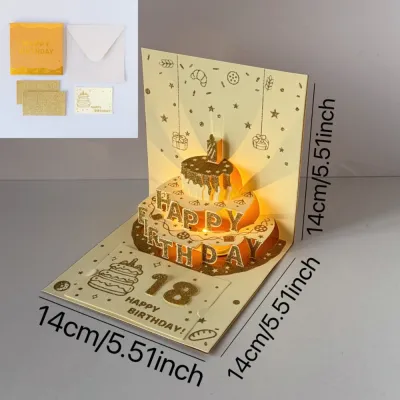
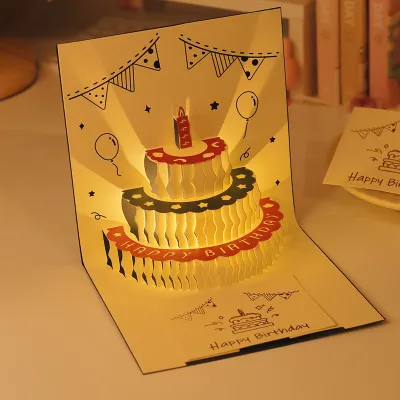
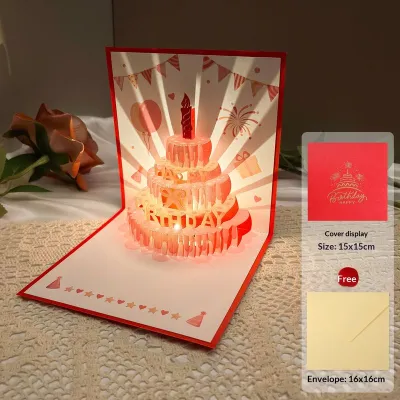
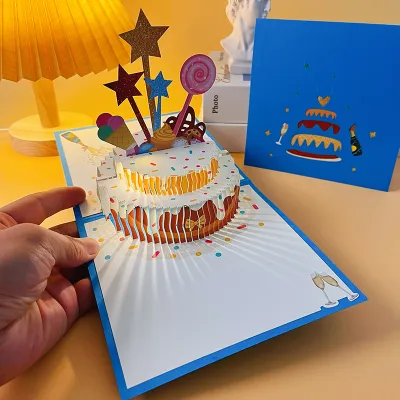
Prices are valid at publication and may change. Please refer to the product page for the latest price.
Battery specifications are equally critical to the card’s longevity. Most musical cards run on small alkaline button cells, such as LR44, AG10, or AG13 batteries, while thinner cards might use lithium coin cells like CR2032. These batteries typically provide enough power for 100 to 300 playbacks, depending on the length of the audio track and whether the card also features LED lights. When purchasing online, verify if the battery is replaceable. Sealed cards require you to cut the paper backing to access the battery, which often ruins the card’s appearance. Premium keepsake cards, on the other hand, feature a discrete, screw-secured battery compartment on the reverse side, allowing the recipient to preserve the card for years.
The physical construction of the card dictates its durability and premium feel. Stationery quality is measured in Grams per Square Meter (GSM). A high-quality musical card should use cardstock of at least 300 GSM to 350 GSM. This heavy paper weight is necessary to support the physical weight of the electronic module without bending or sagging. Additionally, pay close attention to the hinge or fold where the sound activation trigger is located. This area undergoes significant stress every time the card is opened and closed. Look for cards with reinforced hinges or double-layered paper paths that protect the delicate copper wiring and slide switches from tearing or breaking over time.
Dimensions and weight also play a practical role, especially if you plan to send the card through the mail rather than hand-delivering it. Musical cards are naturally thicker and heavier than standard greeting cards due to the embedded electronics. A standard square card measuring 15 centimeters by 15 centimeters is highly popular, but its thickness can exceed the limits for standard letter postage. If you are mailing the card within the Philippines using local courier services or the national postal system, ensure the card fits within a standard envelope size (such as C5 or C6) and verify the total package weight to avoid unexpected shipping surcharges or transit damage.
Finally, consider the writing surface and ink compatibility. The inner pages of musical cards often have different finishes, ranging from high-gloss coated paper to uncoated matte cardstock. High-gloss finishes look vibrant but are notoriously difficult to write on; water-based gel pens, fountain pen inks, and standard rollerballs will smudge easily and take hours to dry, particularly in the humid climate of the Philippines. If your card has a glossy interior, it is highly recommended to use a fine-tip permanent oil-based marker and allow the writing to cure completely for at least five minutes before closing the card. For matte, uncoated surfaces, standard ballpoint pens or quick-drying gel inks work beautifully without bleeding through the thick cardstock.
Popular Styles of Musical Birthday Cards to Consider
Pop-Up and 3D Musical Cards
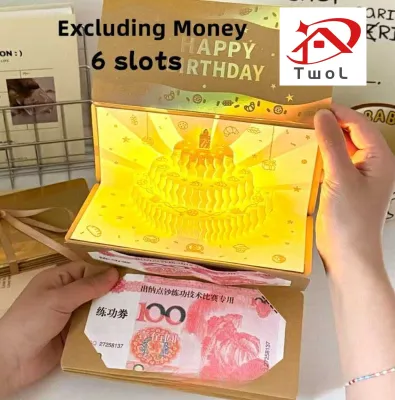
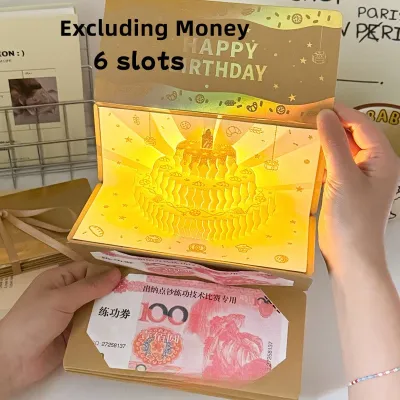
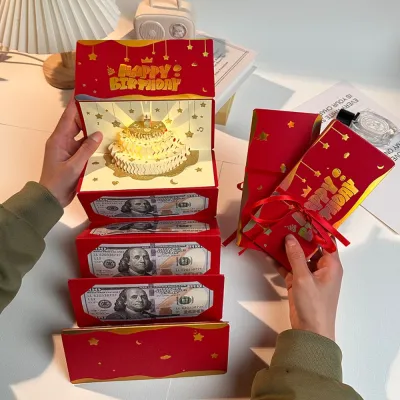
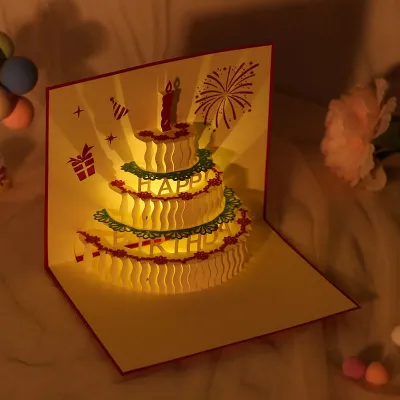
Pop-up and 3D musical cards represent the pinnacle of modern paper engineering, combining intricate laser-cut designs with synchronized sound effects. When the recipient opens the card, a three-dimensional structure—such as a multi-tiered birthday cake, a bouquet of flowers, or a whimsical scene—unfolds dynamically. These cards offer immense visual impact and are frequently kept on display long after the birthday celebration has ended. However, this visual complexity comes with a trade-off in durability. The tiny paper tabs, folds, and linkages that make up the 3D structure are highly delicate. In the tropical humidity of the Philippines, paper fibers can absorb moisture from the air, making them softer and more prone to warping or catching on one another. To prevent damage, these cards must be handled with care and stored in a dry environment. When buying online, ensure the seller provides a sturdy envelope that can accommodate the extra thickness of the collapsed 3D structure without crushing the delicate paper elements.

Custom Voice Recording Cards
Custom voice recording cards offer a deeply personal gifting experience by allowing the sender to record their own spoken message, song, or sound effect. These cards contain a recordable sound chip connected to a small microphone and a recording button. Most models offer recording limits ranging from 10 to 30 seconds, which is ample time for a heartfelt greeting or a short rendition of a birthday song. When evaluating these cards online, look for modules that feature a “lock” mechanism or a write-protect tab; this prevents the recipient from accidentally overwriting your recorded message. Playback quality depends heavily on the microphone’s sensitivity. For the best results, you should record your message in a quiet, carpeted room to minimize echo and background noise, holding the card about six inches from your mouth. The primary advantage of these cards is their re-recordability, allowing you to perfect your message before sealing the envelope, making them an excellent choice for long-distance relationships or family members living overseas.
Classic Melody and Light-Up Cards
Classic melody and light-up cards are the traditional mainstays of the musical greeting card world. These cards feature pre-programmed microchips that play standard, nostalgic birthday tunes—such as the classic “Happy Birthday to You” melody—often rendered in a charming, retro chiptune or instrumental style. To enhance the festive experience, many of these cards integrate tiny, flashing LED lights that sync with the rhythm of the music, illuminating colorful balloons, candles, or fireworks printed on the card cover. While these cards are highly reliable and simple to operate, the combination of light and sound modules significantly increases battery consumption. A card that plays music while flashing multiple LEDs will drain its button-cell batteries much faster than a sound-only card. If you choose a light-up model, it is wise to select a card that uses a physical slide-tongue switch activated by opening the card, as light-sensor triggers can sometimes fail to activate in dimly lit rooms or drain the battery if exposed to continuous light during storage.
How to Match the Card to Your Recipient
Selecting the right musical card requires matching the design, melody, and physical features to the recipient’s personality and age. For older relatives, such as grandparents, aunts, or uncles, prioritize clarity and elegance. Many elderly individuals experience age-related hearing loss, particularly with high-frequency electronic tones. Therefore, look for cards that feature richer, lower-frequency sound profiles or acoustic-style instrumental melodies rather than high-pitched digital beeps. The visual design should lean toward classic aesthetics—such as sophisticated floral patterns, gold foil accents, or vintage illustrations—paired with large, high-contrast, easy-to-read text. A card that plays a soft, nostalgic jazz or classical rendition of a birthday song is often highly appreciated by older generations.
When gifting to friends, peers, or colleagues, you have much more room for humor, pop-culture references, and creative personalization. Trendy aesthetics—such as minimalist line art, retro vaporwave color palettes, or quirky animal illustrations—are highly popular among younger adults. A custom voice recording card is particularly effective for close friends, as it allows you to record an inside joke, a funny shared memory, or a personalized shout-out that a pre-recorded card could never replicate. If your peer group enjoys humor, look for cards that play funny sound effects, comedic songs, or feature interactive elements that require the recipient to “blow out” a light-up LED candle to stop the music, adding a playful, engaging element to the celebration.
For children, the focus should be on high sensory engagement, vibrant colors, and interactive play. Cards that feature bright primary colors, beloved cartoon characters, flashing multi-colored lights, and upbeat, fast tempos are sure to capture a child’s attention. However, safety must be your top priority when selecting stationery for young children. Ensure the card is constructed from thick, durable cardstock that cannot be easily torn or chewed. Critically, verify that the card lacks small, detachable parts—such as loose plastic gems, sequins, googly eyes, or small plastic battery covers without safety screws—which can present severe choking hazards. The battery compartment must be completely sealed within the paper layers or secured with a safety screw to prevent curious hands from accessing the toxic button-cell batteries inside.
Smart Shopping Tips for Buying a Bday Card with Music Online
Navigating online marketplaces in the Philippines requires a strategic approach to ensure you receive a high-quality product that works perfectly upon arrival. Start by refining your search queries to filter out standard, non-musical greeting cards. Using specific terms like “bday card with music,” “recordable greeting card,” “3D pop-up musical card,” or “LED music birthday card” will yield the most relevant results. Once you find a promising listing, do not rely solely on the product images or the overall star rating. Dive deep into the customer reviews, paying close attention to written feedback and user-uploaded videos. Video reviews are invaluable for musical cards, as they allow you to hear the actual sound quality, verify the volume levels, and see the pop-up mechanisms in action before making a purchase. Look out for red flags in the reviews, such as complaints about distorted audio, dead batteries, or cards that arrived bent.
Another crucial factor is the seller’s shipping location. On major local e-commerce platforms, products may be shipped locally from within the Philippines (such as Metro Manila, Bulacan, or Cebu) or imported from overseas hubs. If you are on a tight schedule and need the card within a few days, always filter your search to local sellers. Local shipping typically takes two to five days, whereas overseas shipping can take anywhere from one to three weeks and may be subject to customs delays. Furthermore, local sellers are often easier to communicate with if you need to ask specific questions about the card’s battery life or paper quality before placing your order.
Finally, pay close attention to the seller’s packaging standards. Because musical cards contain delicate electronic components, fragile paper folds, and sensitive slide switches, they are highly vulnerable to damage during transit. Standard plastic courier pouches offer virtually no protection against bending or crushing. Before finalizing your purchase, read reviews to see how the seller packages their items, or send them a direct message asking them to pack the card securely. A reputable seller should use rigid cardboard mailers, sandwich the card between thick pieces of protective cardboard, or wrap it in multiple layers of bubble wrap. This protective packaging prevents bent corners, crushed pop-up elements, and prevents the activation switch from being accidentally compressed during shipping, which would drain the battery before the card reaches your doorstep.
Frequently Asked Questions (FAQ)
Can I replace the battery in a musical birthday card?
The ability to replace the battery depends entirely on the design of the card’s sound module. Most standard, mass-produced musical cards are designed as single-use novelties, with the batteries and circuitry permanently sealed between the layers of cardstock. While it is technically possible to slice open the paper to access the batteries, doing so usually ruins the card’s structural integrity and aesthetic appeal. However, premium, handmade, or custom recordable cards often feature a dedicated battery compartment on the back. These compartments are typically secured with a small Phillips screw to keep them safe from children. These replaceable modules usually run on standard alkaline button cells, such as LR44 or AG13, which are inexpensive and widely available online or at local electronics and watch repair shops.
How do I prevent the music from playing before the recipient opens it?
To prevent the sound module from activating prematurely during transit or while inside your bag, most manufacturers insert a small plastic pull-tab (also known as a battery isolator) between the battery and the contact plate. This tab keeps the electrical circuit open, ensuring the card remains silent. You should keep this plastic tab in place until you are ready to write your message and present the card. For cards that use a slide-tongue switch activated by opening the card, the key is keeping the card completely flat and tightly closed inside its envelope. If the envelope is too loose, the card can shift and open slightly during shipping, triggering the music repeatedly and draining the battery. To prevent this, seal the envelope securely using a strong adhesive, a decorative sticker, or washi tape to keep the card firmly compressed.
Are custom recordable cards more expensive than pre-recorded ones?
Yes, custom recordable cards are generally positioned at a higher price point than pre-recorded melody cards. This price difference is directly related to the complexity and cost of the internal components. A pre-recorded card uses a simple, mass-produced ROM chip that plays a single, unchangeable audio file. In contrast, a custom recordable card requires a more sophisticated sound chip, a miniature microphone, a write-protect mechanism, and often a larger battery capacity to handle multiple recording and playback cycles. Additionally, recordable cards are often constructed from thicker, premium paper stock to protect these sensitive electronic components. While pre-recorded cards offer excellent value for traditional greetings, the personalization and keepsake value of a custom recordable card make it well worth the additional investment.
Community discussion
Share your experience or ask a question. Comments are reviewed before publication.