
Finding the right coloring set for kids on sale in the Philippines requires balancing promotional discounts with actual product utility. While major online shopping events and seasonal school promotions offer tempting price cuts, a low price tag does not always guarantee good value. Many discounted kits contain filler items, low-pigment tools, or dried-out markers that frustrate young artists and lead to wasted money. To make a smart purchase, parents must look beyond the discount percentage and evaluate safety certifications, tool quality, and age appropriateness. By understanding how to navigate online marketplaces, verify genuine markdowns, and assess product specifications, you can secure a high-quality art kit that inspires creativity without straining your budget.
Setting a Realistic Budget and Identifying Must-Have Features
Establishing a clear spending limit in ₱ before browsing online sales prevents impulse buys and helps you focus on sets that offer the best utility. For casual home doodling, a budget of ₱100 to ₱250 is usually sufficient to secure a reliable set of basic crayons or colored pencils. If your child needs supplies for structured school art projects, planning to spend between ₱250 and ₱500 allows you to look for sets with broader color ranges and more durable materials. Comprehensive art cases containing multiple mediums typically range from ₱500 to over ₱1,000, which are best reserved for older children who have developed a sustained interest in drawing.
Safety and usability must remain your top priorities when selecting any art supply for children. Always check the product description or packaging images for recognized non-toxic certifications, such as the AP (Approved Product) seal or compliance with EN71 safety standards. For toddlers and younger children, washable inks are essential to ensure that accidental marks on skin, clothing, and walls can be easily cleaned with mild soap and water.
Products mentioned in this guide
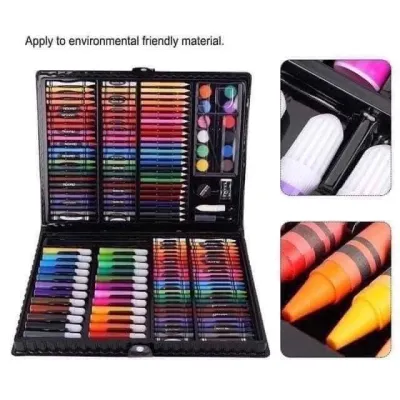
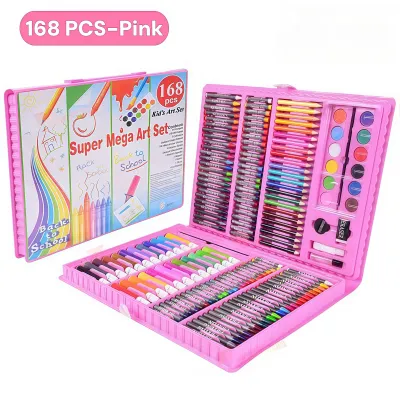
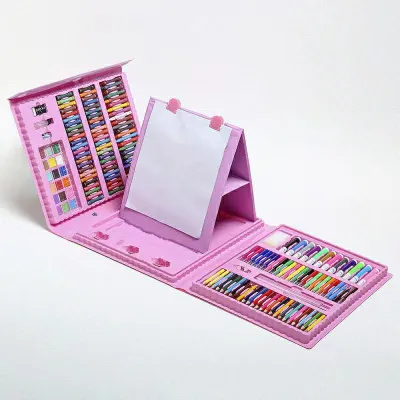
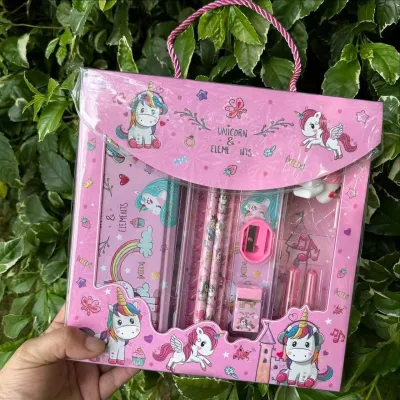
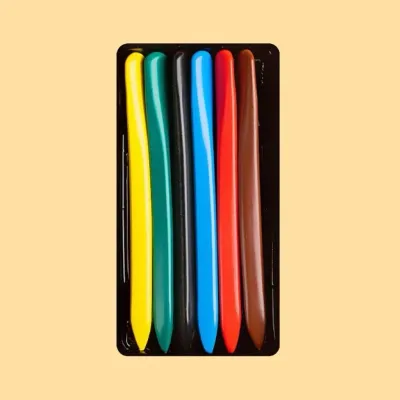
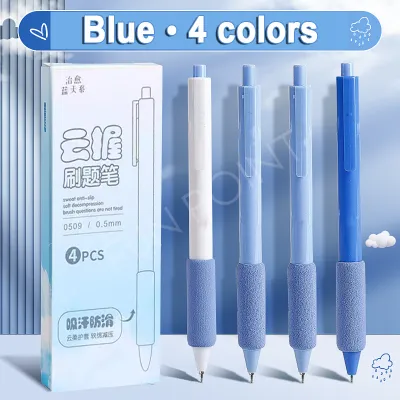
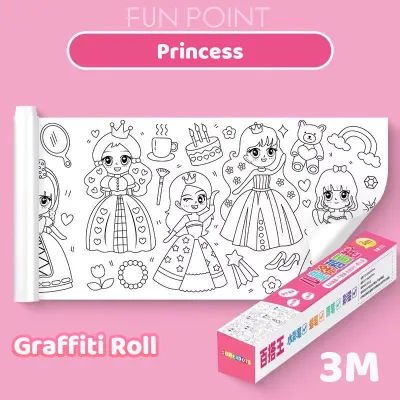
Prices are valid at publication and may change. Please refer to the product page for the latest price.
To maximize your budget, separate core coloring tools from unnecessary filler items. Many discounted sets inflate their piece counts by including cheap plastic stencils, stickers, glitter glue, or miniature safety scissors. While these extras may seem appealing, they often drive up the price of the set while offering lower-quality coloring mediums. Prioritize packages that dedicate their entire cost to high-quality crayons, colored pencils, or markers, as these core tools will see the most use.
Spotting Genuine Discounts on E-Commerce Platforms
Online marketplaces frequently advertise massive discounts, but verifying whether a sale price represents a true bargain requires a quick comparison. Sellers sometimes inflate the “original” retail price right before a promotional event to make a standard price look like a major discount. To protect your wallet, compare the advertised sale price against the baseline prices listed on official brand flagship stores or physical retail bookstore chains in the Philippines. If the discount is only a few pesos off the standard retail price, it may not be worth rushing the purchase.

Understanding how different promotional mechanics interact can significantly lower your final checkout total. Take advantage of store-specific vouchers, platform-wide discount codes, and payment partner promotions that can be stacked together. Additionally, pay close attention to free shipping thresholds. If a coloring set costs ₱250 but requires a ₱80 shipping fee, look for bundle deals from the same seller that push your total past the free shipping minimum, effectively giving you more art supplies for the same total expenditure.
Sifting through seller ratings and customer reviews is crucial for avoiding counterfeit or poorly stored art supplies. Look for stores with a rating of 95% or higher and a high volume of positive feedback. Pay close attention to reviews that include actual photos and videos uploaded by buyers in the Philippines. These real-world images allow you to verify that the packaging arrives intact, the colors match the product description, and the items are not old, damaged stock being cleared out at suspiciously low prices.
Evaluating Set Contents and Specifications Before Checkout
Before clicking the checkout button, carefully analyze the actual contents of the coloring set rather than relying on the headline piece count. A “120-piece art set” may sound like an incredible deal, but a closer look at the specification list might reveal that 40 pieces are paper clips, 20 are plastic organizers, and 10 are blank sheets of paper. Calculate the cost-per-piece using only the actual coloring tools—such as crayons, markers, colored pencils, and oil pastels—to determine if the set truly offers good value.
Matching the medium type to your child’s typical projects and paper types prevents frustration during art sessions. Wax crayons are excellent for younger children working on large, thick butcher paper or standard sketchpads, but they do not blend well on smooth, thin paper. Water-based markers provide vibrant colors but require thicker paper, ideally 80 gsm or higher, to prevent the ink from bleeding through to the next page. Colored pencils offer excellent control for older kids but perform best on textured sketch paper that can hold the pigment layers.
Physical dimensions and weight are also critical factors to review before finalizing your order. Large, elaborate art cases made of wood or heavy plastic can be bulky and heavy to transport, making them less suitable for a child to carry to school. Furthermore, because shipping fees on local e-commerce platforms are often calculated based on volumetric weight, an oversized package can incur high shipping costs that quickly wipe out any savings from the promotional discount.
Building a Cost-Effective Art Kit Within Your Budget
Assembling a custom art kit by purchasing smaller, specialized sets often yields better value than buying a single, discounted mega-set. For example, a comprehensive 150-piece mixed-media case might cost ₱600, but the individual markers and pencils inside may be of mediocre quality. Instead, you could spend ₱150 on a high-quality 24-pack of colored pencils, ₱150 on a reliable 12-pack of washable markers, and ₱100 on a sturdy sketchpad. This modular approach ensures that every tool in your child’s kit performs well and lasts longer.
When calculating the total cost of your purchase, remember to factor in necessary consumables and accessories that are rarely included in basic coloring sets. A set of colored pencils is of little use without a reliable, dual-hole manual sharpener that can handle different pencil diameters without breaking the leads. Similarly, budget-friendly marker sets will quickly run out of canvas space without a dedicated drawing pad. Allocating a small portion of your budget to these essential accessories ensures a complete and functional setup from day one.
If you are working with a tight budget, prioritize purchasing core primary and secondary colors first. A high-quality 12-color or 24-color set provides all the essential shades a child needs to learn color mixing and basic shading. Avoid paying a premium for massive sets with 100 or more shades, as many of these colors are nearly identical and will likely go unused by younger children. You can always expand their palette with specialized shades or metallic colors later as their artistic skills and interests grow.
Avoiding Common Pricing Traps and Clearance Risks
Heavily discounted art supplies on clearance often come with hidden trade-offs that can ruin the coloring experience. Be wary of “jumbo” or “value” sets where the individual tools are significantly shorter, thinner, or contain less pigment than standard-sized equivalents. These miniature versions wear down quickly and are prone to snapping under the enthusiastic grip of a young child, resulting in a much shorter lifespan that negates any initial savings.
The tropical climate of the Philippines presents unique storage challenges that can severely affect clearance stock. High heat and humidity in warehouses can cause wax crayons to soften, warp, or lose their structural integrity, making them brittle and easy to break. Water-based markers stored in these conditions for extended periods are highly susceptible to drying out before they even reach your home. If possible, check the manufacturing or packaging date on the listing, and read recent reviews to ensure other buyers have not received dried-out or damaged goods.
Finally, always review the return and refund policies for discounted or clearance items before completing your purchase. Many sellers mark clearance stock as “final sale” or “non-returnable,” meaning you will not be able to get a refund if the markers arrive dry or the crayon tips are shattered. Opt for sellers who offer standard platform guarantees and return windows, giving you peace of mind that you can return the product if it does not meet basic quality standards upon arrival.
Frequently Asked Questions (FAQ)
Are washable markers always the best choice for toddlers?
While washable markers are highly recommended for toddlers due to their easy cleanup on skin, clothing, and household surfaces, they do have some trade-offs. The water-soluble inks used in these markers are less concentrated, which can sometimes result in lighter or less vibrant colors compared to permanent or alcohol-based alternatives. Additionally, because the ink remains highly soluble, it can easily bleed through thin coloring book pages or standard copy paper, requiring you to provide thicker drawing paper to prevent messy bleed-through.
How should I store markers and crayons to prevent them from drying out?
To maximize the lifespan of your child’s coloring tools, store markers horizontally or tip-down in a pencil cup to keep the ink flowing consistently to the nib and prevent the tips from drying out prematurely. For crayons and colored pencils, keep them in a cool, dry drawer or a sturdy plastic pencil case away from direct sunlight and high humidity. This prevents the wax in crayons from softening or melting in the tropical heat and protects the wooden casings of colored pencils from warping, which can cause the internal pigment leads to shatter.
Community discussion
Share your experience or ask a question. Comments are reviewed before publication.