
Selecting the ideal 2026 calendar planner requires balancing your personal organization style with the physical demands of your daily environment. In the Philippines, where high relative humidity can soften paper fibers and slow down ink drying times, choosing a planner is not just about finding an attractive cover. It is about verifying paper density, binding durability, and layout structures that can withstand both daily commuting and tropical weather conditions. By focusing on structural specifications and matching them to your workflow, you can secure a reliable tool to navigate the year ahead.
Whether you are managing a busy corporate schedule, tracking academic deadlines, or documenting personal milestones, your planner serves as a tangible anchor for your daily focus. The market offers a diverse range of formats, from highly structured hourly templates to completely open dot-grid pages. Finding the right match involves analyzing how you process information, how often you travel with your stationery, and what specific details you need to track on a regular basis.
Identifying Your Planning Style and Daily Needs
Before browsing online catalogs or physical stationery shelves, you must define how you intend to use your planner on a daily basis. Planning styles generally fall into three categories: macro-level goal tracking, detailed daily scheduling, and flexible bullet journaling. If your primary goal is to keep track of major project deadlines, exam dates, or travel itineraries, a high-level monthly or weekly overview is often sufficient. This style prevents you from feeling overwhelmed by excessive blank space and keeps your long-term objectives front and center.
Products mentioned in this guide
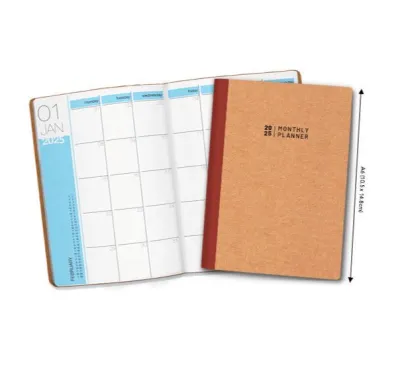
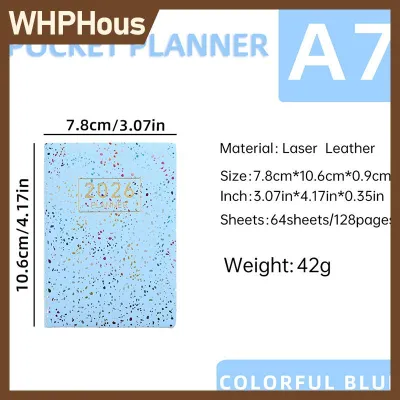
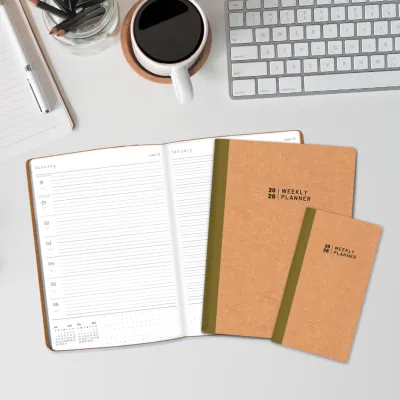
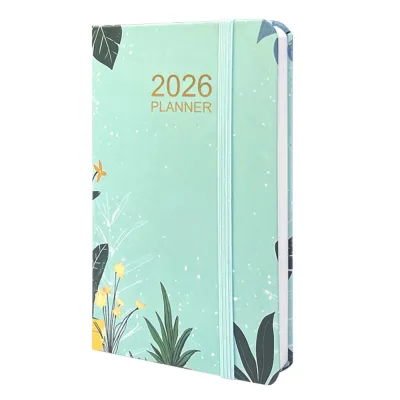
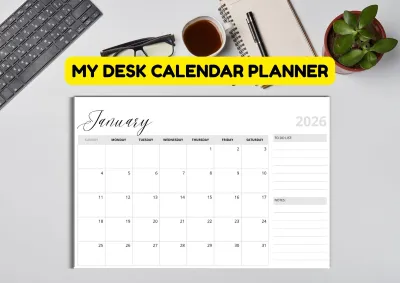
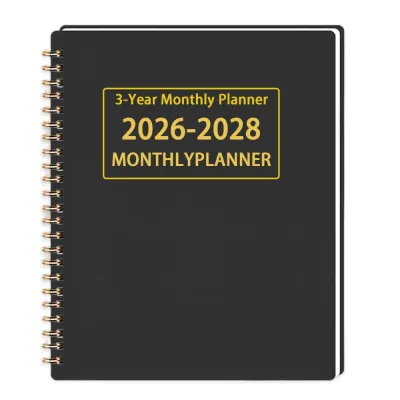
Prices are valid at publication and may change. Please refer to the product page for the latest price.
For those who manage back-to-back meetings, client appointments, or strict hourly routines, a detailed daily scheduler is indispensable. These planners allocate dedicated sections or time slots for each hour of the day, allowing you to visualize your time commitments and prevent over-scheduling. However, this level of detail requires a consistent daily commitment to updating your pages, and the extra paper required for daily layouts naturally increases the overall weight and thickness of the book.
If you prefer a creative, non-linear approach to organization, flexible bullet journaling or hybrid layouts may be the best fit. These formats combine minimal dated structures with ample blank, lined, or dotted pages, allowing you to sketch, write, and track habits without the constraints of pre-printed boxes. This style is highly adaptable but requires more setup time, as you must design your own tracking systems and indexes to keep your notes organized.
Your daily commute and workspace setup also dictate the physical format of your planner. If you frequently travel, commute via public transit, or work from different locations, a heavy desk planner can quickly become a physical burden. A compact, lightweight planner that fits easily into a daily carry bag is much more practical for on-the-go use. Conversely, if your planner rarely leaves your desk, a larger, more comprehensive format provides the expansive writing space needed for detailed project management.
Finally, consider the utility of specialized inserts such as habit trackers, finance logs, and academic calendars. Many modern planners include dedicated pages for tracking monthly expenses, utility bill payments, savings goals, and daily habits like water intake or exercise. If you prefer to keep your financial and personal goals integrated with your daily schedule, look for planners that feature these built-in sections to avoid having to maintain multiple notebooks.
Essential Specifications to Check Before Buying
To ensure your 2026 planner survives a full year of daily handling, you must evaluate its physical construction, starting with paper quality. Paper weight is measured in grams per square meter (GSM), which directly influences how the pages handle different writing instruments. Standard office paper is typically around 70 to 80 GSM, which is highly susceptible to ghosting (where writing is visible on the reverse side) and bleed-through (where ink actually penetrates the paper) when using gel pens, rollerballs, or fountain pens.

For a smooth writing experience with minimal ink penetration, look for planners featuring paper weights between 100 and 120 GSM. If you prefer using fountain pens or heavy ink markers, seek out specialized, high-density paper that has been sized or coated to resist feathering. Because the tropical climate in the Philippines introduces high humidity, paper fibers naturally absorb moisture from the air over time, which can exacerbate ink bleeding; choosing a slightly heavier, high-quality paper helps mitigate this environmental factor.
Binding construction is another critical factor that determines both the usability and longevity of your planner. Wire-o and spiral bindings allow the planner to open completely flat and fold back on itself 360 degrees, making them highly convenient for writing on small desks or on your lap. However, the metal or plastic coils can catch on bag linings, bend under pressure, or become crushed if stuffed into a tightly packed backpack.
Stitched or thread-bound planners offer excellent durability and a premium feel, as the pages are sewn together in sections called signatures. High-quality thread-bound planners are designed to lay completely flat when opened, providing a seamless writing surface across two-page spreads. Glued or perfect-bound planners are often the most budget-friendly option, but they can be difficult to keep open without holding down the pages, and the adhesive can dry out and crack over time, leading to loose pages.
Cover materials play a vital role in protecting your planner from wear, tear, and accidental spills. Hardcovers made from thick cardboard wrapped in paper or bookcloth offer maximum structural protection, preventing the inner pages from bending or creasing in transit. Softcovers made from flexible cardstock or plastic are lighter and more pliable, making them easier to slide into tight spaces, though they offer less protection against impact.
Vegan leather or polyurethane (PU) covers provide an excellent balance of durability, flexibility, and water resistance. A water-resistant cover is particularly beneficial during the rainy season, protecting your notes from stray raindrops or condensation from cold drinks on your desk. Some planners also feature removable plastic jackets or zip-around closures, which provide an extra layer of defense against dust, moisture, and physical damage.
Understanding standard paper sizes will help you choose a planner that fits your carrying habits. The most common sizes are A4, A5, B6, and pocket-sized (A6). An A4 planner offers the largest writing area, making it ideal for detailed desk work, but its large footprint makes it difficult to carry daily. The A5 size is widely considered the industry sweet spot, offering ample writing space while remaining highly portable. B6 is slightly smaller and highly popular for its compact yet functional layout, while pocket-sized planners are designed for quick, minimal notes and ultimate portability.
Comparing Common 2026 Planner Layouts
The internal layout of your planner dictates how you visualize your time and organize your tasks. Monthly overviews are standard in almost all planners, providing a bird’s-eye view of the entire month across a two-page grid. This layout is perfect for mapping out long-term projects, marking holidays, tracking bill due dates, and noting major events. However, the small daily boxes in a monthly grid offer very little space for detailed daily tasks or hourly scheduling.
Weekly spreads are the most popular layout choice, offering a balance between short-term detail and mid-term planning. These spreads generally come in two formats: vertical and horizontal. Vertical weekly layouts divide each day into a column, often featuring hourly time-blocking lines from morning to evening. This format is highly effective for professionals, students, and freelancers who need to visualize their daily appointments and manage time slots sequentially.
Horizontal weekly layouts present the days of the week as horizontal blocks across a two-page spread. This format is ideal for free-form writing, bulleted to-do lists, and daily journaling, as it does not restrict your notes to specific hours. Some horizontal layouts feature the days of the week on the left page and a blank lined or grid page on the right, providing a highly versatile space for weekly task lists, brainstorming, and miscellaneous notes.
Daily pages allocate an entire page (or sometimes two pages) to a single day, offering maximum space for detailed scheduling, extensive task lists, meeting notes, and personal reflections. This format is perfect for high-volume writers and individuals with complex daily routines. The primary trade-off is physical size; a dated daily planner for a full year requires roughly 400 pages, resulting in a thick, heavy book that is less convenient to carry around daily.
When choosing your 2026 planner, you must also decide between dated and undated formats. Dated planners come pre-printed with the specific days, dates, and months of 2026, saving you the time and effort of writing them in yourself. This structure provides immediate accountability and helps you plan months in advance. However, if you skip a week or two of planning, those pre-printed pages remain blank, which can feel like wasted paper.
Undated planners feature blank templates where you fill in the dates and months as you go. This format offers absolute flexibility, allowing you to pause planning during vacations or quiet periods without wasting any pages. Undated planners are excellent for individuals with irregular schedules or those who only need to plan during busy project cycles. The downside is the initial setup time required to write in the dates, and the lack of a pre-printed calendar can make long-term future planning slightly more challenging.
Navigating Online Marketplaces and Local Stationery Stores
Finding the right 2026 planner involves navigating both digital storefronts and physical retail shops. Price ranges for planners vary widely based on paper quality, binding, and brand origin. Budget-friendly options typically range from ₱150 to ₱400, offering basic spiral or glued bindings and standard-weight paper suitable for ballpoint pens. Mid-range planners, priced between ₱500 and ₱1,200, generally feature durable stitched bindings, 100 GSM paper, and sturdy PU leather covers. Premium planners can range from ₱1,300 to ₱2,500 or more, featuring specialized fountain-pen-friendly paper, refillable binder systems, or imported designs.
When shopping on online marketplaces, verifying product authenticity and paper performance requires a strategic approach. Because you cannot physically touch the paper, you must rely heavily on user reviews and detailed product descriptions. Look for customer reviews that include photos or videos of “pen tests,” where users write on the back pages with various pen types to demonstrate bleed-through and ghosting. Pay close attention to reviews mentioning the durability of the binding after several weeks of use.
Before finalizing your online purchase, always verify the exact start and end months of the planner. Some planners are designed for the academic year (e.g., starting in August and ending in July of the following year), while others follow the standard calendar year from January to December 2026. Additionally, check the seller’s return policy and shipping packaging reviews to ensure your planner arrives without bent corners or water damage from transit.
If you prefer to shop in physical stationery stores, take full advantage of the opportunity to inspect the stock in person. Run your fingers along the spine of the planner to check for loose threads, uneven glue application, or misaligned covers. Open the planner to the middle pages to ensure the book lays flat without putting excessive strain on the binding. Flip through the pages to check for printing defects, such as faded grid lines, misaligned dates, or missing pages.
Frequently Asked Questions (FAQ)
How can I prevent ink from smudging in my 2026 planner?
To prevent ink from smudging, you must match your pen type with the paper’s absorbency and coating. Gel pens and liquid ink rollerballs lay down a wet line of ink that requires more drying time, especially on smooth, coated, or high-density paper. If you are using these pens, allow the ink to dry completely before closing the planner or turning the page. Switching to a fast-drying gel pen or a high-quality ballpoint pen can significantly reduce smudging, as ballpoint ink is oil-based and dries almost instantly upon contact with paper.
Environmental factors also play a role; high humidity can slow down ink drying times significantly. To protect your pages, you can use a sheet of blotting paper or a simple piece of scrap paper placed between the pages of your planner. This sheet will absorb any excess wet ink when you close the book, preventing the ink from transferring to the opposite page. Additionally, avoid touching the freshly written text with your hands, as natural skin oils can resist ink absorption and cause smudging.
What is the difference between a calendar planner and a bullet journal?
A calendar planner features pre-printed layouts, dates, and structures designed to guide your organization from day one. It requires minimal setup time, as the monthly grids, weekly columns, and daily lines are already drawn for you. This structure is highly efficient for individuals who want to open their book and immediately start scheduling without spending time designing layouts. The limitation is rigidity; you must adapt your planning style to fit the pre-printed boxes provided by the manufacturer.
A bullet journal, on the other hand, typically consists of blank dot-grid or grid pages without any pre-printed dates or structures. It serves as a blank canvas where you design your own layouts, trackers, and logs using a system of symbols and indexes. This offers absolute flexibility to change your layout from week to week, but it requires a significant investment of time to set up and maintain. Hybrid planners offer a middle ground, providing dated 2026 calendar spreads alongside generous blank dot-grid sections for free-form notes.
How do I transition my notes from a 2025 planner to a 2026 edition?
Transitioning to a new planner is the perfect opportunity to audit your productivity and declutter your schedule. Start by reviewing your 2025 planner page by page to identify unfinished tasks, ongoing projects, and long-term goals. Decide which items are still relevant and worth carrying forward into 2026, and consciously discard those that no longer serve your priorities. This process ensures that you start the new year with a clear focus rather than a backlog of outdated tasks.
Once you have audited your notes, use a systematic migration process to transfer key information. Copy important recurring dates, such as birthdays, anniversaries, subscription renewals, and long-term deadlines, directly into the monthly overviews of your new 2026 planner. If you have reference information that you consult frequently—such as contact lists, medical logs, or professional guidelines—consider scanning them digitally or rewriting them neatly into the dedicated notes pages at the back of your new planner before the year begins.
Community discussion
Share your experience or ask a question. Comments are reviewed before publication.