
Finding an aesthetic notebook in the Philippines requires balancing visual appeal with functional durability. In a tropical climate where high humidity can soften paper and sudden downpours threaten your daily carry, a notebook must be more than just a pretty cover. The ideal journal matches your personal style—whether minimalist, vintage, or vibrant—with high-quality paper that resists ink feathering and a binding that lies completely flat on your desk. By understanding how paper weight, binding construction, and cover materials interact with your writing tools, you can select a daily companion that remains pristine and inspiring from the first page to the last.
Defining Your Personal Aesthetic and Daily Needs
Before browsing online marketplaces or visiting local stationery shops, clarify how the notebook will fit into your daily routine. A journal meant for quiet morning reflection at home has different requirements than a notebook that accompanies you on a daily commute through Manila. If your primary use is bullet journaling or rapid logging, you will need a structured layout, such as a dot grid, that allows for quick formatting. For long-form daily diaries, lined pages offer the necessary guidance for neat handwriting, while sketching or mixed-media art demands thick, blank pages that can handle dry and wet mediums alike.
Your visual preference also plays a significant role in how consistently you use your journal. A notebook that aligns with your personal style acts as an invitation to write, turning a simple task into a mindful ritual. Minimalist designs with clean lines and neutral tones project a professional, calm energy suitable for office meetings or structured planning. Conversely, rich vintage covers, botanical illustrations, or dark academia themes can spark creative writing and deep reflection.
Products mentioned in this guide
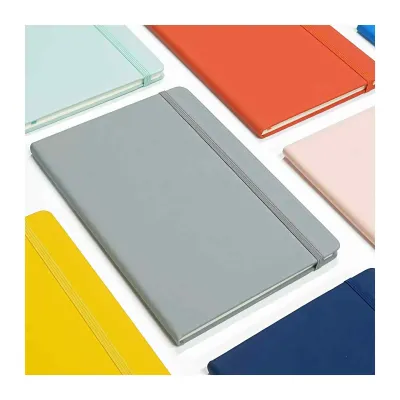
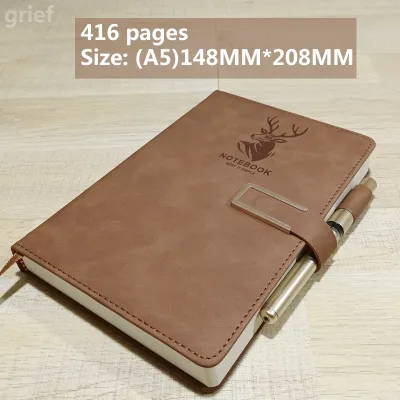
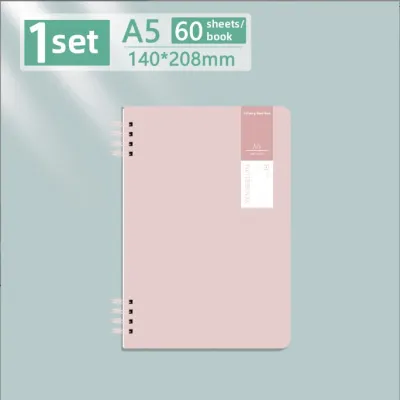
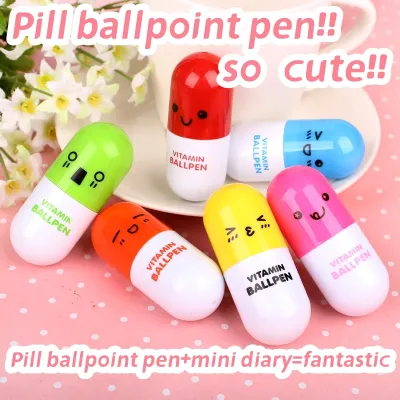
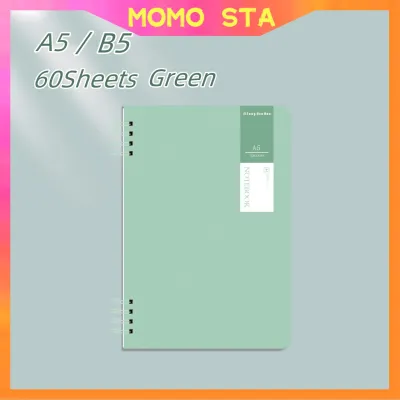
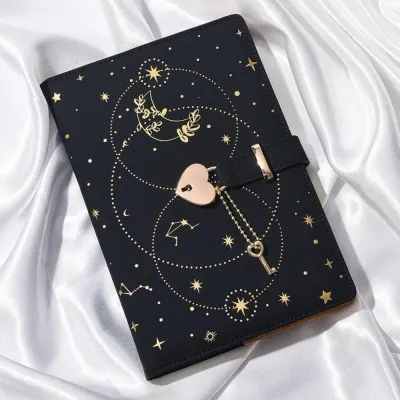
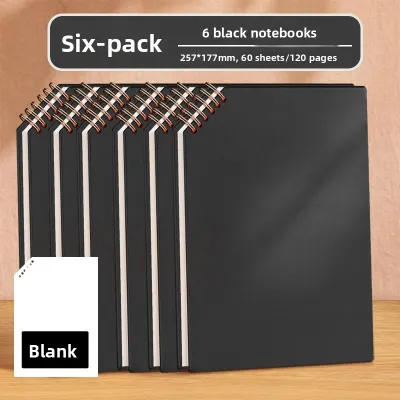
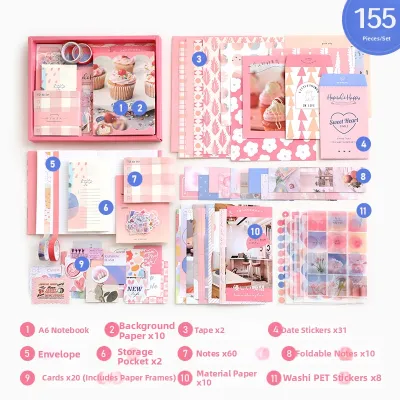
Prices are valid at publication and may change. Please refer to the product page for the latest price.
Portability is another crucial factor to weigh against your aesthetic desires. A heavy, hardbound A5 journal with thick pages might look stunning on your desk, but it can quickly become a burden if you need to carry it in your bag every day. For those who write on the go, a slimmer B6 or A6 notebook with a flexible, lightweight cover is often more practical. Consider your daily transit habits, the size of your bag, and whether you prefer writing on a stable desk or on your lap while commuting.
Essential Specs to Verify for Everyday Writing
An attractive cover can easily mask poor-quality paper or weak construction, leading to frustration once you begin writing. To avoid issues like ink bleeding through the pages or the binding falling apart after a few weeks, you must look closely at the technical specifications. Understanding these details allows you to predict how a notebook will perform under daily use and under the unique environmental conditions of the Philippines.

Paper Weight and Ink Compatibility
Paper weight is measured in grams per square meter (GSM), and it is the most reliable indicator of how well a notebook will handle different pens. Standard school notebooks often feature paper between 50 GSM and 70 GSM, which is highly prone to ghosting (where writing is visible on the reverse side) and bleeding (where ink physically seeps through). For everyday writing with standard ballpoint pens or fine gel pens, a paper weight of 80 GSM to 100 GSM offers a smooth experience with minimal ghosting. If you prefer using heavy gel pens, rollerballs, or fountain pens, look for notebooks with at least 100 GSM to 120 GSM paper to ensure clean, crisp lines.
Beyond weight, the texture and coating of the paper dictate the writing feel and ink drying time. Smooth, coated papers are excellent for fountain pens because they prevent feathering—where ink spreads along the paper fibers—but they also slow down drying times, which can lead to smudging in humid tropical weather. Uncoated, slightly textured papers absorb ink faster, making them ideal for quick-drying gel pens and left-handed writers, though they may cause broader ink lines. When shopping online, look closely at product descriptions for terms like “fountain pen friendly” or “bleed-resistant,” and check customer reviews for photos of the reverse side of written pages to verify these claims.
Binding Styles and Lay-Flat Performance
The way a notebook is bound directly affects your writing comfort and the longevity of the journal. Thread-sewn binding, often referred to as Smyth-sewn, is the gold standard for daily journaling because it allows the notebook to lie completely flat when opened. This lay-flat performance ensures you can write comfortably across the entire page, including the inner margins, without having to fight a curving spine. Thread-sewn journals are also highly durable, as the pages are grouped into signatures and stitched together, preventing individual sheets from falling out over time.
Spiral and wire-bound notebooks offer excellent flexibility, allowing you to fold the cover completely back to save space on crowded desks or when writing on your lap. However, the metal or plastic coils can sometimes interfere with your hand placement, especially when writing near the center margin. Glued or perfect-bound notebooks are common in budget-friendly aesthetic options, but they should be approached with caution for heavy daily use. In warm, humid climates, the adhesive in cheaply glued spines can dry out, crack, or soften, causing pages to detach when the notebook is opened wide.
To evaluate binding quality from online product images, look for photos showing the notebook lying open without being held down. If the pages curve sharply near the spine or if the book springs shut on its own, it lacks true lay-flat construction. For sewn bindings, look for visible stitching in the center folds of the pages, which indicates a secure, high-quality assembly.
Matching Aesthetic Styles to Your Journaling Routine
Selecting a notebook is not just about technical specs; it is about finding a design that complements your daily habits and psychological approach to writing. The visual theme of your journal should harmonize with your preferred page layout to create a seamless writing experience. For instance, a highly decorated, vintage-style cover might feel mismatched with a rigid, ultra-functional daily schedule, while a stark minimalist notebook might not inspire creative, free-form poetry.
Minimalist and Typography-Focused Designs
Minimalist notebooks typically feature clean, solid-colored covers, subtle debossed logos, or elegant, understated typography. Often bound in durable kraft paper, textured cardstock, or smooth linen, these designs appeal to those who appreciate simplicity and order. The clean aesthetic of a minimalist journal helps reduce visual clutter, making it easier to focus on your thoughts and organize your tasks.
These notebooks are exceptionally well-suited for bullet journaling, rapid logging, and professional meeting notes. The lack of distracting cover illustrations allows you to define the structure of each page yourself, using simple dot grids or grid layouts to design custom trackers and weekly spreads. However, a potential limitation of minimalist designs is their lack of built-in organizational features. Many minimalist notebooks omit page numbers, index pages, or dual ribbon markers, meaning you may need to spend extra time setting up these systems manually if you require them for navigation.
Vintage, Botanical, and Illustrated Covers
For those who view journaling as an artistic escape or a deeply reflective practice, notebooks with vintage, botanical, or illustrated covers offer a rich sensory experience. These journals often feature elaborate cover designs, such as embossed synthetic leather, textured book cloth, or intricate gold foil stamping depicting celestial maps, lush flora, or classic artwork. The tactile feel of a textured cover can enhance the emotional connection to your journaling routine, making the act of picking up the book feel like a special occasion.
While these designs are visually stunning, they require careful inspection to ensure the decorative elements can withstand daily handling. Foil stamping and delicate printed illustrations on covers can easily scuff, fade, or peel when rubbed against other items inside a daily bag. When reading user reviews on e-commerce platforms, search for feedback regarding cover durability. Look for mentions of whether the foil accents rub off quickly or if the corners of the cover tend to fray after a few weeks of being carried around.
Modular and Customizable Refillable Systems
If you love the idea of a high-quality, aesthetic cover but dislike the waste of discarding a beautiful notebook once it is full, a modular refillable system is an excellent alternative. These systems, which include traveler’s notebooks, ring-bound binders, and disc-bound planners, allow you to keep a premium outer cover while swapping out the paper inserts as needed. The covers are often made of durable genuine leather, thick synthetic leather, or sturdy felt, which develop a beautiful patina and character over years of use.
The primary advantage of a modular system is its unparalleled customization. You can mix and match different paper layouts within a single cover—combining lined paper for journaling, dotted paper for planning, and blank, heavy-weight paper for sketching. Over time, this approach can be highly cost-effective and environmentally friendly, as you only need to purchase paper refills rather than an entirely new bound notebook.
Before investing in a refillable system, however, you must verify the compatibility of third-party refills. Some brands use proprietary hole-punching patterns or non-standard dimensions, forcing you to buy their specific, often expensive, inserts. Check the exact measurements and ring configurations of the cover to ensure you can easily source affordable, high-quality paper refills from local stationery shops or online marketplaces in the Philippines.
Smart Shopping: Where to Look and What to Check
Finding the perfect aesthetic notebook in the Philippines requires a strategic approach to online and offline shopping. While local physical stationery boutiques allow you to touch the paper and inspect the binding firsthand, online marketplaces offer an incredibly vast selection of international and local independent brands. To navigate these digital platforms successfully, you must know how to filter through thousands of listings and verify product quality from afar.
When searching online, avoid using broad terms like “cute notebook” or “pretty journal,” which often surface low-quality options with thin paper. Instead, use specific, technical search terms such as “100 GSM dotted notebook,” “Smyth-sewn lay-flat journal,” or “A5 PU leather refillable binder.” Utilizing these precise keywords helps filter out cheap novelty items and highlights products designed with serious writing in mind.
Once you find a promising listing, do not rely solely on the seller’s polished product photos, which are often digitally rendered or highly edited. Scroll down to the customer review section and look for user-submitted photos and videos. These real-world images are invaluable for verifying the actual color of the cover, the thickness of the paper, and how the notebook looks when opened. Pay close attention to reviews that mention “ghosting,” “bleed-through,” or “broken spine,” as these are clear indicators of subpar materials.
Additionally, take note of the seller’s location and shipping policies. Many aesthetic notebooks on local e-commerce platforms are shipped from overseas, which can take several days or weeks to arrive. If you need the notebook quickly, filter your search to local sellers within the Philippines. Always check the return policy for stationery items; while most platforms allow returns for damaged goods, some sellers may not accept returns if you simply dislike the paper texture or cover color upon arrival. Keep an eye on the price point as well—while a budget-friendly notebook priced under ₱150 might be tempting, investing ₱300 to ₱600 often secures a notebook with significantly better paper quality and a durable, lay-flat binding that will survive daily wear and tear.
Frequently Asked Questions (FAQ)
How do I prevent ink from bleeding through aesthetic notebook pages?
To prevent ink from bleeding through your notebook pages, the most effective step is to manage the flow of ink you use. If your current notebook has thinner paper, consider switching from heavy-flowing fountain pens or liquid ink rollerballs to quick-drying gel pens with fine tips (such as 0.38mm or 0.5mm) or high-quality ballpoint pens, which deposit less wet ink onto the page. Another practical solution is to use a pencil board or a thick sheet of cardstock as a backing sheet directly underneath the page you are writing on; this prevents pressure marks and catches any minor ink seepage before it ruins the subsequent page. Finally, if you are committed to using wet inks, always check the product specifications for a paper weight of at least 100 GSM to 120 GSM before making your next purchase.
Are refillable aesthetic journals more cost-effective for daily use?
Refillable aesthetic journals can be highly cost-effective over the long term, though they require a higher initial investment. Purchasing a durable, high-quality leather or synthetic cover along with your first set of inserts will cost more upfront than buying a single standard bound notebook. However, once you have the cover, the recurring cost of purchasing paper refills is significantly lower than buying a brand-new bound journal every few months. To determine if this system is right for you, estimate your daily page usage; if you fill multiple notebooks a year, a refillable system will likely save you money within the first year of use. Just ensure that the cover you choose uses standard sizing (such as A5, A6, or standard traveler’s size) so you can easily source affordable refills from various local and online sellers without being locked into a single expensive brand.
Community discussion
Share your experience or ask a question. Comments are reviewed before publication.