
Finding the right Pilot Dr. Grip model for long writing sessions is not about identifying a single, universally perfect pen, but rather about matching a specific design to your unique hand anatomy and writing habits. For students preparing for multi-hour board exams or professionals taking extensive notes, hand fatigue is a significant obstacle. The Dr. Grip series addresses this through specialized ergonomic engineering, yet the diverse lineup means that a model that feels weightless to one writer might feel cumbersome to another. To select the ideal variant, you must evaluate how different grip diameters, weight distributions, and writing mechanisms interact with your natural grip pressure and hand size.
In tropical climates like the Philippines, where high humidity can cause hands to sweat during intense writing sessions, the choice of grip material and pen balance becomes even more critical. A pen that slips or requires excessive gripping force will quickly lead to writer’s cramp, regardless of its ergonomic label. By understanding the structural differences across the Dr. Grip family, you can make an informed decision that keeps your hand relaxed and your writing fluid from the first page to the last.
Understanding the Core Dr. Grip Ergonomic Features
The foundation of the Dr. Grip series lies in its signature wide, dual-layer silicone grip. Unlike traditional slim pens that force your fingers into a tight, pinched position, this wider diameter distributes gripping pressure across a larger surface area of your fingers. The outer layer of the grip is typically firmer to provide stability and control, while the inner layer is softer to absorb the downward pressure exerted while writing. This dual-layer construction helps minimize the localized muscle strain that often leads to finger fatigue and calluses during extended writing sessions.
Products mentioned in this guide
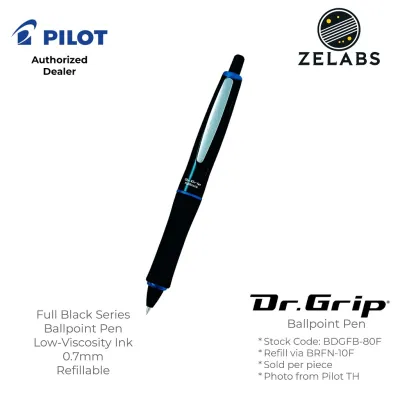
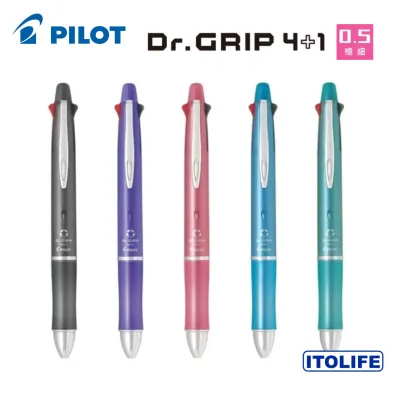
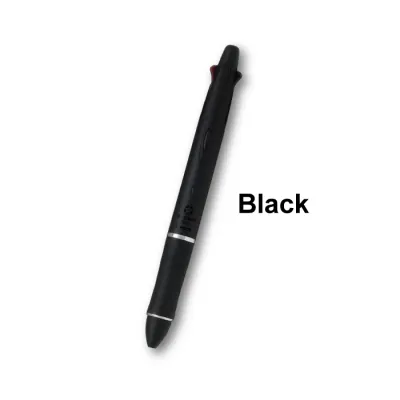
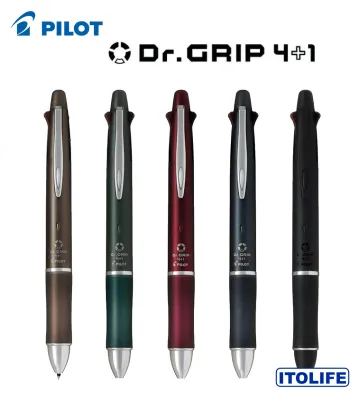
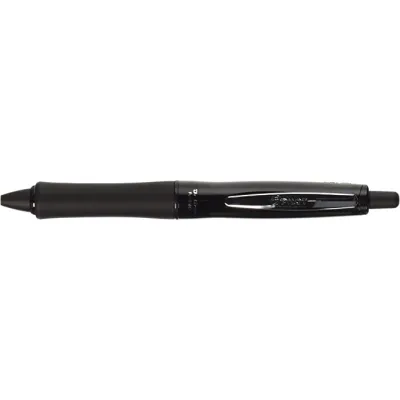
Prices are valid at publication and may change. Please refer to the product page for the latest price.
Another critical engineering element is the optimized center of gravity. Many Dr. Grip models are designed with a concentrated weight distribution closer to the writing tip. By shifting the balance point downward, the pen naturally falls forward into the paper, reducing the amount of downward muscular force your hand must apply to maintain consistent contact. This low center of gravity works in tandem with the wide grip to create a more relaxed writing posture, allowing the weight of the pen itself to do a portion of the work.
However, these ergonomic benefits are highly subjective and depend heavily on individual physical traits. Your hand size, natural grip style, and the angle at which you hold the pen all influence how these design features perform. For instance, a writer with smaller hands might find a very wide grip forces their fingers to overextend, while someone who holds their pen at a steep, vertical angle may not fully benefit from a forward-shifted center of gravity. Recognizing these personal variables is the first step in finding a model that truly supports your writing endurance.
Key Selection Criteria for Extended Writing Tasks
When preparing for demanding writing tasks like essay exams or comprehensive note-taking, selecting a pen requires a systematic evaluation of your physical preferences and workflow. The first criterion to assess is your hand size in relation to the grip diameter. A grip that is too wide can strain the small muscles in your hand over time, while a grip that is too narrow will cause you to clench your fingers tightly to maintain control. You should look for a diameter that allows your fingers to rest in a natural, slightly curved position without requiring active muscular effort to hold the barrel.

The writing mechanism itself is another crucial decision point. Mechanical pencils are highly suited for tasks involving mathematics, drafting, or temporary notes where erasability is essential. Conversely, gel or ballpoint pens are generally preferred for continuous, rapid text generation because they glide across the paper with less friction. Your choice here directly impacts the tactile feedback you receive and the amount of physical pressure required to produce a legible line on the page.
Weight and balance preferences also vary significantly among writers. Some individuals prefer a heavier, metal-accented barrel that provides a sense of stability and guides the hand along the page with minimal guidance. Others perform better with an ultra-lightweight, plastic-bodied option that allows for rapid, agile movements across the paper without adding unnecessary mass to the hand. Understanding whether you prefer a pen that feels substantial or one that feels almost weightless is key to preventing early onset fatigue.
Finally, consider your specific task-specific needs, such as color-coding. If your study or work routine relies on complex, multi-color note-taking systems, a single-ink pen will force you to constantly switch instruments, disrupting your writing flow. In such cases, a multi-function model that houses several ink colors and a mechanical pencil in one body may be highly beneficial, provided you are comfortable with the slightly larger barrel dimensions required to house these mechanisms.
Comparing Common Dr. Grip Design Variations
The Dr. Grip family has evolved over decades into several distinct engineering branches, each tailored to address specific writing habits and physical preferences. Rather than offering a one-size-fits-all solution, the lineup spans variations in weight distribution, multi-function capability, and consumable types to accommodate diverse user profiles.
Center of Gravity and Weight-Balanced Models
Models engineered specifically for optimized weight distribution focus on reducing wrist strain by lowering the pen’s center of gravity. By placing heavier internal components closer to the tip, these designs minimize the leverage effect that can make a pen feel top-heavy. When a pen is top-heavy, your hand must constantly exert subtle muscular corrections to keep the tip aligned, which quickly accumulates into wrist and forearm fatigue during long writing sessions.
The primary trade-off with these weight-balanced models is their overall mass. To achieve a distinct shift in the center of gravity, these pens often incorporate slightly heavier materials in the lower barrel. While this weight helps stabilize the pen for writers who prefer a solid feel, it can cause fatigue for those who naturally favor ultra-lightweight writing instruments. If you prefer a quick, airy writing style, a heavily balanced pen might feel like it is dragging against your hand.
To verify if a weight-balanced model suits your style during an in-store trial, pay close attention to how the pen rests in the web of your hand. Let your grip relax slightly and observe if the pen tip naturally wants to point downward toward the paper. If you feel a constant pull backward or if you have to squeeze the grip tightly to keep the tip from lifting, the balance point may not align with your natural writing angle.
4+1 Multifunction and Multi-Color Variants
For writers who need to switch rapidly between different colors or transition from writing to sketching, the Dr. Grip 4+1 and other multi-color variants offer exceptional utility. These models consolidate four distinct ink colors—typically black, blue, red, and green—alongside a mechanical pencil within a single ergonomic barrel. This design eliminates the need to carry multiple pens and allows you to color-code notes, annotate texts, or draw diagrams seamlessly.
However, accommodating multiple internal refills and selector mechanisms requires a physical compromise. These multi-function models feature a noticeably thicker and sometimes heavier body than their single-ink counterparts. The internal mechanical complexity can also slightly alter the pen’s balance, making it feel different from a dedicated single-function model. For some writers, the added thickness can lead to hand strain if used continuously for hours without breaks.
The ideal user profile for these multi-function variants is a student or professional who prioritizes organization and speed over pure, lightweight simplicity. If your writing sessions involve frequent transitions between color-coded sections, the convenience of a multi-function barrel often outweighs the slight increase in thickness and weight, making it a highly practical tool for structured study sessions.
Mechanical Pencil vs. Gel and Ballpoint Ink Options
Choosing between dry lead and liquid or gel ink options is a critical step that dictates the tactile feedback of your writing experience. Mechanical pencil variants of the Dr. Grip provide excellent feedback and are highly adjustable; you can choose different lead hardness grades, such as 2B for a darker, softer line or HB for a crisper, cleaner mark. The physical feedback of lead on paper provides a high level of control, though it does require slightly more downward pressure than liquid ink.
Gel ink options offer an incredibly smooth writing experience, as the water-based ink flows effortlessly onto the page with minimal friction. This smoothness is highly beneficial for reducing hand fatigue, but it comes with a trade-off: gel ink dries slower and is more prone to feathering or bleeding, especially on lower-grade paper or in highly humid environments. Ballpoint variants, utilizing oil-based ink, offer exceptional reliability and water resistance, making them highly dependable for official documents, though they may require slightly more writing pressure than gel pens.
Before making a final choice, always check the manufacturer specifications on the packaging for exact lead hardness grades or ink viscosity types. Matching the right consumable to your typical paper stock is essential, as even the most ergonomic pen will feel uncomfortable if the ink skips or the pencil lead constantly snaps under your natural writing pressure.
Practical Steps to Test Grip Comfort and Balance
To ensure a Dr. Grip model truly fits your hand, it is essential to conduct a structured trial rather than relying on quick scribbles or marketing descriptions. When testing a pen in a stationery store, avoid simply writing your signature or a few random words. Instead, write several continuous paragraphs of text to simulate the actual physical demands of an exam or a long note-taking session. This extended movement allows your hand muscles to settle into their natural writing posture, revealing any potential discomfort.
During this trial, pay close attention to how your fingers interact with the silicone grip. Observe if your fingers begin to slide down the barrel, which is a common issue in warm, humid conditions. Check for any deep finger indentations or localized pressure points on your skin after ten to fifteen minutes of continuous writing. A grip that feels comfortable for thirty seconds may begin to pinch or cause discomfort once your hand muscles tire and your grip pressure naturally increases.
You can also test the pen’s natural balance point by resting it lightly across your extended index finger. Ideally, the balance point should lie slightly forward of the middle of the pen, closer to the tip. This forward balance helps the pen fall naturally toward the paper, reducing the effort required to keep the tip in contact with the page. If the pen tilts heavily toward the rear, your hand will have to work harder to keep it steady.
Ultimately, remember that terms like “smoothness” and “comfort” represent highly subjective physical responses. A pen that receives glowing reviews from others may not align with your specific hand anatomy or writing angle. Rely on your own physical feedback during a structured trial to make the final determination, ensuring the model you choose supports your personal writing endurance.
Checking Refill Compatibility and Long-Term Maintenance
A high-quality ergonomic pen is an investment, and keeping it performing optimally over time requires verifying refill compatibility and performing basic maintenance. Before purchasing a specific Dr. Grip model, locate the exact refill model numbers printed on the pen barrel or the original packaging. Using the correct manufacturer-specified refill is crucial, as third-party alternatives may not fit precisely within the barrel, leading to tip wobble or ink leakage that can ruin your writing experience.
It is also wise to check local stationery stores or trusted online marketplaces to ensure these proprietary refills are readily available and fit within your ongoing budget. In the Philippines, the cost of specialized refills can vary, with typical prices ranging from ₱50 to ₱150 depending on the ink type and retail source. Ensuring a steady, affordable supply of refills prevents your ergonomic pen from becoming a useless shell once the initial ink runs out.
Proper maintenance will also extend the lifespan of your pen and preserve its ergonomic qualities. The silicone grip can accumulate natural hand oils, sweat, and dust over time, which can make it feel slippery or sticky. Periodically clean the grip by wiping it gently with a damp cloth and mild soap, ensuring it is completely dry before use. Additionally, store gel ink pens horizontally when not in use to prevent the ink from settling unevenly or drying out at the tip.
Finally, avoid forcing incompatible third-party refills into the barrel. The internal dimensions of Dr. Grip pens are precisely engineered to match their specific refills, and forcing a non-compatible cartridge can damage the internal spring or selector mechanism. Furthermore, a different refill weight can alter the pen’s carefully engineered center of gravity, neutralizing the ergonomic benefits you sought in the first place.
Frequently Asked Questions (FAQ)
Is the Dr. Grip suitable for people with arthritis or hand cramps?
While the wide, cushioned grip of the Dr. Grip series is designed to reduce the gripping pressure required to write, it is important to understand that these pens are ergonomic stationery tools rather than certified medical devices. For many users, the wider diameter successfully minimizes hand cramps by preventing tight finger pinching. However, if you suffer from diagnosed joint conditions or persistent hand pain, you should consult a healthcare professional or an occupational therapist for personalized advice. It is also worth noting that an excessively wide barrel can sometimes strain smaller joints if it forces your fingers to overextend, so careful personal testing is always recommended.
Can I use standard refills in a Dr. Grip pen?
Generally, Dr. Grip pens require specific, designated refills to maintain their precise internal fit and engineered weight balance. Standard, generic refills often differ in length, diameter, or tip shape, which can cause the writing tip to wobble or fail to retract properly. To preserve the pen’s performance, always match the exact refill code provided by the manufacturer on the original packaging. Attempting to force an incompatible refill into the barrel can permanently damage the internal spring mechanism or alter the pen’s center of gravity, which directly impacts the ergonomic comfort of the pen during long writing sessions.
Community discussion
Share your experience or ask a question. Comments are reviewed before publication.