
Quick Answer: Where Finenolo Fits in the Market
Finenolo watercolor pencils occupy a distinct entry-level, budget-friendly space in the stationery market. They are designed primarily for students, hobbyists, and casual illustrators who want to explore water-soluble media without a significant financial commitment.
When compared to legacy student-grade brands or high-end professional alternatives, Finenolo offers an accessible entry point. However, its performance in terms of pigment concentration and blending smoothness is highly conditional. It is best evaluated against other budget-tier options rather than premium artist-grade pencils.
Because manufacturing batches can vary, artists should not rely solely on advertised set sizes or promotional claims. The most reliable way to gauge performance is through hands-on testing, specifically by evaluating how the dry pigment reacts to water on different paper types.
Products mentioned in this guide
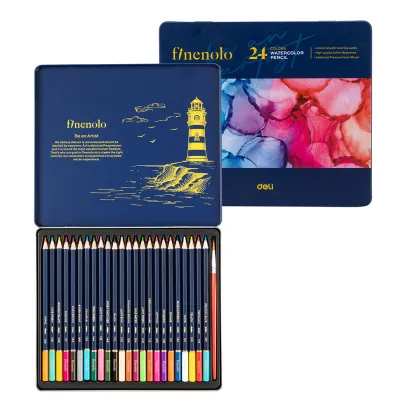
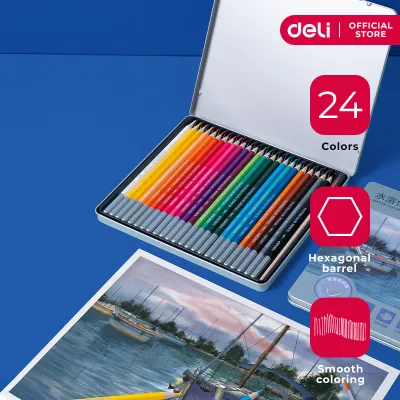
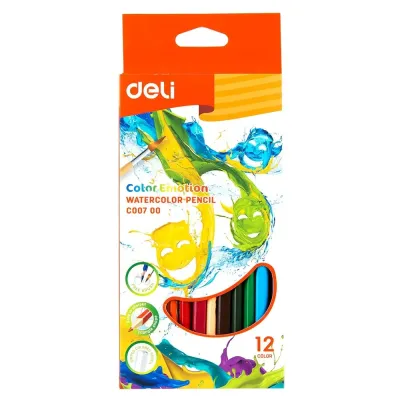
Prices are valid at publication and may change. Please refer to the product page for the latest price.
Comparing Pigment Quality and Blendability
To objectively evaluate the Finenolo watercolor pencil set against competitors, you must look past marketing descriptions and focus on observable physical characteristics. Pigment quality is primarily determined by the ratio of pigment to binder within the pencil core. When testing these pencils, start by observing the dry application on a standard sheet of mixed-media paper.

Dry Opacity and Vibrancy Apply consistent pressure to draw a gradient scale from light to heavy. Note the core smoothness; a high-quality core glides effortlessly without scratching the paper surface. If the pencil feels scratchy or leaves uneven patches of color, it may indicate a higher proportion of filler or binder relative to actual pigment.
Water Activation and Dissolving Capability The defining feature of any watercolor pencil is how it behaves when introduced to water. Apply a clean, damp brush to your dry swatches. Observe whether the pencil lines dissolve completely into a smooth wash or if they remain visible beneath the water layer. Lower-tier pencils often use cheaper binders that leave a stubborn, waxy residue, preventing the pigment from flowing freely.
Layering and Color Muddying A critical test for any watercolor medium is how well it layers. Once your first wet wash has dried completely, apply a second color over it and activate it with water again. High-quality pigments will glaze beautifully, creating a clean, secondary color. If the pigments are of lower quality or contain excessive fillers, the layers will often mix into a muddy, greyish tone, losing their individual vibrancy.
Humidity Resistance In tropical climates like the Philippines, high humidity can soften pencil cores over time. When comparing brands, observe how the cores hold up in humid storage conditions. Softer, poorly bound cores may become mushy or prone to crumbling during sharpening, whereas well-formulated cores maintain their structural integrity.
Evaluating Value for Money and Set Configurations
When shopping for watercolor pencils on local e-commerce platforms, calculating the true value requires looking beyond the initial price tag. A simple way to establish a baseline comparison is by calculating the price-per-pencil ratio. Divide the total cost of the set (in ₱) by the number of pencils included. This helps you compare a 12-piece, 24-piece, or 72-piece Finenolo set directly against similar configurations from competing brands.
Evaluating Included Accessories Many budget-friendly sets include bonus items like water brush pens, plastic sharpeners, or small paper pads. While these accessories add convenience for beginners, they should not be the sole reason for your purchase. Assess whether these items are of usable quality or if they are cheap add-ons that you will need to replace quickly. A set that costs slightly more but includes a durable, leak-proof water brush may offer better overall value than a cheaper set with a stiff, synthetic brush that sheds bristles.
Long-Term Cost of Core Durability A low initial purchase price can be deceptive if the pencil cores break frequently during use or sharpening. If a pencil core is fragile or off-center within its wood casing, you will find yourself sharpening it constantly, rapidly shortening the lifespan of the pencil. Over time, replacing a cheap set that wears down quickly can cost more than investing in a slightly more expensive, structurally sound alternative.
Color Selection Utility Larger sets are appealing, but they are only valuable if you actually use the colors provided. Examine the color spectrum of the Finenolo set. A well-curated 24-color set with distinct, highly usable shades is often more practical than a 72-color set filled with redundant, highly similar pastel tones that lack pigment depth.
Matching Watercolor Pencils to Your Skill Level and Projects
Choosing the right watercolor pencil set depends heavily on your current skill level, artistic goals, and the specific projects you plan to undertake. No single set is ideal for every scenario, and understanding where your needs lie will prevent you from overspending or feeling frustrated by your tools.
When to Choose Budget-Friendly Sets like Finenolo If you are a beginner learning the basics of color mixing, a student working on school projects, or a hobbyist keeping a casual art journal, a budget-friendly set like Finenolo is highly appropriate. These sets allow you to practice techniques, experiment with water control, and produce vibrant sketches without worrying about wasting expensive materials. They are also excellent for high-volume practice where quantity of output is more important than archival longevity.
When to Invest in Premium Artist-Grade Brands For professional illustrators, commission artists, or anyone creating artwork intended for display or sale, premium artist-grade brands are necessary. These high-end options offer verified lightfastness ratings, ensuring that your artwork will not fade or discolor when exposed to light over time. They also feature higher pigment concentrations, allowing for richer washes and more predictable blending on professional-grade cotton papers.
The Mixed-Media Hybrid Approach Many experienced artists use a hybrid strategy to balance cost and performance. You can use a budget-friendly set like Finenolo to lay down broad, colorful base washes over large areas of your paper. Once those initial layers are dry, you can use a few select, high-pigment premium pencils to add fine details, sharp lines, and deep shadows. This approach extends the life of your expensive pencils while still achieving a professional finish.
What to Verify Before Purchasing Online
Purchasing art supplies online requires a careful, systematic approach to ensure you receive genuine products that match your expectations. Because you cannot physically test the pencils before buying, you must rely on specific digital verification steps.
Seller Verification and Ratings When browsing local e-commerce platforms, prioritize official brand stores or highly rated stationery distributors. Check the seller’s overall rating and the volume of successful transactions. Be cautious of listings with unusually low prices or generic store names, as these can sometimes indicate counterfeit goods or old, poorly stored stock that may have suffered humidity damage.
Analyzing Product Specifications Read the product description carefully to verify the exact specifications of the set. Look for details regarding the core diameter (thicker cores generally last longer and are less prone to breaking) and the wood casing material (such as basswood, which sharpens smoothly). Ensure the listing clearly states the exact color count and whether the set is packaged in a cardboard box, a tin case, or a canvas roll.
Inspecting Buyer Reviews and Photos The review section is one of your most valuable tools. Look for recent reviews from buyers who have uploaded photos or videos of the actual product. Pay close attention to images showing the pencils after they have been sharpened or swatched. This will give you a realistic view of the color vibrancy, packaging integrity during shipping, and whether other buyers experienced issues with broken cores upon arrival.
Final Decision Framework
To make your final decision, weigh your budget, skill level, and project requirements against the following criteria:
Opt for the Finenolo Watercolor Pencil Set if:
- You are working within a strict budget and want the maximum number of colors for your money.
- You are a beginner, student, or hobbyist practicing basic watercolor pencil techniques.
- Your projects are primarily for personal sketchbooks, journals, or non-archival schoolwork.
Opt for Established Premium Alternatives if:
- You require verified lightfastness and archival quality for professional illustrations or gallery displays.
- You need seamless, highly predictable blending for complex, multi-layered artwork.
- You frequently work on heavy, professional-grade cotton watercolor papers that demand high pigment concentrations.
If you are still uncertain: Start with a smaller, highly affordable Finenolo set to test the core texture and water solubility on your preferred paper. This low-risk trial will help you determine if the brand fits your personal drawing style before committing to a larger set or more expensive alternatives.
Frequently Asked Questions (FAQ)
Can I use Finenolo watercolor pencils for professional artwork?
While you can use Finenolo watercolor pencils for practice, sketching, and drafting professional layouts, they are generally not recommended for finished, professional-grade artwork intended for sale or exhibition. Professional pieces require archival-quality materials with certified lightfastness ratings to ensure the colors do not fade over time when exposed to light. Because budget-friendly sets typically do not provide these guarantees, they are best kept for personal sketchbooks, digital scanning workflows, or non-archival projects.
Do watercolor pencils work on regular printer paper?
Watercolor pencils do not perform well on regular printer paper. Printer paper is typically very thin (around 70 to 80 GSM) and lacks the sizing required to handle moisture. When you apply water to activate the pencil marks, the paper will quickly buckle, warp, and potentially tear or pill. For the best results, use paper specifically designed for wet media, such as mixed-media paper (at least 200 GSM) or dedicated watercolor paper (300 GSM), which can absorb water without losing its structural integrity.
Community discussion
Share your experience or ask a question. Comments are reviewed before publication.