
The primary difference in drawing experience between Finenolo wax-based and oil-based colored pencils lies in how their binders interact with paper fibers, directly affecting color laydown, blending capability, and layering limits. Wax-based colored pencils offer a soft, creamy application that fills the paper’s texture quickly, making them excellent for rich, opaque coverage and heavy burnishing. In contrast, oil-based colored pencils feature a harder core that glides smoothly across the page, allowing for precise detail work, multiple light layers without wax buildup, and seamless dry blending. Choosing between them depends on your artistic style, the paper texture you prefer, and how you plan to build up your colors.
Understanding these material differences is key to selecting the right tool for your creative projects. While both types of pencils contain high-quality pigments, the medium that holds those pigments determines how the pencil behaves under pressure, how it responds to sharpening, and how the finished artwork holds up over time. By evaluating these physical characteristics, you can match the pencil type to your specific drawing techniques.
Understanding the Binder: Wax vs. Oil Basics
At the core of every colored pencil is a mixture of pigment, filler, and a binding agent. The binder is the ingredient that holds the pigment together in a solid stick and allows it to transfer smoothly onto your drawing surface. In wax-based pencils, the binder consists primarily of paraffin or beeswax. This composition results in a softer core that melts slightly under the friction of drawing, releasing a generous amount of pigment with minimal pressure.
Products mentioned in this guide
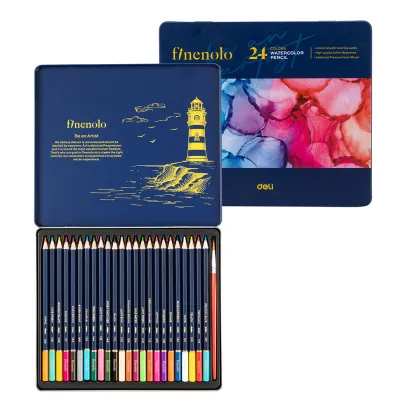
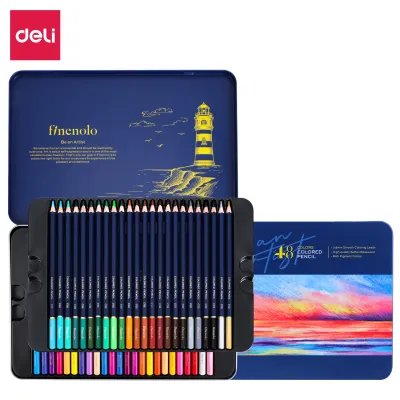
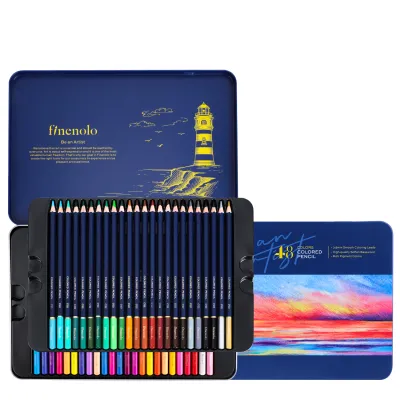
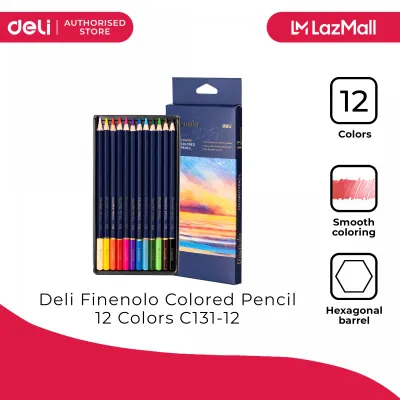
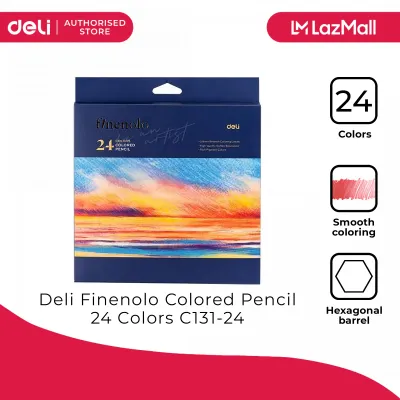
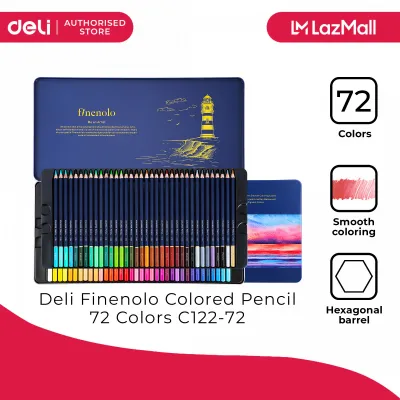
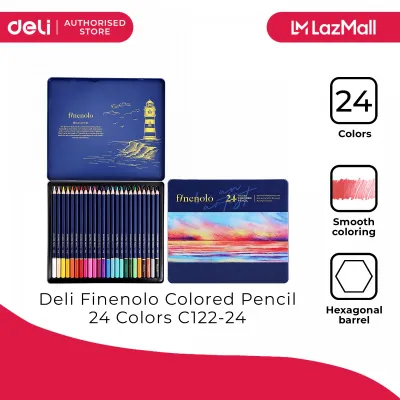
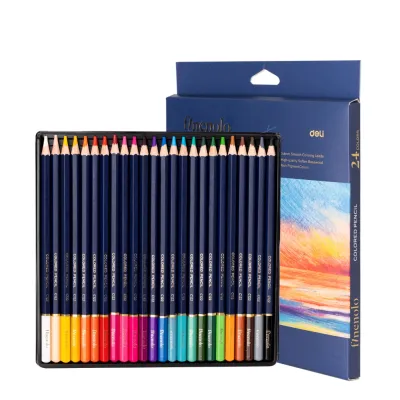
Prices are valid at publication and may change. Please refer to the product page for the latest price.
Oil-based pencils utilize a vegetable-based or synthetic oil binder, often combined with a small amount of wax to maintain structural integrity. This formulation creates a significantly harder core. The physical hardness of the oil binder means the pencil resists breaking under heavy hand pressure and holds a sharp point much longer than its wax counterpart. For artists who draw intricate patterns, fine hair, or sharp outlines, this durability is a major practical advantage.
Sharpening requirements differ greatly between the two types due to these core strengths. Wax cores are prone to crumbling or snapping if sharpened with a dull blade or an aggressive electric sharpener, especially in warm, tropical climates where ambient heat softens the wax. Oil cores are much more resilient to the physical stress of sharpening, though both benefit from a high-quality, sharp manual sharpener. To understand the exact composition of your specific art supplies, always check the manufacturer’s specifications on the packaging for binder ratios, core diameters, and hardness grades.
Color Laydown, Blending, and Paper Feel
When you put pencil to paper, the physical sensation of drawing is immediately distinct. Wax-based pencils have a noticeable “drag” or friction. As you glide the pencil across the page, the soft core deposits a thick, buttery layer of color that fills the valleys of the paper quickly. This high friction makes it easy to achieve deep, saturated colors with fewer strokes, but it can feel somewhat heavy or resistant if you prefer a light, airy drawing style.

Oil-based pencils offer a much smoother, almost effortless glide. Because the core is harder, it deposits a thinner, more transparent layer of pigment with each pass. This allows you to build up color value gradually, giving you immense control over subtle shifts in tone. The lack of friction makes long drawing sessions more comfortable for artists who prefer a delicate touch.
Blending techniques also vary based on these binder properties. Wax pencils excel at burnishing, a technique where you apply heavy pressure or use a colorless blender pencil to smash the wax layers together, creating a solid, paint-like finish. Oil pencils are better suited for dry blending, where you layer different hues lightly to let the eye mix the colors, or solvent-based blending. Because oil dissolves in mineral spirits or specialized blending alcohol, you can easily wash over your oil pencil strokes with a brush to create smooth, watercolor-like gradients.
To evaluate these characteristics yourself, perform a few simple tests on a scrap piece of your preferred drawing paper. Draw a single gradient strip starting with very light pressure and ending with heavy pressure to observe how quickly the color becomes opaque. Next, draw two overlapping blocks of different colors and try blending them first with dry friction, then with a paper stump, and finally with a mild solvent. Note how much hand pressure is required and how the pencil tip responds to the texture of the paper.
Layering Limits and Paper Compatibility
Layering is a fundamental technique in colored pencil art, but the binder type sets strict physical limits on how many layers your paper can hold. With wax-based pencils, applying multiple heavy layers eventually leads to a phenomenon known as wax bloom. This occurs when the excess wax binder migrates to the surface of the drawing, creating a cloudy, white, or greyish haze that dulls the vibrancy of your colors. Once a paper surface is saturated with wax, it becomes slick, preventing any additional pigment from adhering.
Oil-based pencils do not suffer from wax bloom. Because the oil binder is applied in thin, hard layers, you can build up dozens of consecutive layers without the surface becoming greasy or cloudy. This makes oil pencils the preferred choice for complex color mixing, where you might layer yellow, blue, green, and grey to achieve a highly specific, realistic shadow tone.
Paper selection is critical to managing these layering limits. The texture, or “tooth,” of the paper acts like tiny teeth that scrape the pigment off the pencil core. Wax pencils require a paper with a moderate to heavy tooth to grip the soft wax effectively. If the paper is too smooth, the wax will simply slide around without sticking. Oil pencils, however, perform exceptionally well on smoother papers, such as hot-press watercolor paper or heavy bristol board, where their fine tips can lay down precise, even layers without getting lost in deep paper crevices.
Environmental factors, particularly high humidity, can alter how paper interacts with both binders. Paper fibers absorb moisture from the air, which can cause soft wax to smudge more easily or prevent oil pigments from adhering evenly. Always check the pencil manufacturer’s paper weight recommendations and run a quick test on a small scrap of your chosen paper to ensure the colors do not turn muddy or saturate the surface prematurely.
Decision Framework: Choosing Your Finenolo Color Pencil
To decide which Finenolo colored pencil type best suits your creative workflow, consider your artistic style, preferred techniques, and project requirements.
Choose Wax-Based Pencils if:
- You prefer bold, high-contrast artwork with vibrant, solid blocks of color.
- Your drawing style relies heavily on burnishing to create smooth, polished, paint-like surfaces.
- You enjoy working on medium-to-rough textured papers that can grip a lot of pigment.
- You prefer a soft, buttery drawing feel and want to fill large areas of the page quickly.
Choose Oil-Based Pencils if:
- Your work involves highly detailed subjects, such as botanical illustrations, portraits, or fine architectural drawings.
- You want to build up complex, multi-layered color mixtures without worrying about wax bloom.
- You prefer a harder pencil point that holds its shape during long drawing sessions.
- You enjoy using solvents to blend your colored pencil work into smooth, painterly gradients.
Before committing to a major project, verify the compatibility of your chosen pencils with any other mediums you plan to use. If you are working on a mixed-media piece, check how the pencils interact with water-based paints, inks, erasers, or fixatives by reading the product labels and conducting a quick trial on a separate sheet of paper. This ensures your finished artwork remains stable, vibrant, and free from unexpected smudging or lifting.
Frequently Asked Questions (FAQ)
How do I fix wax bloom on my finished drawing?
Wax bloom appears as a cloudy, white, or semi-translucent haze over heavily layered areas of a wax-based pencil drawing. To safely remove it, take a clean, dry, soft microfiber cloth or a cotton ball and gently wipe the surface of the drawing using very light, circular motions. This physical action lifts the excess wax without disturbing the pigment bound to the paper fibers. To prevent the bloom from returning, spray the finished artwork with a light coat of workable or final fixative, strictly following the spray manufacturer’s instructions regarding distance and ventilation.
Can I mix Finenolo wax and oil pencils in the same artwork?
Yes, you can successfully combine both wax and oil colored pencils in a single drawing, but the order of application is critical. The general rule is to apply your oil-based pencils first for the initial layers and fine details, and then apply your wax-based pencils over them. Because wax is softer and stickier, it can easily adhere to the harder, thinner layers left by oil pencils. Attempting to scratch a hard, oil-based pencil over a thick, slick layer of wax will usually result in the pencil slipping, scraping away the underlying color, or failing to deposit any new pigment. Always test your specific layering sequence on a scrap piece of the exact paper you are using before working on your final piece.
Community discussion
Share your experience or ask a question. Comments are reviewed before publication.