
A flex ballpen is a specialized writing instrument designed to provide a cushioned, responsive feel or variable line widths by incorporating a flexible tip or an internal suspension mechanism. Whether you need one depends entirely on your writing style: if you value expressive, calligraphy-like strokes or suffer from hand fatigue during long writing sessions, a flexible pen can transform your experience. However, if your daily routine demands rapid, uniform note-taking on standard office paper, a traditional rigid ballpoint remains the more practical choice.
Understanding the Flex Mechanism in Ballpens
When searching for a “ballpen flex” option, it is essential to understand how these pens deviate from standard writing tools. A traditional ballpoint pen relies on a rigid metal collar holding a tiny rotating ball. In contrast, a flex ballpen introduces a micro-spring suspension or a semi-flexible tip housing that yields slightly under downward pressure. This movement absorbs the impact of your hand strokes, creating a distinct “give” as you write. When selecting a pen, check the tip size (typically ranging from 0.5mm to 0.7mm) and verify if the manufacturer offers proprietary refills, as these specialized mechanisms often require specific cartridge dimensions that are not interchangeable with standard refills.
It is important to distinguish between true line-varying flex and comfort-focused flex. True flex tips allow the ball assembly to retract or the tip collar to expand slightly, altering the contact area and ink delivery to produce thicker lines when you press harder. On the other hand, cushioned or flex-grip designs focus solely on ergonomics. These pens feature rubberized, bendable barrels or spring-loaded tips that absorb shock to prevent finger strain, but they do not change the actual line width on the page.
Products mentioned in this guide
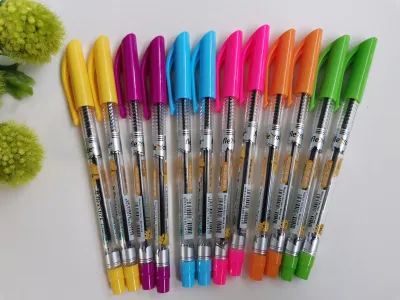
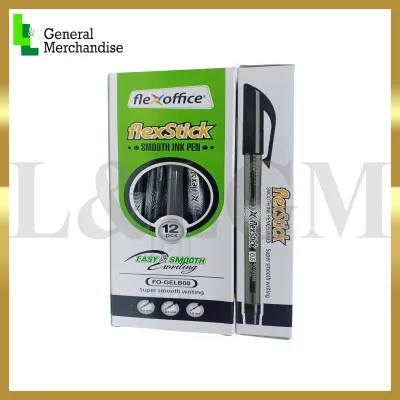
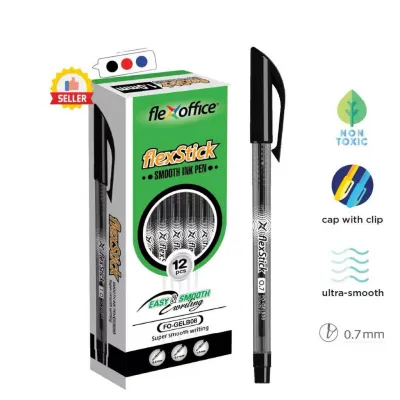
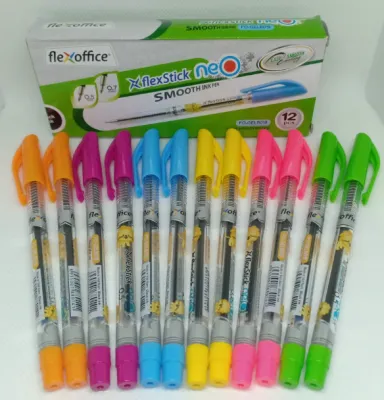
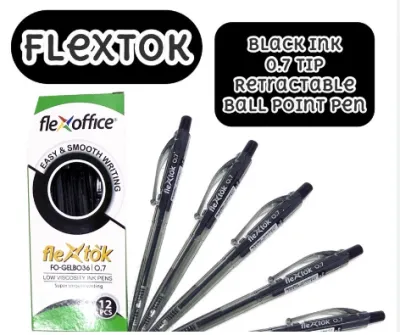
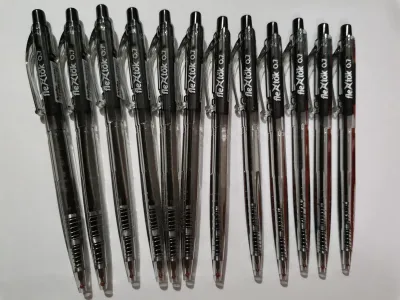
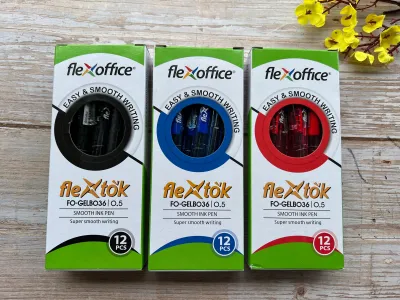
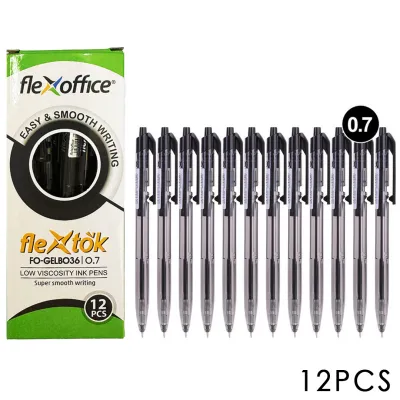
Prices are valid at publication and may change. Please refer to the product page for the latest price.
Ink formulation plays a critical role in how these mechanisms perform. Traditional oil-based ballpoint ink is highly viscous and requires significant drag to transfer to paper, which can cause skipping when paired with a yielding tip. To achieve smooth, uninterrupted lines, most high-performing flex designs utilize low-viscosity gel or hybrid ink formulations. These inks flow instantly upon contact, ensuring that the line remains solid even as the tip flexes and moves across the paper fibers.
How a Flexible Tip Alters Your Writing Feel
Writing with a flexible tip introduces a tactile sensation often described as a “bounce” or “cushion.” Instead of the hard, unyielding feedback of metal against paper, you feel a soft resistance that mimics writing on a stack of soft sheets. This cushioning effect dampens the vibrations transmitted up the pen shaft, which can make long writing sessions feel significantly smoother.

However, this responsiveness requires a refined sense of pressure control. Because the tip yields to your hand, applying too much force can cause the line to widen unexpectedly or, worse, splay the delicate housing around the ball. You must learn to modulate your downward pressure, applying light strokes for thin upward lines and gradual pressure for thicker downward strokes.
This creates a noticeable learning curve for anyone accustomed to standard rigid ballpens. Many writers naturally develop a heavy grip to force ink out of cheap pens. Transitioning to a flexible system requires conscious effort to loosen your grip and let the ink flow naturally. If you do not adjust, you may find your writing looks shaky or inconsistent as the pen reacts to every minor fluctuation in your hand pressure.
Self-Assessment: Does a Flex Ballpen Match Your Needs?
To determine if this specialty pen belongs in your pencil case, evaluate your daily writing habits and aesthetic goals.
Positive signals: You enjoy personalizing your journal entries, practicing modern calligraphy, or writing letters where line variation adds character. If you frequently experience cramping or fatigue during long writing sessions, the shock-absorbing nature of a cushioned tip can provide welcome relief.
Negative signals: If your primary task is rapid-fire note-taking during meetings or lectures, the variable line width can make your handwriting look messy and difficult to read. Heavy-handed writers who tend to press down hard on the page may permanently bend or damage the delicate flex mechanism, leading to ink leaks or scratchy performance.
| Writing Task / Habit | Standard Rigid Ballpen | Flex Ballpen |
|---|---|---|
| Rapid Note-Taking | Excellent; maintains uniform, highly legible lines at high speeds. | Poor; pressure variations cause inconsistent line widths and slower speeds. |
| Journaling & Lettering | Functional but plain; lacks visual character and line variation. | Excellent; allows for expressive, elegant strokes and personalized style. |
| Paper Compatibility | Highly versatile; works well on cheap, thin, or absorbent paper. | Demanding; requires smooth, bleed-resistant paper to prevent ink feathering. |
| Hand Fatigue | Higher; rigid feedback can strain fingers during long sessions. | Lower; cushioned mechanism absorbs shock and reduces writing pressure. |
Before purchasing, observe your current pen grip. Take a standard pen and write a few sentences on a single sheet of paper resting on a hard desk. Run your fingers over the back of the page. If you can feel deep, embossed ridges where the pen pressed through, you are a heavy-handed writer. You will need to consciously lighten your touch before a flexible pen can work effectively for you. Additionally, because smoothness, bleed resistance, and drying speed depend entirely on the exact combination of your chosen ink and paper material, always perform a quick trial on an inconspicuous corner of your notebook. Observe how long the ink takes to set and check the reverse side of the page for any signs of bleeding or ghosting before starting a major writing project.
Practical Alternatives If a Flex Pen Isn't for You
If you decide that a flexible ballpen is too finicky for your daily routine, several practical alternatives can bridge the gap. For those who want a smooth, low-fatigue writing experience without the instability of a flexible tip, standard gel or hybrid ink ballpens are an excellent choice. These pens use advanced, free-flowing inks that glide effortlessly across the page, reducing the need for heavy downward pressure while maintaining a perfectly consistent line width.
If your goal is dramatic, artistic line variation for calligraphy or sketching, a flex ballpen might actually feel too restrictive. In this case, consider transitioning to a dedicated brush pen or a flexible-nib fountain pen. These tools offer a much wider range of line thicknesses and are designed specifically to handle the extreme pressure changes required for formal lettering.
Regardless of which direction you choose, it is highly recommended to test writing instruments in person before committing to a full set. Visit a local stationery shop in your area to feel the weight and balance of different models. If you are buying online through an ecommerce platform, spending ₱50 to ₱150 on a single test pen is highly recommended. This allows you to verify how the ink reacts to your preferred paper and whether the grip comfort suits your hand before investing in bulk packs.
Frequently Asked Questions (FAQ)
Can I use a flex ballpen for everyday school or office notes?
While you can use a flex ballpen for daily notes, it is generally not the most efficient tool for high-speed writing. Under time pressure, maintaining the precise control needed to keep your handwriting legible becomes difficult, often resulting in uneven, messy letters. Additionally, the hybrid or gel inks used in these pens flow more generously than traditional oil-based inks. In tropical climates with high humidity, such as the Philippines, this extra ink can take longer to dry on standard school notebook paper, increasing the risk of smudging as you turn the page or run your hand across your notes.
Will pressing harder damage the flexible tip?
Yes, exceeding the designed pressure threshold of a flexible tip can cause permanent damage. Unlike steel fountain pen nibs, which can spring back from moderate flexing, the tiny ball and socket mechanism at the tip of a ballpen is highly sensitive. Excessive force can splay the metal collar holding the ball, leading to permanent ink blobbing, scratching, or a complete failure of the ink flow. If you notice the pen scratching the paper fibers, or if you see large pools of ink gathering around the tip, these are clear observable signs that you are pressing too hard and need to immediately lighten your grip pressure.
Community discussion
Share your experience or ask a question. Comments are reviewed before publication.