
Choosing between a student-focused and a field-ready foldable clipboard depends on your primary writing environment. Students need lightweight, highly portable designs that fit easily into backpacks and save space on cramped lecture hall armchairs. Field workers, such as surveyors, engineers, or logistics personnel, require rigid, weather-resistant materials that provide a stable writing surface when standing, along with secure hinges that withstand constant outdoor movement.
In the Philippines, daily commutes often involve navigating crowded transit systems like jeepneys, buses, or trains. For students, carrying bulky, rigid boards is highly impractical. A foldable clipboard solves this by collapsing to fit inside standard backpacks or tote bags. For field workers, the challenges are different. They often work under the sun or in sudden downpours, requiring materials that do not warp, rust, or degrade when exposed to moisture and sweat.
Core Differences in Daily Use Scenarios
The daily routine of a student in the Philippines demands high mobility. Classrooms, especially in older university buildings, often feature compact tablet chairs with limited armrest space. A standard, full-sized clipboard can be awkward to balance alongside a tablet, smartphone, or textbook. Students frequently transition between lecture halls, libraries, and study cafes, requiring a writing support tool that can be packed away in seconds. The primary goal for a student is to protect their loose-leaf notes, worksheets, and exam papers from getting crumpled inside a stuffed backpack during a hectic commute.
Products mentioned in this guide
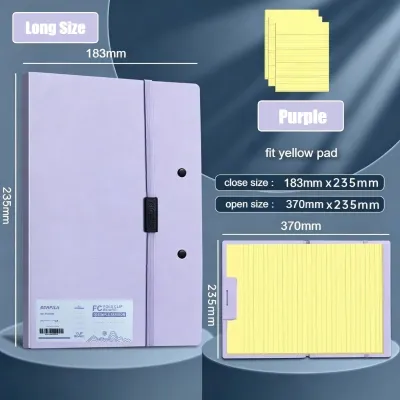
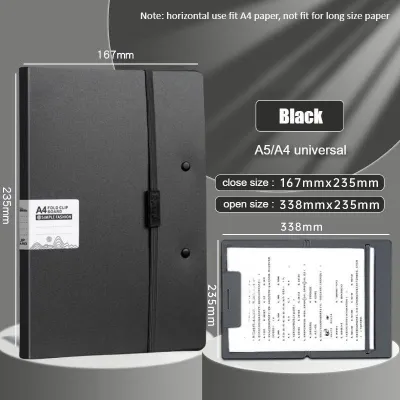
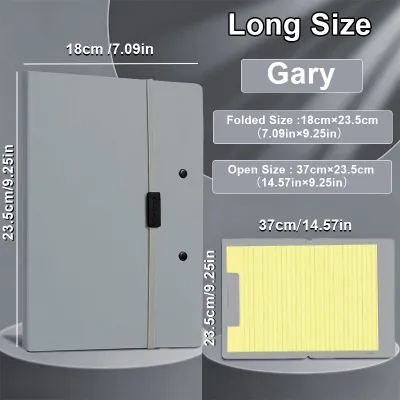
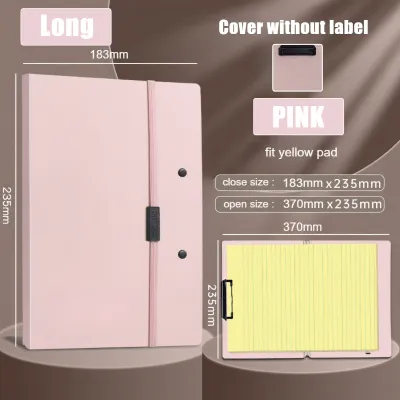
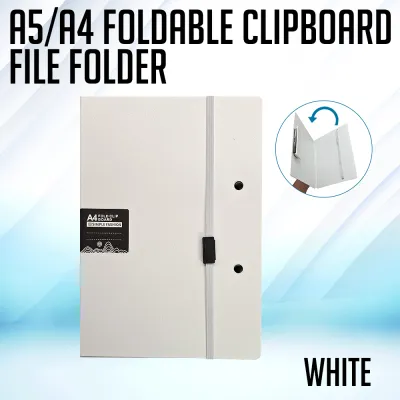
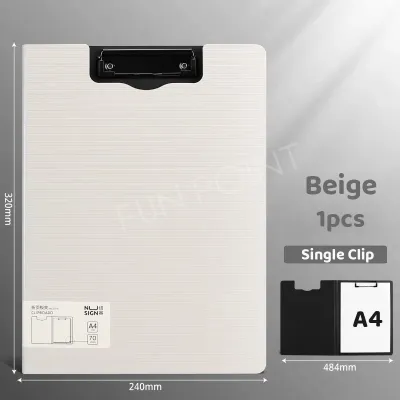
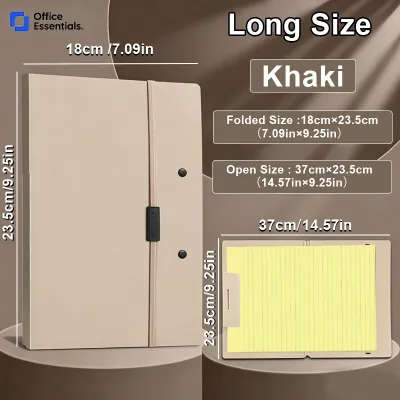
Prices are valid at publication and may change. Please refer to the product page for the latest price.
Field workers operate in a completely different environment where desks are non-existent. Whether conducting site inspections, managing warehouse inventory, or recording agricultural data in rural areas, these professionals must write legibly while standing or walking. The clipboard serves as their primary workstation. It must withstand rough handling, accidental drops, and exposure to tropical weather elements like high humidity and sudden rain showers. One-handed operation is also critical, as field workers often need their other hand free to hold measuring tools, flashlights, or mobile devices.
Some users find themselves in hybrid roles that bridge these two environments. Medical interns, nursing students, and clinical researchers, for example, spend their days moving between hospital wards and lecture rooms. They require the sterile, easily sanitizable properties of a professional field clipboard, combined with the compact, pocket-friendly dimensions preferred by students. Identifying where your daily routine falls on this spectrum is the first step in selecting the right tool.
Key Features to Evaluate for Your Specific Needs
When evaluating a foldable clipboard, the folding mechanism and its folded dimensions are paramount. Bi-fold designs fold once down the middle, reducing the width of the board by half. This is highly convenient for fitting into standard backpacks, messenger bags, or tote bags. Tri-fold designs fold into three sections, reducing the overall footprint even further, often down to the size of a small notebook or a large pocket. If you plan to carry the clipboard in a lab coat pocket or a cargo pants pocket, a tri-fold model is generally the more compatible choice.

Material selection involves balancing weight, rigidity, and environmental resistance. Polypropylene plastic is highly popular because it is lightweight, affordable, and completely waterproof. However, thin plastic can flex under heavy writing pressure and may warp if left inside a hot vehicle. Aluminum offers exceptional rigidity and a perfectly flat writing surface, making it the preferred choice for outdoor field work. While aluminum is incredibly durable and rust-resistant, it adds noticeable weight to your bag and can become uncomfortably hot when exposed to direct sunlight for extended periods. Synthetic leather, such as polyurethane, offers a professional aesthetic and a slightly cushioned writing surface, but low-grade synthetic materials can peel or become sticky when exposed to the high humidity levels common in the Philippines.
The clip mechanism must be robust enough to secure your documents without damaging them. Look for low-profile clips that lie relatively flat against the board, as these are less likely to snag on other items inside your bag. The spring tension should be strong enough to hold your papers securely in windy outdoor conditions, but not so stiff that it tears the paper during removal. Some clips feature rubberized corners or plastic protective covers that grip the paper firmly while preventing the metal edges from leaving deep creases or tears on your documents.
Interior storage features add utility but also increase the overall thickness of the clipboard. Some foldable clipboards include built-in pockets, card slots, or pen loops on the inside cover. For students, a simple pen loop is often sufficient to keep a favorite writing instrument handy. For field workers, internal pockets are highly beneficial for storing extra blank forms, business cards, or reference sheets, keeping them clean, dry, and separated from the active writing surface.
Scenario-Based Selection Checklist
To make an informed decision, students should prioritize features that enhance convenience and portability. A lightweight plastic or synthetic leather bi-fold clipboard is usually the most practical option. Look for models that feature a secure closure mechanism, such as an elastic band or a magnetic flap, to keep the clipboard firmly closed when stored in a bag. This prevents loose papers from sliding out and getting damaged. Additionally, ensure the writing surface is smooth and free of prominent seams or hinges that could cause your pen tip to puncture the paper while writing.
Field workers should focus on durability and structural integrity. An aluminum or heavy-duty reinforced plastic clipboard is ideal for providing a stable writing platform when standing. Look for robust metal hinges with secure pins rather than simple plastic living hinges, as mechanical hinges offer greater longevity under heavy daily use. If your work involves outdoor exposure, prioritize weather-resistant materials that can be easily wiped dry and sanitized. A clipboard with a built-in cover or a storage compartment is also highly recommended to protect active documents from wind, dust, and light rain.
Before finalizing your purchase, perform a few simple verification steps. If shopping in a physical store, open and close the clipboard multiple times to check the smoothness of the hinges. Press down on the center of the opened board to ensure it does not sag or bend easily under writing pressure. Check the alignment of the clip to ensure it closes evenly. If purchasing from an online marketplace, carefully read the product specifications for exact dimensions and weight. Review customer feedback, focusing on comments regarding hinge durability, clip strength, and how well the board holds up to daily wear and tear.
Practical Tips for Using and Maintaining Foldable Clipboards
Proper care and maintenance will significantly extend the lifespan of your foldable clipboard, regardless of the material. Avoid forcing the folding joints beyond their designed angles, as this can crack plastic hinges or bend metal pins. In dusty, sandy, or muddy environments, debris can easily accumulate in the hinge crevices. Regularly clear out these particles using a soft brush or compressed air to prevent friction, which can wear down the joint mechanism over time.
To maintain the clip’s performance, avoid overloading it beyond the manufacturer’s recommended paper capacity. Keeping an excessively thick stack of papers clamped for long periods can cause spring fatigue, reducing the clip’s gripping power. If you work in coastal areas or highly humid regions in the Philippines, keep the metal clip dry to prevent rust. Wipe away sweat, moisture, or rain immediately with a dry cloth, and occasionally apply a tiny drop of multi-purpose oil to the spring mechanism to keep it operating smoothly.
Cleaning methods must be matched to the specific material of your clipboard. For plastic and aluminum models, a simple wipe-down with a damp microfiber cloth and mild soap is sufficient to remove dirt and ink stains. Avoid using harsh chemical solvents or abrasive scrubbing pads, which can scratch the surface. For synthetic leather clipboards, use a dry or slightly damp cloth to clean the exterior. Avoid using alcohol-based sanitizers directly on synthetic leather, as alcohol can dry out the polyurethane coating, leading to premature cracking and peeling.
Frequently Asked Questions (FAQ)
Can I use a standard clipboard cover as a foldable clipboard?
While standard clipboard covers protect documents from dust and light rain, they typically lack the rigid backing and specialized locking hinges required for stable writing on the go. A true foldable clipboard locks or remains flat when opened, providing a solid surface, whereas a simple cover is designed to fold back completely and relies on an external desk for support.
What paper sizes are compatible with most foldable clipboards?
Most foldable clipboards are designed for standard A4 or letter-sized paper, which are the most common formats used in schools and offices in the Philippines. Always check the product specifications to ensure the board’s folded and unfolded dimensions accommodate your specific forms without folding the actual paper in a way that damages important barcodes, signatures, or text.
Community discussion
Share your experience or ask a question. Comments are reviewed before publication.