
To safely wrap polvoron, you must choose materials explicitly labeled for direct food contact that can handle its high fat content and crumbly texture. Since safety depends on manufacturing standards rather than just material names, this guide focuses on how to evaluate common options like paper and films, verify food-grade labels, and apply proper wrapping techniques to maintain freshness.
Polvoron is a beloved toasted flour, milk, sugar, and butter confection. Because it lacks a binding agent like egg or water, it remains highly delicate and prone to collapsing into powder at the slightest pressure. Choosing the right wrapper is not just about presentation; it is a critical step in preserving the structural integrity of each piece while preventing the oils from seeping out and ruining the packaging.
Understanding Polvoron's Packaging Needs
The physical characteristics of polvoron present unique packaging challenges that require careful material selection. First and foremost is its crumbly and fragile structure. Unlike hard candies or chewy caramels, polvoron is compressed powder held together primarily by solidified butter or margarine. This means the wrapper must provide a snug, supportive fit that holds the shape of the piece tightly, preventing it from fracturing during handling, transport, or storage.
Products mentioned in this guide
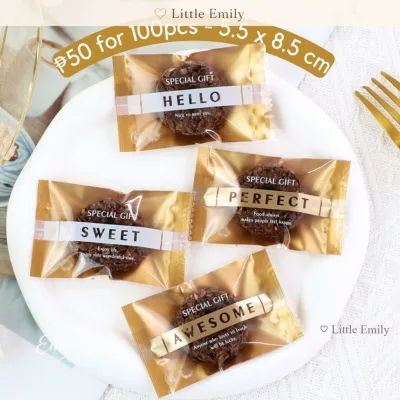
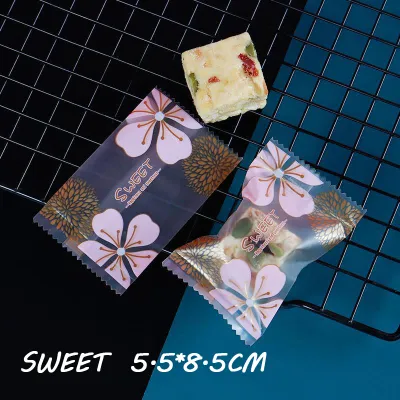
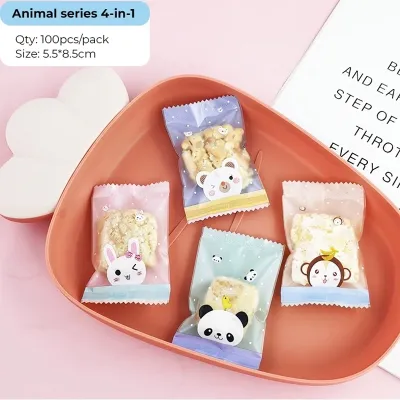
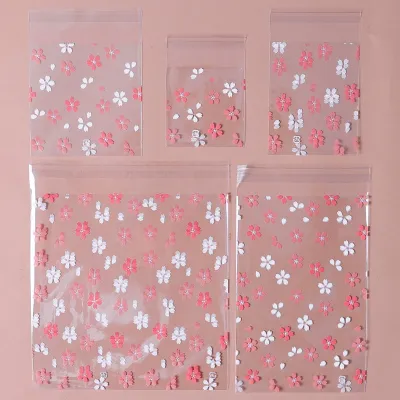
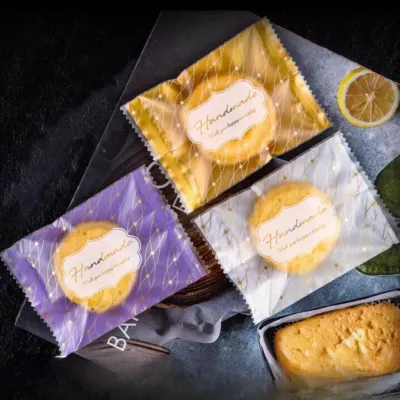
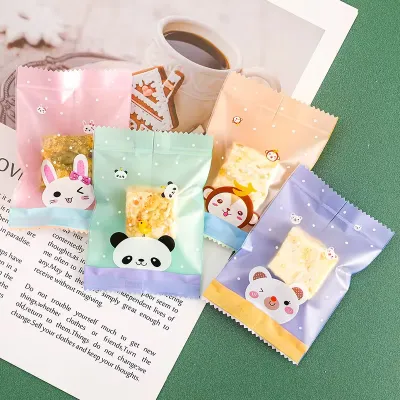
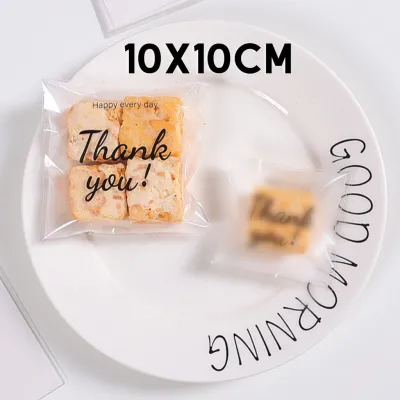
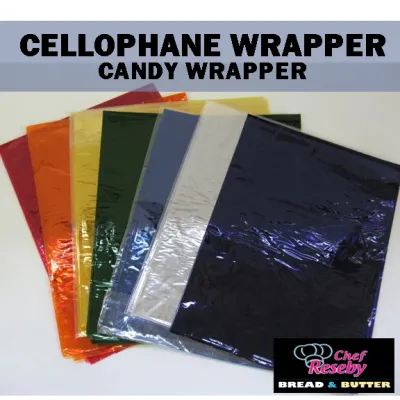
Prices are valid at publication and may change. Please refer to the product page for the latest price.
Another major factor is the high fat and oil content of the confection. Butter or margarine is essential for both flavor and binding, but these fats easily liquefy at room temperature, especially in warm climates. If you use a porous or uncoated wrapping material, the oil will quickly migrate through the fibers. This grease bleed-through not only creates an unappealing, greasy exterior but also weakens the paper, causing it to tear easily.
Finally, polvoron is highly sensitive to moisture and humidity. In tropical environments where humidity levels are consistently high, exposed polvoron quickly absorbs ambient moisture. This absorption ruins the characteristic dry, powdery texture, turning the confection soggy or sticky. Over time, excess moisture trapped inside the packaging can also encourage mold growth, making a reliable moisture barrier absolutely essential for extending shelf life.
Evaluating Common Wrapper Materials for Direct Contact
When selecting a primary wrapper for polvoron, the baseline requirement is absolute food safety. Any material that comes into direct contact with the confection must be verified as food-grade by the manufacturer. You cannot rely on general category names alone, as many materials are produced in both food-safe and industrial or craft-grade variations.

Choosing the right wrapper involves balancing several competing material properties. You must weigh the breathability of the material against its grease resistance and moisture-blocking capabilities. A highly breathable paper might allow moisture to escape but fail to block external humidity, while a completely sealed plastic film might trap residual warmth and cause condensation if the polvoron is not fully cooled before wrapping.
To find the ideal balance, it helps to categorize wrappers into paper-based options and film-based options. Each category offers distinct advantages in terms of handling, sealing, and aesthetic appeal, but they also require different verification steps to ensure they are safe for direct food contact.
Paper-Based Options (Japanese Paper, Wax Paper, Parchment)
Japanese paper, locally known as papel de hapon, is the traditional choice for wrapping polvoron. It is highly favored for its vibrant colors and the classic look of twisted, fringed ends. However, standard Japanese paper is highly porous and offers virtually no resistance to oil or moisture. If used alone, the butter from the polvoron will quickly saturate the paper, leaving unsightly grease stains. Furthermore, many craft-grade versions of this paper contain synthetic dyes, chemical brighteners, or sizing agents that are not safe for direct food contact. If you choose to use Japanese paper, it must be verified as untreated and food-safe, or used strictly as an outer decorative layer.
Wax paper and parchment paper serve as excellent, highly functional alternatives for direct contact. Wax paper is coated with a thin layer of food-safe wax, which provides inherent grease resistance and prevents the crumbly confection from sticking to the wrapper. Parchment paper, which is treated with silicone, offers similar non-stick properties and outstanding grease resistance. Both materials are structurally stable enough to hold a tight fold, helping to maintain the shape of the polvoron.
When sourcing paper-based wrappers, always check for explicit food-grade coatings. Avoid using any papers that feature synthetic dyes, metallic finishes, or chemical optical brighteners on the side that touches the food. To verify bleed resistance and paper fit before wrapping a full batch, perform a simple observable trial. Wrap a single test piece of polvoron in your chosen paper and let it sit at room temperature for twenty-four hours. If the paper remains dry and free of dark oil spots, the material combination offers sufficient grease resistance for your recipe’s specific fat content.
Film and Plastic Options (Cellophane, Plastic Wrap, Shrink Film)
Film and plastic options provide a modern, highly effective barrier against moisture and grease. True cellophane is made from regenerated cellulose, a plant-derived material that offers moderate breathability while remaining highly grease-resistant. It is distinct from standard plastic wraps, which are typically made from synthetic polymers like polyethylene or polyvinyl chloride. True cellophane is excellent for hand-twisting because it holds its crease well, whereas standard plastic wrap tends to cling to itself and stretch rather than hold a neat, twisted shape.
Plastic films, including shrink films and pre-cut plastic sheets, excel at blocking ambient moisture. This makes them highly suitable for humid tropical climates where protecting the dry texture of polvoron is a constant challenge. When using plastic films, it is crucial to verify that they are certified food-safe or food-grade. This is especially important if you plan to use heat-sealing tools to close the edges, as low-grade plastics can release harmful chemical fumes or migrate compounds into the food when subjected to heat.
The structural support provided by films is another major benefit. When wrapped tightly and either twisted at the ends or heat-sealed, plastic films create a rigid, protective capsule around each polvoron. This containment prevents crumbs from escaping and blocks ambient moisture from entering, ensuring the confection remains dry, intact, and fresh for a much longer period compared to single-layer paper wraps.
How to Verify Food Safety and Quality Labels
Equipping yourself with the ability to read and verify packaging labels is the most reliable way to ensure your wrapping materials are safe. Look for standard international food-safe symbols on the product packaging. The most common is the wine glass and fork icon, which indicates the material has been tested and approved for direct food contact. Alternatively, look for explicit text such as “food-grade,” “safe for food contact,” or “FDA-compliant” on the manufacturer’s label.
It is important to maintain a healthy skepticism toward vague marketing terms. Labels like “natural,” “organic,” “eco-friendly,” or “biodegradable” do not automatically mean a material is safe for direct food contact. A sheet of paper can be 100% biodegradable and organic, yet still contain harmful chemical dyes, heavy metals, or recycled fibers that can migrate into oily foods like polvoron. Always prioritize explicit food-contact certifications over general environmental claims.
If you plan to use heat-sealing techniques to package your polvoron, you must check the manufacturer’s specifications for temperature limits. Ensure the film is rated for heat sealing and is certified BPA-free and phthalate-free. Heating non-food-grade plastics or plastics containing these plasticizers can cause harmful chemicals to leach directly into the fat-rich confection.
To protect your consumers or gift recipients, establish a strict stop condition during your material inspection. If a wrapping material lacks clear food-contact labeling, feels unusually powdery or dusty to the touch, or emits a strong chemical, solvent, or plastic odor, do not use it for direct wrapping. These sensory red flags often indicate the presence of industrial residues, uncured inks, or low-grade plasticizers that are entirely unsuitable for food packaging.
Best Practices for Wrapping and Storing Polvoron
To achieve both an attractive presentation and long-lasting freshness, implementing a double-wrapping technique is highly recommended. This method uses a grease-resistant inner layer, such as parchment paper, wax paper, or a verified food-grade clear film, to wrap the polvoron directly. Once the inner layer is secure and containing the oils, you can wrap a second, decorative outer layer—such as colorful Japanese paper or custom printed craft paper—around it. This keeps the outer layer pristine and free from oil stains while allowing you to use traditional, vibrant designs safely.
Proper sealing is just as important as the material itself. When wrapping, ensure the ends are twisted tightly to compress the polvoron slightly, which helps it maintain its shape. If you are using films, you can secure the twists with food-safe tape or use a low-heat sealer to create an airtight pocket. An airtight seal prevents moisture ingress and keeps the delicate crumbs from spilling out during handling.
Once wrapped, store your polvoron in a cool, dry place away from direct sunlight. In tropical climates, storing them in airtight plastic containers or tin cans adds an extra layer of protection against humidity and pests. Regularly monitor your stored polvoron for any signs of wrapper degradation, oil seepage, or changes in texture. If you notice the outer wrappers becoming damp or greasy, it is a sign that the inner barrier has failed or that the storage environment is too warm, causing the fats to melt and migrate.
Frequently Asked Questions (FAQ)
Can I use regular colored craft paper to wrap polvoron directly?
No, you should not use regular colored craft paper for direct contact with polvoron. Standard craft papers, construction papers, and origami sheets are manufactured for artistic purposes, not food packaging. They often contain synthetic dyes, chemical optical brighteners, and recycled fibers that can transfer onto the oily surface of the polvoron. If you want to use these decorative papers, use them strictly as a secondary, outer decorative layer over a verified food-safe inner wrapper like wax paper or food-grade film.
How do I prevent polvoron oil from staining the outer gift box?
To prevent oil staining, ensure your primary food-safe wrapper is fully sealed or twisted tightly at the ends to contain the oils. For added security, you can place each wrapped polvoron inside a small food-grade paper baking cup or liner before arranging them in the gift box. This secondary barrier catches any minor oil seepage and keeps the outer gift box looking clean and professional.
Community discussion
Share your experience or ask a question. Comments are reviewed before publication.