
Quick Answer: Which Pen Type Matches Your Profile?
Finding the right writing instrument is about identifying the specific tool that matches your physical writing habits, paper choices, and daily environment. The ideal pen for a student rushing through lecture notes on cheap paper is rarely the same as the one chosen by a professional signing executive documents or an artist journaling at home.
To find your starting point, consider these common profiles:
- The High-Volume Note-Taker: If you write for hours during lectures or meetings, a gel pen with a medium-to-fine tip offers a smooth, low-friction glide that minimizes hand fatigue.
- The Left-Handed Writer: To prevent your hand from dragging through wet ink, a quick-drying ballpoint pen or a specialized fast-dry gel pen is essential.
- The Creative Journaler: If you enjoy expressive lines, ink shading, and the physical ritual of writing, a fountain pen provides an unmatched tactile experience.
- The Field Worker or On-the-Go Professional: If you write on various surfaces, in high heat, or at odd angles, a reliable oil-based ballpoint pen is the most durable choice.
Ultimately, your final decision rests on how these pen types interact with your natural writing pressure, paper quality, and willingness to perform basic maintenance.
Products mentioned in this guide
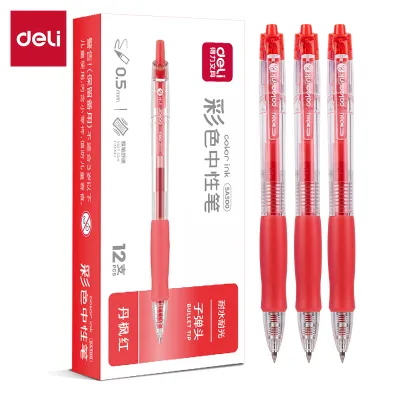

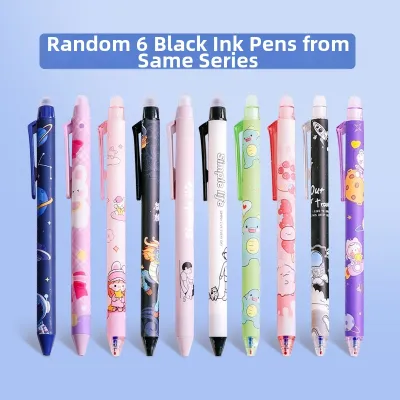
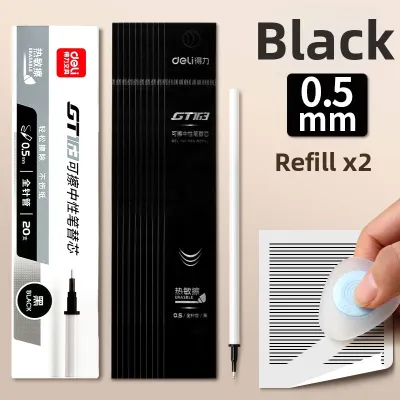
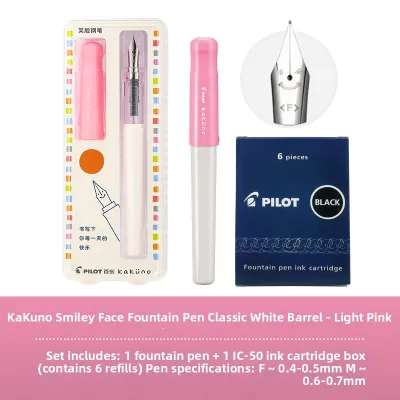
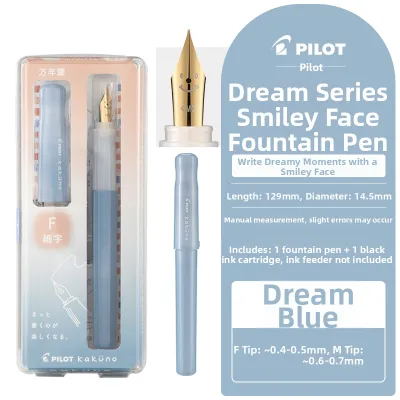
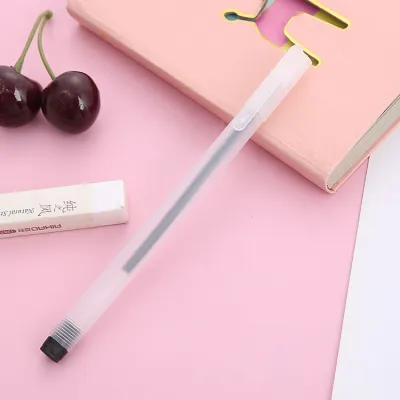
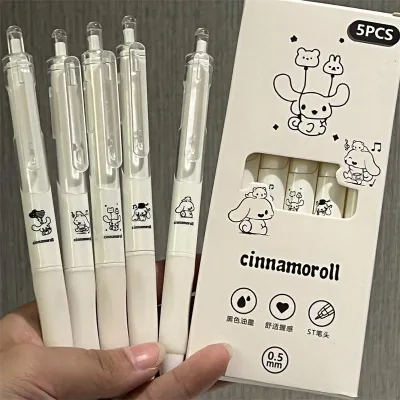
Prices are valid at publication and may change. Please refer to the product page for the latest price.
Diagnose Your Writing Needs: A Self-Assessment Checklist
Before choosing a pen category, observing your natural writing style and physical environment can help narrow down your options. Take a moment to evaluate your habits using these key diagnostic checkpoints.

- Grip pressure: A tight grip and heavy pressure suit durable ballpoint pens, but they can bend or damage the delicate metal nibs of fountain pens. If you prefer an effortless touch where the pen glides under its own weight, gel or fountain pens are much more comfortable.
- Writing speed and volume: Fast, high-volume writing requires ink that flows instantly without skipping. Gel pens offer excellent flow for speed, while ballpoint pens provide the friction needed to keep handwriting controlled when rushing.
- Paper quality: Standard 70 GSM copy paper and cheap notebooks are highly absorbent, causing liquid inks to feather and bleed through. If you must use low-grade paper, oil-based ballpoint ink is your safest option. High-quality, high-GSM notebooks allow you to fully enjoy the rich ink laydown of gel and fountain pens.
- Maintenance willingness: Ballpoint and gel pens use simple drop-in refills, requiring zero upkeep. Fountain pens require periodic flushing with water and manual ink bottle refilling to prevent clogging.
- Environmental factors: In the warm, humid climate of the Philippines, high relative humidity slows down the evaporation rate of water-based inks. If you choose a standard gel pen, the ink may stay wet longer, increasing the risk of smudges. Observing how quickly your current pens dry will tell you if you need to prioritize fast-drying formulas.
Use your answers to these questions to guide you through the detailed pen profiles below.
Fountain Pens: For Expressive Lines and Mindful Writing
Fountain pens operate on capillary action. Instead of relying on downward pressure to roll a ball, ink flows naturally from an internal reservoir, through a plastic feed, and down to the tip of a metal nib. Because of this continuous liquid flow, the pen requires virtually zero pressure to write; the weight of the pen itself is enough to leave a crisp line.
The nib size heavily influences your experience. Fine and extra-fine nibs restrict ink flow to produce thin, precise lines, making them suitable for smaller handwriting or standard paper. Medium and broad nibs release more ink, showcasing unique properties of fountain pen inks, such as shading and sheening.
This category is ideal for those who view writing as a mindful ritual. If you enjoy journaling, creative writing, or calligraphy, the tactile feedback of a metal nib on quality paper is satisfying. It encourages a slower, more deliberate writing pace and a relaxed grip, which can alleviate chronic hand strain.
However, owning a fountain pen requires maintenance. To keep ink flowing smoothly, you must flush the nib and feed with clean water every few weeks or when changing ink colors. You must also store the pen horizontally or tip-up to prevent ink pooling in the cap. Furthermore, fountain pens are highly sensitive to paper quality; using them on cheap, absorbent paper results in severe feathering and bleed-through. They are also unsuitable for writing on carbon copies or lending to others, as excessive pressure can easily damage the delicate tines of the nib.
Ballpoint Pens: For Maximum Reliability and Low Maintenance
The classic ballpoint pen is the workhorse of the stationery world, designed for utility, durability, and convenience. It utilizes a tiny, microscopic rotating ball nested in a socket at the tip. As you drag the pen across a surface, the ball rolls, transferring a highly viscous, oil-based ink from the cartridge onto the page.
This oil-based ink formulation is the secret behind the ballpoint’s reliability. Because the ink paste contains very little water, it dries almost instantly upon contact with the page, making it virtually immune to smudging. This quick-drying nature allows ballpoint pens to write reliably on challenging surfaces where water-based inks fail, including glossy thermal receipts, slick plastic labels, and damp paper.
For users who prioritize a low-maintenance lifestyle, the ballpoint is unmatched. These pens can sit uncapped on a desk or remain forgotten in a drawer for years without drying out. They are highly resilient to environmental extremes, making them safe to leave inside a backpack exposed to tropical heat. There are no delicate parts to clean, and refills are inexpensive and widely available.
The primary trade-off of the ballpoint pen is the physical effort required to write. Because the oil-based ink is thick, you must apply continuous downward pressure to keep the ball spinning and the ink transferring. Over long writing sessions, this constant physical exertion can lead to hand fatigue and finger cramping. Additionally, ballpoint pens are prone to occasional skipping or leaving small blobs of ink on the paper, which occurs when paper dust clogs the tip. Note that “ballpoint” in this context refers strictly to oil-based ink, as opposed to rollerball pens which use liquid, water-based ink.
Gel Pens: For Smooth Gliding and Vibrant Organization
Gel pens combine the effortless glide of a fountain pen with the convenient, mess-free cartridge system of a ballpoint. They use a water-based gel ink that suspends colored pigments rather than fully dissolving dyes. This chemical formulation is thixotropic: the ink remains a thick gel inside the cartridge, but liquefies instantly under the shearing force of the rotating ball at the tip, flowing smoothly onto the page before returning to a stable solid state.
This behavior results in vibrant, opaque lines. Because gel ink uses pigments, the colors remain bright and highly visible even on dark paper. Gel pens are available in an extensive spectrum of colors, metallic finishes, and pastel shades, making them a great tool for visual organization, color-coded study notes, bullet journaling, and creative planning. They glide across the paper with minimal friction, allowing you to write quickly and comfortably without hand strain.
Students, teachers, and professionals who spend hours taking notes or grading papers find gel pens to be an excellent daily companion. The low writing pressure required means you can write pages of text without feeling the muscle fatigue associated with ballpoint pens.
However, gel pens have specific limitations. The water-based gel formulation dries slower than oil-based ink, which can lead to smudging if you accidentally rub your hand over fresh writing. This issue is particularly noticeable in humid environments like the Philippines, where moisture in the air slows down drying. Left-handed writers or those working in humid conditions should actively look for specialized quick-dry gel formulations to prevent smudging. Additionally, gel pens consume ink much faster than ballpoint pens, meaning you will need to replace refills more frequently, and leaving them uncapped can cause the tip to dry out.
Match the Pen to Your Specific Daily Scenarios
To make your final decision, look at how these three pen types perform in real-world writing scenarios.
Exams and Fast Note-Taking
When racing against the clock in an exam room or capturing lecture notes, comfort and speed are your top priorities. Gel pens with a fine tip (such as 0.5mm or 0.4mm) are excellent because they glide effortlessly, preventing hand cramps during long writing sessions. However, if exams are printed on cheap, absorbent paper, standard gel ink might bleed through. In this case, a quick-dry ballpoint pen is the safest choice to keep your answers legible and smudge-free. Avoid using fountain pens in high-pressure exam environments unless you are highly accustomed to them.
Professional Signatures and Legal Documents
For signing contracts, official deeds, or government paperwork, permanence and presentation are key. A fountain pen loaded with permanent, archival-grade document ink makes a powerful professional statement, offering elegant line variation. However, if you are working with multi-part carbonless forms—such as delivery receipts, invoices, or official business triplicate forms—a fountain pen is completely unusable because it cannot tolerate the pressure required to transfer the writing. For these multi-part documents, a standard ballpoint pen is mandatory, as its durable tip can withstand the heavy downward force needed to press through multiple layers of paper.
Journaling and Calligraphy Practice
If your writing is a personal retreat, a creative outlet, or a way to practice mindfulness, tactile feedback matters immensely. Fountain pens are the undisputed champion for personal journaling and calligraphy, allowing you to experience the physical beauty of ink shading. If you love the look of elegant lettering but prefer a low-maintenance setup, gel pens with specialized tips—such as brush tips or fude (bent) nibs—provide a wonderful, mess-free alternative for casual lettering and artistic sketching.
Fieldwork and Outdoor Use
Writing outdoors introduces unpredictable variables like high humidity, sudden tropical rain, and uneven writing surfaces. Under these harsh conditions, fountain pens and standard gel pens are highly vulnerable; their water-based inks will run, bleed, or wash away if the paper gets damp, and temperature changes can cause ink reservoirs to leak. For fieldwork, construction sites, or outdoor surveys, a pressurized or standard ballpoint pen is the only logical choice. These pens write reliably on damp paper, at odd angles, and in extreme tropical heat without leaking or drying out.
Frequently Asked Questions (FAQ)
Can I use fountain pen ink in a gel pen?
No. Fountain pen ink is a highly fluid, water-based liquid designed to flow through a feed via capillary action. Gel pens require a highly viscous, thick gel formulation to keep the internal rotating ball lubricated and prevent the ink from leaking out of the tip. Attempting to inject liquid fountain pen ink into a gel pen cartridge will result in immediate, messy leaks and will ruin the pen’s writing mechanism.
Why does my gel pen skip even when the refill looks full?
When a full gel pen skips, the issue is usually caused by a tiny air bubble trapped in the ink column or dried ink clogging the microscopic space around the rotating tip. To safely restore the flow, try scribbling firm, circular patterns on a textured rubber surface, like a clean eraser or the sole of a shoe, to dislodge any dried particles. You can also store the pen tip-down in a cup overnight to let gravity push the ink forward. Avoid applying direct heat, such as using a lighter, as this will permanently ruin the delicate gel formulation and melt the plastic housing.
Which pen type is best for left-handed writers?
Left-handed writers generally get the best results from quick-drying gel pens or standard oil-based ballpoint pens. Because left-handed writers push the pen across the page from left to right, their hand naturally follows the freshly written line, making slow-drying inks highly prone to smearing. If you prefer the smooth feel of gel ink, look specifically for pens labeled quick-dry or rapid dry. Avoid using broad-nibbed fountain pens or slow-drying liquid rollerballs unless you have trained yourself to use an under-writing posture that keeps your hand completely below the active writing line.
Community discussion
Share your experience or ask a question. Comments are reviewed before publication.