
Quick Answer: Matching the Pen to Your Daily Needs
Choosing between a fountain pen and a gel pen depends on whether you prioritize long-term physical comfort and a personalized writing experience or immediate, zero-maintenance convenience. Fountain pens use liquid ink delivered through a metal nib via capillary action, requiring almost zero downward pressure, which makes them highly comfortable for extended writing sessions. Gel pens utilize a water-based gel ink that flows through a rollerball tip, offering consistent, uniform lines and instant, grab-and-go reliability without any upkeep.
To quickly diagnose which option fits your routine, consider your daily writing environment. Choose a fountain pen if you write long-form journal entries, want to minimize hand strain, and enjoy the mindful ritual of refilling ink on high-quality paper. Choose a gel pen if you need a reliable, fast-drying tool for quick notes on standard office paper, require leak-proof portability, or prefer a simple, disposable writing instrument.
Evaluating the Writing Experience and Hand Fatigue
The physical sensation of writing plays a massive role in how much you enjoy your daily tasks. Both fountain pens and gel pens offer distinct tactile feedback, line characteristics, and ergonomic profiles that directly impact hand fatigue during extended sessions.
Products mentioned in this guide
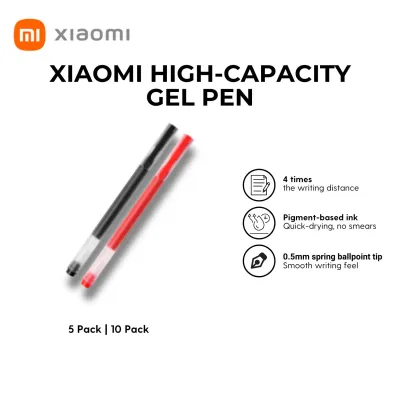
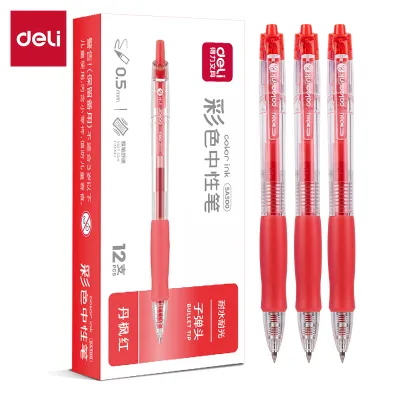
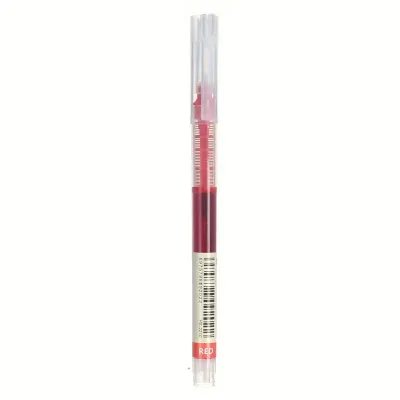

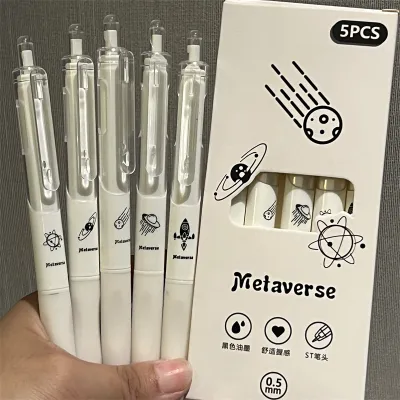
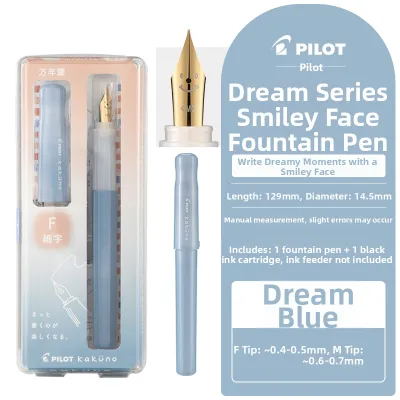
Prices are valid at publication and may change. Please refer to the product page for the latest price.

Fountain Pens: Gliding with Minimal Pressure
The defining characteristic of a fountain pen is its effortless ink delivery. Unlike ballpoint or gel pens, which rely on friction to roll a ball, a fountain pen utilizes capillary action. Liquid ink flows from an internal reservoir, down through a feed, and onto the metal nib. Because ink flows naturally upon contact, you do not need to apply downward pressure. The pen glides across the page under its own weight, significantly reducing hand and wrist muscle tension, making it an excellent choice for preventing writer’s cramp during long sessions.
Furthermore, fountain pens offer unique line variation. Nibs come in various sizes—such as extra-fine, fine, medium, and broad—and specialized shapes like stub or italic. A stub nib, for example, creates thick vertical lines and thin horizontal lines, adding calligraphy-like character to your handwriting. However, writing with a fountain pen requires a slight learning curve. You must maintain a consistent angle—usually around 45 to 55 degrees relative to the paper—to keep the nib’s sweet spot in contact with the page. Holding the pen too vertically or rotating it can cause the metal tines to scratch the paper and disrupt the flow.
Gel Pens: Consistent Lines and Tactile Feedback
Gel pens offer a highly consistent writing experience by combining the smooth flow of water-based ink with the control of a rollerball tip. The ink consists of pigments suspended in a water-based gel, which liquefies under the shear force of the rotating ball. This thixotropic property allows the ink to flow smoothly while still providing a subtle, satisfying tactile feedback or “drag” against the paper. This feedback gives you a strong sense of control over your pen strokes, making gel pens exceptionally popular for precise printing, drawing, and fast note-taking.
One of the greatest operational advantages of a gel pen is its line consistency. The rollerball mechanism ensures that the line width remains perfectly uniform, regardless of the angle at which you hold the pen or how much pressure you apply. This makes the pen highly forgiving for quick, spontaneous writing. However, because a rollerball tip requires a small amount of downward pressure to keep the ball rotating, extended writing sessions can lead to hand fatigue. If you tend to grip your pen tightly, the constant pressure needed to engage the rollerball can cause cramping in your fingers and wrist over hours of continuous use.
Assessing Daily Convenience and Maintenance Effort
Beyond the writing feel, you must consider the practical realities of owning and maintaining each pen type. Your willingness to perform regular upkeep or your preference for a zero-maintenance tool will heavily influence which pen fits seamlessly into your daily life.
Refilling, Cleaning, and Storage
Owning a fountain pen is a hands-on experience requiring regular maintenance. To prevent liquid ink from drying out and clogging the feed, you must flush the pen with clean, room-temperature water every few weeks or when switching ink colors. Refilling involves inserting plastic cartridges or using a mechanical converter to draw ink directly from a glass bottle. While bottled ink offers endless color choices, the process requires a steady hand and can occasionally stain your fingers. Proper storage is also essential; a fountain pen must be kept securely capped when not in use to maintain ink flow and prevent the nib from drying out.
In contrast, gel pens are designed for ultimate convenience and require zero maintenance. There are no feeds to flush, no ink bottles to manage, and no priming required. When a gel pen runs out of ink, you simply unscrew the barrel and insert a fresh, self-contained refill cartridge, or discard the disposable pen body entirely. This zero-maintenance nature makes gel pens the ideal choice for busy office environments, classrooms, or any situation where you need a reliable writing tool that is always ready to perform.
Portability and Leak Risks
The physical design of a fountain pen’s ink delivery system makes it sensitive to environmental changes. Because liquid ink is held in an open capillary system, changes in atmospheric pressure—such as during air travel—or sudden temperature fluctuations can cause the air inside the ink reservoir to expand. This expansion can force ink out through the feed and into the cap, leading to messy leaks. To mitigate this risk, you must take precautions, such as traveling with the pen completely full or entirely empty, and storing it in an upright position.
Gel pens, on the other hand, are highly stable and represent the gold standard for everyday carry (EDC). The viscous gel ink is housed in a sealed plastic tube and is highly resistant to temperature and pressure changes. You can toss a gel pen into a backpack, slide it into a pocket, or take it on a flight without worrying about ink leaks. This rugged reliability makes the gel pen a superior option for commuters, students, and anyone who needs a dependable writing instrument on the move.
Checking Paper Compatibility and Ink Drying Times
How your pen interacts with paper and the local environment is crucial to maintaining clean, legible notes. Ink composition and drying characteristics behave differently depending on the paper stock you use and the ambient humidity.
Performance on Standard and Coated Papers
Fountain pen ink is highly fluid and water-based, relying heavily on absorption to dry. On standard, low-weight copy paper or cheap school notebooks, this liquid ink tends to feather, spreading outward along the paper fibers to create fuzzy, distorted lines. It can also bleed through to the back of the page, making double-sided writing impossible. To achieve crisp lines, you must pair fountain pens with denser, high-quality, or coated papers—typically 80 GSM or higher—that are specifically formulated to resist ink absorption.
Gel pens are far more versatile, performing consistently on almost any standard paper stock without feathering or bleeding. The thicker gel formulation sits on top of the paper fibers rather than soaking deeply into them. However, this surface-level behavior means gel pens can occasionally struggle on highly coated, glossy, or heavily sized papers. On these slick surfaces, the rollerball may slip without rotating, causing the pen to skip, or the ink may fail to dry, leading to smearing.
Drying Speed and Smudge Resistance
The drying speed of fountain pen ink is influenced by the wetness of the pen’s feed, the size of the nib, and local environmental conditions. In warm, high-humidity climates like the Philippines, water-based fountain pen inks take significantly longer to dry because high ambient moisture slows down evaporation. This extended drying time increases the risk of accidental smudging if you turn pages quickly or run your hand over freshly written text. To avoid this, you may need to use blotter paper or select specialized fast-drying inks.
Conversely, many modern gel pens are specifically formulated with quick-drying inks that set within a fraction of a second. This rapid drying speed makes gel pens highly practical for taking fast notes during lectures or meetings. It also makes them the undisputed choice for left-handed writers. Because left-handed individuals push the pen from left to right, their writing hand naturally follows the freshly inked line; a quick-drying gel pen prevents the hand from dragging and smearing the ink, keeping both the page and the writer’s hand clean.
Weighing Initial Costs Against Long-Term Refills
When deciding between these two writing instruments, it is helpful to look at the financial commitment as a balance between upfront costs and long-term operating expenses.
A quality fountain pen requires a higher initial investment. Entry-level fountain pens made of durable resin or plastic typically range from ₱150 to ₱1,500, while premium models featuring gold nibs and hand-crafted barrels can cost significantly more. Additionally, you may need to purchase a bottle of ink or a pack of cartridges to get started. However, the long-term cost of writing with a fountain pen is remarkably economical. A single 50ml bottle of ink, which can cost between ₱300 and ₱800, contains enough ink to fill a standard converter dozens of times, translating to a very low cost per page over months or years of use.
In contrast, gel pens have a very low barrier to entry. A high-quality gel pen generally costs between ₱40 and ₱120, making it easy to purchase multiple pens. However, gel ink is consumed rapidly because the rollerball deposits a thick layer of ink on the page. If you write daily, you will find yourself replacing the disposable refills or purchasing entire new pens every few weeks. Over several years of continuous daily writing, the cumulative cost of these recurring gel refills can easily exceed the total investment of a single, high-quality fountain pen and a bottle of ink.
Your Final Decision Checklist: Fountain or Gel?
To finalize your decision and choose the writing instrument that best aligns with your daily habits, review the following diagnostic checklists.
Choose a Fountain Pen if:
- You experience hand fatigue or wrist cramping during long writing sessions.
- You appreciate a mindful, tactile writing ritual and do not mind performing occasional cleaning.
- You primarily write in journals, planners, or on high-quality, fountain-pen-friendly paper (80 GSM or higher).
- You want to customize your writing style with unique nib sizes and a vast array of ink colors.
- You prefer a sustainable, long-term writing tool that reduces plastic waste.
Choose a Gel Pen if:
- You need a highly reliable, grab-and-go writing tool that requires zero maintenance.
- You write quickly, take erratic notes, or frequently fill out forms on standard, low-weight copy paper.
- You are left-handed and require fast-drying ink to prevent smudging.
- You travel frequently or need a stable everyday carry pen that will not leak during flights.
- You prefer a low upfront cost and the convenience of easily replaceable, widely available refills.
For many writers, a hybrid approach offers the perfect balance. You can carry a reliable, quick-drying gel pen in your bag or pocket for quick, on-the-go tasks, signing receipts, and writing on unpredictable paper surfaces. At the same time, you can keep a smooth, comfortable fountain pen at your desk for dedicated journaling, creative writing, and focused study sessions where you can fully appreciate the writing ritual.
Frequently Asked Questions (FAQ)
Are gel pens a better choice for left-handed writers?
Yes, gel pens—specifically those designed with quick-drying ink formulas—are generally a much better choice for left-handed writers. Because left-handed individuals push the pen across the page, their hand naturally glides over the text they have just written. Liquid fountain pen inks dry slowly, especially in humid conditions, leading to frequent smudging. Quick-drying gel pens set almost instantly, ensuring clean pages and smudge-free hands.
Can I use the same notebook for both fountain and gel pens?
You can use the same notebook, but you must select one with paper that accommodates both ink types. While gel pens perform well on almost any paper, fountain pens require denser, ink-resistant paper (typically 80 GSM or higher with a smooth finish) to prevent feathering and bleed-through. Before committing to long-form writing, perform a small test stroke on an inconspicuous back page of your notebook to verify compatibility.
Community discussion
Share your experience or ask a question. Comments are reviewed before publication.