
Choosing between a fountain pen and a gel pen comes down to a fundamental choice between the ritual of writing and the convenience of modern utility. If you seek a highly personalized, expressive line that responds to your hand’s unique pressure, a fountain pen offers an unmatched tactile experience. However, this classic tool demands regular maintenance, careful paper selection, and a willingness to handle liquid ink.
On the other hand, if you need a reliable, vibrant, and instantly ready writing instrument for quick notes, journaling, or office tasks, a gel pen is the practical choice. Gel pens combine the smooth glide of a rollerball with the fast-drying, water-resistant properties of pigment-rich gel ink, requiring zero maintenance beyond swapping out a spent refill.
To find your ideal specialty pen, you must weigh how each instrument behaves on paper, the level of upkeep you are willing to perform, and how your choice fits into your daily routine and budget.
Products mentioned in this guide
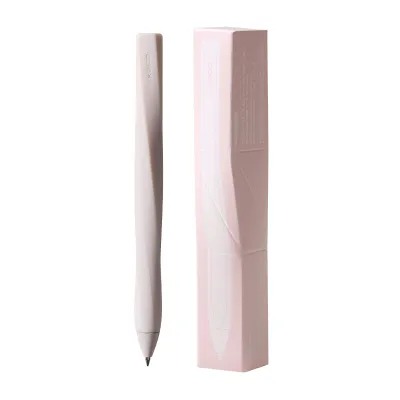
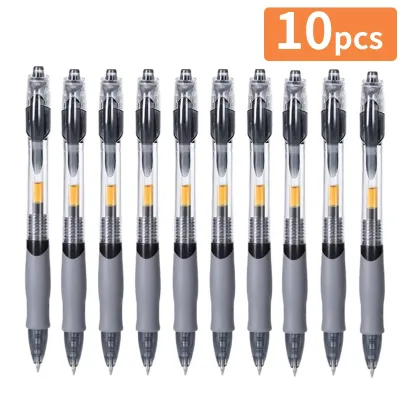
Prices are valid at publication and may change. Please refer to the product page for the latest price.
Comparing the Writing Experience and Line Quality
The physical sensation of putting pen to paper differs dramatically between these two writing instruments. A fountain pen relies on capillary action, drawing liquid ink from an internal reservoir down through a metal nib. Because the metal tines of a fountain pen nib can flex slightly under pressure, you can achieve beautiful line variation, where downstrokes appear thicker and crossstrokes remain thin. This pressure sensitivity allows your handwriting to reflect your personal style, making it a favorite for journaling, correspondence, and creative writing.
In contrast, a gel pen utilizes a tiny, rotating ball suspended in a housing at the tip. As you write, the ball rolls, transferring a thick, water-based gel ink onto the page. This mechanism produces a highly consistent line width, regardless of the angle or pressure you apply. For tasks that require absolute uniformity, such as filling out forms, drawing precise diagrams, or writing in tight grid notebooks, the unyielding consistency of a gel pen is highly advantageous.
The tactile feedback—how the pen feels as it moves across the paper—also sets them apart. Fountain pens offer varying degrees of feedback, ranging from a glassy smoothness to a pleasant, pencil-like resistance often described as feedback. If a fountain pen feels overly scratchy, it usually indicates misaligned tines or a mismatch with rough paper, which requires adjustment. Gel pens generally glide effortlessly across almost any surface, though cheaper models can occasionally feel scratchy if the ball mechanism suffers from poor manufacturing tolerances.
Ergonomics play a crucial role during extended writing sessions. Fountain pens require almost zero downward pressure to write; the weight of the pen itself is usually enough to initiate ink flow. This effortless glide significantly reduces hand fatigue and cramping during long essay-writing sessions or extensive journaling. Gel pens require slightly more downward pressure to keep the ball rolling smoothly, which can lead to hand strain over hours of continuous use, though ergonomic rubber grips on many modern gel pens help mitigate this issue.
Maintenance, Portability, and Daily Convenience
Owning a fountain pen is a commitment to a regular maintenance routine. To keep the ink flowing smoothly and prevent clogging, you must flush the nib and feed with clean water every few weeks, or whenever you change ink colors. This process involves drawing water into the converter or cartridge chamber and expelling it until it runs clear. In warm, humid tropical climates, ink can dry out more quickly inside the pen if left unused, making regular flushing even more critical to prevent stubborn clogs.

Gel pens represent the pinnacle of grab-and-go convenience. They require absolutely no maintenance, cleaning, or specialized storage. When the ink runs out, you simply unscrew the barrel, discard the empty plastic cartridge, and drop in a fresh refill. This simplicity makes gel pens highly portable and dependable for students, medical professionals, and busy office workers who cannot afford to spend time maintaining their writing tools.
Drying time is another vital factor, especially for fast note-takers. Gel inks use a thick, pigmented suspension that sits on top of the paper fibers, which can take several seconds to dry completely depending on the humidity and paper type. Fountain pen inks are highly liquid and water-based, meaning their drying time depends heavily on the nib size, ink wetness, and paper absorbency. If you write quickly or take notes on the move, you should test your chosen pen and ink combination on your preferred notebook to observe the drying speed and avoid frustrating smudges.
Portability and travel safety also require careful consideration. Fountain pens are sensitive to air pressure changes, such as those experienced during flights, which can force ink out of the reservoir and cause messy leaks inside the cap. To travel safely with a fountain pen, it is best to keep it completely full or entirely empty, and store it pointing upright. Gel pens, with their highly viscous ink and sealed refills, are virtually immune to pressure-induced leaks, making them exceptionally reliable travel companions.
Ink Ecosystem, Paper Compatibility, and Costs
The ink ecosystem of a fountain pen is incredibly vast and customizable. By using a converter, you gain access to thousands of bottled inks from around the world, featuring unique properties like shading, sheening, and shimmering effects. This allows you to customize your writing color down to the exact shade of turquoise or olive green. Gel pens are more limited in their ink delivery, relying on proprietary refills designed for specific pen bodies, though they still offer an impressive array of vibrant colors, metallic finishes, and pastel shades.
Paper compatibility is where the two systems diverge most sharply. Fountain pens are notoriously picky about paper quality. On standard, highly absorbent copy paper or cheap notebooks, liquid fountain pen ink tends to feather (spread out along the paper fibers) and bleed through to the other side of the sheet. To enjoy a fountain pen fully, you often need to invest in specialized, fountain-pen-friendly paper that resists bleed-through. Gel pens are far more forgiving, performing exceptionally well on almost any paper grade without significant feathering or ghosting.
When evaluating the financial aspect, you must consider both the upfront investment and the long-term running costs. A high-quality fountain pen typically requires a higher initial purchase price, ranging from a few hundred to several thousand pesos. However, bottled ink is incredibly economical over time, offering a much lower cost per page than disposable refills. You can write for months on a single bottle of ink that costs around ₱500 to ₱800.
Gel pens are highly affordable upfront, with excellent entry-level options costing under ₱100. However, because gel pens lay down a thick layer of ink, they deplete their refills relatively quickly. If you write extensively every day, the cost of purchasing individual gel refills at ₱40 to ₱80 each can accumulate over time, eventually surpassing the long-term running cost of a fountain pen and bottled ink system.
Decision Framework: Choosing Your Ideal Specialty Pen
To make your final decision, evaluate your daily habits, writing environment, and personal preferences against this practical framework.
Choose a fountain pen if you:
- Value the mindful, tactile ritual of writing and want to personalize your handwriting with line variation.
- Enjoy experimenting with a massive palette of bottled ink colors, shading, and shimmering effects.
- Write for long, uninterrupted sessions and want to minimize hand fatigue through a zero-pressure writing technique.
- Are willing to dedicate a few minutes every month to cleaning and maintaining your writing instrument.
- Primarily write on high-quality, fountain-pen-friendly notebooks and paper.
Choose a gel pen if you:
- Prioritize instant, reliable, grab-and-go convenience without any maintenance or cleaning routines.
- Need a pen that writes consistently on any paper type, including cheap office copy paper and standard school notebooks.
- Require highly consistent, uniform line widths for precise technical drawing, charting, or small handwriting.
- Travel frequently or need a dependable tool that will not leak during sudden temperature or pressure changes.
- Want a low upfront cost and the simplicity of quick, mess-free refill swaps.
Before purchasing, verify your typical writing setup. If you frequently write on low-grade paper provided by your school or workplace, a gel pen will save you from the frustration of ink feathering. If you are left-handed, test the drying speed of both options on your preferred paper to ensure you can write comfortably without smudging the fresh ink with your hand.
Frequently Asked Questions (FAQ)
Can I use fountain pen ink in a gel pen?
No, you cannot use fountain pen ink in a gel pen. Fountain pen ink is highly fluid and water-based, designed to flow through a delicate capillary feed. Gel pens require a much thicker, highly viscous gel formulation to keep the internal rolling ball lubricated and prevent the ink from leaking out of the tip. Attempting to fill a gel pen refill with fountain pen ink will result in immediate leaking, pooling, and a completely unusable pen. Always use the specific refills recommended by your pen’s manufacturer.
Which pen type is better for left-handed writers?
For most left-handed writers, a gel pen with a fast-drying ink formula is generally the more practical choice. Because left-handed writers push the pen across the page rather than pulling it, their hand is more likely to drag over freshly written text. Gel pens with quick-drying ink minimize this smudging risk significantly. If you want to use a fountain pen as a left-handed writer, you should pair a fine or extra-fine nib with a fast-drying ink and absorbent, fountain-pen-friendly paper to ensure the ink dries before your hand passes over it.

Community discussion
Share your experience or ask a question. Comments are reviewed before publication.