
Bullet journaling and planning in the Philippines require a thoughtful balance of creativity and efficiency. For those who want to maintain an organized, visually appealing layout without spending hours drawing tedious grids, a high-quality functional sticker book is an indispensable tool. The ideal sticker book for planning goes far beyond mere decoration; it provides structured elements such as calendars, habit trackers, time-blocking blocks, and categorization icons that seamlessly integrate with standard notebook layouts. In a tropical climate where high humidity can affect paper fibers and adhesive stability, choosing the right material and format is crucial for keeping your spreads intact and legible throughout the year. Understanding how to evaluate these tools ensures your planning remains both practical and enjoyable.
How to Evaluate Functional Sticker Books for Planning
Selecting the right sticker book requires looking past beautiful designs to evaluate how the stickers will perform on your journal pages. By focusing on technical specifications and material properties, you can avoid common planning frustrations such as mismatched layouts or peeling corners.
Grid Compatibility
Bullet journals in the Philippines predominantly use the standard 5mm dot grid or 3mm grid formats. When selecting a sticker book, it is vital to verify the physical dimensions of the stickers to ensure they align with these grids. A calendar grid or habit tracker sticker that is too wide will spill over your margins, while one that is too narrow will disrupt the visual symmetry of your page. Look for manufacturers that explicitly state the millimeter measurements of their functional boxes and headers. If measurements are not listed, you can estimate compatibility by comparing the sticker’s scale to standard A5 or B6 page dimensions.
Products mentioned in this guide
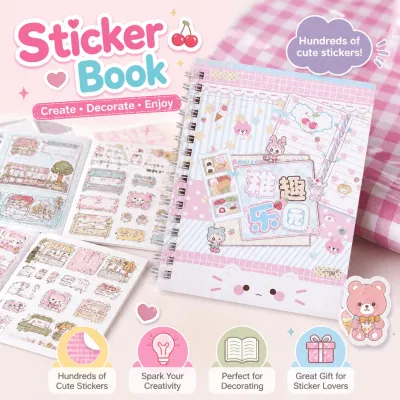
Prices are valid at publication and may change. Please refer to the product page for the latest price.
Material and Adhesion
The choice between washi paper and PET (polyethylene terephthalate) or vinyl stickers significantly impacts your journaling experience. Washi paper stickers are matte, highly repositionable, and pen-friendly, making them ideal for writing dates, tasks, and notes. Their textured surface mimics book paper, blending beautifully into the background. However, in the high-humidity environment of the Philippines, low-quality washi adhesives can lose their grip, causing the corners of the stickers to curl upward over time. PET and vinyl stickers offer a water-resistant, transparent, or semi-translucent finish with a much stronger adhesive bond. They are excellent for structural lines and permanent icons, but they require specific writing instruments, such as permanent markers or specialized multi-surface gel pens, as standard water-based gel pens or fountain pen inks will pool and smudge on their non-porous surfaces.
Color Palettes and Legibility
A functional sticker should enhance the readability of your planner, not distract from it. When evaluating sticker books, prioritize muted, neutral, or pastel color palettes over highly saturated, neon designs. Transparent or semi-translucent backings are particularly valuable because they allow the underlying dot grid or grid lines to remain visible, helping you maintain straight handwriting across the page. Ensure that any pre-printed text, such as day abbreviations or hour markings, features high-contrast, clean typography. If the font is too ornate or the ink color is too light, you may struggle to read your schedule at a glance under dim lighting.
Format and Portability
Sticker books come in several configurations, including bound books, loose-leaf sheets, and rolls. Bound sticker books are excellent for desk use, keeping hundreds of stickers organized in a single, cohesive volume. However, they can be bulky to carry in a daily bag. For on-the-go planning in local cafes or workspaces, loose sticker sheets stored in a folder or the back pocket of your journal offer superior portability. Sticker rolls or washi tapes with repeating functional patterns provide a continuous supply of elements like dates or tracker grids, but they require careful cutting and can be more difficult to store flat.
Top Sticker Categories for Daily and Weekly Spreads
Building the foundation of your daily and weekly layouts is much easier when you have the right structural stickers. These categories help you map out your time and commitments with minimal effort.

Calendar and Date Stickers
Setting up a new month or week from scratch is one of the most time-consuming aspects of bullet journaling. Calendar and date stickers solve this by providing pre-printed monthly overviews, individual date numbers (1 to 31), and day-of-the-week labels. Using these pre-cut elements allows you to establish a clean, consistent layout in minutes. When choosing date stickers, verify that there is sufficient blank space adjacent to or within the sticker for you to write brief daily priorities or appointments. Transparent PET date stickers are highly recommended for this purpose, as they layer cleanly over colorful background washes or hand-drawn borders without creating harsh paper edges.
Time Blocking and Schedule Stickers
For professionals and students managing tight schedules, time-blocking stickers are invaluable. These stickers typically feature vertical or horizontal time axes, hourly increments, appointment blocks, and colorful reminder flags. Using a pre-printed time scale eliminates the need to manually write out hours from 8:00 AM to 6:00 PM every day. Opt for translucent or washi-style schedule stickers; this transparency allows you to see any underlying structural lines or pencil sketches, making it easier to adjust your schedule as plans change. You can also combine these pre-printed time strips with hand-drawn brackets or color-coded highlights to customize your hourly increments for specific projects or classes.
Recommended Sticker Types for Trackers and Habits
Tracking your personal growth and daily routines is a staple of bullet journaling. Using pre-printed tracker stickers saves you from the tedious task of drawing repetitive grids every month.
Habit and Mood Tracker Grids
Tracking daily habits, sleep patterns, or mood shifts is a core feature of bullet journaling, but drawing a 31-day grid month after month can quickly lead to planning fatigue. Pre-printed habit tracker stickers—ranging from mini calendar grids to progress bars and circular trackers—streamline this process. Before committing to a specific tracker sticker, it is essential to perform an ink compatibility test. Because different brands use varying paper coatings, some matte sticker papers may cause gel pens or fineliners to feather, bleed, or take an exceptionally long time to dry. Apply a spare sticker to a test page, write on it with your favorite journaling pens, and observe the drying speed and line crispness. Look for sticker books that provide both pre-labeled trackers (such as “Water,” “Sleep,” or “Steps”) and blank, customizable grid templates that adapt to your personal goals.
Fitness and Wellness Icons
Wellness tracking benefits greatly from visual shorthand. Small, functional icons representing water intake drops, sleep hour blocks, running shoes, dumbbells, and meal planning plates allow you to log your health metrics quickly without cluttering your pages with text. These tiny elements can be mixed and matched with hand-drawn layouts to create a personalized wellness dashboard. When purchasing sticker books featuring intricate, small icons, pay close attention to the die-cut quality. Poorly manufactured sticker books may have misaligned cuts, causing the delicate edges of a tiny water drop or dumbbell icon to tear when you attempt to peel them off the backing sheet.
Functional Icons and Labels for Custom Layouts
Customizing your journal spreads requires a mix of organizational labels and structural elements. The right sticker book should provide a versatile toolkit for categorizing your daily tasks.
- Headers and Title Labels: Creating consistent headers is key to a cohesive journal aesthetic. Blank banners, minimalist label strips, and chalkboard-style headers provide a clean canvas for your handwriting. Instead of worrying about perfect lettering, you can write your section titles—such as "To-Do," "Gratitude," or "Brain Dump"—directly onto these uniform labels. This approach ensures a clean, professional look across all your spreads, regardless of your natural handwriting style on that particular day.
- Categorization Icons: To quickly index and categorize tasks, look for sticker books that offer a high density of small, standardized symbols. Common icons include dollar signs or shopping carts for finance tracking, open books or graduation caps for study sessions, briefcases or laptops for work tasks, and tiny houses or brooms for household chores. By placing these symbols next to your daily tasks, you can scan your page instantly to identify urgent work deadlines or pending bills without reading through every line of text.
- Structural Elements: You do not need to draw elaborate frames to separate different sections of your layout. Structural stickers, such as subtle corner borders, dividing lines, and decorative washi strips, allow you to section off your pages into distinct zones effortlessly. For example, placing a simple geometric corner sticker on the four corners of a page instantly frames your layout, while thin divider lines can separate your daily task list from your weekly reflection space without adding visual clutter.
- Selection Strategy: When shopping for sticker books, it is easy to be swayed by large, beautiful illustrations of florals, characters, or seasonal scenes. However, for practical bullet journaling, prioritize books that offer a high density of small, reusable functional icons and labels over those dominated by single-use decorative art. A book with 500 tiny, functional icons will serve your daily planning needs far longer than a book with 50 large, decorative illustrations that take up half a page and leave no room for writing.
Where to Buy and What to Verify Before Checkout
Finding high-quality sticker books in the Philippines involves knowing where to shop and what quality markers to look for before making a purchase.
- Sourcing Channels: In the Philippines, functional sticker books can be sourced from a variety of reliable channels. Local specialized stationery boutiques and independent journaling supply shops often curate high-quality international and local brands. Major online marketplaces also host official brand stores and authorized distributors, offering a vast selection of Japanese, Korean, and Western planning stickers. When shopping online, look for established sellers with high ratings and active customer feedback to ensure a smooth purchasing experience.
- Pre-Checkout Verification: Before clicking the checkout button, verify the physical dimensions of the sticker book to ensure it is compatible with your current planner size. An A5-sized sticker book is highly portable and fits perfectly alongside standard journals, whereas larger desktop sticker pads are better suited for home or office use. Additionally, read customer reviews carefully to assess the paper thickness and adhesive quality. In the warm, humid climate of the Philippines, low-grade adhesives can degrade quickly, leading to peeling stickers or sticky residue on your pages.
- Adhesive Safety: Not all adhesives are created equal. Some budget-friendly sticker books use aggressive, industrial-grade glues that can damage delicate notebook paper. Thin papers, such as 52 gsm Tomoe River paper or lightweight wood-free paper, are particularly susceptible to tearing or bleeding when subjected to strong adhesives. If you plan to reposition your stickers frequently, look for books explicitly labeled as "repositionable," "removable," or made from authentic "washi paper." Always test a sticker on an inconspicuous back page of your journal first to observe how the paper responds to removal.
- Authenticity and Quality: To ensure consistent die-cut precision and reliable adhesive performance, purchase from official brand stores or authorized resellers. Counterfeit or imitation sticker books often suffer from misaligned cuts, faded printing, and poor-quality paper that easily smudges when written on. While authentic brand sticker books may carry a slightly higher price point—typically ranging from ₱300 to ₱900 depending on the page count and brand—the precision, paper quality, and archival-safe adhesives make them a worthwhile investment for preserving your memories and plans.
Frequently Asked Questions (FAQ)
Can I use washi paper stickers on top of fountain pen ink?
Washi paper is highly porous and fibrous, which means it can absorb moisture from wet media. If you apply a washi sticker directly over freshly written fountain pen ink, there is a high risk that the ink will smudge, bleed, or transfer onto the adhesive backing of the sticker. To avoid this, ensure that your fountain pen ink is completely dry before placing any stickers over it. Alternatively, use transparent PET or vinyl stickers for layering, as their non-porous material acts as a protective barrier, though you should still allow the underlying ink to cure fully to prevent trapped moisture from blurring your writing.
How do I remove repositionable stickers without tearing my journal pages?
To safely remove a repositionable sticker, peel it back slowly and flatly at a low angle (almost parallel to the page) rather than pulling it straight upward. Pulling upward exerts vertical tension that can easily delaminate thin journal paper. If you encounter a stubborn sticker with a stronger adhesive, you can use a low-heat hairdryer held several inches away to gently warm and soften the adhesive before peeling. However, always test this heat method on a spare page first, as excessive heat can warp delicate paper, melt certain plastic bindings, or dry out the binding glue of your notebook.
Are sticker books more cost-effective than buying individual sticker sheets?
For daily and weekly planning, bound sticker books are generally far more cost-effective than buying individual sticker sheets. A single functional sticker book often contains dozens of pages and thousands of individual stickers, bringing the cost per sticker down significantly. This format provides a comprehensive, cohesive set of dates, icons, and trackers that will last for months of planning. Individual sticker sheets, on the other hand, carry a higher price per sticker and are best reserved for highly specific, niche themes, seasonal layouts, or testing a new material before committing to a full book.
Community discussion
Share your experience or ask a question. Comments are reviewed before publication.