
Choosing the right furoshiki wrap cloth involves matching the physical dimensions of your gift to the diagonal length of the fabric, while selecting a material that complements the item’s weight and the occasion’s formality. As a general rule of thumb, the diagonal of your square cloth should be approximately three times the length of the object you intend to wrap. This ensures you have enough fabric to cover the item completely and tie secure, beautiful knots.
Fabric weight and drape dictate how well the wrap conforms to different shapes. Structured boxes benefit from medium-weight fabrics that hold crisp folds, whereas irregular or fragile items require softer, more pliable materials that cushion and contour. For casual, everyday gifting, durable and washable cotton is highly practical. For formal occasions, elegant silk or rayon offers a sophisticated drape that elevates the presentation.
How to Calculate the Right Furoshiki Size for Any Shape
To find the perfect furoshiki size, you must look beyond simple length and width. Because furoshiki wrapping relies on diagonal folding, the diagonal measurement of the cloth is your most critical metric. You can calculate the required diagonal length by adding the length of the object’s base, the width of the base, and twice the height of the object. This formula ensures the fabric can climb up the sides of the item and meet at the top with enough excess to tie a knot.
Products mentioned in this guide
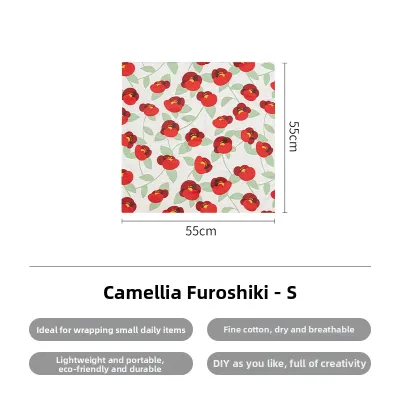
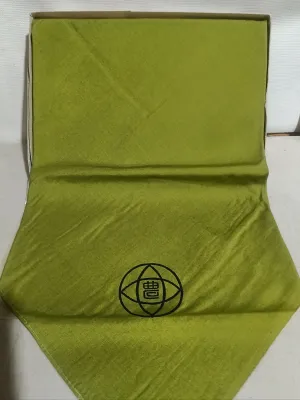
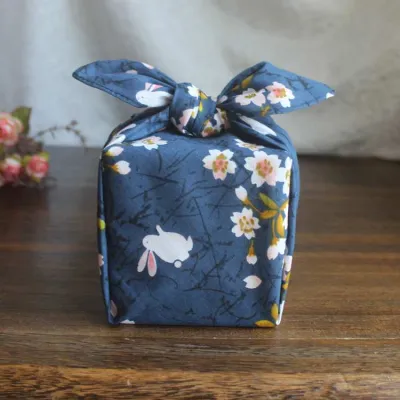
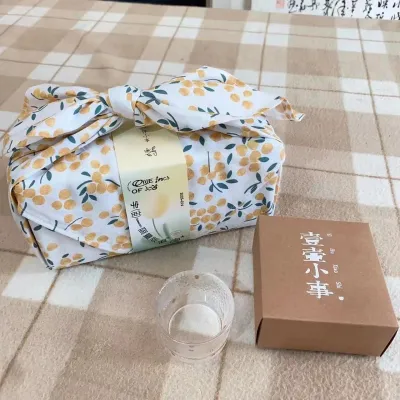
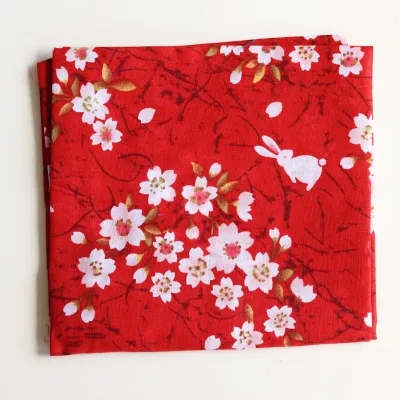
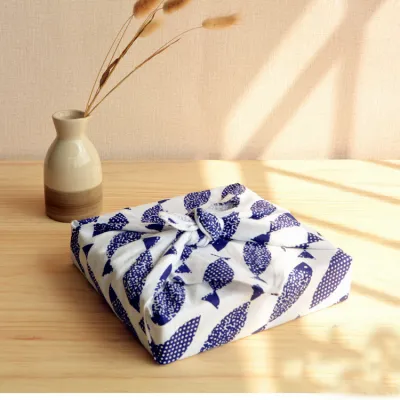
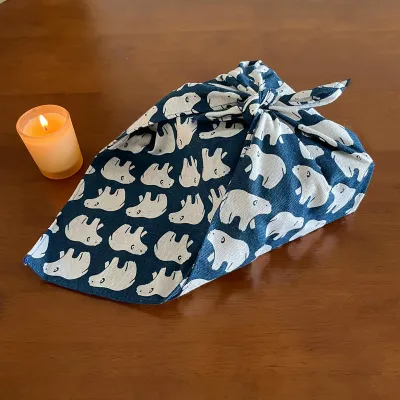
Prices are valid at publication and may change. Please refer to the product page for the latest price.
Bulky, heavy, or highly irregular items require additional fabric allowance. When wrapping objects with deep curves, sharp corners, or protruding parts, add an extra 10% to 20% to your calculated diagonal. This extra space prevents the fabric from stretching too tight, which can cause seams to strain or knots to slip. It also gives you enough material to create decorative flourishes, such as double knots, flower bows, or carry handles.
Standard furoshiki sizes generally fall into four main categories, each suited to specific everyday items:
- Small (45 to 50 cm): Ideal for wrapping bento boxes, small books, jewelry boxes, tea tins, or pocket-sized gifts.
- Medium (70 to 75 cm): The most versatile size, perfect for standard wine bottles, hardcover books, clothing items, and medium-sized gift boxes.
- Large (90 to 100 cm): Suitable for wrapping two wine bottles together, large gift baskets, handbags, or small blankets.
- Extra Large (110 to 120 cm or more): Reserved for very bulky items, luggage, heavy winter coats, or large cushions.
Standard square sizes may not always accommodate extremely long, flat, or highly asymmetrical items. If you attempt to wrap a very long object with a standard square cloth, you may find the corners do not meet or the sides remain exposed. In these cases, you must either look for oversized custom cloths or adapt your wrapping style to use alternative fabric configurations.
Matching Furoshiki Materials to Gift Types and Occasions
The material of your furoshiki wrap cloth determines not only how easy it is to tie but also how the final presentation looks and feels. Cotton and cotton-blends are the most popular choices for everyday use. These fabrics offer excellent durability, a tactile grip that keeps knots from slipping, and the convenience of being machine-washable. They are highly suitable for casual gifts, lunch boxes, and reusable grocery wraps, making them a staple for eco-conscious households.

For formal events or high-value gifts, silk and rayon (such as traditional Japanese chirimen crepe) provide an unmatched level of elegance. Silk has a natural, subtle luster and a delicate drape that flows smoothly over curves. Rayon offers a similar luxurious aesthetic at a slightly lower price point. However, both materials require careful handling; rayon is highly sensitive to moisture and can shrink or lose its texture if washed in water, while silk often requires dry cleaning.
Polyester and synthetic blends offer a highly practical, modern alternative. These fabrics are exceptionally wrinkle-resistant, meaning they look neat and smooth even after being folded and knotted tightly. They are also affordable, dry quickly, and hold vibrant, colorful prints incredibly well. This makes them an excellent choice for frequent reuse, outdoor gatherings, or gifts that may travel long distances.
In tropical climates with high humidity, fabric choice also affects long-term storage. Cotton and polyester are highly breathable and resistant to mold compared to heavy, untreated natural fibers if stored in humid conditions. Before making a final purchase, always verify the fabric care labels and weight specifications. A fabric that is too thick will result in bulky, awkward knots that are difficult to tighten, while a fabric that is too thin may tear under the weight of a heavy gift or reveal the contents underneath. Look for medium-weight fabrics with a tight weave to ensure both opacity and strength.
Recommended Size and Material Pairings for Common Gift Shapes
To streamline your decision-making process, matching specific gift shapes with the ideal size and material combination can ensure a flawless wrap every time.
Rectangular Boxes For items like books, board games, or boxed apparel, a medium-sized (70 to 75 cm) cotton or polyester cloth is highly recommended. These materials have enough structure to hold crisp, clean folds along the box’s edges. The medium weight ensures that the corners look sharp and professional, while the natural friction of cotton keeps the knots secure without slipping.
Cylindrical Items Wrapping bottles, candles, or canisters requires a medium to large (70 to 90 cm) cloth with a bit of texture. Cotton-polyester blends or textured cotton are ideal because they provide the necessary grip to hold the bottle securely. When wrapping a single bottle, a 70 cm cloth allows you to create a secure carry handle at the top, while a 90 cm cloth is necessary if you plan to wrap two bottles together side-by-side.
Irregular or Fragile Shapes For plush toys, handmade ceramics, or potted plants, opt for a larger size allowance (90 to 100 cm) and a softer, more pliable fabric like soft cotton or rayon. These materials conform gently to odd contours without creating stiff, empty pockets of air. The extra fabric volume also provides a light cushioning effect, protecting delicate surfaces from minor scratches during transport.
Flat or Thin Items For documents, art prints, or thin tablets, a smaller (45 to 50 cm) cloth made of stiffer cotton or linen is the best choice. The inherent stiffness of these fabrics helps maintain a flat, rigid structure, preventing the enclosed items from bending or creasing. The smaller size ensures there is no excess fabric bulk that could overwhelm the slim profile of the gift.
Where to Shop and What to Verify Before Buying
When looking to purchase a furoshiki wrap cloth, you will find a variety of options across specialty stationery stores, cultural boutiques, and general online marketplaces. Prices can vary widely depending on the material and craftsmanship, typically ranging from ₱150 for simple synthetic options to ₱1,200 or more for premium imported silk or hand-dyed cotton. Shopping at local cultural boutiques often provides access to authentic designs, while online marketplaces offer a broader selection of modern, budget-friendly patterns.
Before finalizing your purchase on any online platform, it is essential to perform a few quality checks. Always verify the exact dimensions in centimeters or inches rather than relying on generic labels like “medium” or “large,” as sizing standards can differ significantly between brands. Check the product descriptions to ensure the fabric edges are properly hemmed; a double-folded stitched hem or a clean rolled hem is crucial to prevent the fabric from fraying over time.
Additionally, look for warnings regarding colorfastness, especially for vibrant or dark-colored cloths. Some traditional dyes may bleed when exposed to moisture or friction, which could ruin the gift inside or stain the recipient’s hands. If you are wrapping an unusually large or uniquely shaped item, do not hesitate to contact the seller directly to ask about custom sizing or specific material blends that can accommodate your needs.
Frequently Asked Questions (FAQ)
Can I use a standard square furoshiki to wrap a very long, narrow item?
Standard square furoshiki cloths can struggle with extremely long, narrow items because the corners may not stretch far enough to cover the ends, leaving the gift exposed. To wrap these items successfully, you can try wrapping diagonally, placing the object along the diagonal axis of the cloth and rolling it tightly before securing the ends. Alternatively, you can use two smaller cloths tied together, or switch to a rectangular fabric wrap, such as a traditional hand towel, which naturally accommodates elongated shapes.
How do I clean and store my furoshiki wrap cloths after gifting?
To maintain the beauty and longevity of your furoshiki, always consult the manufacturer’s care label before washing or ironing. Cotton and synthetic wraps can generally be hand-washed or machine-washed on a gentle cycle with mild detergent, then hung to dry in the shade to prevent color fading. Silk and rayon wraps require much gentler care, often needing dry cleaning or a delicate hand-wash in cold water without wringing. Store your cloths flat or rolled rather than folded tightly to prevent deep, stubborn creases and protect them from moisture and direct sunlight.
Community discussion
Share your experience or ask a question. Comments are reviewed before publication.