
The G-Tech Point 4 is a staple in classrooms and offices across the Philippines, known for its ultra-fine lines and precision. Understanding its technical specifications helps you determine if this specialty gel pen fits your daily writing tasks, paper choices, and environmental conditions. By breaking down its physical design, ink behavior, and maintenance needs, you can make an informed choice before heading to your local stationery store.
Decoding the Core Specifications of the G-Tech Point 4
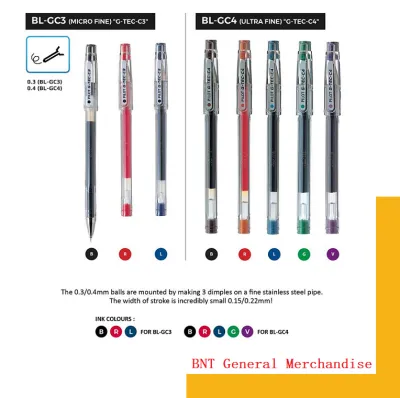
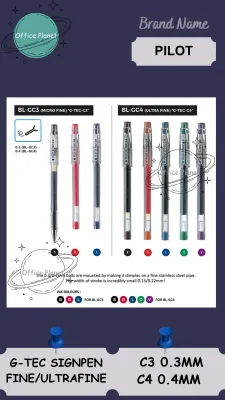
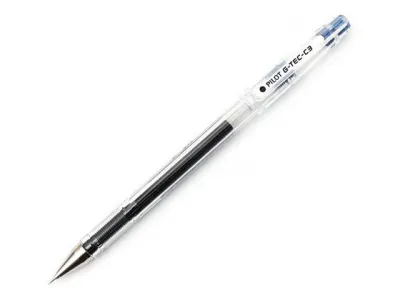
The “4” in the product name denotes a 0.4 mm tip size. However, the actual line width produced on paper is typically much finer, often closer to 0.2 mm depending on your writing pressure and paper absorption. This ultra-fine line is made possible by a specialized stainless steel pipe-three-dimple tip that houses a tiny, rotating carbide ball.
The ink formulation consists of a specialized bio-polymer gel designed to flow smoothly through this narrow tip mechanism. Because it is a water-based gel, it offers a highly saturated color payoff and excellent opacity compared to standard ballpoint pens. However, gel ink flow characteristics mean it requires a brief moment to dry on the page, which can vary depending on the ambient humidity.
Products mentioned in this guide
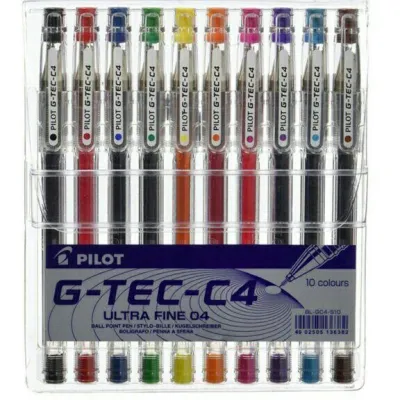
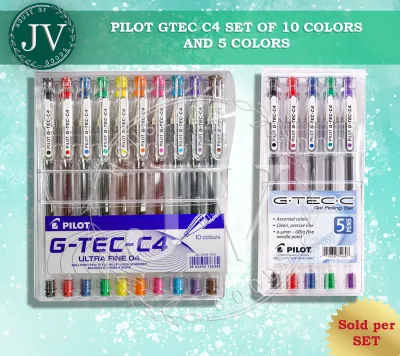
![[FPS FairPriceSupplies] Pilot G-TEC C4 GTEC 0.4 Ultra Fine Ballpoint Pen (Set of 5 Colours Colors)](https://img.lazcdn.com/g/p/7ba77e0aa5d9cd57c7b232fc35690a46.jpg_400x400q80.jpg_.webp)
Prices are valid at publication and may change. Please refer to the product page for the latest price.
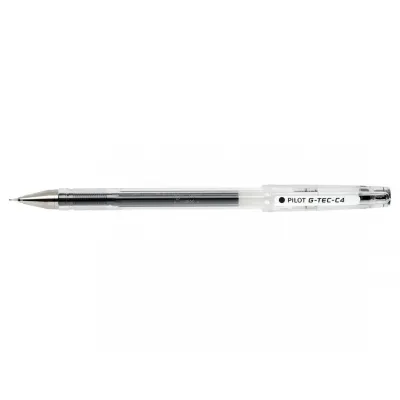
The physical build features a slim, lightweight plastic barrel with a ribbed grip section near the tip. The weight distribution is front-biased when uncapped, which helps guide the fine tip with minimal hand pressure. The ribbed texture provides basic slip resistance, though writers who experience sweaty hands during long writing sessions in tropical climates may want to test the grip comfort over extended periods.
Matching the G-Tech Point 4 to Your Writing Tasks
This pen excels at high-precision tasks rather than rapid, broad-stroke writing. If you regularly write small characters, solve complex mathematical equations, or work on detailed technical drafting, the 0.4 mm tip provides the necessary clarity without crowding your lines. Conversely, for fast-paced, large-scale note-taking, the ultra-fine tip might feel slightly scratchy or catch on paper fibers if held at a steep angle.

Because gel ink is highly saturated, paper selection is critical to your writing experience. On thin, low-grade paper common in standard school notebooks, you may observe feathering, where the ink spreads along the fibers, or ghosting, where the writing is visible on the reverse side. To prevent bleed-through, pair this pen with high-density, smooth paper or dedicated planners, and always perform a quick stroke test in an inconspicuous corner of your notebook.
Left-handed writers or those who need to close their journals quickly should pay close attention to drying times. In humid environments, water-based gel ink remains wet on the paper surface slightly longer than standard oil-based ballpoint ink. If you write quickly, your hand may drag across the fresh ink, causing smudges. Testing the drying speed on your specific paper type is the best way to ensure clean, smudge-free pages.
Verifying Product Condition and Storage Requirements
When purchasing a new pen, inspect the tip closely before writing. The delicate pipe-three-dimple tip can become bent or clogged if dropped or stored improperly on retail shelves. Before committing to an important document, scribble a few light loops on a scrap piece of paper to check for consistent ink flow and ensure the line does not skip.
To prevent premature ink evaporation, always listen for the distinct click when replacing the cap. Leaving the pen uncapped exposes the water-based gel ink to the air, which can cause a tiny plug of dried ink to form at the tip, blocking the flow. If the pen has been left uncapped, scribbling gently on a damp paper towel can sometimes draw out the dried ink and restore the flow.
Store your pens horizontally or tip-down in a cool, dry place away from direct sunlight. In tropical climates, extreme heat can cause the air inside the barrel to expand, leading to ink leakage or air bubbles in the reservoir. Keeping them in a dedicated pencil case or drawer helps maintain consistent ink delivery and extends the lifespan of the pen.
Frequently Asked Questions (FAQ)
Can the G-Tech Point 4 be refilled?
Yes, you can refill this pen to reduce waste and save money. To verify refill compatibility, check the manufacturer’s label or packaging for official refill codes. You can safely inspect the barrel by unscrewing the plastic cone near the tip; this allows you to slide out the empty ink reservoir and replace it with a fresh refill cartridge without damaging the outer casing.
Is the ink waterproof or smudge-resistant?
The bio-polymer gel ink offers moderate water resistance once fully dried, but it is not completely waterproof. To verify its performance on your specific paper, write a few words, let them dry completely, and then place a single drop of water over the text. If the ink bleeds or smears easily, avoid using it for official documents, shipping labels, or archival records where water exposure is a risk.

Community discussion
Share your experience or ask a question. Comments are reviewed before publication.