
Choosing between a gel pen and a ballpoint pen for school notes and exams depends on whether you prioritize effortless writing speed or smudge-resistant reliability. Gel pens offer rich, dark lines that make notes highly legible, but they require longer drying times. Ballpoint pens use thick, oil-based ink that dries instantly and lasts longer, making them highly reliable for fast-paced exams on thin paper, though they require more hand pressure. Understanding how these two popular school supplies perform under daily classroom conditions will help you build the ultimate pencil case for the academic year.
How Gel and Ballpoint Inks Actually Work
The fundamental difference between these two writing instruments lies in the chemistry of their ink and how it flows onto the page. Ballpoint pens utilize a highly viscous, oil-based paste. This ink is designed to cling to the rotating metal ball at the tip, transferring to the paper as a thin, fast-drying film. Because the oil-based solvent evaporates almost immediately upon contact with air and paper fibers, the risk of smearing is exceptionally low.
Gel pens, on the other hand, use a water-based gel that suspends pigment colorants. This ink is thixotropic, meaning it remains thick and jelly-like while at rest inside the cartridge but thins out instantly under the friction of the spinning ball point. This transition allows for a much heavier, more fluid release of ink onto the paper. The water-based nature of gel ink means it must soak into the paper fibers to dry, rather than sitting on top of the surface like oil-based ink. This absorption creates a highly opaque, solid line with excellent visual contrast, though it leaves the paper wetter for a brief period.
Products mentioned in this guide
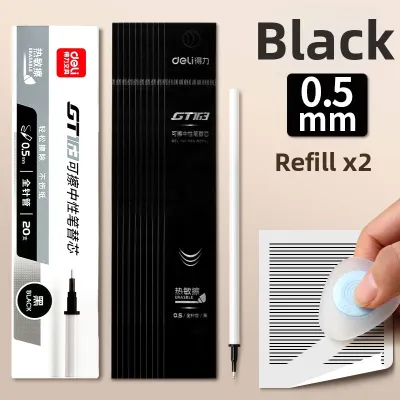
Prices are valid at publication and may change. Please refer to the product page for the latest price.
Smoothness and Writing Speed for Daily Notes
When you are rushing to copy down lecture slides or capture a teacher’s spoken explanations, writing speed is paramount. Gel pens excel in this scenario because they require virtually zero downward pressure to write. The fluid ink acts as a natural lubricant between the metal tip and the paper, allowing the pen to glide effortlessly across the page. This low-friction experience supports rapid, cursive, or print strokes without skipping, making it easier to maintain a fast writing pace during long lectures.

In contrast, ballpoint pens require a distinct amount of physical downward force to get the thick ink flowing. The friction between the ball and the paper is noticeably higher, which can slow down your writing speed over time. On very smooth or glossy paper, a ballpoint pen might skip or fail to start immediately because the ball cannot grip the surface to rotate. However, on rougher, low-grade paper, the ballpoint pen remains highly consistent, whereas a gel pen might deposit too much ink, causing the paper to warp or the lines to feather outward.
Legibility, Smudging, and Exam Paper Reliability
While gel pens produce beautiful, high-contrast lines that are easy to read during late-night study sessions, they carry a higher risk of smudging. In humid tropical climates, such as in the Philippines, high atmospheric moisture can significantly prolong the drying time of water-based gel inks. For left-handed students whose hands naturally drag across the freshly written line, or for fast writers who need to turn pages quickly, this slow drying time can result in messy, smeared notes and ink-stained palms.
Paper quality also plays a major role in how these inks behave. Standard school notebook paper is often thin and highly absorbent. When you use a gel pen on this type of paper, the liquid ink can easily bleed through to the reverse side of the page, rendering it unusable for double-sided note-taking. It can also cause feathering, where the ink spreads sideways into the paper fibers, making fine handwriting look blurry. Ballpoint pens are far more forgiving on cheap paper; their oil-based ink rarely bleeds through or feathers, ensuring that both sides of your notebook pages remain clean and legible.
Comfort and Fatigue During Long Study Sessions
Extended writing sessions, such as writing essay exams or taking hours of study notes, can take a physical toll on your hand. The constant downward pressure required by ballpoint pens often leads to hand cramping, finger fatigue, and wrist strain. Students who use ballpoint pens for long periods may find themselves gripping the barrel too tightly to compensate for the resistance of the thick ink, which disrupts their writing rhythm and causes physical discomfort.
Gel pens offer a much more ergonomic writing experience because they allow your hand to remain relaxed. Because the ink flows with the lightest touch, you can maintain a loose, comfortable grip on the pen barrel. Many student-grade gel pens are also designed with soft rubber grips or wider barrels to further reduce finger strain. If you frequently experience hand fatigue during exams, switching to a gel pen can help you write continuously for longer periods without discomfort, provided the exam rules allow it.
Cost, Refills, and Everyday School Value
Budget is a key consideration when stocking up on school supplies. Ballpoint pens are incredibly cost-effective and are often sold in inexpensive bulk packs. A single ballpoint pen can cost as little as ₱5 to ₱15, making them easy to replace if lost or borrowed by classmates. Furthermore, because ballpoint pens deposit a very thin layer of highly concentrated ink, they have an incredibly long lifespan. A single pen can last for months of heavy daily use before running dry.
Gel pens generally carry a higher upfront cost, with standard student models ranging from ₱20 to ₱80 each. Because they deposit a thick layer of liquid ink, they also run out of ink much faster than ballpoints. This means you will need to replace or refill them more frequently. Fortunately, many popular gel pen models are designed to be refillable. Purchasing gel refills is significantly cheaper than buying entirely new pens, making it a more sustainable and budget-friendly choice for students who prefer the gel writing experience.
Decision Guide: Which Pen Should You Pack for School?
To choose the right pen for your school bag, evaluate your writing style, your paper quality, and your specific academic tasks. You should choose gel pens if you prioritize dark, highly legible lines, write with a light hand, and use thicker, high-quality notebooks that can handle liquid ink without bleeding. Gel pens are also excellent for creative note-taking, color-coding, and mind-mapping where visual contrast is important.
On the other hand, you should choose ballpoint pens if you need absolute reliability on thin exam papers, require instant drying to prevent smudges, or want a pen that will last an entire semester without needing a refill. Ballpoint pens are the safest choice for timed, high-stakes exams where you cannot afford to wait for ink to dry or risk bleeding through the answer sheet.
Before making a final decision, always verify your school’s specific exam regulations. Many standardized tests and board exams in the Philippines strictly require black ballpoint pens for machine-readable answer sheets, as gel ink can smear on optical scanners or bleed through thin paper. Finally, always test a single pen on your actual school notebook paper before purchasing a bulk pack to ensure the ink and paper work well together.
Frequently Asked Questions (FAQ)
Can I use gel pens for standardized board exams?
Standardized exams and professional board exams often have strict rules requiring black ballpoint pens. The high-speed optical mark recognition (OMR) scanners used to grade answer sheets can misread gel ink if it smudges, bleeds through to the back of the sheet, or reflects scanner light incorrectly. Additionally, erasable gel pens should never be used for official exams or documents. The ink in erasable pens is heat-sensitive and can completely disappear if the exam papers are exposed to high temperatures, such as inside a hot vehicle or storage room.
Why does my gel pen skip or stop writing midway?
Gel pens can skip or stop writing due to tiny air bubbles in the cartridge, dried ink clogging the tip, or paper fibers getting trapped in the ball mechanism. In warm, humid environments, natural oils from your hands can also transfer to the paper surface, creating a barrier that water-based gel ink cannot penetrate. To restore the ink flow safely, try scribbling gentle circles on a piece of scrap paper or a rubber eraser to dislodge any debris. You can also store the pen tip-down in a cup for a few hours to let gravity push the ink past any air pockets. Avoid using heat or harsh chemicals, which can permanently damage the pen tip.
Community discussion
Share your experience or ask a question. Comments are reviewed before publication.