
Selecting the ideal stationery set for daily writing often comes down to a fundamental choice between gel pens and ballpoint pens. While gel pens are celebrated for their fluid, low-friction glide that makes writing feel effortless, ballpoint pens offer unmatched reliability, quick drying times, and versatility across different paper types. In tropical climates where high humidity can affect how paper fibers absorb ink, this choice becomes even more critical for maintaining clean, legible notes. The right option for your desk depends on your writing style, the paper you use, and your daily environment.
By understanding how these two pen types operate, you can select a stationery set that enhances your writing comfort and productivity. Whether you are a student preparing for long exams, a professional signing documents, or a creative journaler, the mechanics of your pen play a significant role in your daily routine. Let us explore the key differences in ink formulation, ergonomics, and paper compatibility to help you make an informed decision.
Understanding Ink Mechanics and Tip Design
To understand why one pen glides more smoothly than another, it helps to look at the science behind the ink. Gel pens use a water-based gel formulation that holds pigments in suspension. This ink is thixotropic, meaning it remains thick and viscous while at rest inside the refill but becomes highly fluid under the shear force of the rolling ball. This allows a generous, consistent flow of vibrant ink to transfer to the page with minimal physical effort, creating a highly saturated line.
Products mentioned in this guide
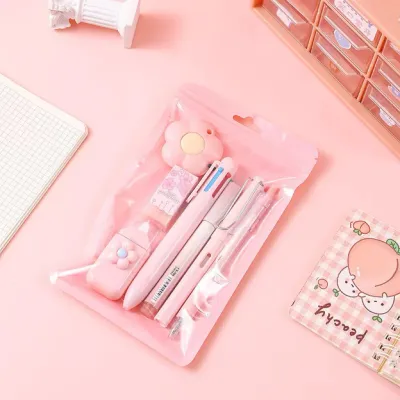
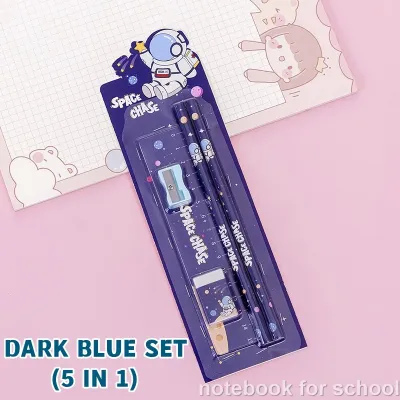
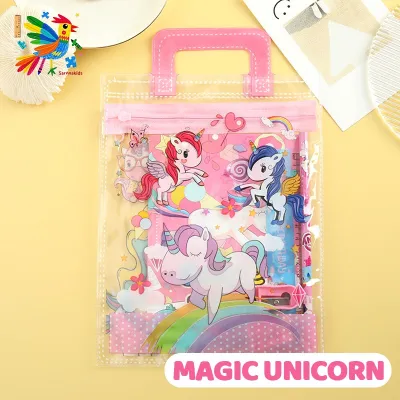
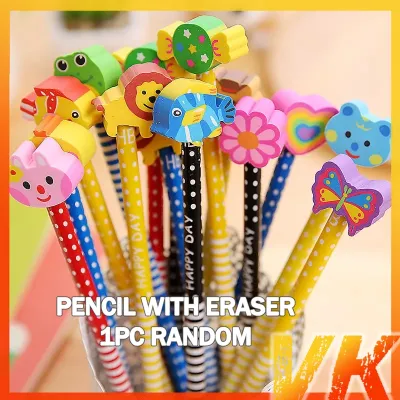
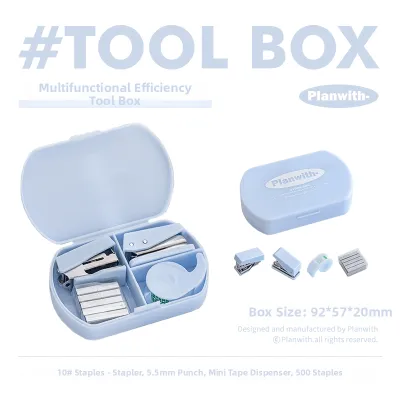
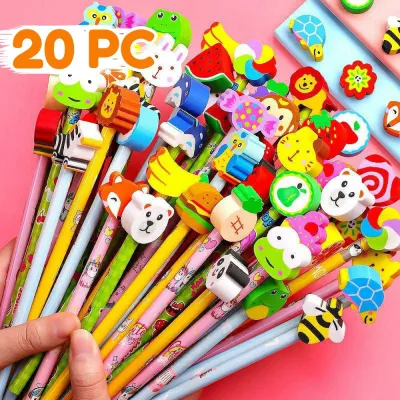
Prices are valid at publication and may change. Please refer to the product page for the latest price.
In contrast, traditional ballpoint pens utilize a thick, oil-based paste. This ink relies on a high-viscosity solvent that requires physical friction against the paper surface to rotate the ball and transfer the paste. Because the oil-based ink is inherently sticky and dense, it does not flow as freely as water-based gel ink. However, this high viscosity is precisely what makes ballpoint ink incredibly stable, long-lasting, and resistant to drying out inside the cartridge.
Tip size also plays a major role in how smooth a pen feels. Stationery sets commonly offer tip sizes ranging from ultra-fine (0.38mm) to bold (1.0mm). A larger tip size, such as 0.7mm or 1.0mm, provides a greater surface area for the ball to roll, allowing more ink to lubricate the tip’s movement across the paper and resulting in a noticeably smoother feel. Conversely, ultra-fine tips offer excellent precision for tight spaces but can feel slightly scratchy if the pen is held at a steep angle. Because performance and ink consistency vary by manufacturer, always check the product packaging or specifications for exact tip and ink details.
Comparing Writing Smoothness and Hand Comfort
The physical sensation of writing is directly tied to the amount of pressure your hand must apply. Because gel ink flows so freely, gel pens require almost zero downward pressure to leave a dark, vivid mark. This low-friction glide allows your hand to move effortlessly across the page, which can significantly reduce muscle tension in your fingers, hand, and wrist during long writing sessions. For students taking extensive lecture notes or professionals drafting long reports, this ease of use is a major benefit.

Ballpoint pens, on the other hand, require a steady, deliberate downward force to keep the ball rotating and the thick ink transferring. Over extended periods, this continuous pressure can lead to hand fatigue, finger cramping, or writer’s cramp. If you write quickly or for hours at a time, you may find yourself gripping a ballpoint pen much tighter to maintain consistent line quality, which compounds physical strain.
To counteract hand fatigue, many high-quality stationery sets incorporate thoughtful ergonomic designs. When browsing for a set, look for pens that feature soft, rubberized, or textured silicone grips that cushion your fingers. The barrel diameter also matters; a slightly wider barrel can prevent your hand from clenching too tightly, while a balanced weight distribution ensures the pen sits comfortably in the web of your hand. If you are shopping at a physical retail store, take a moment to hold the pens and simulate writing to assess their comfort before purchasing.
Paper Compatibility and Smudge Resistance
The interaction between ink and paper is a critical factor that is often overlooked when choosing a stationery set. Gel ink, being water-based, takes longer to dry and is easily absorbed by paper fibers. In humid tropical climates, paper naturally absorbs moisture from the air, making it even more susceptible to feathering—where the ink spreads sideways into the fibers—and bleeding, where the ink shows through to the reverse side of the page. This can make your writing look messy on thin, low-quality school pad paper or cheap notebook pages.
Ballpoint pens perform exceptionally well on almost any paper surface. Because the oil-based paste does not saturate the paper fibers, it rarely bleeds or ghosts, even on thin copy paper, carbonless duplicate forms, or slightly glossy receipts. This makes ballpoint sets highly reliable for everyday administrative tasks, outdoor paperwork, or quick note-taking on whatever paper is close at hand.
Furthermore, drying time is a vital consideration, especially for left-handed writers whose hands naturally drag across freshly written text. Gel ink can take several seconds to dry completely, presenting a high risk of smudging and leaving ink stains on your hand and paper. Ballpoint ink dries almost instantly upon contact with the page, virtually eliminating the risk of smudges. To ensure a frustration-free writing experience, check the paper weight—measured in grams per square meter (GSM)—of your notebooks. A paper weight of 80 GSM or higher is ideal for gel pens, while ballpoint pens can easily handle lighter 50 GSM to 70 GSM papers.
What to Look for in a Daily Use Stationery Set
When evaluating a complete stationery set, look beyond the primary pen type to assess the overall value, durability, and utility of the package. One of the most practical factors to consider is the availability and cost of compatible refills. A high-quality pen body is only useful long-term if you can easily source replacement ink cartridges. In the local market, individual refills typically cost between ₱15 and ₱60, making refillable sets a highly economical and environmentally friendly choice compared to disposable alternatives.
Additionally, examine the complementary items included in the stationery set. Many comprehensive bundles package pens alongside mechanical pencils, highlighters, erasers, or correction tape. These sets offer excellent value for school or office tasks, ensuring you have all your essential tools in a cohesive design and color scheme. Purchasing a coordinated set can also save you money compared to buying each item individually.
Finally, pay close attention to the build quality of the pen casings and mechanisms. Look for durable plastics or lightweight metals, secure caps that click firmly into place, or reliable retraction mechanisms that do not jam. A loose cap or a faulty clicker can lead to dried-out ink or accidental stains on your clothes or inside your bag. Always verify the exact contents, color assortments, and technical specifications listed by the seller before finalizing your purchase on online marketplaces.
Decision Framework: Choosing the Right Pen Set
To help you decide which stationery set best fits your daily routine, consider how your writing habits align with the strengths of each pen type.
Choose a gel pen set if:
- You prioritize an effortless, fluid writing experience with minimal hand strain.
- You prefer highly saturated, vibrant ink colors and crisp, dark lines.
- You primarily write on high-quality, thick paper (80 GSM or above) in a controlled indoor environment.
Choose a ballpoint pen set if:
- You need a reliable, quick-drying pen that will not smudge, which is especially important for left-handed writers.
- You frequently write on various paper types, including thin, cheap, or glossy surfaces.
- You need a dependable pen for on-the-go writing, outdoor tasks, or filling out multi-part carbonless forms.
Before making your final choice, verify if you have specific ergonomic needs that require specialized grips, or if you need specialized archival-safe or waterproof ink for official legal documents. Taking these personal requirements into account will ensure you select a stationery set that keeps your writing smooth, comfortable, and clear.
Frequently Asked Questions (FAQ)
Can I use gel refills in a standard ballpoint pen body?
Generally, gel and ballpoint refills are not interchangeable due to differences in their physical dimensions, tip designs, and internal mechanisms. Gel refills often have wider barrels to accommodate the thicker gel formulation and prevent the water-based ink from drying out, whereas ballpoint refills are typically narrower. Additionally, the spring mechanism in retractable pens is often calibrated for a specific refill shape and weight. Forcing an incompatible refill into a pen body can damage the internal spring, jam the retraction mechanism, or cause the ink to leak inside the barrel. To avoid these issues, always check the manufacturer’s specifications or packaging for exact refill compatibility models before purchasing replacements for your stationery set.
Community discussion
Share your experience or ask a question. Comments are reviewed before publication.