
When choosing a stationary supplies set, the debate between gel pens and ballpoint pens inevitably centers on writing smoothness. Gel pens generally deliver a noticeably smoother, more fluid glide across the page because their water-based ink flows with minimal resistance. Ballpoint pens, utilizing a thick, oil-based ink, offer more tactile feedback and drag, which some writers describe as scratchy but others value for control. The ultimate winner depends on how the ink interacts with your paper, your writing speed, and your physical grip.
How Ink Mechanics Define the Writing Feel
To understand why one pen feels slicker than another, we must look at the chemistry of the ink inside the cartridge. Gel ink consists of a water-based suspension containing biopolymers and pigments. This formulation is thixotropic, meaning it behaves as a thick gel while at rest but thins out and liquefies under the shear stress of the rotating ball at the pen’s tip. This rapid transition allows the ink to flow onto the paper with almost no physical resistance, creating a lubricating layer between the metal tip and the paper fibers.
In contrast, ballpoint ink is a highly viscous, oil-based paste. It relies on the physical friction of the ball rolling against the paper to pull the sticky ink out of the reservoir. Because the paste is thick, it does not flow freely; instead, it requires continuous drag to transfer. This inherent resistance is what gives ballpoint pens their characteristic feedback, which can feel stiff or sluggish compared to the effortless glide of a gel pen.
Products mentioned in this guide
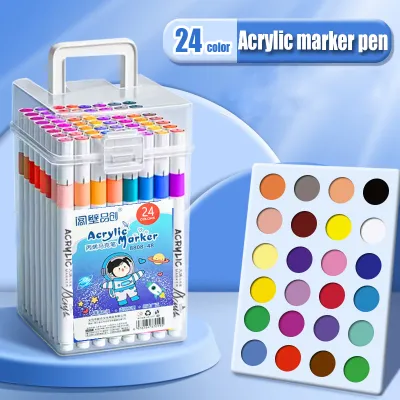
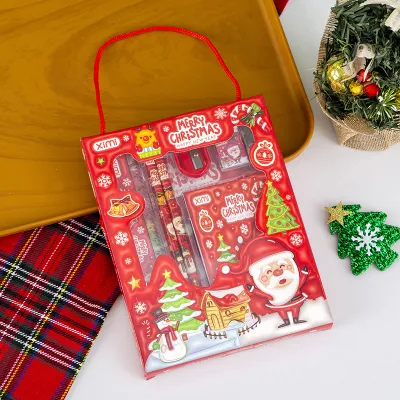
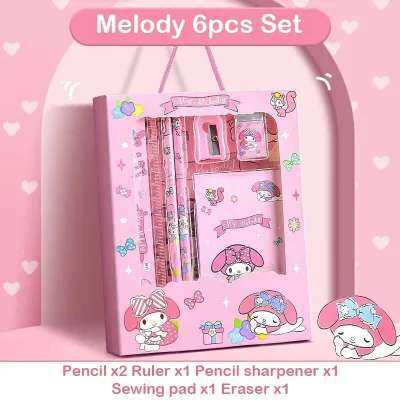
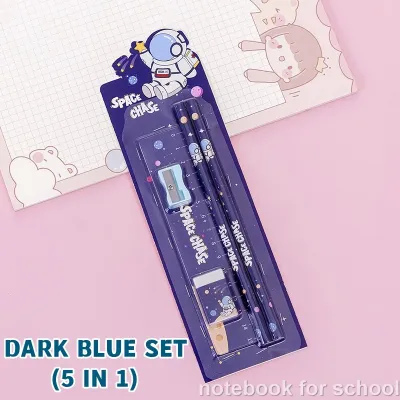
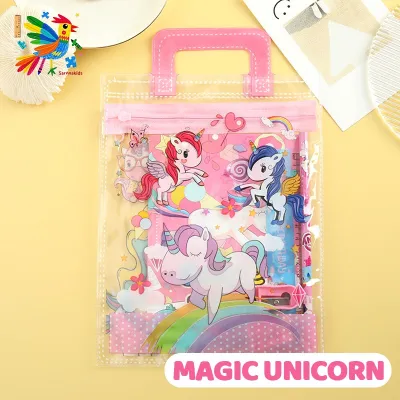
Prices are valid at publication and may change. Please refer to the product page for the latest price.
The physical size of the pen’s nib also dictates the friction you feel. Larger nib sizes, such as 0.7mm or 1.0mm, present a larger surface area and deposit a more generous volume of ink, which acts as a lubricant. A fine 0.5mm gel pen may feel scratchier than a medium 0.7mm ballpoint simply because the finer tip can catch on the microscopic texture of the paper. Therefore, smoothness is not solely a property of the ink itself, but rather a dynamic interaction between ink viscosity, nib size, and the texture of the writing surface.
Writing Comfort: Managing Friction and Hand Fatigue
Physical comfort during long writing sessions is directly tied to how much downward force you must apply to keep the ink flowing. Because ballpoint pens use a thick paste, they require a relatively high amount of writing pressure. Over hours of taking notes, filling out forms, or journaling, this constant downward pressure forces your hand muscles to work harder. This often leads to white knuckles, finger cramping, and fatigue in the thumb and palm muscles.

Gel pens, on the other hand, require almost no downward pressure to write. The liquid ink flows instantly upon contact with the paper, allowing you to maintain a relaxed, light grip. This effortless flow makes gel sets highly popular among students and professionals who write continuously, as it significantly reduces physical strain and hand fatigue.
However, the design of the pen barrel in your stationary supplies set plays an equally important role in overall comfort. Many budget-friendly bundles feature basic, hard plastic barrels with no ergonomic contouring. In warm, humid tropical climates, sweat can quickly make these smooth plastic surfaces slippery. To compensate, writers often grip the pen tighter, which inadvertently increases hand fatigue. When selecting a set, look for pens that feature textured or rubberized grip zones to absorb moisture and provide a secure, comfortable hold without requiring excessive finger pressure.
Ink Behavior: Drying Time, Smudging, and Paper Compatibility
While gel pens excel in smoothness, their high water content introduces specific challenges regarding drying time and paper compatibility. Gel ink deposits a wet, thick line that remains vulnerable to smudging for several seconds after writing. In highly humid environments, where the air is saturated with moisture, the paper fibers absorb the water-based ink more slowly, extending the drying time even further. This poses a significant challenge for left-handed writers, whose hands naturally glide over the freshly written text, resulting in unsightly smudges and ink-stained palms.
Ballpoint ink, being oil-based, dries almost instantaneously upon contact with the paper. This rapid drying makes ballpoints highly reliable for quick, on-the-go note-taking, signing receipts, and left-handed writing, regardless of the ambient humidity.
Paper quality also dictates how these inks behave. Gel ink is prone to feathering—where the ink spreads outward along the paper fibers—and bleed-through, where the ink seeps through to the opposite side of the page. This is particularly common on thin, low-grade paper often found in budget notebooks. Ballpoint ink, because of its high viscosity, sits on top of the paper fibers rather than soaking into them, preventing bleed-through even on very thin sheets.
To verify how a pen set will perform with your favorite notebooks, perform a simple paper compatibility test. Draw a small grid on a back page, write a few letters in each box, wait three seconds, and swipe your finger across. Observe the smear distance and check the reverse side of the page for any ghosting or ink bleed.
Evaluating Stationery Supplies Sets: What to Check Before Buying
When shopping for a stationary supplies set, it is easy to be swayed by attractive packaging or a high piece count. To ensure you get a bundle that matches your writing needs, start by verifying the ratio of pen types included. Some sets are heavily weighted toward one style, while others offer a balanced mix of gel and ballpoint pens. Look for sets that specify the nib sizes, as having a variety (such as 0.5mm for detailed diagrams and 0.7mm for standard text) provides greater versatility.
Next, consider the long-term value and environmental impact of the set by checking refill compatibility. Many budget bundles consist of disposable pens with sealed barrels. Once the ink runs out, the entire plastic pen must be discarded. Opt for sets where the pens feature unscrewing barrels that accept standard, widely available refill cartridges. This not only saves money over time but also reduces plastic waste.
Finally, inspect the physical build quality of the pens in the bundle. Check the tension of the pocket clips; metal clips or high-quality flexible plastic are less likely to snap when clipped to thick notebook covers. Ensure that retractable click mechanisms operate smoothly without sticking, and that capped pens have a tight, secure seal to prevent the ink from drying out prematurely.
Decision Guide: Choosing the Right Pen Set for Your Style
To make the final choice for your stationary supplies set, consider your daily writing environment and personal habits.
Choose a gel pen set if you prioritize a fluid, gliding sensation, write primarily on high-quality, thick paper, prefer highly saturated and vibrant ink colors, and want to minimize hand strain during long writing sessions.
Choose a ballpoint pen set if you frequently write on thin, cheap, or recycled paper, need your ink to dry instantly to prevent smudging, write on carbon copy forms or receipts that require physical pressure, or need a highly durable pen that performs reliably in humid conditions.
If your daily tasks vary, look for a hybrid stationery bundle that includes both types, allowing you to switch between the effortless glide of gel for creative writing and the reliable, quick-drying performance of ballpoints for rapid note-taking.
Frequently Asked Questions (FAQ)
Do gel pens run out faster than ballpoint pens?
Yes, gel pens consume ink at a much faster rate than ballpoint pens. Because gel ink has a lower viscosity, the pen deposits a significantly thicker layer of liquid onto the paper with every stroke. Ballpoint pens, using a highly concentrated oil-based paste, release only a microscopic layer of ink, allowing a single cartridge to last much longer. When evaluating a stationery set, look for pens with transparent barrels or clear ink windows so you can easily monitor your remaining ink levels.
Can I mix gel and ballpoint refills in the same pen body?
Generally, no. Gel and ballpoint pens are engineered with different internal dimensions, spring tensions, and tip designs to accommodate their specific ink viscosities. Attempting to force a gel refill into a ballpoint pen body usually results in leaks, a jammed click mechanism, or a poor fit that causes the tip to wobble. Always check the specific refill model number printed on the pen barrel or consult the manufacturer’s instructions before purchasing replacements.
Community discussion
Share your experience or ask a question. Comments are reviewed before publication.