
Choosing the right material for an upholstery project is a major decision that affects both the aesthetic appeal and the long-term usability of your furniture. Whether you are planning to reupholster a worn-out dining room set, design a custom headboard, or restore a classic armchair, the fabric market offers three primary options: genuine leather, polyurethane (PU) leather, and bonded leather. Each material presents distinct characteristics in terms of origin, durability, tactile feel, and overall cost.
In tropical environments like the Philippines, where high relative humidity and warm temperatures are constant factors, these material differences become even more pronounced. Understanding how each leather type handles moisture, daily wear, and fabrication will ensure your DIY sewing or professional upholstery project stands the test of time.
Quick Comparison: Genuine, PU, and Bonded Leather
When sourcing materials for a home DIY project or custom upholstery work, navigating fabric markets can be overwhelming. The choice between genuine, PU, and bonded leather represents a fundamental trade-off between longevity, ease of maintenance, and upfront cost.
Products mentioned in this guide
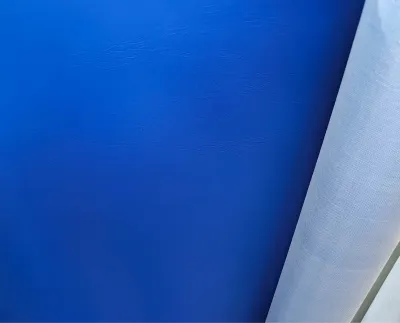
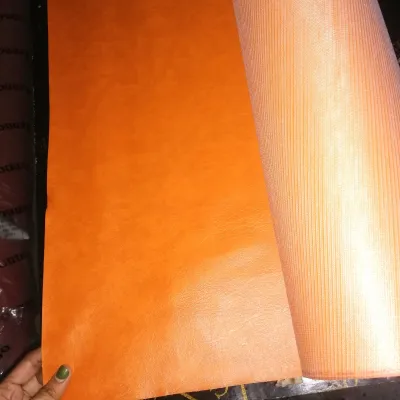
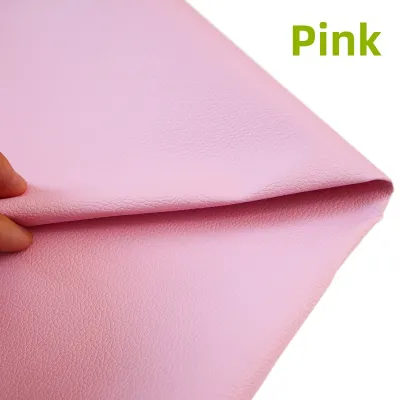
Prices are valid at publication and may change. Please refer to the product page for the latest price.
Genuine leather represents the premium tier, offering remarkable durability and a natural patina that improves with age, though it demands a significant financial investment and regular conditioning.
PU leather acts as the practical, mid-range workhorse. It resists moisture, is easy to clean, and is readily available by the linear yard in a vast array of colors and textures, making it highly popular for busy households.
Bonded leather sits at the entry-level price point. While it offers a uniform leather-like appearance at a fraction of the cost, its composite structure makes it highly vulnerable to peeling and flaking over time.
Selecting the right upholstery material requires balancing your budget with the expected traffic of the furniture piece and your willingness to perform routine upkeep.
Material Composition: What Are You Actually Buying?
Understanding the physical anatomy of these materials is crucial before you start cutting patterns or running them through a sewing machine. The composition directly dictates how the fabric stretches, breathes, and responds to stitching.

Genuine Leather
Genuine leather is a completely natural material derived from animal hides, typically processed into top-grain or full-grain cuts for upholstery. Unlike synthetic rolls, each hide is unique, retaining natural markings, scars, and variations in thickness across its surface.
To transform raw hides into stable upholstery material, they undergo extensive tanning and finishing processes. These treatments preserve the organic fibers, preventing decay while enhancing flexibility and resistance to wear.
Because it is an organic skin, genuine leather contains pores that allow it to breathe, adjusting naturally to body temperature—a highly valued characteristic in warm tropical settings.
PU (Polyurethane) Leather
PU leather is a 100% synthetic fabric comprised of a woven or non-woven fabric backing coated with a layer of liquid polyurethane polymer. This backing, often made of polyester, cotton, or a blend, provides the material’s structural tensile strength.
The synthetic top layer is mechanically embossed with textured rollers to mimic the natural grain patterns of genuine hide.
Because the backing material determines how much the fabric stretches during upholstery, DIYers must inspect whether the backing is woven (stiff) or knit (stretchy) before planning their cuts and seams.
Bonded Leather
Bonded leather is a reconstituted, composite material made by shredding real leather scraps and fibers left over from tannery manufacturing. These shredded particles are mixed with polyurethane or latex binders and pressed onto a fiber or paper backing.
The actual leather content in bonded leather is typically quite low, often ranging between 10% and 30% depending on the manufacturer’s specifications.
To finish the material, the surface is spray-painted or coated with a thin polyurethane film and embossed to create a uniform, flawless leather texture that masks its composite interior.
Durability and Performance in Humid Climates
The tropical climate of the Philippines, characterized by high relative humidity and elevated temperatures, serves as a rigorous testing ground for upholstery fabrics. Moisture and ambient heat interact differently with natural fibers compared to synthetic polymers.
Genuine Leather Genuine leather excels in structural durability, resisting tears and punctures under heavy daily use, and it naturally softens over time. However, its organic nature makes it susceptible to environmental moisture.
In high-humidity rooms, stagnant air can cause mold or mildew to develop on the surface of natural leather hides. To prevent this, upholstered pieces require placement in well-ventilated spaces and periodic treatment with specialized, pH-balanced leather conditioners.
Always check the manufacturer’s care instructions or leather type specifications to verify its suitability for humid environments and to identify approved conditioning products.
PU Leather PU leather is highly practical for tropical climates because its synthetic top layer is entirely non-porous, making it highly resistant to water absorption, sweat, and liquid spills. It does not harbor mold or mildew in the way untreated natural leather can.
However, PU leather is vulnerable to thermal and physical degradation over time. High ambient heat, combined with heavy friction or prolonged exposure to direct sunlight coming through windows, can cause the polyurethane layer to break down, eventually leading to cracking or peeling.
Bonded Leather Bonded leather exhibits the lowest durability among the three options, particularly in humid environments. The adhesives and binders holding the shredded leather fibers together are highly sensitive to moisture and temperature fluctuations.
As these internal bonding agents degrade, the material is prone to rapid peeling, flaking, and scratching. Once the thin top layer begins to separate from the fiber backing, the damage is irreversible, making it unsuitable for high-use furniture or humid spaces.
Verification Step Before purchasing any leather upholstery fabric, ask the supplier or check the product specification sheet for its abrasion resistance rating, commonly measured in Martindale or Wyzenbeek double rubs. For residential upholstery, a rating of 15,000 to 30,000 double rubs is generally recommended.
Physically inspect the fabric backing by pulling the material firmly in both directions; if the backing fibers easily separate from the top coating or show immediate distortion, the material may fail prematurely under tension.
Cost Factors When Buying Leather Upholstery per Yard
When planning an upholstery project, calculating your material budget requires understanding how different leather types are measured and priced in local markets. The unit of measurement varies significantly between natural hides and synthetic rolls.
Genuine leather is rarely sold by the standard linear yard. Because animal hides are irregular in shape, suppliers price and sell genuine leather by the square foot or as whole hides.
When comparing genuine leather to synthetic alternatives, you must convert your furniture’s yardage requirements into total square footage, factoring in a waste margin of 20% to 30% to account for the irregular contours and natural flaws of the hide.
In contrast, synthetic PU leather is sold by the linear yard, making it much easier to calculate for DIY projects. It is manufactured in continuous rolls with a standard, consistent fabric width—most commonly 54 inches (approximately 137 centimeters).
This standardized width allows sewers to lay out patterns efficiently, minimizing waste and simplifying the buying process at local fabric hubs or online marketplaces.
Bonded leather is also sold by the linear yard and typically represents the lowest upfront cost. However, buyers should weigh this low initial price against long-term replacement costs; because bonded leather has a short lifespan, you may find yourself reupholstering the same piece of furniture much sooner than if you had invested in PU or genuine leather.
Actionable Advice Always verify the exact roll width with your supplier before purchasing fabric per yard. A narrower roll (such as 48 inches) will require you to purchase more linear yards to cover the same furniture dimensions compared to a standard 54-inch roll.
How to Choose the Right Material for Your Project
Selecting the ideal material depends on how the finished furniture will be used, who will be using it, and the capabilities of your sewing equipment.
High-Traffic Furniture For daily-use family sofas, dining room chairs, and office seating, durability is the primary priority. Genuine leather is an excellent long-term investment if your budget allows and you can commit to regular maintenance.
Alternatively, a high-quality, heavy-duty PU leather with a high double-rub rating provides outstanding durability, easy wipe-clean maintenance, and superior resistance to spills and humidity at a more accessible price point.
Low-Traffic or Decorative Items For accent pillows, headboards, light-use ottomans, or decorative wall panels, bonded leather or standard-grade PU leather are highly cost-effective options. Since these items experience minimal friction and body contact, the risk of rapid wear and peeling is significantly reduced.
Sewing and Fabrication Checks Before cutting your selected fabric, ensure your sewing machine and tools are properly matched to the material’s thickness and weight. Upholstery-grade leather and heavy PU fabrics require specialized handling.
Always use a dedicated leather needle (often designated as a wedge-point or cutting-point needle) in a suitable size, such as 90/14 or 100/16, to cleanly pierce the dense material without tearing it.
Test the material’s drape and stiffness on a scrap piece first; very stiff backings may require a walking foot or a Teflon presser foot on your sewing machine to ensure smooth, even feeding without skipped stitches.
Frequently Asked Questions (FAQ)
Can I use regular sewing machine needles for PU and bonded leather?
Standard sewing machine needles are not recommended for upholstery-grade PU and bonded leather. While a standard needle might pierce thin apparel-grade synthetics, thick upholstery backing requires a dedicated leather needle or heavy-duty denim needle. Standard needles can cause skipped stitches, thread shredding, or permanent, unsightly holes that weaken the material’s seam line.
How do I clean and maintain genuine leather upholstery?
To maintain genuine leather, dust the surface regularly with a dry, soft microfiber cloth. For deeper cleaning, use a pH-balanced leather cleaner and a compatible conditioner strictly according to the manufacturer’s care instructions. Avoid using harsh household detergents, bleach, excess water, or steam, as these can strip the natural oils and cause the leather to dry out and crack.
Is PU leather considered vegan?
Yes, PU leather is generally considered vegan because its primary components are synthetic polyurethane polymers and a fabric backing such as polyester or cotton. However, because some manufacturing processes may use animal-derived finishing agents or adhesives, you should verify the specific product label or consult the supplier to confirm a 100% vegan certification if that is a priority for your project.
Community discussion
Share your experience or ask a question. Comments are reviewed before publication.