
Choosing the right cover material for your journal determines how well your thoughts, sketches, and daily logs will be preserved over time. If you are looking for an heirloom-quality notebook that develops a unique character and lasts for decades, genuine leather is the traditional choice. For those seeking a budget-friendly, animal-free option with a wide variety of colors, polyurethane (PU) leather offers a highly practical alternative. Meanwhile, bonded leather serves as a middle ground for those who want a real leather scent and texture at a lower price point, though it comes with distinct durability limits. Understanding these material differences ensures you select a journal that matches your writing habits, aesthetic preferences, and budget.
Core Differences: Genuine, PU, and Bonded Leather Explained
To make an informed purchase, you must first understand what these materials actually consist of, as marketing terms can sometimes be ambiguous. Genuine leather is a broad category made from real animal hides. Within this category, you will primarily encounter full-grain and top-grain leather. Full-grain leather retains the entire natural grain of the hide, including all its unique imperfections and maximum strength. Top-grain leather has the very top layer sanded down to remove blemishes, resulting in a smoother, more uniform finish that is slightly thinner and more pliable.
PU leather, or polyurethane leather, is an entirely synthetic material. It is created by applying a liquid polyurethane coating to a backing material, which is typically made of polyester, cotton, or shredded leather fibers. Because it contains no actual animal hide, it is frequently labeled as faux leather, synthetic leather, or vegan leather. This material is highly customizable, allowing manufacturers to emboss it with realistic grain patterns and dye it in virtually any color.
Products mentioned in this guide
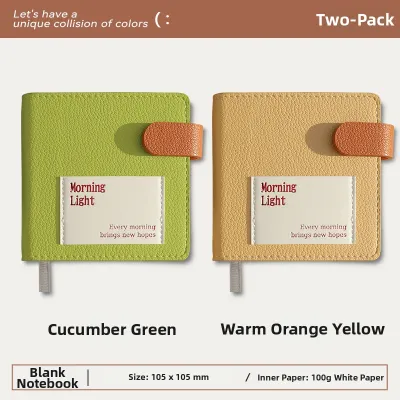

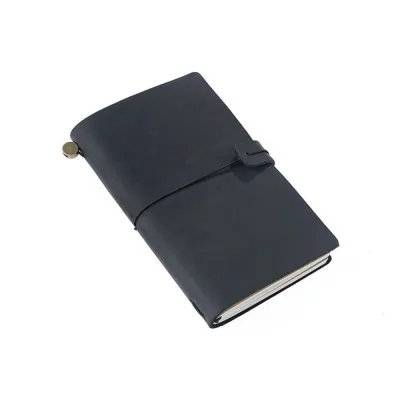
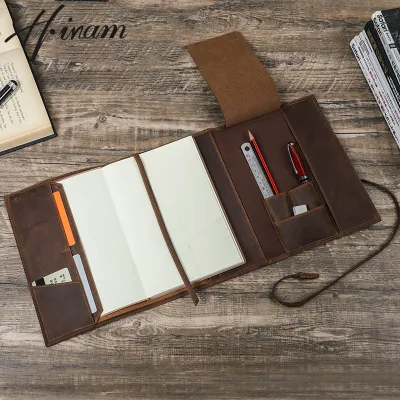
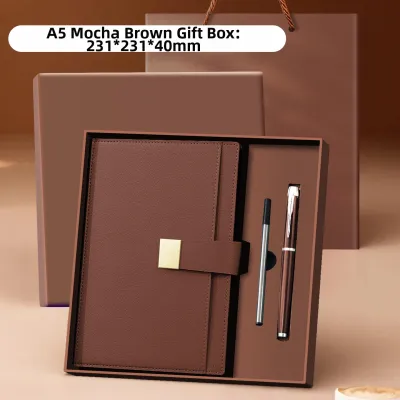
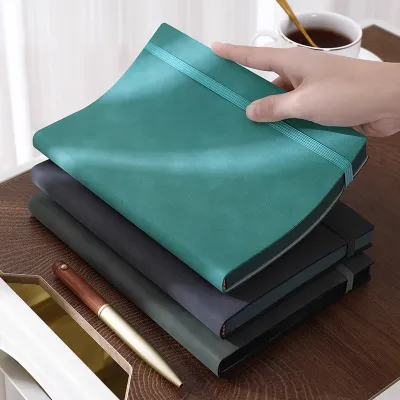
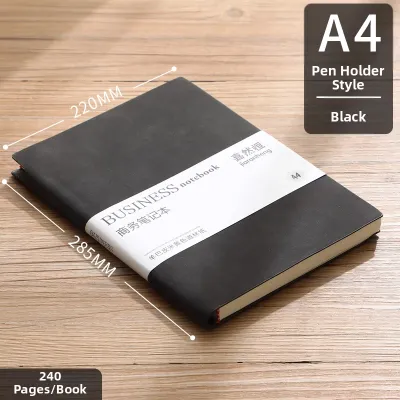
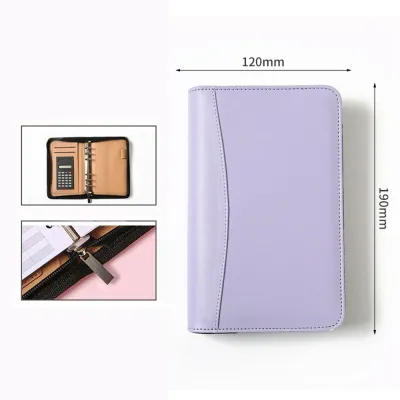
Prices are valid at publication and may change. Please refer to the product page for the latest price.
Bonded leather occupies the space between natural and synthetic. It is manufactured by shredding leftover scraps of genuine leather from tanneries and bonding them together using polyurethane or latex binders onto a fiber mesh backing. The resulting material typically contains between 10% and 30% real leather fibers. It is then embossed with a leather-like texture and finished with a protective coating, offering a leather-like appearance at a fraction of the cost of a whole hide.
Key Comparison Dimensions for Journal Buyers
When selecting a journal, evaluating the cover material requires looking past promotional buzzwords and focusing on observable physical characteristics. How a journal performs during daily use depends on several practical factors, including how it handles environmental exposure, how it feels in your hands, and whether its construction justifies its price tag.

Durability, Aging, and Patina
Genuine leather is highly regarded for its exceptional durability and its unique ability to age gracefully. Over years of handling, genuine leather absorbs oils from your hands and exposure to light, developing a rich, darkened sheen known as a patina. It can withstand significant flexing, folding, and being tossed into bags without losing its structural integrity. While the edges may scuff and the surface may scratch, these markings often enhance its rugged, classic appearance rather than ruining it.
PU leather does not age in the same manner and will never develop a natural patina. While it is initially highly resistant to water and minor spills, the synthetic polyurethane layer tends to degrade over time. With regular flexing along the spine of the journal, PU leather can begin to crack, peel, or flake away from its fabric backing. This degradation is accelerated by friction, heat, and humidity, meaning a heavily used PU journal may show significant aesthetic wear within a few years.
Bonded leather is the least durable of the three options. Because it is made of bonded scraps rather than a continuous fiber network, it lacks tensile strength. The material is prone to cracking along stress points, such as the hinge where the cover bends to open. Once the bonding agents begin to break down, the surface can peel away in large patches, and the edges may fray rapidly, revealing the fibrous backing underneath.
Texture, Weight, and Sensory Experience
The sensory experience of holding a journal is a major part of the writing ritual. Genuine leather offers a highly tactile experience, featuring natural grain variations, small scars, and pores that make every cover unique. It has a distinct, earthy scent that many stationery enthusiasts associate with high-quality notebooks. Initially, a genuine leather cover may feel stiff, but it gradually softens, conforms to your grip, and becomes more flexible the more you handle it.
PU leather provides a highly uniform texture because the grain pattern is mechanically embossed onto the synthetic surface. It is generally lighter in weight than genuine leather, making it an excellent choice for writers who carry their journals everywhere. However, it lacks the natural warmth of real hide and can sometimes feel slightly plastic-like or rubbery to the touch. Instead of an earthy leather scent, new PU leather journals may carry a faint, temporary chemical or plastic smell.
Bonded leather attempts to mimic the sensory qualities of genuine leather by incorporating real leather fibers, which often gives it a subtle, authentic leather scent. However, its texture is usually quite stiff and rigid due to the heavy use of synthetic binders. The surface grain is completely uniform and embossed, lacking the natural irregularities of a true hide. While it feels more substantial than thin PU, it does not soften or mold to your hands over time.
Budget and Value Assessment
The manufacturing processes behind these materials directly influence their price points. Genuine leather journals represent a premium investment because sourcing, tanning, and crafting real animal hides require skilled labor and high-quality raw materials. However, if you plan to keep an archival journal or a daily planner that must survive years of travel, the long-term value of genuine leather is exceptionally high, as you will not need to replace the cover.
PU leather journals are highly economical to produce, making them widely accessible. They are ideal for temporary notebooks, quick bullet journals, or school notebooks where the contents will be filled quickly and the book archived on a shelf rather than carried daily. If you are shopping on e-commerce platforms, be cautious of listings with suspiciously low ₱ price tags that claim to be “100% genuine leather.” Authentic leather covers require a certain baseline cost to produce, so extremely cheap options are almost always PU or low-grade bonded leather.
Bonded leather sits in a tricky value position. It is priced slightly higher than basic PU leather but significantly lower than genuine leather. While it offers a temporary aesthetic upgrade over standard cardboard or paper covers, its short lifespan means it may not provide the best long-term value. If you want a professional-looking notebook for a short-term project or a single semester of classes, bonded leather can fit the bill, but it is rarely suitable for multi-year journaling.
Quick Comparison Matrix
The following table summarizes how these three cover materials compare across key practical categories to help you quickly narrow down your choice.
| Material | Composition | Aging Characteristics | Maintenance Needs | Best Use Case |
|---|---|---|---|---|
| Genuine Leather | 100% natural animal hide (full-grain or top-grain) | Develops a rich patina; softens and darkens with use | Occasional dusting; periodic conditioning in dry climates | Archival journals, heirloom diaries, and long-term planners |
| PU Leather | Synthetic polyurethane coating on a fabric backing | Does not patina; may crack or peel at flex points over time | Wipe clean with a damp cloth; keep away from high heat | Budget-conscious writers, vegan preferences, and colorful designs |
| Bonded Leather | Shredded leather scraps bonded with polyurethane binders | Prone to cracking and peeling along the spine and edges | Wipe clean with a dry cloth; avoid moisture and heavy flexing | Short-term professional notebooks and low-cost executive gifts |
How to Verify Leather Claims Before Buying
When shopping for a leather journal, especially on online marketplaces where you cannot physically touch the product, verifying the material claims is essential. Start by reading the product specifications carefully. Look for precise terms like “full-grain leather” or “top-grain leather.” If a listing simply says “leather” but the price is incredibly low, check the detailed description or the Q&A section for terms like “PU,” “faux,” “synthetic,” or “vegan.”
If you are shopping in a physical stationery store, you can use several visual and tactile checks to verify the material. Examine the edges of the cover; genuine leather will have a slightly fibrous, rough edge unless it has been heavily painted or sealed, whereas PU leather often shows a clean, cut edge with a visible fabric or mesh backing underneath. Look closely at the pore pattern on the surface. Genuine leather has an irregular, random pore structure, while PU and bonded leather exhibit a perfectly repeating, mechanical pattern.
You can also perform a simple scent test. Genuine leather has a distinct, rich, organic smell that cannot be easily replicated. PU leather will either have no scent at all or a faint chemical, plastic-like odor. When buying online, do not hesitate to ask the seller direct questions. Ask whether the cover is made from animal hide or synthetic polyurethane, and check customer reviews to see if previous buyers have reported peeling, cracking, or a strong chemical smell upon unboxing.
Making Your Final Decision
Choosing the right journal cover ultimately comes down to aligning the material’s properties with your personal writing habits and lifestyle.
You should choose a genuine leather journal if you view your writing as a long-term investment. If you are keeping a personal diary, a family recipe book, or a professional log that you want to pass down to future generations, the durability and beautiful aging process of genuine leather make it well worth the higher initial cost. It is also the ideal choice for those who appreciate the sensory experience of natural textures and classic leather scents.
You should choose a PU leather journal if you prefer a lightweight, highly portable notebook that comes in vibrant colors or modern designs. It is the perfect option for students, casual journalers, and anyone who prefers animal-free products. PU leather is also excellent if you tend to fill up notebooks quickly and transition to new ones frequently, as you will not be paying a premium for a cover designed to last decades.
You should choose a bonded leather journal if you want a formal, executive-style notebook for short-term use, such as a single business project or a conference. It provides a neat, professional appearance at a low cost, provided you do not expect it to survive heavy daily wear or humid storage conditions.
Before finalizing your purchase, always verify how the cover material interacts with the journal’s binding and paper. A heavy, high-GSM paper block or a thick refillable binder mechanism requires a sturdy cover. If you choose a journal with thick, heavy paper but a weak bonded leather cover, the weight of the paper and the tension of the binding can cause the cover to tear or warp prematurely.
Caring for Your Leather Journal
Proper maintenance will extend the life of your journal cover, regardless of the material you choose. For genuine leather, regular care is straightforward but essential, especially in tropical climates like the Philippines where high humidity can encourage mold growth. Keep your journal in a well-ventilated area and dust it regularly with a soft, dry microfiber cloth. If the leather begins to feel dry, apply a very small amount of specialized leather conditioner, following the manufacturer’s specific instructions, and buff it gently. Avoid exposing genuine leather to prolonged moisture or direct sunlight, which can cause it to warp or fade.
For PU and bonded leather, maintenance is even simpler but requires different precautions. You can clean the surface by wiping it gently with a slightly damp cloth to remove dirt or fingerprints. Never use harsh chemical cleaners, alcohol-based wipes, or solvents, as these can dissolve the polyurethane coating and trigger premature peeling. Keep synthetic covers away from direct heat sources, such as hot laptops or sunny windowsills, as heat can dry out the synthetic layers and cause them to crack.
If your journal suffers severe damage, such as a torn binding, deep stains, or structural splitting, it is best to stop any DIY cleaning attempts. Consult the manufacturer’s care guide or seek advice from a professional bookbinder to avoid causing irreversible damage to your written pages.
Frequently Asked Questions (FAQ)
Does the cover material affect paper bleed-through?
No, the cover material has no direct impact on whether your ink bleeds through the pages. Paper bleed-through, ghosting, and feathering are entirely determined by the quality, weight (measured in GSM), and coating of the inner paper block, as well as the type of ink you use. The cover material and the paper block are physically separate components of the journal. If you plan to write with fountain pens, heavy gel pens, or markers, you should focus on choosing a journal with high-GSM, fountain-pen-friendly paper, regardless of whether the cover is genuine, PU, or bonded leather.
Can I repair a peeling PU leather journal cover?
Unfortunately, once a PU leather cover begins to peel or flake, the damage is generally irreversible. Peeling occurs because the synthetic polyurethane layer has broken down and detached from its fabric backing, and there is no seamless way to re-bond these microscopic layers at home. While some temporary adhesive patches or vinyl repair compounds exist, they rarely look clean on a journal cover and can interfere with the cover’s flexibility. The best approach is preventive care, such as keeping the journal away from high heat and friction. Once severe peeling begins, it usually indicates that the cover has reached the end of its aesthetic lifespan.
Community discussion
Share your experience or ask a question. Comments are reviewed before publication.