
Setting Your Fabric Budget: What to Expect from Gina Silk
Gina silk is one of the most widely used utility fabrics in the Philippines, prized for its smooth finish, vibrant colors, and highly accessible price point. While genuine mulberry silk commands premium luxury prices, the material locally known as “Gina silk” (or simply Gina fabric) is a budget-friendly synthetic alternative—typically made of polyester—that mimics the sheen of silk at a fraction of the cost. It is a staple in local sewing projects, frequently selected for school uniforms, event decorations, table skirting, and linings for formal wear.
Because textile prices fluctuate due to supply chain shifts, import duties, and local retail markups, establishing a rigid, single price point can lead to budgeting errors. Instead, understanding the structural cost drivers—such as wholesale volume discounts, fabric width, and sourcing channels—allows you to plan your sewing projects with precision. Prices can vary between wholesale hubs in Manila and boutique retail shops in regional provinces, making a flexible budgeting framework essential.
The primary goal of this guide is to help you allocate your funds wisely, prioritize your project needs, and verify fabric quality before making a purchase. By focusing on the physical specifications and sourcing strategies that dictate the cost per yard, you can avoid overpaying and ensure your chosen material performs beautifully for its intended application.
Products mentioned in this guide
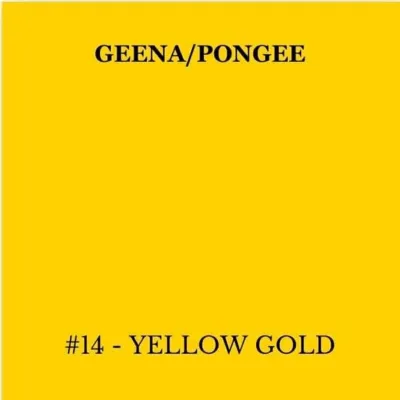
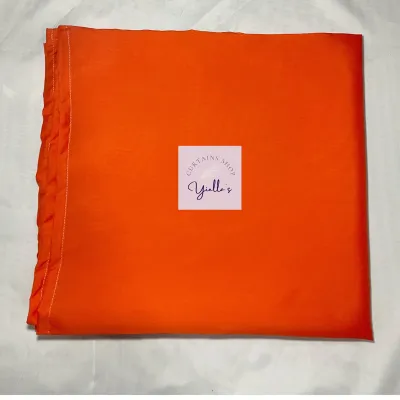
![Pongee Fabric Geena Silk Gina Cloth [60 inches width] per yard](https://img.lazcdn.com/g/ff/kf/Sfd8aa837b5e0492fb646272087d1e043Z.jpg_400x400q80.jpg_.webp)
![Geena/Pongee/Gina Silk [Makapal pagka Geena Continuous yard per color Sold per yard]](https://img.lazcdn.com/g/p/f1b884ed409e28c3aec72a404c9d739c.jpg_400x400q80.jpg_.webp)

Prices are valid at publication and may change. Please refer to the product page for the latest price.
Fabric Specifications That Drive the Cost Per Yard
The term “silk” can be misleading to those new to textiles. In the Philippine market, Gina silk is almost exclusively a 100% polyester fabric finished with a characteristic semi-glossy sheen. It is vital to distinguish this from pure natural silk, which is harvested from silkworm cocoons and costs significantly more. Polyester Gina silk is highly durable, wrinkle-resistant, and affordable, but it lacks the breathability and heat-regulation of natural fibers. If your project demands high breathability for the humid Philippine climate, verifying the fiber content is a non-negotiable step.

Not all Gina fabrics are woven to the same standard, and the weight of the fabric directly influences its price and performance. The fabric’s weight, often indicated by its weave density, determines how opaque and durable the material will be. Lightweight variants are highly flexible and serve well as inner linings for dresses or lightweight curtains, but they can be prone to slipping and fraying at the seams. Heavier-weight Gina fabrics offer better structural integrity and opacity, making them ideal for table skirting, stage backdrops, and structured uniforms, though they carry a slightly higher cost per yard due to the increased raw material density.
Gina silk is commonly sold in standard widths, typically 60 inches (approximately 152 cm). When calculating your budget, the width of the bolt is just as critical as the price per yard. A wider fabric provides a higher yield per linear yard, allowing you to lay out large pattern pieces—such as full skirts or wide drapery panels—with fewer seams. Always verify the exact width of the bolt before purchasing, as some discount sellers may offer narrower 45-inch bolts at a lower price point, which actually increases your overall yardage requirement and total cost.
Solid-colored Gina silk is the most economical option, available in a vast spectrum of shades from school-uniform navy to festive fiesta reds. Printed Gina silk, featuring floral, geometric, or custom designs, carries a premium price. The cost increase reflects the additional manufacturing steps, ink consumption, and the risk of print misalignment. When budgeting, consider whether a solid color can achieve your design goals, as intricate prints not only cost more per yard but also require extra yardage to align patterns across seams.
When managing a tight budget, prioritize specifications that affect the structural success of your project. You can easily compromise on color shades or choose a solid over a print to save money. However, fabric width and fiber suitability are non-negotiable. For instance, using a synthetic Gina fabric as a lining for a heavy, non-breathable outer garment intended for outdoor daytime wear in high humidity can cause extreme discomfort. In such cases, investing in a more breathable blend is a necessary expense.
Choosing the Right Sourcing Channel for Your Volume
For large-scale projects, sourcing directly from wholesale hubs like Divisoria in Manila, Taytay in Rizal, or local public market textile sections offers the lowest possible price per yard. These districts operate on volume; buying by the roll (usually 50 to 100 yards) significantly reduces the unit cost. However, wholesale shopping requires preparation. You must be ready for cash-only transactions, carry your own transport, and navigate crowded alleys. Additionally, wholesale sellers rarely allow you to cut custom fractions of a yard, meaning you must commit to bulk quantities.
If your project is small or highly specialized, retail fabric stores in commercial centers or malls are the practical choice. While the per-yard price of Gina silk is higher here to cover retail overhead, these stores offer precise cutting down to the quarter-yard. You also benefit from a cleaner, air-conditioned environment where you can carefully inspect the fabric for defects, and store staff can offer reliable advice on matching threads and notions. This channel is ideal for prototyping, school home economics projects, or single-garment tailoring.
Online marketplaces offer unparalleled convenience, allowing you to browse hundreds of colors from home. However, online shopping introduces hidden costs and risks. Shipping fees can quickly offset any savings on the per-yard price, especially for heavy rolls. Furthermore, digital screens often distort colors, and you cannot feel the drape or check the stiffness of the fabric beforehand. Return policies on cut fabric are notoriously strict, so online sourcing is best reserved for standard, repeat purchases where you already know the exact brand or seller quality.
To optimize your spending, apply a simple volume-based decision rule. If your project requires more than 15 yards of a single color—such as for catering setups, theatrical backdrops, or a batch of school uniforms—make the trip to a wholesale district. For quantities under 15 yards, or when you need an exact color match for a specific dress, the convenience and precision of a local retail store or a trusted online seller with swatches outweigh the wholesale savings.
Calculating Your Total Project Cost Beyond the Per-Yard Price
The raw yardage specified by a pattern is rarely the exact amount you need to purchase. You must factor in a waste buffer. For standard solid Gina silk, adding a 10% to 15% buffer to your total yardage is standard practice to account for cutting mistakes, fabric distortion during shipping, and minor shrinkage. If you are working with a printed Gina fabric that requires pattern matching, increase this buffer to 20% or 25% to ensure the designs align seamlessly across seams without running short.
A successful sewing project requires more than just the main fabric. Gina silk is a lightweight, slippery synthetic material that requires specific sewing notions. You must budget for fine sewing machine needles (typically size 11/75 or 70/10) to prevent puckering and fabric damage. Additionally, high-quality polyester threads that match the fabric color, lightweight fusible interfacing to stabilize collars or cuffs, and compatible lining materials must be factored into your initial budget to avoid unexpected trips to the store.
The long-term cost of owning a textile item is often overlooked. Fortunately, polyester-based Gina silk is highly durable and machine-washable, making it far cheaper to maintain than natural silk. It resists wrinkling and dries quickly in humid tropical weather. However, because it is synthetic, it is highly sensitive to heat. Ironing Gina silk on a high setting will melt or scorch the fibers instantly, ruining your hard work. Factor in the cost of a low-heat iron or a protective pressing cloth to safeguard your investment during construction and daily wear.
If your total calculated project cost exceeds your budget, implement strategic material substitutions rather than abandoning the project. If you planned to use Gina silk as both the outer fabric and the lining, consider substituting a cheaper, lighter utility lining fabric for the interior panels while keeping the Gina silk for the visible exterior. Alternatively, reduce the fullness of your patterns—such as opting for a straight skirt instead of a gathered circle skirt—to significantly cut down on the required yardage.
Quality Verification: Ensuring You Pay for True Value
Before handing over your money, perform a thorough physical inspection of the fabric. Unroll a few yards of the Gina silk and hold it up to the light. Check for consistency in the weave; there should be no sudden thick spots (slubs), loose threads, or visible snags. Run your hand across the surface to ensure the semi-glossy finish is uniform and does not feel excessively stiff or sticky, which can indicate a heavy chemical sizing agent used to mask low-quality weaving.
Always verify the technical specifications with the seller or by reading the bolt label. Confirm the exact width (60 inches is standard, but 45-inch variants exist) and ask about the fiber content. If the seller claims the fabric is a “silk blend,” ask for the specific percentages of polyester and natural fibers. Reputable sellers should be able to provide these details or allow you to inspect the manufacturer’s stamp on the edge (selvage) of the fabric roll.
While a burn test is a classic method for identifying fiber content, it must be approached with extreme caution. In a burn test, natural silk burns slowly, smells like burning hair, and leaves a crushable black ash. Polyester Gina silk, on the other hand, melts rapidly, produces a chemical odor, and leaves a hard, uncrushable black bead. Never attempt a burn test inside a retail store or without the explicit permission of the seller. It should only be conducted in a controlled, well-ventilated outdoor environment using a tiny scrap of fabric and proper safety tools.
Be highly suspicious of prices that seem too good to be true, especially on “clearance” bolts. Cheap Gina silk often suffers from dye lot inconsistencies, meaning two rolls of the same color code may look noticeably different under natural light. Other red flags include uneven selvages (the self-finished edges of the fabric), which indicate tension issues during weaving that will cause the fabric to warp and puck when sewn, and a strong chemical odor that does not dissipate after airing out.
Community discussion
Share your experience or ask a question. Comments are reviewed before publication.