
Glass beads are among the most versatile materials in jewelry making, offering an endless array of colors, shapes, and finishes. However, not all glass beads are created equal; their quality depends heavily on how they are manufactured, finished, and inspected. Understanding the differences between artisan lampwork, machine-pressed Czech glass, and tiny seed beads allows you to choose the right materials for your projects, ensuring your handmade jewelry remains durable and beautiful over time.
Selecting the right bead involves balancing aesthetic goals with structural requirements. While a bead’s color might catch your eye on an online marketplace or in a local craft store, its physical integrity determines whether your finished piece will last for years or break after a few wears. By learning what to look for, you can make informed purchasing decisions and avoid common crafting frustrations.
Common Types of Glass Beads for Jewelry Making
Lampwork beads are handcrafted by melting glass rods over a torch flame, a process that allows for intricate internal designs, such as floral patterns, swirls, and gold foil inclusions. Because each bead is individually shaped by an artisan, they often feature slight variations in size, shape, and hole alignment. These unique characteristics make them ideal as standalone focal pieces rather than uniform components in a highly structured pattern.
Products mentioned in this guide
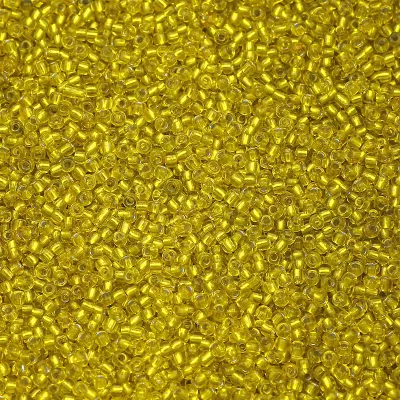
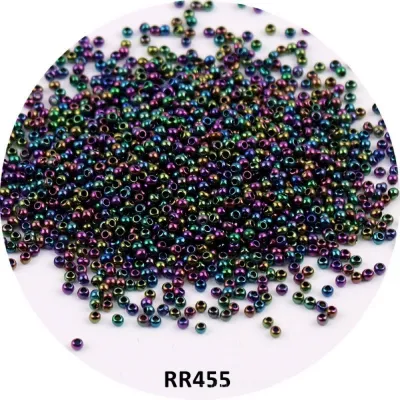
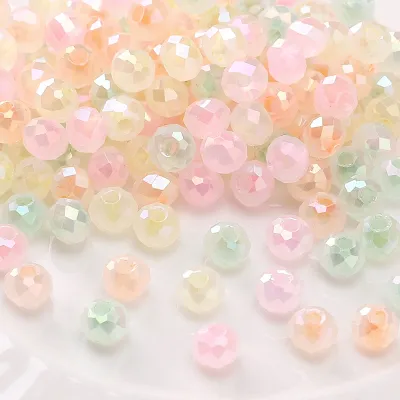
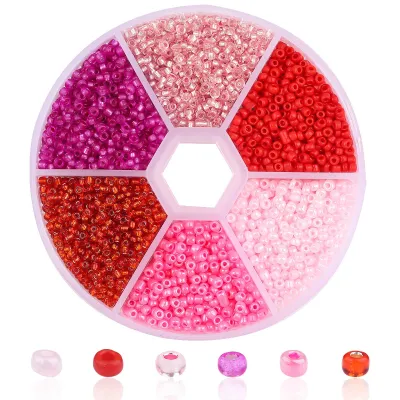
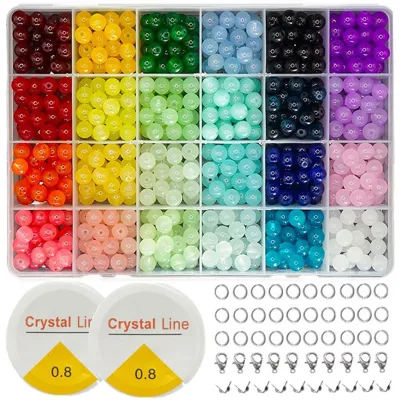
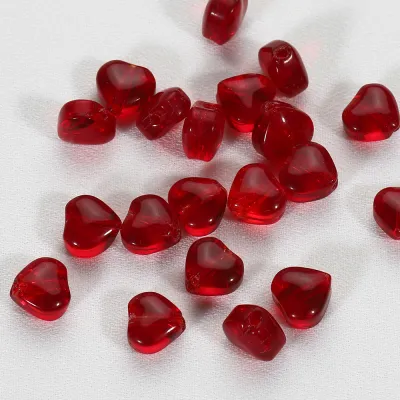
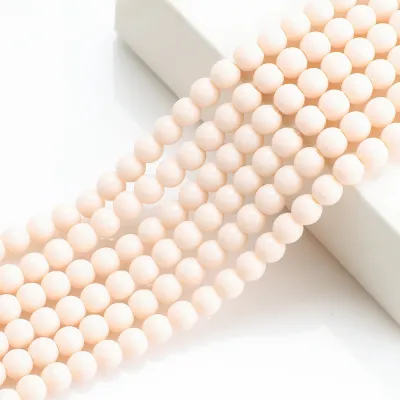
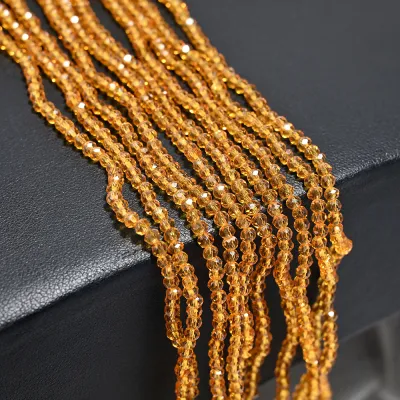
Prices are valid at publication and may change. Please refer to the product page for the latest price.
Czech pressed glass beads are produced by pressing molten glass into precise molds. This machine-driven process results in highly uniform shapes, ranging from classic rounds and teardrops to complex multi-hole geometric shapes. Czech glass is renowned for its consistency, smooth edges, and wide variety of finishes, such as luster, aurora borealis, and matte coatings, making them a staple for structured jewelry designs.
Seed beads are extremely small beads primarily used for bead weaving, loom work, and embroidery. They are categorized by standard sizing systems known as aught sizes, such as 8/0, 11/0, or 15/0, where a higher number indicates a smaller bead. High-quality seed beads feature exceptional uniformity in size, shape, and hole diameter, which is essential for creating flat, cohesive beadwork that does not warp.
Observable Checkpoints for Evaluating Glass Bead Quality
Dimensional consistency is the first major indicator of quality, especially when working on intricate patterns where even a fraction of a millimeter of variation can cause your beadwork to warp. To evaluate consistency, lay a row of beads side-by-side on a flat surface. High-quality beads will align perfectly, while lower-quality alternatives will show noticeable differences in thickness, length, and overall shape.

Hole inspection is a critical factor that is often overlooked but directly impacts the durability of your jewelry. Examine the entry and exit points of the bead holes under good lighting or with a magnifying loupe. Quality glass beads have clean, fire-polished, or smoothly drilled holes. Rough, sharp edges or leftover glass debris inside the hole can easily slice through delicate nylon threads, silk cords, or elastic bands, causing your jewelry to break unexpectedly.
Surface and color clarity should be inspected closely to identify structural defects that compromise the bead’s integrity. Look for trapped air bubbles, hairline cracks, or chips around the holes, as these flaws weaken the glass and make the bead prone to shattering under minor pressure. Additionally, check the color distribution; high-quality glass beads have color integrated throughout the glass melt, whereas lower-grade options may rely on cheap surface paints that easily peel, scratch, or fade when exposed to sweat, friction, or tropical humidity.
Matching Glass Bead Types to Specific Crafting Techniques
For focal pieces and pendants, individual character is highly valued, making large, decorative lampwork beads the perfect centerpiece. Because these beads are handcrafted, their unique patterns draw the eye and serve as the natural focal point of a necklace or a pair of drop earrings. Pairing them with simple metal findings or understated spacer beads allows their artistry to stand out without overwhelming the overall design.
Structured necklaces and bracelets require predictable draping, symmetrical patterns, and consistent light reflection, which makes Czech pressed glass beads the ideal choice. Their uniform dimensions ensure that multi-strand necklaces lay flat against the skin without twisting or bunching. The consistent hole placement also makes them highly compatible with structured wire-wrapping techniques and multi-row bracelet designs where alignment is key.
Loom weaving and bead embroidery demand absolute precision to achieve a flat, textile-like structure. For these techniques, highly consistent seed beads are indispensable. Using uniform beads ensures that your finished piece has clean lines and even tension. If you use irregular beads for loom weaving, the rows will bunch up, distorting the entire pattern and ruining the clean, professional look of your design.
Safe Cleaning and Storage Practices for Glass Beads
To maintain the luster of your glass beads, clean them gently using a soft, dry microfiber cloth. If the beads accumulate dirt or oils from wear, wash them in lukewarm water mixed with a drop of mild, pH-neutral dish soap. Avoid harsh chemical cleaners, alcohol-based solvents, or ultrasonic cleaning machines, as these can strip away delicate surface coatings, metallic finishes, or internal paints.
Proper storage is essential for preventing physical damage and preserving the finish of your beads over time. Store your beads in a cool, dry place away from direct sunlight, as high humidity can accelerate the tarnishing of metallic coatings. Keep your beads organized in modular plastic containers with secure compartments, separating them by type, size, and hardness to prevent faceted glass beads from scratching softer, polished, or painted surfaces.
Regularly inspect the thread, wire, or cord inside your beaded jewelry for signs of wear and friction. Over time, the movement of the glass bead’s inner channel against the stringing material can cause fraying, especially if the bead holes have minor imperfections. If you notice any thinning or loose fibers near the bead holes, it is time to re-string the piece before the cord snaps completely.
Frequently Asked Questions (FAQ)
Are crystal beads the same as glass beads?
While crystal is a type of glass, they are not identical in composition or appearance. Standard glass beads are primarily made of silica, soda ash, and lime. Crystal beads historically contained lead oxide—though modern jewelry crystals often use safer alternative minerals like zinc or barium—to increase the material’s refractive index and weight. This addition gives crystal beads their characteristic high-brilliance sparkle, sharp facets, and heavier feel compared to standard glass beads. You can verify the difference by checking the manufacturer’s specifications for material composition and observing how the bead reflects light under direct illumination.
How can I tell if a glass bead is handmade or machine-made?
You can distinguish handmade glass beads, such as lampwork beads, from machine-made ones by looking for subtle irregularities. Handmade beads often exhibit slight variations in size, minor asymmetry, and unique internal patterns that cannot be perfectly replicated. You may also spot tiny tool marks near the bead holes or slight differences in hole diameters. In contrast, machine-pressed or molded beads, like Czech glass, display strict uniformity in shape, identical dimensions, and perfectly centered, consistent holes across an entire batch.
Community discussion
Share your experience or ask a question. Comments are reviewed before publication.