
Glass beads are among the most versatile materials in jewelry making, offering an endless array of colors, shapes, and finishes. Whether you are designing a delicate woven bracelet, a bold statement necklace, or intricate drop earrings, the type of glass bead you select directly influences the structural integrity, drape, and overall aesthetic of your finished piece. Understanding the unique characteristics of each bead category allows you to make informed decisions, ensuring your creative vision translates into a durable, beautiful piece of wearable art.
Main Types of Glass Beads and Their Characteristics
Glass beads are categorized primarily by how they are manufactured, shaped, and finished. The production process determines not only the physical form of the bead but also how it interacts with light. You will find beads ranging from completely opaque, which present a solid color, to translucent and transparent varieties that allow light to pass directly through. Surface treatments like luster, matte, and iridescent coatings further alter their appearance, creating subtle reflections or dramatic color shifts. Sizes typically range from tiny fractions of a millimeter up to large focal pieces, with shape consistency varying from highly uniform machine-cut pieces to organic, handmade shapes.
Seed Beads and Cylinder Beads
Seed beads and cylinder beads are the foundation of detailed bead weaving and embroidery. Traditional round seed beads, often called rocailles, have slightly rounded outer edges and donut-like shapes that can vary slightly from bead to bead. In contrast, cylinder beads are manufactured with extreme precision, featuring flat ends and thin walls that allow them to slot together perfectly like tiny bricks. Both types use a sizing numbering system where a larger number indicates a smaller bead; for example, a size 6/0 bead is relatively large (around 4 millimeters), while a size 15/0 bead is exceptionally tiny (around 1.5 millimeters). Because of their uniformity, cylinder beads are ideal for precise off-loom weaving techniques like the peyote stitch, while round seed beads excel in organic bead embroidery.
Products mentioned in this guide
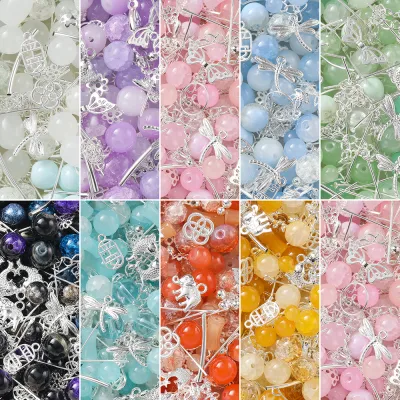
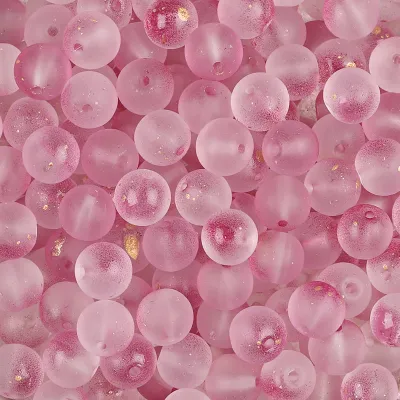
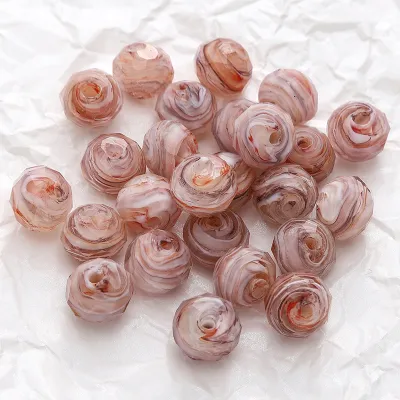
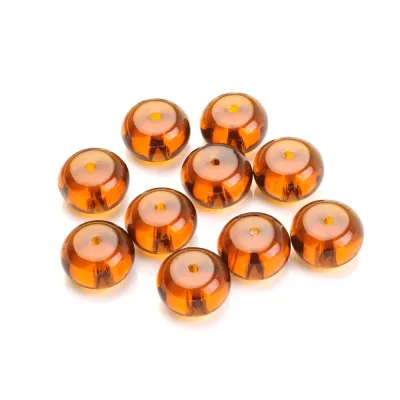
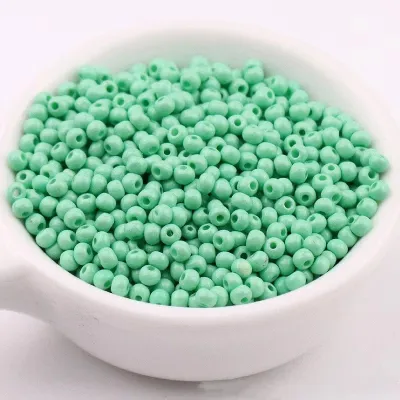
Prices are valid at publication and may change. Please refer to the product page for the latest price.
Lampwork and Artisan Glass Beads
Lampwork beads are handmade pieces crafted by skilled artisans who melt glass rods using a torch. The molten glass is wound around a metal rod called a mandrel, allowing the maker to build up layers, add intricate surface patterns, and embed tiny details like bubbles or floral designs. Because each bead is shaped individually by hand, no two pieces are completely identical, giving lampwork beads a distinct, organic charm. These artisan beads generally feature larger hole sizes to accommodate the mandrel used during shaping, making them heavier and more substantial than mass-produced varieties. Due to their weight and unique visual appeal, lampwork beads serve as stunning focal points in simple stringing projects, wire-wrapped pendants, or rugged leather cord designs.
Fire-Polished and Faceted Glass Beads
Fire-polished beads offer a beautiful balance of sparkle and affordability. The manufacturing process begins by machine-cutting or molding glass beads to create flat facets across the surface. To soften the sharp, industrial edges left by the cutting process, the beads are placed in a high-temperature kiln. The intense heat slightly melts the outermost layer of the glass, smoothing the facet edges and leaving a glossy, highly reflective finish. While they do not possess the razor-sharp edges of precision-cut crystals, fire-polished beads reflect light beautifully and are highly cost-effective. Their smooth, polished surfaces make them comfortable against the skin, making them an excellent choice for light-catching bracelets, dangling earrings, and layered necklaces where you want a touch of elegance.
Crystal and Leaded Glass Beads
Crystal glass beads are formulated with added minerals, such as zinc or barium, which increase the glass’s refractive index, clarity, and weight. This mineral composition allows the beads to bend light more dramatically than standard glass, resulting in exceptional brilliance and sparkle. These beads are typically precision-cut by advanced machinery, ensuring highly consistent sizing, perfectly flat facets, and sharp, crisp edges. When designing with crystal beads, you must account for their increased weight and sharp edges, which can put extra tension on your stringing materials. They are ideal for formal jewelry pieces and statement accessories. However, because of their higher cost, incorporating them requires careful budget planning, often leading designers to pair them with simpler glass beads.
Matching Glass Beads to Your Jewelry-Making Technique
Selecting the right glass bead requires matching its physical properties to your chosen crafting method. For off-loom bead weaving and loom work, highly uniform cylinder beads are the standard choice because their flat sides prevent gaps and keep the tension even. If you are practicing basic stringing, almost any bead type can work, but you must ensure the bead’s hole size is compatible with your stringing medium. For instance, a heavy lampwork bead requires a thick, sturdy wire or leather cord, whereas tiny seed beads require fine nylon thread or thin flexible beading wire.

In wirework and wire wrapping, faceted glass beads and fire-polished beads are highly favored because the wire can wrap securely around their structured shapes without slipping. For bead embroidery, where beads are stitched directly onto a fabric backing, lightweight round seed beads and small fire-polished beads work best as they do not weigh down the textile base.
To elevate your designs, try mixing different bead types within a single piece to create rich textures and visual contrast. You can pair matte-finished seed beads with high-shine fire-polished beads to make specific patterns pop. When combining beads of different weights and sizes, place the heavier beads near the center or bottom of the piece to ensure the jewelry drapes naturally and comfortably.
What to Check Before Buying Glass Beads
Before purchasing glass beads for your next project, performing a few quality checks can save you time and prevent structural failures in your finished jewelry. First, verify the size consistency of the beads, especially if you are purchasing seed beads for weaving. Irregularly sized beads can cause your beadwork to warp, buckle, or lose its shape.
Next, inspect the edges of the bead holes. Mass-produced or poorly tumbled beads can have sharp, jagged edges or glass burrs inside the holes. These sharp edges act like tiny blades, slowly fraying and eventually cutting through nylon threads or thin cords over time. If you notice rough holes, you may need to smooth them with a bead reamer or switch to a stronger, abrasion-resistant beading wire.
Surface finishes also require close inspection. Many vibrant colors and metallic effects are achieved through external coatings, dyes, or galvanized finishes rather than the color of the glass itself. In warm, humid climates like the Philippines, exposure to sweat, skin oils, and moisture can cause low-quality dyed finishes to fade, bleed, or peel off. To verify colorfastness, perform an observable trial by rubbing a few sample beads with a damp cloth or a cotton swab dipped in rubbing alcohol before committing to a large project.
Finally, always review the seller’s specifications carefully. Check the exact dimensions in millimeters rather than relying solely on product photos, which can be misleading. Pay attention to material disclosures and quantity tolerances, noting whether the beads are sold by weight, by strand length, or by exact piece count so you can accurately calculate your project costs, whether you are budgeting ₱50 for a small packet of seed beads or ₱500 for a strand of artisan lampwork.
Frequently Asked Questions (FAQ)
Can I mix different types of glass beads in one project?
Yes, mixing different glass beads is an excellent way to add texture and depth to your jewelry. However, you must balance the weight and size differences to ensure the finished piece drapes correctly. Heavy artisan or crystal beads can pull down lighter sections, causing the jewelry to warp. To prevent this, use uniform spacer beads or small seed beads to create smooth transitions between different shapes, and consider using wire guards to protect the thread where heavy beads exert the most pressure.
How do I clean and maintain finished glass bead jewelry?
To keep your glass bead jewelry looking its best, gently wipe the beads with a soft, dry, or slightly damp microfiber cloth after wearing. This removes skin oils, dust, and sweat, which is especially important in humid environments. Avoid using harsh chemical cleaners, abrasive scrubbing pads, or ultrasonic jewelry cleaners. These aggressive cleaning methods can strip away delicate surface coatings, dissolve bead adhesives, or cause dyed glass finishes to fade and discolor.
Why do some glass beads have sharp hole edges?
Sharp hole edges are typically a byproduct of the manufacturing process, occurring during mass-production tumbling, high-speed drilling, or precision faceting. When the glass is cut or drilled, it can leave microscopic fractures or sharp ridges around the entry and exit points of the hole. To protect your thread from being cut, you can use a hand-held bead reamer to gently smooth out the rough edges, or design your piece using nylon-coated stainless steel wire, which resists abrasion far better than standard thread.
Community discussion
Share your experience or ask a question. Comments are reviewed before publication.