
Choosing the right glossy beads for your jewelry making, embroidery, or crafting projects involves balancing aesthetics, physical behavior, and budget. The three most common materials—glass, acrylic, and standard plastic—each offer distinct advantages and limitations. Selecting the wrong material can lead to structural failures, such as heavy necklaces sagging, or aesthetic disappointments, like dull finishes and visible mold seams.
The ideal choice depends entirely on your project’s intended use, weight limits, and budget. Glass beads provide a premium, heavy feel and brilliant light refraction, making them the standard for fine jewelry. Acrylic beads offer a lightweight, shatter-resistant alternative with a high-gloss finish, perfect for large statement pieces. Standard plastic beads are highly economical and lightweight, making them best suited for temporary crafts, children’s activities, or initial design prototypes. Understanding how these materials compare across visual quality, durability, and cost will help you make an informed purchase.
Visual Quality and Weight: Comparing the Look and Feel
The visual appeal of glossy beads is largely determined by how they interact with light. Glass beads possess a high refractive index, meaning they bend and reflect light with exceptional clarity. This gives them a deep, luminous gloss that synthetic materials struggle to replicate. When you look at a high-quality glass bead, the color and shine seem to come from deep within the material. Acrylic beads can mimic this high-gloss surface finish quite well, but they lack the same internal depth and light refraction, resulting in a slightly softer, more surface-level shine. Standard plastic beads typically have the lowest optical clarity, often presenting a flat or slightly dull gloss under direct light.
Products mentioned in this guide
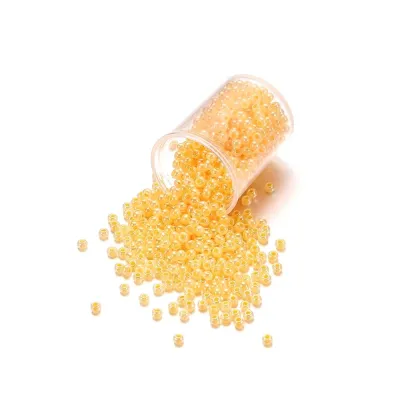
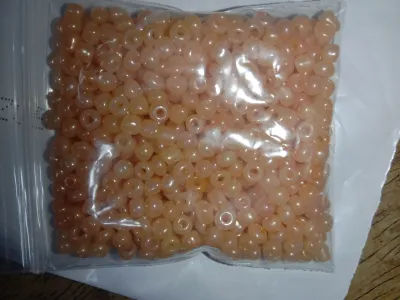
![Shutin13 [Part2] 3mm Glass Seed Beads 50g (1800+ pcs) Chalk Glossy Pearly Pastel RGB Color for DIY Bead Bracelet](https://img.lazcdn.com/g/p/139fe8ad05afa68026c5523b18c59ba6.png_400x400q80.png_.webp)
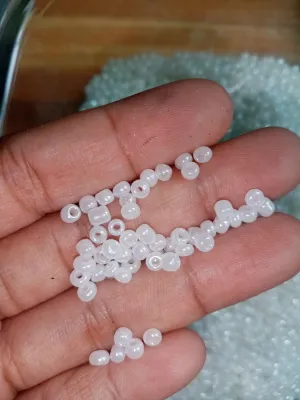
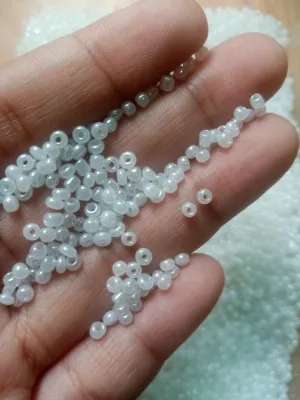
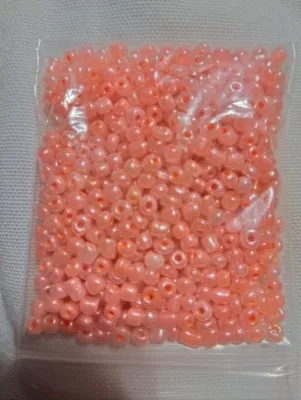
Prices are valid at publication and may change. Please refer to the product page for the latest price.
Weight is another critical factor that influences how a finished piece looks and feels when worn. Glass is significantly heavier than synthetic alternatives. This weight is highly desirable in jewelry making because it provides a satisfying drape, allowing necklaces and bracelets to hang naturally and conform to the body’s contours. However, this weight can become a disadvantage in large-scale designs. Acrylic beads are roughly half the weight of glass beads of the same size, making them an excellent choice for oversized statement earrings, chunky necklaces, or heavy garment embellishments where glass would cause discomfort or stretch the fabric. Standard plastic beads are even lighter, which prevents heavy garments from sagging but can make long jewelry strands feel flimsy if not balanced with heavier components.
When evaluating synthetic beads, it is also important to perform visual checks for manufacturing imperfections. Because acrylic and standard plastic beads are produced using injection molding, they often feature a visible seam line around their circumference or a small, rough sprue mark where the molten plastic entered the mold. High-quality acrylic manufacturers often polish these seams away, but cheaper plastic options rarely undergo this extra step. Glass beads, particularly those that are fire-polished or lampworked, generally have smooth, seamless surfaces with consistent hole alignments, contributing to a much cleaner and more professional final appearance.
Durability and Handling: What Survives Your Craft Process
A bead’s durability determines how well your finished creation will withstand daily wear and the physical demands of the crafting process itself. Glass is highly scratch-resistant, meaning its glossy surface will not easily dull when rubbed against other beads, metal findings, or skin. This makes glass the preferred choice for everyday jewelry like bracelets and rings, which are frequently subjected to friction. Acrylic is softer than glass and can develop fine scratches over time if exposed to rough handling, though high-quality acrylic holds up remarkably well under normal conditions. Standard plastic is the least scratch-resistant; its glossy coating can easily peel, flake, or wear away, exposing the dull plastic underneath after only a few uses.

While glass excels in scratch resistance, it is brittle and prone to shattering or chipping if dropped on hard surfaces like tile or concrete. This fragility requires careful handling during the stringing, crimping, and wire-wrapping processes, as excessive pressure from jewelry pliers can easily crack a glass bead. Acrylic, by contrast, is highly shatter-resistant and impact-tolerant. It can survive accidental drops and high-pressure assembly without damage, making it a safer option for items that will be handled frequently or worn by children. Standard plastic is somewhat flexible but can crack or split under pressure, particularly around the drill hole if the stringing needle or wire is too thick.
Chemical and heat tolerance also vary significantly among these materials. Glass is highly stable, resisting damage from heat guns, jewelry glues, and mild solvents. This allows you to use a wide variety of adhesives and finishing sealants without worrying about ruining the bead’s appearance. Acrylic and standard plastic are highly sensitive to heat and chemicals. Exposure to high temperatures can warp or melt them, while contact with solvents like acetone, alcohol, or certain strong jewelry glues can dissolve the plastic, leaving behind a cloudy, ruined finish. When working with synthetic beads, always use water-based or plastic-safe adhesives and test them on a spare bead first.
Pricing and Sourcing: Budgeting for Your Bead Stash
Budgeting for your bead stash requires understanding the price tiers of these materials and how they are sold. Glass beads sit at the premium end of the market due to the complex, energy-intensive manufacturing processes required to shape and polish them. Acrylic serves as a highly practical mid-range option, offering a balance of visual appeal and affordability. Standard plastic is the most budget-friendly choice, allowing crafters to purchase vast quantities for minimal investment.
When sourcing glossy beads in the Philippines, you will find that pricing structures vary depending on whether you buy by weight, strand, or pack. Glass beads are typically sold in shorter strands or small gram-count packages, resulting in a higher cost per individual bead. This makes them a significant investment for large-scale projects. Acrylic and standard plastic beads are commonly sold in bulk packs or long, multi-bead strands, offering a much lower cost per unit. When comparing prices on local online marketplaces, calculate the cost per bead or per gram to determine the true value. For large workshops, school projects, or high-volume production, synthetic options provide a much more manageable budget footprint.
To avoid disappointment, always verify seller specifications and read customer reviews carefully. Some online suppliers may use misleading terms, labeling acrylic or plastic beads as “glass” or “crystal” to justify a higher price point. Look for detailed product descriptions that specify the exact material, weight, and dimensions. If a listing offers a massive quantity of “glass beads” at an incredibly low price in ₱, it is highly likely to be acrylic or standard plastic. Checking customer photos in reviews can help you spot visible mold seams or lightweight characteristics that reveal the true material before you place an order.
Decision Framework: Which Glossy Bead Should You Buy?
To finalize your material choice, evaluate your project against a clear set of practical constraints. Your decision should align with the intended user, the physical demands of the design, and your overall budget.
Choose glass beads if your project demands a premium, high-end finish with exceptional light refraction and a substantial, luxurious weight. Glass is the ideal choice for fine jewelry, bridal accessories, heirloom pieces, and designs that will experience frequent friction but low impact risk. Ensure your stringing material, such as nylon-coated bead wire, is strong enough to support the cumulative weight of the glass.
Choose acrylic beads if you need a lightweight, shatter-resistant alternative that still offers a vibrant, high-gloss appearance. Acrylic is perfect for large statement jewelry, heavy garment embellishments, hair accessories, and home decor items where reducing weight is critical for comfort or structural integrity. It is also an excellent choice for everyday accessories that may be dropped or bumped.
Choose standard plastic beads if you are working on a strict budget, creating temporary event decorations, designing children’s crafts, or building initial prototypes. Plastic is highly economical and safe for younger crafters, though you should accept that the glossy finish may wear off over time with regular handling.
Regardless of the material you choose, always verify the bead dimensions and hole sizes to ensure they fit your chosen thread, wire, or elastic. Before committing to a large bulk purchase from an unfamiliar supplier, buy a small sample pack to test the color consistency, surface smoothness, and overall quality in person.
Frequently Asked Questions (FAQ)
How can I tell if a glossy bead is glass or acrylic without scratching it?
You can easily identify the material using non-destructive sensory tests. First, try the temperature test: glass is a natural thermal conductor and will feel distinctly cool to the touch when first picked up, whereas acrylic or plastic will feel close to room temperature. Second, perform a sound test by gently clinking two of the beads together; glass beads produce a sharp, high-pitched ringing sound, while synthetic beads produce a dull, soft thud. Finally, compare their relative weight in your hand; a glass bead will feel noticeably heavier than an acrylic or plastic bead of identical dimensions.
Do glossy acrylic beads yellow or fade over time?
Yes, prolonged exposure to ultraviolet (UV) light can cause some synthetic materials, including acrylic and standard plastic, to yellow, fade, or lose their glossy finish over time. To minimize this risk, check the manufacturer’s specifications to see if the beads contain UV stabilizers. For long-term preservation, store your bead stash and finished jewelry pieces in opaque containers, drawers, or fabric-lined jewelry boxes away from direct sunlight and extreme temperature fluctuations.
Can I use glass and plastic glossy beads together in the same jewelry piece?
You can successfully mix glass and plastic beads in a single design, but you must manage weight distribution and surface wear. Because glass is much harder than plastic or acrylic, the sharp edges or hard surfaces of the glass beads can grind against the softer synthetic beads, scratching their glossy coatings over time. To prevent this, place small metal spacer beads, seed beads, or soft knots between the different materials. Additionally, ensure your stringing material is strong enough to handle the heavier glass sections without stretching or snapping the elastic or thread.

Community discussion
Share your experience or ask a question. Comments are reviewed before publication.