
Glassine paper is a thin, dense, and semi-translucent material that offers unique protective qualities, whereas regular wrapping paper is typically opaque, porous, and designed primarily for decorative coverage. While standard wrapping paper easily tears and absorbs oils, glassine provides a smooth, grease-resistant barrier that shields delicate items from moisture, smudges, and friction. Understanding the differences between these two materials helps you choose the right wrapping for delicate artwork, artisanal gifts, or baked goods, ensuring your items remain pristine from the moment they are packed until they are opened.
Understanding the Core Properties of Glassine Paper
Glassine paper starts as basic wood pulp, but its unique characteristics come from a mechanical finishing process called supercalendering. During this process, the paper web is run through a series of heavy, heated rollers under intense pressure and steam. This mechanical squeezing flattens the wood fibers in a single direction, eliminating air pockets and closing the pores of the paper. The result is an incredibly smooth, glossy, and semi-translucent sheet achieved entirely without the addition of plastic laminations or heavy chemical coatings.
Because of this high-density structure, glassine exhibits excellent natural resistance to grease, air, and moisture. When you touch a sheet of glassine, it feels exceptionally slick and almost glassy, which is where it gets its name. It does not easily absorb oils or fats, making it a reliable barrier against smudging. However, because it is thin and lightweight, it does not offer high impact protection or structural rigidity on its own.
Products mentioned in this guide
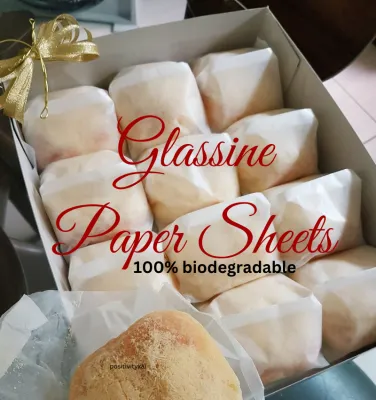
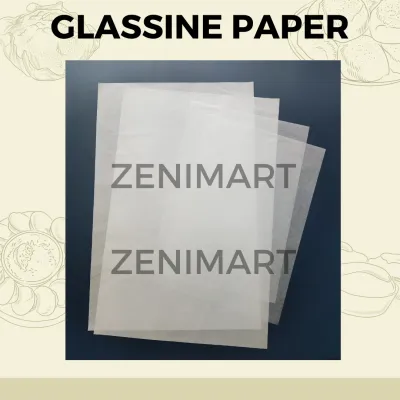
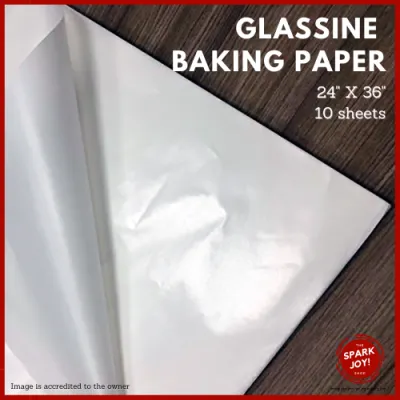
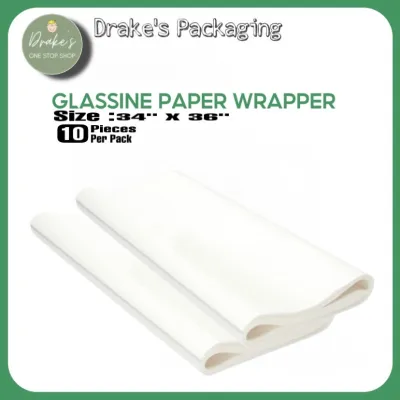
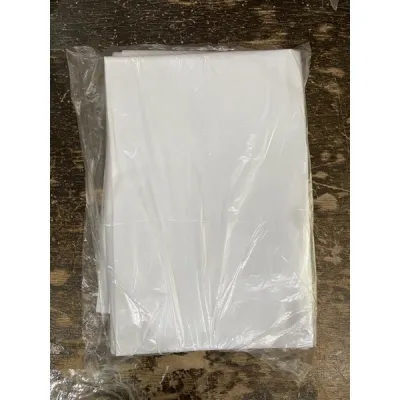
Prices are valid at publication and may change. Please refer to the product page for the latest price.
When shopping for glassine paper, you must verify specific product labels and manufacturer specifications to match your intended use. For example, if you plan to store family photographs, stamps, or fine art prints, you should look for acid-free or pH-neutral glassine to prevent the paper from yellowing or degrading the items over time. Additionally, check the paper weight, which is measured in grams per square meter (GSM). Standard glassine typically ranges from lightweight sheets around 30 GSM to sturdier options near 90 GSM, with heavier weights offering better tear resistance.
Glassine vs. Regular Wrapping Paper: A Practical Comparison
The most immediate difference between glassine and regular wrapping paper lies in their visual and tactile qualities. Regular wrapping paper is opaque, highly porous, and often features a textured or matte finish that easily absorbs ink, moisture, and oils. Glassine, by contrast, is translucent, allowing the colors and shapes of the contents underneath to peek through. This translucency adds an elegant, frosted layer to gifts, while its non-porous surface keeps external elements from penetrating the wrap.

This non-porous surface also changes how you work with the material. Standard adhesive tapes and liquid craft glues rely on penetrating the pores of regular paper to create a strong bond. When applied to glassine, standard liquid glues often slide around, wrinkle the paper, or fail to dry properly, while basic office tape may easily peel off. To secure glassine, you will need to plan for alternative adhesives, such as high-tack double-sided tape, specialized acid-free adhesive dots, or decorative washi tape that relies on a pressure-sensitive adhesive backing.
To help you decide which material fits your specific project, consider this comparison of their physical traits and handling characteristics:
| Trait | Glassine Paper | Regular Wrapping Paper |
|---|---|---|
| Opacity | Translucent (frosted appearance) | Opaque (solid coverage) |
| Grease Resistance | High (natural barrier to oils) | Low (absorbs oils and stains easily) |
| Surface Texture | Extremely smooth, glossy, and slick | Matte, textured, or lightly coated |
| Adhesive Compatibility | Requires high-tack tape or pressure-sensitive adhesives | Works with standard liquid glue, glue sticks, and office tape |
| Tear Strength | Low to moderate (susceptible to punctures) | Moderate to high (depending on thickness) |
| Primary Function | Protection, barrier layering, and preservation | Decorative coverage and structural wrapping |
Best Use Cases for Glassine Paper in Gifting and Protection
Glassine paper excels in scenarios where protection and preservation are just as important as presentation. Because it resists grease and prevents friction, it is highly effective for wrapping artisanal soaps, candles, and baked goods that might otherwise leave oily spots on standard paper. It also serves as an excellent protective interleaving sheet. Placing a sheet of glassine between delicate photographs, charcoal drawings, or watercolor paintings prevents the medium from smudging, scratching, or sticking to adjacent surfaces during storage or transit.
From an aesthetic standpoint, the translucency of glassine allows for creative, multi-layered gift wrapping. You can use it to craft delicate inner envelopes for invitations, wrap small jewelry boxes before placing them in a larger gift bag, or create elegant overlays that soften vibrant patterns underneath. The frosted look gives a clean, minimalist, and professional presentation that elevates handmade items and high-end stationery.
However, glassine is not a universal replacement for standard wrapping paper. You should avoid using glassine when your package requires heavy-duty structural support, high tear resistance, or when you need to wrap large, heavy, or sharp-edged items. Because it is thin and prone to puncturing under tension, wrapping a large box in glassine without an outer protective layer can lead to torn corners and exposed contents.
How to Select, Handle, and Store Glassine Paper
Before purchasing glassine paper, carefully review the manufacturer’s product specifications to ensure it meets your project’s safety and functional requirements. If you are using the paper for food items like cookies or pastries, verify that the product is explicitly labeled as food-grade and certified for direct food contact. For archival projects, double-check that the packaging confirms the paper is acid-free and unbuffered, which prevents chemical reactions with sensitive photographic emulsions or historical documents.
While glassine may cost slightly more per roll than standard wrapping paper—often ranging from ₱150 to ₱400 depending on the roll length and GSM—its protective benefits make it a worthwhile investment. Handling glassine requires a bit of preparation to avoid frustrating tears or unsightly creases. Because the paper is dense and highly compressed, folding it sharply can cause the fibers to crack, leaving white, weakened lines along the folds. To achieve clean, professional folds, gently score the paper along your planned fold lines using a bone folder or a clean, blunt edge before bending it. Always test your chosen adhesive on a small scrap piece of glassine first to ensure it holds securely without warping the paper.
Proper storage is essential, especially in tropical climates like the Philippines, where high humidity can quickly affect paper products. Glassine is sensitive to moisture in the air; excessive humidity can cause the sheets to curl, warp, or even stick together if they are packed too tightly. Store your glassine paper flat in a cool, dry place, preferably sealed inside a plastic storage box or a resealable bag with a silica gel packet to absorb excess moisture. Keeping the sheets flat and dry ensures they remain smooth and ready for your next wrapping project.
Frequently Asked Questions (FAQ)
Is glassine paper recyclable or compostable?
Pure glassine paper is both recyclable and biodegradable because it is made entirely from wood pulp without plastic additives. However, you must verify your local recycling facility’s guidelines, as some municipal programs have specific rules for lightweight papers. Before composting or recycling, check the product label to ensure the paper has not been treated with synthetic coatings, wax, or metallic inks, and make sure to remove any non-recyclable adhesive tapes or stickers.
Can I use glassine paper directly with hot or wet foods?
You should always check the manufacturer’s specifications for food-safe certifications and temperature limits before using glassine with food. While glassine is excellent for room-temperature baked goods, standard glassine is not designed to handle hot, steaming, or liquid-heavy items. High heat and moisture can weaken the paper fibers, causing the sheet to tear, lose its grease resistance, or stick to the food surface.
Community discussion
Share your experience or ask a question. Comments are reviewed before publication.