
Choosing between glitter mesh and solid glitter fabric for your next needlework project comes down to how you plan to guide your needle. If you are working on a counted cross-stitch pattern that relies on a highly visible, structured grid, glitter mesh is the practical choice because its open-weave holes allow for precise stitch placement. On the other hand, if your project involves free-motion surface embroidery, stumpwork, or any design where you want a fully opaque, sparkling background without any fabric showing through, solid glitter fabric is often the more suitable option. Before purchasing your glitter cloth per yard from a local textile shop or online marketplace, it is essential to verify the fabric count, base material stability, and needle compatibility to ensure a smooth crafting experience.
In tropical climates like the Philippines, where high humidity can affect the stiffness of fabric sizing and the adhesion of glitter coatings, selecting the correct base material is even more critical. A humid environment can soften certain starches used to stiffen mesh, or make low-quality glitter adhesives tacky, leading to premature shedding or needle gumming. By understanding how these two distinct fabric structures behave under tension and during stitching, you can avoid ruined materials and ensure your finished piece remains vibrant and intact for years to come.
Understanding Glitter Mesh and Solid Glitter Fabric
To make an informed decision, you must first understand the structural differences between these two materials and how they are manufactured. Glitter mesh is characterized by its open-weave, grid-like structure, which resembles traditional Aida cloth or canvas but is woven with metallic threads or coated with a sparkling finish. This open design means that the fabric is semi-transparent, with clearly defined holes at regular intervals that make counting stitches straightforward. The base fibers of glitter mesh are often synthetic, such as polyester or nylon, which provide the necessary tensile strength to maintain the grid shape even when stretched in an embroidery hoop.
Products mentioned in this guide
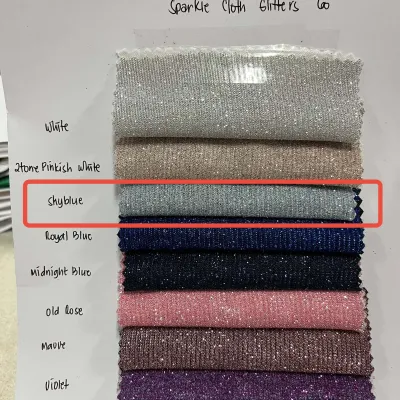
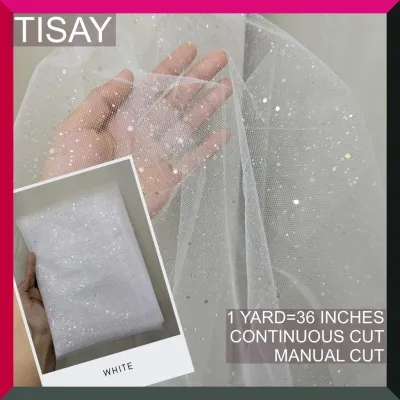
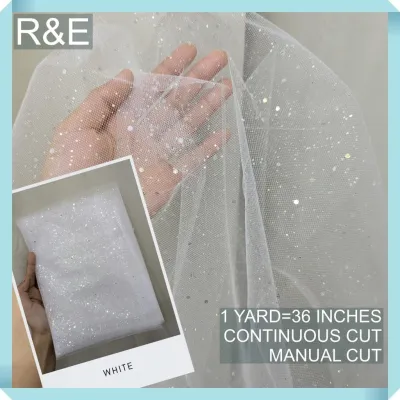
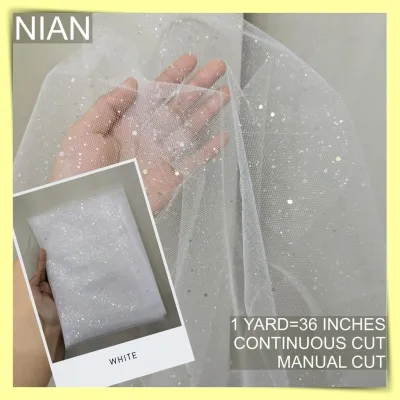
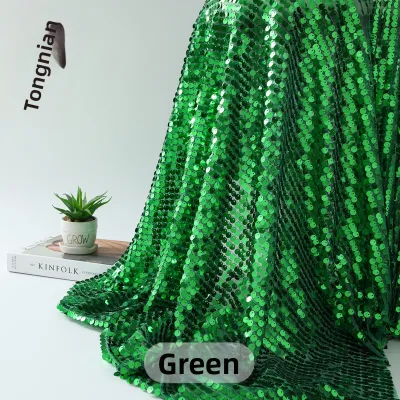
Prices are valid at publication and may change. Please refer to the product page for the latest price.
In contrast, solid glitter fabric features a closed-weave or non-woven base that is completely opaque. This base is typically a solid woven cotton, polyester blend, or even a felt-like synthetic sheet that has been coated with a layer of fine glitter, metallic foil, or heat-set glitter particles. Because there are no pre-existing holes or visible grids, this fabric provides a continuous, solid background that reflects light uniformly across its entire surface. The solid backing gives the material a heavier weight and a stiffer drape compared to the airy, flexible nature of glitter mesh.
The composition of the base material directly influences how the fabric behaves when secured in an embroidery hoop. Glitter mesh, with its open spaces, has less surface area in contact with the hoop rings, which can sometimes lead to slippage if the hoop tension is not properly adjusted. Solid glitter fabric provides a continuous surface for the hoop to grip, but the thickness of the glitter coating can make the fabric stiff and resistant to hooping. In warm, humid conditions, synthetic mesh tends to retain its tension better than cotton-based solid fabrics, which may absorb moisture from the air and sag over time, requiring frequent adjustments during long stitching sessions.
Key Comparison Dimensions for Needlework Projects
When evaluating these fabrics for a specific project, grid visibility and counting accuracy are the most critical factors for counted thread work. Glitter mesh excels in this category because the distinct intersections and open holes allow you to follow complex cross-stitch charts without straining your eyes. Trying to execute a counted cross-stitch pattern on solid glitter fabric is incredibly challenging, as you would have to manually measure and mark every single stitch point, which often leads to uneven stitches and alignment errors.

Needle penetration resistance and the risk of fabric damage also differ significantly between the two types. With glitter mesh, your needle passes through the pre-existing open holes, resulting in minimal friction and virtually no resistance. Solid glitter fabric, however, requires the needle to pierce the solid base material and the glitter coating with every single stitch. This constant piercing can cause friction that may dull your needle quickly, wear away the thread’s sheen, or cause the glitter coating to flake and peel around the puncture sites.
Thread coverage is another essential dimension to consider, especially when planning how much embroidery floss to use. Because glitter mesh has an open structure, the background color or whatever is behind the project will show through the unstitched areas. If you want a full-coverage look where the background is completely hidden, you will need to use more strands of floss or choose a solid glitter fabric instead. Solid glitter fabric naturally provides complete coverage, allowing you to leave large areas unstitched to let the sparkling background serve as a dramatic design element.
Hooping and tension management present unique challenges for each material. Glitter mesh is prone to distortion if pulled unevenly, as the open grid can easily warp from a square to a diamond shape under diagonal tension. Solid glitter fabric is less likely to warp diagonally, but it is highly susceptible to “hoop burn”—permanent creases, crushed glitter, or scraped foil caused by the pressure of the hoop rings. Managing this tension requires careful preparation and protective barriers, regardless of which fabric you choose.
Decision Framework: Matching Fabric to Your Project Type
To choose the right material for your next project, you can use a simple, condition-based framework. You should choose glitter mesh if your project is a counted cross-stitch pattern, a blackwork design, or a hardanger project that relies on a precise grid. It is also a highly suitable choice if you are creating lightweight, semi-transparent items like decorative window clings, holiday ornaments, or bookmarks where light needs to pass through the unstitched sections of the fabric.
Conversely, you should choose solid glitter fabric if you are practicing free-style surface embroidery, crewel work, needle painting, or stumpwork. These techniques do not rely on a grid and benefit from a sturdy, opaque backing that can support heavy, dense stitching without sagging. Solid glitter fabric is also excellent for applique projects, where shapes are cut out and sewn onto another garment, or for creating structured home decor items like sparkling coasters, table runners, or wall hangings.
Before purchasing your glitter cloth per yard, always verify the specific environmental and care requirements of your finished piece. If your project is intended for an item that will require regular washing, such as a decorated tote bag or a piece of clothing, or if it will be exposed to prolonged sunlight near a window, check the manufacturer’s specifications. Some glitter coatings are strictly dry-clean only or cannot tolerate UV exposure without yellowing or losing their adhesive bond, which can cause the glitter to peel off entirely over time.
Practical Handling and Preparation Tips
Working with glitter fabrics requires specialized preparation to prevent fraying, shedding, and damage to your tools. Edge sealing is the first step you should take after cutting your fabric to size. Glitter mesh is highly prone to fraying at the cut edges, while solid glitter fabric can shed loose glitter particles from its borders. Applying a thin line of fabric sealant along the edges, or wrapping them in low-tack masking tape, will keep the fabric intact and prevent loose glitter from migrating onto your clothing, furniture, or work surface.
Needle selection is equally important for protecting both the fabric and your embroidery floss. When working with solid glitter fabric, check the product label or manufacturer recommendations to select a sharp needle, such as a crewel or chenille needle, that can easily pierce the dense backing without tearing it. For glitter mesh, a tapestry needle with a blunt point is preferred, as it will slide smoothly through the open holes without splitting the woven threads of the grid. Ensure the needle eye is large enough for your thread to pass through without excess friction, which helps prevent the glitter coating from scraping the floss as you pull it through.
To protect your fabric from hoop burn and tension marks, employ protective hooping techniques. Placing a layer of soft tissue paper, muslin, or a lightweight tear-away stabilizer between the fabric and the hoop rings can cushion the delicate glitter surface. For solid glitter fabric, you can cut a window in a piece of tissue paper that matches the embroidery area, allowing you to stitch freely while keeping the rest of the glittered surface protected from the direct pressure of the hoop.
Frequently Asked Questions (FAQ)
Can I wash finished cross-stitch projects made on glitter fabric?
You should always read the specific care instructions on the fabric bolt or packaging before attempting to wash your finished project. If the manufacturer’s specifications are unclear, it is recommended to avoid machine washing entirely, as the agitation and warm water can dissolve the adhesives holding the glitter to the base fabric. Instead, opt for gentle spot cleaning with a damp cloth and mild soap, or hand wash the piece in cold water without wringing or twisting the material.
How do I calculate the amount of glitter cloth per yard needed for a pattern?
To calculate the required fabric, first divide your pattern’s total stitch count by the fabric’s count (stitches per inch) to determine the actual design size. For example, a pattern that is 140 stitches wide on a 14-count glitter mesh will have a design width of 10 inches. Always add a minimum margin of 2 to 3 inches on all sides to allow enough fabric for hooping, framing, and finishing, which means you would need a piece of fabric measuring at least 14 to 16 inches wide. When purchasing glitter cloth per yard, which typically costs around ₱150 to ₱400 per yard depending on the width and quality, ensure you buy enough continuous length to accommodate these extra margins.
Does the glitter shed when pierced by an embroidery needle?
Some degree of shedding is common when working with glitter fabrics, but the severity depends heavily on the manufacturing process and the quality of the adhesive used. You can check user reviews or product labels to verify if a fabric is rated as low-shed or colorfast. To minimize shedding during your project, use a sharp needle of the correct size to make clean punctures, and avoid pulling your embroidery floss repeatedly through the exact same hole, which can wear down the surrounding glitter coating.

Community discussion
Share your experience or ask a question. Comments are reviewed before publication.