
Choosing the right specialty paper can transform a simple craft project into a professional-looking masterpiece. When deciding between glitter paper and metallic cardstock, the choice ultimately comes down to texture, light reflection, and how the materials interact with your crafting tools. Glitter paper relies on surface-adhered particles for a highly textured, scattered sparkle, while metallic cardstock uses a smooth coating or dyed pulp for a sleek, mirror-like shine. Understanding how these structural differences affect cutting, folding, and printing will help you select the right material for your specific design needs.
Whether you are designing custom wedding invitations, crafting festive cake toppers, or creating intricate scrapbook layouts, matching the paper to your project’s functional demands is just as important as choosing the right color. Each material behaves differently under a blade, reacts uniquely to adhesives, and presents distinct challenges when you attempt to print or write on it. By evaluating these characteristics beforehand, you can avoid wasted sheets and achieve a clean, durable finish.
Core Material and Finish Differences
At a structural level, glitter paper and metallic cardstock are manufactured using entirely different processes, which dictates how they look and feel. Glitter paper is typically constructed by applying a strong adhesive layer to a base paper or cardstock, followed by a dense application of fine glitter particles. This creates a multi-layered, dimensional sheet where the individual glitter flakes sit on top of the surface. Because these particles are cut at various angles, they catch and scatter light in multiple directions, producing a dazzling, twinkling effect that shifts as you move the paper.
Products mentioned in this guide
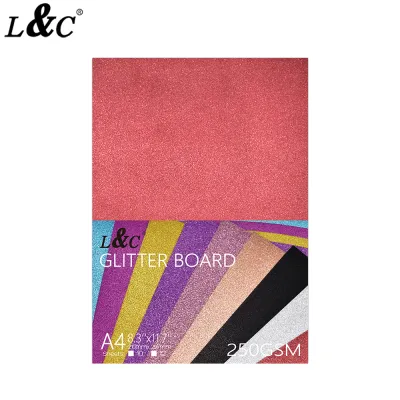
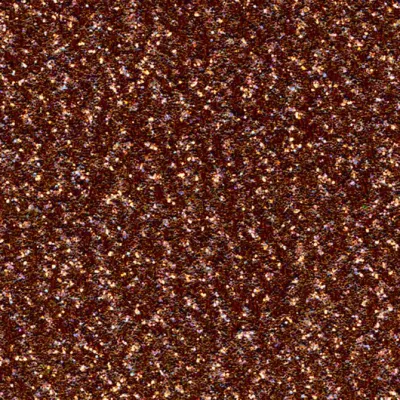
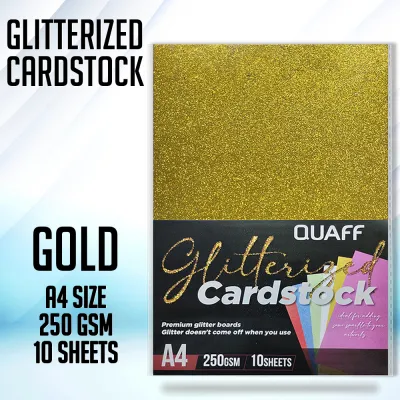
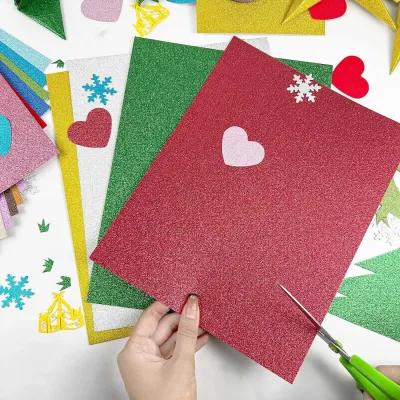
Prices are valid at publication and may change. Please refer to the product page for the latest price.
In contrast, metallic cardstock features a completely flat, uniform surface. This finish is achieved either by laminating a thin, metallic foil layer to a cardstock backing, applying a pearlescent mineral coating, or using dyed pulp infused with reflective metallic pigments. Instead of scattering light in a chaotic, sparkling pattern, metallic cardstock reflects light in a smooth, directional path. This results in a polished, mirror-like, or satin sheen that mimics the appearance of real metal, offering a sophisticated and modern aesthetic.
Texture and Handling in Craft Projects
The physical texture of these papers heavily influences both the crafting process and the tactile quality of your finished project. Glitter paper is rough, abrasive, and highly textured to the touch. Depending on the quality of the manufacturing process, standard glitter paper can be prone to shedding, leaving a trail of sparkling dust across your hands, clothes, and workspace. In tropical climates with high humidity, the adhesive holding the glitter can sometimes soften, which may increase shedding if the paper is handled excessively.

Metallic cardstock is smooth, sleek, and cool to the touch, making it much cleaner to handle during assembly. However, its highly polished surface presents its own set of handling challenges. The reflective coating is highly sensitive to oils from your skin, meaning fingerprints and smudges can easily mar the finish during assembly. Additionally, metallic cardstock is prone to showing fine scratches from plastic scraping tools or rough handling, requiring a gentle touch and clean hands throughout the crafting process.
Folding behavior also differs significantly between the two materials. When you fold glitter paper, the textured surface naturally hides minor imperfections along the crease, though very thick sheets may require scoring to prevent the backing paper from tearing. Metallic cardstock, however, is highly susceptible to surface cracking along folds. Because the metallic foil or coating does not stretch, folding it without preparation can cause the reflective layer to split, exposing the white or gray paper core underneath. To achieve a clean, professional fold, metallic cardstock must always be scored before creasing.
Cutting, Folding, and Adhesive Compatibility
Using the correct tools is essential to prevent material damage and extend the life of your crafting equipment. When using electronic cutting machines or hand dies, glitter paper acts like sandpaper on metal blades. The abrasive particles will dull standard fine-point blades much faster than ordinary cardstock, so it is highly recommended to dedicate a specific blade solely for glitter projects. Furthermore, the rough texture of glitter paper makes it difficult to secure on standard cutting mats; you will often need a strong-grip mat or painter’s tape along the edges to keep the sheet from shifting mid-cut.
Metallic cardstock cuts beautifully and allows for incredibly intricate designs, but it requires a very sharp, clean blade. A dull blade will drag against the metallic film, causing it to tear or lift away from the paper backing rather than cutting cleanly through it. Because the surface is smooth, standard-grip cutting mats are usually sufficient, though you must be careful when peeling the cardstock off the mat to avoid curling or creasing the paper.
Adhesive selection is another area where these two papers diverge completely. Standard liquid school glues and light double-sided tapes generally fail on glitter paper because they cannot penetrate the uneven, plastic-based glitter surface. To secure glitter paper, you must use high-tack craft glues, hot glue, or heavy-duty double-sided foam tape. For metallic cardstock, liquid glues must be applied sparingly; excess moisture can cause the paper backing to warp, and some water-based glues cannot bond with the non-porous metallic coating, leading to peeling once dry. Quick-drying adhesive rollers or high-quality double-sided tape are often the safest choices for a flat, secure bond.
Printing, Writing, and Embellishment Limits
Customizing your specialty paper with text or printed designs requires a clear understanding of ink compatibility. Standard inkjet printers use water-based inks that rely on absorption to dry. If you attempt to print on metallic cardstock, the ink will pool on the non-porous surface and smudge almost instantly. Laser printers, which use heat to fuse dry toner to the paper, can sometimes work on metallic cardstock, but you must verify that the paper’s coating is rated for high heat to prevent the metallic film from melting inside your machine.
Writing or stamping directly onto these papers also requires specialized mediums. Standard gel pens, ballpoint pens, and water-based stamping inks will bead up and smear on metallic cardstock. To write on it successfully, you must use permanent, solvent-based markers or quick-drying pigment inks. Glitter paper is even more restrictive; its rough, uneven surface makes printing or stamping virtually impossible, as the ink cannot lay flat. Any text or fine detail intended for a glitter project should be printed on a separate, smooth paper insert and layered on top.
Secondary embellishments like heat embossing or foil transferring require caution. The intense heat from an embossing gun can easily warp or discolor the metallic coating on cardstock, and it can melt the adhesive or plastic particles on glitter paper. If you wish to add metallic foil details, it is best to do so on a compatible smooth cardstock before layering it with your specialty papers.
Decision Framework: Choosing the Right Paper
To make the best purchasing decision, evaluate your project against a few practical conditions. Whether you are spending ₱40 on a single premium sheet at a local craft store or ordering bulk packs online, matching the material to the task will save you time and resources.
Choose glitter paper if:
- Your project requires high-impact, dazzling sparkle that catches the eye from a distance.
- You are making items like cake toppers, party banners, or festive holiday decorations where structural folding is minimal.
- You want a forgiving material that naturally hides minor cutting mistakes or slightly dull blade edges.
- The design consists of bold, simple shapes rather than highly intricate, microscopic cuts.
Choose metallic cardstock if:
- You want a sleek, elegant, or modern aesthetic, such as for wedding stationery, corporate event menus, or geometric gift boxes.
- Your project involves precise, sharp folds, structural boxes, or 3D paper sculptures.
- You need to print clean text, write personalized messages, or stamp clear designs directly onto the paper.
- You are cutting highly intricate, delicate patterns that require clean, sharp edges without fraying.
Specifications to Verify Before Buying
Before finalizing your purchase on any ecommerce platform or at a local stationery shop, always check the product specifications to ensure compatibility with your tools. First, verify the paper weight, which is typically measured in GSM (grams per square meter) or pounds (lb). A weight of 250 GSM to 300 GSM is ideal for sturdy, self-supporting structures like gift boxes and card bases, while lighter weights around 120 GSM to 180 GSM are better suited for layering, envelope liners, and delicate die-cuts.
Second, look for “shed-free” or “low-shed” labels on glitter paper listings. High-quality shed-free glitter paper has a clear top coat applied during manufacturing that seals the glitter particles in place, protecting your cutting mats, sewing machines, and hands from messy residue. Finally, if you are creating scrapbooks, photo albums, or archival keepsakes, verify that both the glitter paper and metallic cardstock are certified acid-free and lignin-free. This prevents the paper from yellowing, fading, or degrading your photographs over time, especially when stored in warm, humid environments.
Frequently Asked Questions (FAQ)
Can I use regular liquid glue on glitter paper?
Regular white school glue or thin liquid glue is generally ineffective on glitter paper. Because the surface is made of non-porous plastic or glass glitter particles, water-based liquid glues cannot penetrate the material to form a strong bond. Additionally, the highly textured surface means the glue only contacts the very tops of the glitter flakes, leading to a weak hold. For a secure bond, use high-tack craft glues, hot glue, or heavy-duty double-sided tape.
Will metallic cardstock fade or tarnish over time?
High-quality metallic cardstock made with acid-free materials and stable pigments will resist fading and discoloration. However, cheaper metallic papers that use low-grade foil laminates or non-archival dyes can tarnish, turn yellow, or lose their luster when exposed to direct sunlight, high humidity, or the natural oils from your fingers. To preserve the reflective shine of your finished projects, store them in a cool, dry place away from direct sunlight and handle them by the edges.

Community discussion
Share your experience or ask a question. Comments are reviewed before publication.