
Selecting the perfect gift wrap is more than just a final step in gift-giving; it is an essential part of the presentation that sets the tone before the package is even opened. The ideal gift wrap finish depends entirely on the occasion, the shape of the item, and the visual impact you want to achieve. There is no single “best” option; glossy paper delivers vibrant, high-impact presentation for festive events, matte paper offers an elegant, glare-free look for formal or minimalist gifting, and kraft paper provides a rustic, customizable canvas for eco-friendly or handmade gifts. By understanding how these finishes behave under different conditions, you can ensure your gifts look polished, stay secure, and survive handling.
Using a condition-based framework allows you to match the paper’s physical properties to your specific wrapping needs. Factors such as paper weight, folding flexibility, and adhesive compatibility play a massive role in how clean your final package looks. Taking a moment to evaluate these details beforehand saves time and prevents wasted materials.
Understanding the Core Differences in Paper Finishes
Glossy paper is characterized by its highly reflective, coated surface. This coating, often made of clay or synthetic polymers, prevents ink from sinking deep into the paper fibers, resulting in incredibly sharp, saturated colors and a bright shine. Under bright lights, glossy paper gleams, making it stand out immediately. However, this slick surface is prone to showing fingerprints and glare, which can obscure intricate patterns when viewed from certain angles.
Products mentioned in this guide
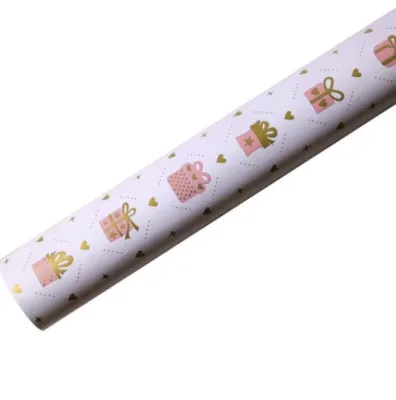
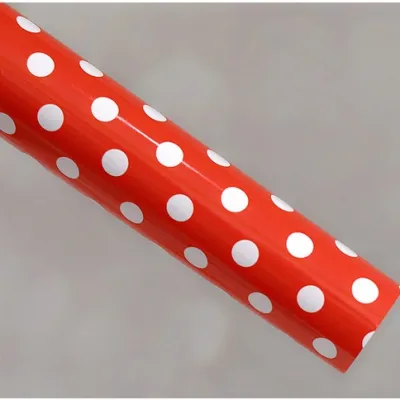
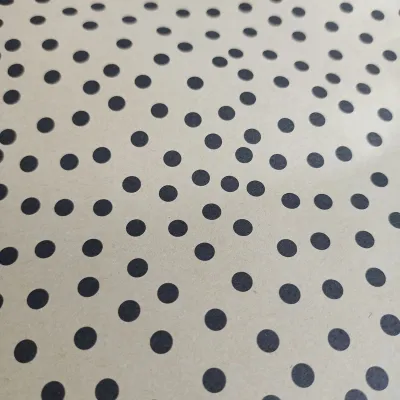
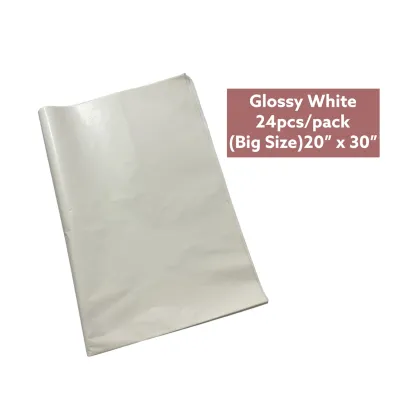
Prices are valid at publication and may change. Please refer to the product page for the latest price.
Matte paper, by contrast, features a non-reflective, light-absorbing finish. It has a smooth, velvety, or slightly chalky tactile feel that communicates understated luxury. Because it does not reflect light, matte paper allows printed designs, subtle pastel shades, and fine details to remain clearly visible under any lighting condition. It is highly favored for modern, minimalist designs where the focus is on clean lines and sophisticated color palettes.
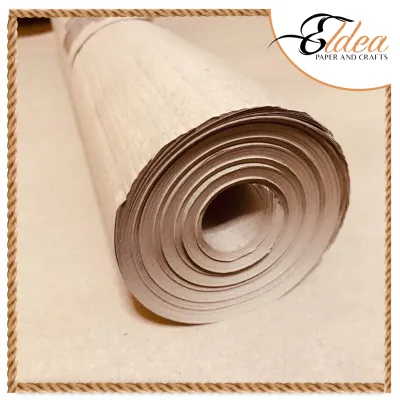
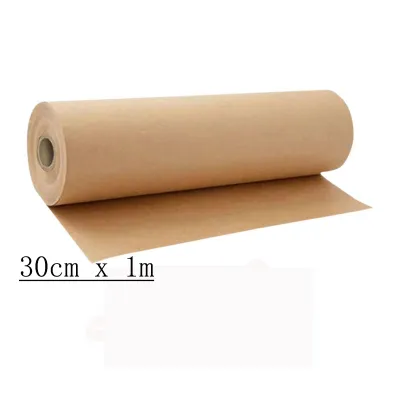
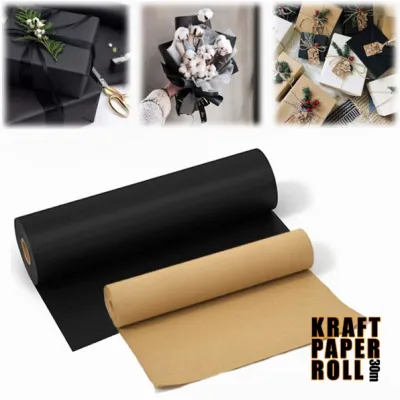
Kraft paper stands apart as an uncoated, unbleached option made from wood pulp. It retains its natural brown color and features a distinct, slightly rough fiber texture that is highly tactile. Unlike coated papers, kraft paper is highly porous, meaning inks sink into the fibers rather than sitting on top. This gives printed designs a muted, organic appearance. Kraft paper is typically heavier and stiffer than standard glossy or matte papers, offering a robust, structural feel that feels grounded and traditional.
Matching the Finish to Your Gift and Occasion
Choosing the right finish requires balancing the nature of the gift with the atmosphere of the occasion. Glossy wrapping paper is the classic choice for high-energy celebrations, children’s birthdays, and festive holidays. In the Philippines, where family gatherings are vibrant, colorful affairs, the high-shine finish of glossy paper matches the joyful mood perfectly. Additionally, the light coating on glossy paper provides a slightly wipeable surface, which is incredibly practical if gifts are being handled by children or transported in humid weather where light moisture might be a concern.

Matte wrapping paper is best suited for formal events, corporate gifting, weddings, and milestones where a sophisticated aesthetic is preferred. If you are preparing a gift for a colleague or a formal anniversary, a deep matte finish in jewel tones or neutral shades conveys a sense of deliberate care and elegance. Matte paper is also the preferred choice for gifts that will be photographed, such as those displayed at a wedding reception, as its glare-free surface ensures the wrapping looks flawless in photos without harsh light reflections.
Kraft paper is the ultimate choice for eco-conscious themes, rustic aesthetics, and highly personalized gifts. Its natural, earthy look pairs beautifully with organic embellishments like abaca twine, dried local leaves, or jute ribbons. Because it is uncoated, kraft paper serves as an excellent blank canvas for DIY customization. You can easily write personalized messages directly on the paper, use ink stamps to create custom patterns, or let children draw their own designs, making the wrapping process an interactive and heartfelt part of the gift.
Practical Considerations: Folding, Taping, and Durability
The physical properties of each paper finish significantly affect how easy they are to fold, tape, and handle. Glossy paper, while visually striking, can present unique challenges during the wrapping process. Because of its stiff, coated surface, making sharp folds can sometimes cause the printed ink to crack along the creases, revealing the white paper fibers underneath. To prevent this, it is best to fold glossy paper gently or choose high-quality rolls with flexible coatings. Furthermore, standard adhesive tape often struggles to grip the slick, non-porous surface of glossy paper, sometimes peeling back under the tension of a tight fold.
Matte paper is generally more pliable than glossy paper, allowing for clean, crisp folds without the risk of ink cracking. However, its smooth, light-absorbing surface can be sensitive to friction. Rough handling or sliding the wrapped gift across a table can leave scuff marks or light scratches on the matte finish, particularly on darker colors. When taping matte paper, standard clear tape or matte-finish invisible tape works exceptionally well, bonding easily to the paper’s surface without peeling.
Kraft paper is highly durable and offers excellent tear resistance, making it the superior choice for wrapping heavy, bulky, or awkwardly shaped items with sharp corners. Its thick, fibrous structure prevents the corners of boxes from poking through during transport. However, this thickness also means kraft paper is stiffer and requires more physical effort to fold neatly. You may need to apply firm pressure to secure creases, and using a strong, high-tack adhesive tape is recommended to ensure the stiff folds do not pop open.
Cost and Value: What to Expect When Shopping
When shopping for wrapping supplies, understanding the factors that influence cost can help you make budget-friendly decisions without sacrificing presentation. The price of wrapping paper is primarily determined by its weight (measured in grams per square meter, or GSM), the complexity of the printing process (such as the use of metallic foils or double-sided designs), and whether it is sold in single sheets or bulk rolls. High-GSM matte and specialty glossy papers with intricate designs generally sit at a higher price point, making them best reserved for special individual gifts.
For those wrapping multiple gifts or preparing for large holiday seasons, evaluating the cost-per-use is essential. Bulk rolls of kraft paper are highly economical, often costing significantly less per meter than specialty coated papers. You can find large rolls of utility-grade kraft paper for a modest price, such as ₱150 to ₱300, which can wrap dozens of gifts. To balance premium aesthetics with budget constraints, consider using affordable kraft paper as your primary wrap and elevating the look with small accents of premium glossy ribbon or metallic gift tags.
Quick Decision Guide: Which Wrapping Paper Should You Buy?
To simplify your next shopping trip, use this quick reference guide to match your needs to the perfect paper finish:
- Choose Glossy if: You want maximum visual impact, vibrant color reproduction, and a festive, high-shine look. It is also ideal if you need a slightly wipeable surface that can withstand light handling by children or transport in humid conditions.
- Choose Matte if: You prioritize an elegant, sophisticated, and modern aesthetic. It is the perfect choice for formal occasions, corporate gifts, and any situation where you need glare-free results for photography.
- Choose Kraft if: You prefer a rustic, eco-friendly, or vintage style. It is highly recommended if you want to customize the wrap with stamps, drawings, or natural twine, or if you need a highly tear-resistant paper for heavy or sharp-edged items.
- Verify first if: Before finalizing your purchase, check the paper thickness (GSM) to ensure it can support the weight of your gift. Measure your item to confirm the roll or sheet dimensions are wide enough to cover it without requiring messy seams, and ensure your adhesive tape is compatible with the specific finish you select.
Frequently Asked Questions (FAQ)
Can I use double-sided tape on glossy wrapping paper?
Yes, but you must select the right type of adhesive. Standard double-sided tape may struggle to maintain a strong bond on highly polished, non-porous glossy surfaces, causing the seams to pop open over time. For best results, check the tape manufacturer’s specifications to ensure compatibility with glossy or laminated surfaces. Alternatively, you can use high-tack glue dots, or employ wrapping techniques that tuck the seams inward, reducing the tension placed on the tape.
Is kraft wrapping paper naturally waterproof?
No, standard kraft wrapping paper is highly porous and absorbent, meaning it will quickly absorb moisture and weaken if exposed to rain, spills, or high humidity. If you require moisture protection—such as when transporting gifts during the rainy season—verify the product specifications on the label. Some specialty kraft papers feature a thin wax coating or water-resistant treatment designed to repel light moisture while retaining the classic rustic look.
How do I prevent matte wrapping paper from showing creases?
Matte paper’s non-reflective surface can make accidental folds and handling marks highly visible. To achieve a flawless finish, use a bone folder or the smooth edge of a ruler to create sharp, intentional creases rather than pressing repeatedly with your fingers. Avoid over-handling the paper during the wrapping process, and ensure you pull the paper taut but gentle before securing it with tape to prevent micro-creases from forming across flat surfaces.
Community discussion
Share your experience or ask a question. Comments are reviewed before publication.