
Finding the right sketch set materials depends entirely on your personal drawing style, preferred techniques, and the visual results you want to achieve. There is no single “best” medium; graphite offers precision and clean erasing, charcoal delivers bold contrast and expressive shading, and colored pencils provide vibrant layering and color control. This guide compares the physical traits, hand feel, and paper requirements of each medium to help you select the right tools for your next sketchbook session.
In a tropical climate like the Philippines, high humidity can soften paper fibers and alter how binders behave on the page. This makes selecting the right core material and paper pairing essential for preventing smudges, wax bloom, or torn sheets. By comparing the physical traits, tactile feedback, and surface requirements of each medium, you can find the ideal tools to match your creative workflow.
Core Traits of Graphite, Charcoal, and Colored Pencils
Graphite is a crystalline form of carbon mixed with a clay binder. The ratio of graphite to clay determines the hardness of the pencil, graded from hard (H) to soft (B). Graphite is known for its smooth glide across paper, natural metallic reflectivity in darker values, and exceptional precision. It allows for highly detailed work, clean erasing, and gradual value transitions without creating excessive dust.
Products mentioned in this guide
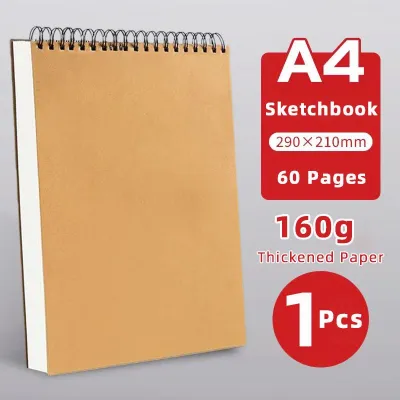
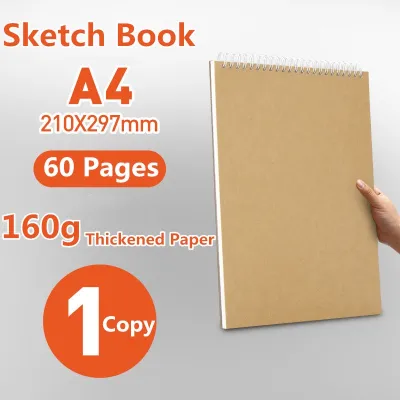
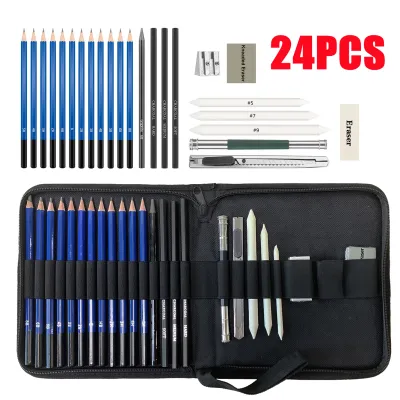
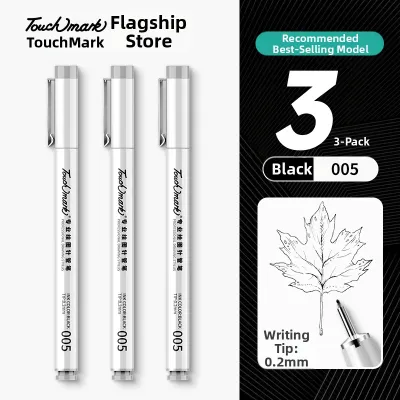
Prices are valid at publication and may change. Please refer to the product page for the latest price.
Charcoal consists of organic matter—usually willow, vine, or compressed wood—burned down to pure carbon. It is highly matte, absorbing light to produce deep, rich blacks that graphite cannot replicate. However, charcoal is inherently dusty and crumbly. It relies on the physical texture of the paper to hold its particles in place, making it highly blendable but also prone to accidental smudging.
Colored pencils introduce color pigments bound by either wax or oil. Wax-based colored pencils are soft, highly blendable, and excellent for creamy, opaque layers, though they can develop a cloudy “wax bloom” over time, especially in warm, humid conditions. Oil-based colored pencils are harder, hold a sharp point longer, and allow for precise, translucent layering without the risk of wax buildup, making them highly durable for detailed color studies.
Comparing Line Quality, Blending, and Hand Feel
The tactile experience of sketching is defined by how a pencil moves across the page, how easily it blends, and how much physical pressure your hand must apply. Graphite offers a highly controlled feel. Harder grades (like 2H or HB) require minimal pressure to produce crisp, thin lines that resist smudging, making them ideal for initial layouts or technical drafts. Softer grades (like 4B or 6B) glide effortlessly, depositing thick, dark lines with a slight drag that signals the softness of the core. Blending graphite is typically done gradually using paper blending stumps (tortillons) or dry brushes, resulting in smooth, metallic gradients.

Charcoal provides a much more tactile, expressive, and immediate drawing experience. When using vine or willow charcoal, the core crumbles easily against the paper, offering almost no resistance. This allows you to lay down broad strokes of deep black with virtually no hand pressure. However, this lack of binder means the medium is highly sensitive to touch. You can blend charcoal effortlessly with your fingers, a chamois cloth, or a soft paper stump to create soft, smoky transitions. The trade-off is rapid hand fatigue if you try to force fine details, as compressed charcoal pencils require a firm grip and careful pressure control to prevent the brittle cores from snapping.
Colored pencils demand a completely different physical approach, centered on patience and pressure control. Because the wax or oil binders do not easily brush away like charcoal dust, blending is achieved through physical burnishing (pressing firmly to merge layers) or by applying liquid solvents. Wax-based cores feel creamy and soft, gliding smoothly but wearing down to a blunt tip quickly. Oil-based cores feel slightly scratchy and dry, requiring consistent, light pressure to build up vibrant color through multiple thin layers. If you apply too much pressure too quickly with colored pencils, you risk flattening the paper’s texture, making further layering impossible and causing hand strain during long drawing sessions.
Matching Your Medium to the Right Paper Surface
Your choice of sketch set materials must always be paired with a compatible paper surface, as the interaction between the pencil core and the paper “tooth” (texture) determines your final result. Graphite is highly versatile but performs best on medium-tooth to smooth paper, such as Bristol board or standard cartridge paper. A smooth surface allows graphite to showcase its capacity for fine, unbroken lines and delicate cross-hatching. If the paper is too rough, the graphite will catch on the high points, creating a grainy texture that obscures fine details and makes clean erasing difficult.
Charcoal requires a rough, toothy paper to grab and hold its loose carbon particles. Smooth papers are entirely unsuitable for charcoal, as the dust has no texture to cling to and will simply slide off the page, leaving faint, uneven marks. Textured papers, such as pastel paper, charcoal paper, or heavy-weight watercolor paper, provide the necessary friction to shave particles off the charcoal stick and lock them in place. Additionally, because charcoal drawings often involve vigorous smudging and erasing, the paper must have a high weight (at least 120 gsm or higher) to prevent tearing or warping under physical friction.
Colored pencils are highly sensitive to both paper tooth and weight. A medium-tooth paper is ideal for colored pencils, as it provides enough grip to pull pigment from the core while still allowing for smooth, even coverage. If you plan to use heavy layering, burnishing, or liquid solvents to blend your colored pencils, you must select a heavy-weight, well-sized paper (such as 200 gsm hot-press watercolor paper or mixed-media paper). In humid tropical environments, lightweight paper can absorb moisture from the air, causing it to buckle or tear when subjected to the heavy pressure required for colored pencil burnishing. Always check the manufacturer’s paper recommendations on your sketch set packaging to ensure your surface can handle your preferred technique.
Decision Framework: Which Material Fits Your Art Style?
To choose the right sketching medium, you must align the physical properties of the material with your personal creative goals, workspace limitations, and preferred workflow.
You should choose graphite if your art style focuses on:
- High-precision drawings, architectural drafts, or detailed portraits.
- Clean, predictable erasing and the ability to work in small sketchbooks.
- A clean, portable workspace with minimal cleanup and no airborne dust.
You should choose charcoal if your art style focuses on:
- Large-scale, expressive drawings with dramatic lighting and deep shadows.
- Rapid sketching, gestural figure drawing, and quick value studies.
- Highly tactile blending where you can use your hands and tools to shape the image.
You should choose colored pencils if your art style focuses on:
- Vibrant, colorful illustrations, botanical art, or realistic animal portraits.
- Slow, meditative layering and precise color mixing directly on the page.
- Mixed-media work where you can combine pencil details over watercolor or ink washes.
Before making your final choice, consider your physical drawing environment. Charcoal is highly dusty and can easily soil clothing, desks, and nearby furniture, making it less suitable for shared living spaces, classrooms, or public cafes. If you work in a restricted or poorly ventilated space, avoid using chemical solvents for blending colored pencils, and opt for dry blending tools instead.
What to Check When Buying a Sketch Set
When shopping for a new sketch set on online marketplaces or at local stationery stores, whether you are looking at a budget-friendly ₱300 set or a premium professional kit, look beyond the brand name and focus on the specific components and specifications listed on the packaging. First, verify the range of hardness and softness grades included in the set. A versatile graphite set should offer a balanced selection spanning from hard H grades for light guidelines to soft B grades (up to 6B or 8B) for deep shadows. For charcoal sets, ensure you receive a mix of soft, medium, and hard charcoal pencils, as well as vine or willow sticks for broad layout work.
Second, check for essential accessories that complete the sketching experience. A high-quality sketch set should include a kneaded eraser, which can be molded into precise shapes to lift graphite or charcoal without damaging the paper fibers. Blending stumps (tortillons) are also crucial for smooth transitions, saving your fingers from absorbing skin oils that can stain your drawings. If you are purchasing a colored pencil set, look for a dual-hole metal sharpener designed specifically for colored cores, as standard plastic sharpeners can easily twist and break delicate wax or oil cores.
Finally, review the binder type and lightfastness ratings printed on the packaging. For colored pencils, the packaging should clearly state whether the cores are wax-based or oil-based, allowing you to choose the texture that matches your style. Lightfastness ratings (often graded on an ASTM scale or star system) indicate how well the pigments resist fading when exposed to light over time. If you intend to display or sell your finished artwork, prioritizing high lightfastness ratings is essential for ensuring your drawings remain vibrant for years to come.
Frequently Asked Questions (FAQ)
Can I combine graphite and charcoal in the same drawing?
Yes, but you must manage their physical differences carefully to avoid a muddy, uneven texture. Graphite contains clay and wax binders that create a smooth, slick surface when layered heavily. If you apply charcoal over a heavy layer of graphite, the loose charcoal dust will not be able to grip the paper and will slide off. To combine them successfully, always apply your charcoal first to establish your deep, matte blacks. Once the charcoal is in place, you can add fine details and smooth gradients with graphite in the lighter areas, taking care not to overlap them excessively. Applying a workable fixative between layers can also help lock the charcoal in place before you work over it.
How do I prevent charcoal and soft graphite from smudging in my sketchbook?
To protect your sketches from accidental smudging, apply a light coat of final fixative spray once your drawing is complete. Work in a well-ventilated area and spray from a distance recommended by the manufacturer to prevent spotting. For sketchbook storage, place a sheet of glassine paper, tracing paper, or acid-free tissue paper between the pages to act as a protective barrier against friction when the book is closed. Additionally, when drawing, place a clean sheet of paper under your drawing hand to prevent the natural oils and moisture of your skin from smudging your work, which is especially important in humid tropical climates.
Do I need a special sharpener for colored pencils?
Yes, colored pencils require a sharpener with a very sharp, high-quality blade to prevent the cores from breaking. The wax and oil binders in colored pencils are much softer and more brittle than the clay-graphite mixture in standard pencils. A dull sharpener blade will tug and pull on the colored core rather than slicing it cleanly, causing the tip to snap off inside the sharpener. Look for a manual sharpener with a replaceable steel blade, or use a utility knife to carefully shave away the wood casing and expose the core, which gives you complete control over the shape of the point.
Community discussion
Share your experience or ask a question. Comments are reviewed before publication.