
Red cloth is highly sought after in the Philippines for projects ranging from vibrant everyday garments and structured home decor to traditional formal wear. The variety of red fabric materials available in the local market spans from highly accessible synthetics like polyester and natural cotton blends to luxurious silks and culturally significant handwoven textiles like Inabel. Choosing the right material requires understanding how different fibers behave, particularly under the intense heat and high humidity of a tropical climate.
When purchasing red cloth in local textile hubs like Divisoria, Kamuning, or regional markets, fabrics are typically sold by the yard (approximately 91.4 centimeters). Standard fabric widths generally come in 36 inches, 45 inches, or 60 inches. Verifying these dimensions against your sewing pattern before purchase is essential to ensure you have sufficient yield, especially when working with patterned or handwoven textiles that require precise alignment.
Everyday Red Fabrics: Cotton, Polyester, and Blends
For most general sewing projects, everyday fabrics like cotton, polyester, and their various blends offer the most practical and cost-effective options. These materials are widely available in a broad range of red shades, from bright scarlet to deep maroon, and are suitable for creators of all skill levels.
Products mentioned in this guide

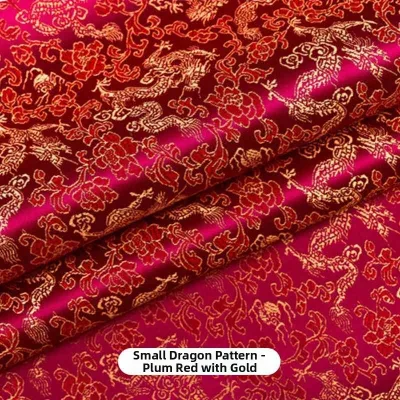
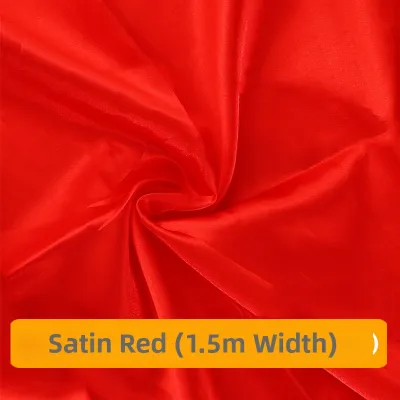
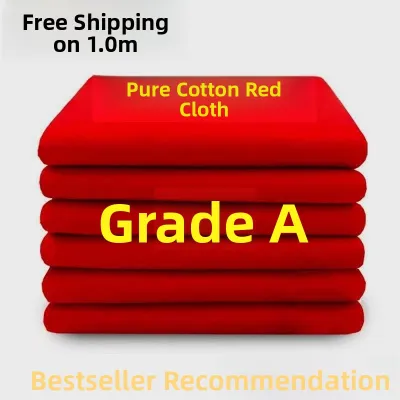
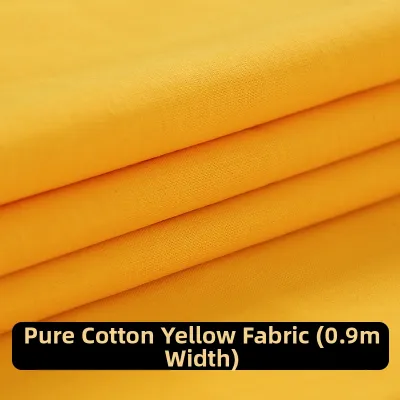
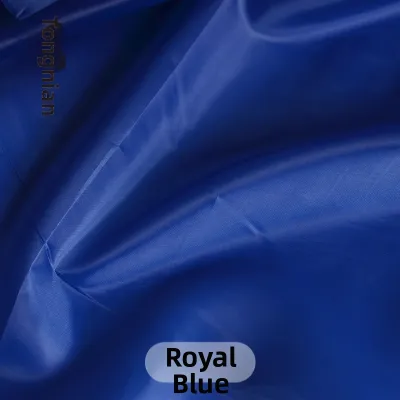
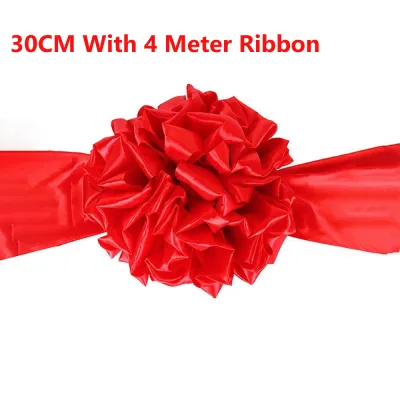
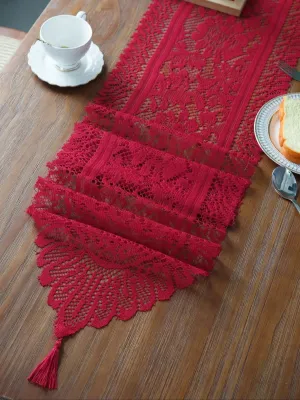
Prices are valid at publication and may change. Please refer to the product page for the latest price.
Cotton and Cotton Blends
Pure cotton is highly favored in the Philippines due to its exceptional breathability and moisture-wicking properties, making it incredibly comfortable to wear in hot, humid weather. It is an excellent medium for beginners because it does not slip or stretch excessively during cutting and sewing. Red cotton is commonly used for casual wear, summer blouses, children’s clothing, and quilting.
However, red cotton is notorious for dye bleeding. The chemical structure of red dyes often results in weaker bonds with natural cellulose fibers, causing excess pigment to wash out. Before starting your project, performing a pre-wash is highly recommended to shrink the fabric to its permanent dimensions and remove loose dye. In local markets, basic red cotton utility fabrics typically range from ₱80 to ₱180 per yard, depending on the thread count and weave density.
Polyester and Synthetic Blends
Polyester and synthetic blends are highly valued for their superior colorfastness. Synthetic fibers are dyed at high temperatures, allowing them to lock in vibrant red shades that resist fading even after repeated exposure to harsh sunlight and frequent laundering. Additionally, polyester is highly durable, wrinkle-resistant, and less prone to shrinking than natural fibers, making it ideal for structured garments, activewear, linings, and home decor items like tablecloths or curtains.
Despite these benefits, pure polyester lacks breathability. In a tropical climate, wearing a fully synthetic red garment can trap heat and sweat against the skin, leading to discomfort. To balance durability and comfort, many local sewists opt for poly-cotton blends. These blends offer the ease of cotton with the wrinkle resistance and color stability of polyester. Synthetic red fabrics are highly affordable, with prices generally ranging from ₱60 to ₱120 per yard in local retail shops.
Luxury and Drape-Heavy Red Textiles: Silk and Rayon
When a sewing project demands elegant movement, a sophisticated drape, or a high-end finish, delicate or semi-synthetic fabrics are the preferred choice. These materials elevate the appearance of formal wear, evening gowns, and flowy resort wear.

Silk and Silk Blends
Red silk is the epitome of luxury, offering an unmatched natural sheen and a deep, rich color saturation that catches the light beautifully. It is a premier choice for high-end formal wear, custom blouses, and modern Filipiniana attire. The natural temperature-regulating properties of silk also make it surprisingly comfortable to wear in warm climates.
Working with red silk requires advanced handling and specialized tools. Because silk is slippery and prone to snagging, you must use fine microtex or sharp needles (size 60/8 or 70/10) and high-quality thread to prevent pulling the delicate fibers. Silk is also prone to severe fraying, requiring finished seams such as French seams or overlocked edges. Due to its delicate nature, red silk requires dry-cleaning or extremely gentle hand-washing with pH-neutral detergents. Genuine silk is a premium investment, with prices typically ranging from ₱500 to over ₱1,500 per yard.
Rayon and Viscose
Rayon is a semi-synthetic fiber made from regenerated cellulose. It mimics the fluid, graceful drape of silk at a highly accessible price point, making it incredibly popular for summer dresses, wide-leg trousers, and casual blouses in the Philippines. Red rayon fabrics drape beautifully against the body and feel cool to the touch, providing excellent comfort in humid weather.
However, rayon has an exceptionally high shrinkage rate, often shrinking by up to 10% after its initial exposure to water. Pre-washing rayon in cool water and air-drying it completely before cutting your pattern pieces is an absolute requirement. Failing to do so will result in a finished garment that is significantly smaller than intended. Rayon is also weaker when wet, so it must be handled gently during the pre-wash phase. It is widely available in local shops for approximately ₱100 to ₱220 per yard.
Traditional Philippine Weaves: Piña, Jusi, and Inabel
For culturally significant, artisanal, or heritage sewing projects, traditional Philippine handwoven textiles offer unique textures and historical depth. Understanding how these fibers interact with red dyes is key to achieving a successful design.
Piña and Jusi
Piña, handwoven from pineapple leaf fibers, and Jusi, traditionally made from abaca or banana silk (though modern commercial jusi is often a silk-polyester blend), are renowned for their sheer, lightweight, and stiff textures. These fabrics are naturally ivory, cream, or light ecru.
Finding Piña or Jusi in deep, vibrant red is rare. Because these natural fibers are highly delicate, achieving a saturated red shade requires specialized chemical dyes or meticulous natural dyeing processes. These treatments can sometimes alter the natural stiffness, luster, or hand of the fiber. Consequently, vibrant red Piña and Jusi are typically reserved for high-end custom couture, formal wear accents, or specialized modern Barongs rather than everyday garments. They require expert handling, very fine needles, and professional dry-cleaning to maintain their structural integrity.
Inabel and Local Cotton Weaves
Inabel is a durable, structured handwoven cotton fabric originating from the Ilocos region. Woven on traditional wooden looms, Inabel is celebrated for its strength, geometric patterns, and rich cultural heritage. Red is a classic and prominent color in traditional Inabel designs, frequently paired with black, white, or yellow in striking stripes or complex binakol (psychedelic-like) patterns.
Due to its sturdy and thick nature, red Inabel is highly suitable for structured garments such as modern vests, crop jackets, and structured skirts, as well as home accessories like table runners, placemats, and throw pillow covers. When working with handwoven cotton, it is important to check for colorfastness, as some artisanal dyes may behave differently than commercial ones. Authentic Inabel is typically sold by the yard or in pre-cut panels, with prices ranging from ₱250 to over ₱600 per yard, directly supporting local weaving communities.
How to Select, Prep, and Sew Red Fabrics
Working with red cloth requires specific preparation and sewing techniques to ensure the longevity of the fabric’s color and the structural integrity of your finished project.
Colorfastness Testing
Because red dyes are chemically prone to bleeding, evaluating bleed resistance through observable trial criteria is highly recommended before cutting. To perform a wet crocking test, take a scrap of your red cloth and rub it firmly against a damp white cotton cloth. If any red pigment transfers to the white surface, the dye is unstable. For a more thorough check, submerge a small sample of the fabric in a bowl of room-temperature water for 15 minutes; any immediate discoloration of the water indicates that the fabric requires multiple pre-washes or a dye-fixing treatment before it can be safely sewn alongside lighter fabrics.
Pre-Washing and Fabric Preparation
Always wash your red fabric using the same water temperature and cycle you plan to use for the finished item. Pre-washing removes excess surface dyes, preventing them from transferring to your sewing machine bed, your hands, or other garments during wear. It also pre-shrinks natural fibers like cotton and rayon, ensuring that your finished garment retains its correct dimensions after its first post-sewing wash.
Needle and Thread Matching
Matching your needle type, thread composition, and sewing machine settings to your red cloth is vital for clean seams. For light to medium-weight red cotton, a universal needle size 70/10 or 80/12 paired with standard 40-weight polyester thread works best. Slippery synthetics or delicate silks require microtex or sharp needles (size 60/8 or 70/10) to prevent runs and snags, while heavy handwoven textiles like Inabel demand a thicker needle size 90/14 or 100/16 to pierce the dense weave without bending.
Pressing Tips
Red fabrics, particularly synthetics and dark silks, can develop permanent shiny marks or scorch lines from direct iron heat. Always use a clean cotton pressing cloth between your iron and the red fabric, and set the iron temperature according to the specific fiber content. Press on the wrong side of the fabric whenever possible to protect the vibrant face of your red cloth.
Frequently Asked Questions (FAQ)
How do I stop red fabric from bleeding dye during washing?
To minimize bleeding, always wash red fabrics in cold water with mild, liquid detergents, as warm water can loosen dye bonds. You can add a cup of distilled white vinegar to the first rinse cycle of natural fibers to help set the dye. For added protection when washing mixed loads, use commercial color-catcher sheets in the wash cycle to absorb loose dye particles before they can cling to lighter fabrics.
Where can I buy traditional red Inabel fabric in the Philippines?
Authentic red Inabel can be purchased directly from local weaving cooperatives in the Ilocos region, regional heritage craft fairs, or verified online artisan shops specializing in local textiles. When purchasing, it is beneficial to ask the seller about the fiber composition (pure cotton versus poly-cotton blends) and whether the red yarn was chemically or naturally dyed, as this information will guide your washing and care routines.

Community discussion
Share your experience or ask a question. Comments are reviewed before publication.