
Choosing the right Halloween bag depends entirely on whether you are collecting a heavy haul of sweets on the street or presenting a beautifully curated gift. While a trick-or-treat bag must prioritize physical endurance, structural integrity, and ease of transport, a gift wrapping bag focuses on visual appeal, structural fit, and protecting the contents inside. Understanding these distinct roles ensures you do not end up with a torn handle full of spilled candy or a crumpled, mismatched gift presentation.
Understanding the Core Needs: Candy Haul vs. Gift Presentation
A trick-or-treat bag is a highly active container. It experiences continuous movement, swinging, and the sudden impact of heavy chocolates, hard candies, and boxed sweets. The handles must bear this shifting weight for hours, often under humid tropical conditions that can weaken standard paper fibers.
In contrast, a gift wrapping bag is a passive container designed for presentation. Its primary job is to look pristine, stand upright on a table, and shield the gift from dust or curious eyes. The user interaction is minimal: it is carried carefully from one location to another and then handed over as a complete, sealed package.
Products mentioned in this guide
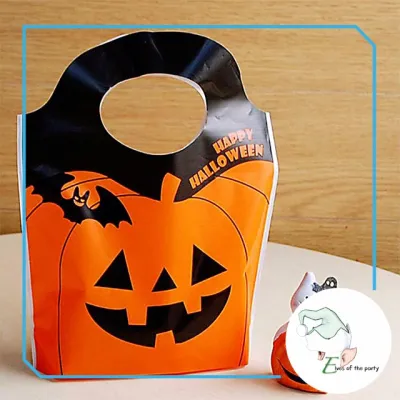
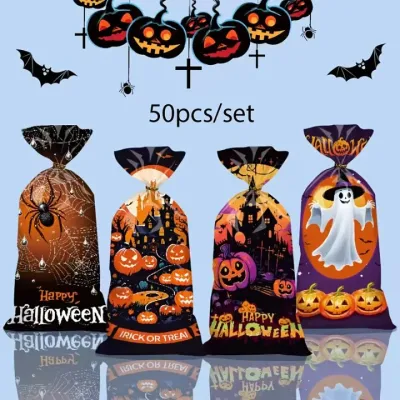
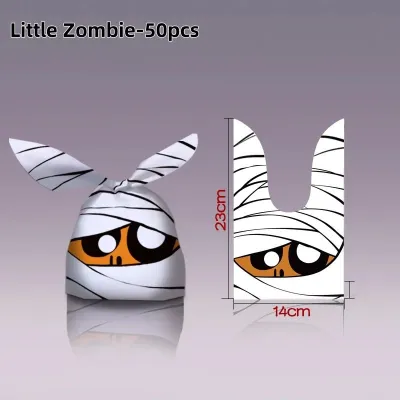
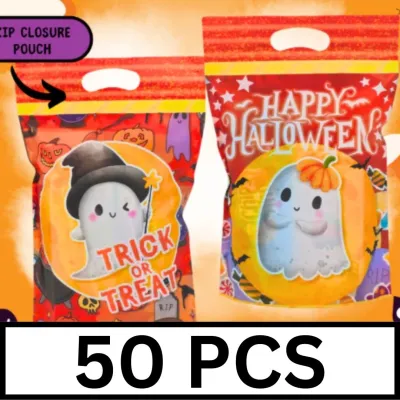
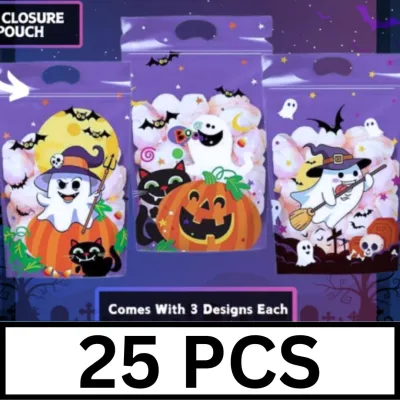
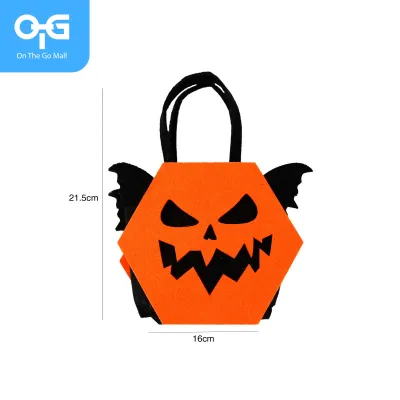
![[Wondering] 3pcs Halloween Candy Bag Bow Candy Bag Portable Stereo Pumpkin Bag Halloween Gifts For Children.](https://img.lazcdn.com/g/p/6d02c9b11d90cda5e12b20285dfdd69a.jpg_400x400q80.jpg_.webp)
Prices are valid at publication and may change. Please refer to the product page for the latest price.
This difference in use dictates the structural requirements. A candy bag needs a wide, open top so children can quickly drop treats inside while walking. It also requires deep dimensions to prevent items from spilling out during a long walk. A gift bag, however, must match the specific dimensions of the gift box inside to prevent excessive shifting, which can damage delicate tissue paper or cause the bag to tip over.
Furthermore, the environmental exposure differs significantly. A trick-or-treat bag must withstand outdoor elements, potential contact with wet grass, and sweat from excited hands. A gift bag remains largely indoors, requiring materials that resist creasing and maintain a crisp, professional fold rather than materials that resist heavy friction or moisture.
Choosing a Trick-or-Treat Bag: Durability and Capacity Checks
When evaluating a bag for trick-or-treating, the handles are the most common point of failure. Look for bags with reinforced stitching, such as an “X” pattern where the strap meets the fabric, or thick, molded plastic handles that are securely riveted to the body. Thin paper twist handles or simple glued ribbon handles are highly prone to snapping when loaded with heavy candy.

The material of the bag itself must withstand sharp corners from plastic toy packaging and heavy, dense candy bars. Thick canvas, heavy-duty polyester, or high-density non-woven polypropylene are excellent choices. If you are using a paper bag, verify that it features a double-layered bottom or a reinforced cardboard base insert to distribute the weight evenly and prevent the bottom from blowing out.
The physical dimensions should strike a balance between capacity and portability. A bag that is too deep makes it difficult for younger children to retrieve their treats, while a bag that is too shallow allows candy to spill out easily. A wide opening is essential for quick drops from generous neighbors, ensuring the flow of the walk is not interrupted.
In warm, humid climates like the Philippines, candy can quickly soften or melt, leaving sticky residues inside the bag. Choosing a bag with a wipe-clean laminated interior or a fully washable fabric allows you to easily clean up melted chocolate or sticky lollipop syrup. This simple check ensures the bag remains sanitary and ready for reuse in future festive seasons.
Additionally, consider the closure mechanism. While an open-top tote is easiest for collecting candy, a bag with a secure drawstring or a simple hook-and-loop fastener can prevent accidental spills when transitioning in and out of vehicles or navigating crowded neighborhood streets.
Selecting a Gift Wrapping Bag: Aesthetics and Structural Fit
Selecting a gift wrapping bag requires a keen eye for proportion and material quality. The bag should comfortably accommodate the gift box with about two to three inches of clearance at the top for decorative tissue paper. If the bag is too large, the gift will slide around, potentially damaging the corners of the box; if it is too small, the paper will stretch, crease, or tear at the seams.
The choice of material sets the tone for the presentation. Premium materials like thick, high-gsm (grams per square meter) kraft paper, matte-coated cardstock, or textured non-woven fabrics provide a structured, high-end look. These materials hold their shape beautifully, preventing the bag from sagging or wrinkling under the weight of the gift.
Look for integrated decorative elements that elevate the overall design. Features such as satin ribbon handles, metallic foil stamping, embossed patterns, or die-cut shapes add a tactile and visual depth that standard printed plastic bags cannot match. These details transform the bag from a simple container into an active part of the gifting experience.
A flat, rigid base is another critical feature for a successful gift presentation. A sturdy bottom gusset allows the bag to stand upright independently on a display table or floor. This prevents the bag from tipping over, keeping the tissue paper perfectly fluffed and ensuring the gift inside remains in its intended position.
When purchasing, you can verify the paper quality by performing a gentle pinch test on the corners. High-quality gift bags will resist creasing under light pressure and will not show white stress marks along the folds, indicating that the paper fibers and coatings are durable enough to survive transport without losing their polished look.
Can One Halloween Bag Work for Both Scenarios?
While trick-or-treat bags and gift bags serve different primary functions, certain versatile designs can successfully bridge the gap. Sturdy, non-woven polypropylene tote bags with festive Halloween prints are excellent candidates. They offer the durability and water resistance needed for a long night of collecting candy, while their clean structure and vibrant designs make them presentable enough to use as a casual gift bag.
However, attempting to use a standard, lightweight paper gift bag for trick-or-treat runs usually ends in disappointment. The delicate paper handles and thin seams are not designed for the dynamic stress of walking and carrying heavy loads, especially if exposed to evening humidity or light rain. Conversely, using a thin, crinkly plastic trick-or-treat sack for a thoughtful gift can make the presentation feel rushed and unpolished.
If you decide to repurpose a sturdy, plain tote bag for a gift, simple stationery modifications can elevate its appearance. Adding a layer of color-coordinated tissue paper, tying a high-quality satin ribbon around the handle, or attaching a personalized, hand-written gift tag can instantly transform a functional utility bag into an elegant, festive package. This approach not only saves money but also provides the recipient with a durable, reusable bag they can use for their own trick-or-treating next year.
Ultimately, the decision to use a single bag style depends on your budget and the level of formality required. For casual gatherings among close friends or family, a high-quality reusable tote works beautifully for both roles. For formal gift-giving or heavy-duty neighborhood trick-or-treating, keeping the two categories separate ensures the best performance and presentation.
Frequently Asked Questions (FAQ)
How to Reinforce a Paper Gift Bag for Heavier Items
To strengthen a paper gift bag for heavier items, start by placing a custom-cut piece of thick, rigid cardboard at the bottom of the bag. This distributes the weight of the gift across the entire base rather than concentrating it in the center, which prevents sagging and tearing. Additionally, inspect the handle attachment points on the inside of the bag; reinforcing these areas with a few strips of heavy-duty clear packing tape or duct tape will secure the knots or glue joints against sudden tension.
How to Store Halloween Bags for Reuse Next Year
Proper storage is key to preserving both paper and fabric Halloween bags for future celebrations. For paper bags, empty them completely, flatten them along their original fold lines, and store them horizontally in a cool, dry drawer or plastic storage bin to protect them from humidity and dust. For plastic, canvas, or non-woven tote bags, ensure they are completely clean of any sticky candy residue, fold them gently to avoid sharp creases, and store them away from direct sunlight to prevent the vibrant colors from fading and the synthetic fibers from degrading over time.

Community discussion
Share your experience or ask a question. Comments are reviewed before publication.