
The fundamental difference between highlighters and markers lies in their ink opacity and intended purpose. Highlighters use translucent, fluorescent, or pastel ink designed to emphasize existing text without obscuring it, making them ideal for studying and document review. Markers use opaque, pigmented, or dye-based ink meant for writing, drawing, labeling, and creating high-contrast content on various surfaces. Choosing between them depends entirely on your task: if you need to annotate and scan printed text, reach for a highlighter; if you need to generate new content, write on dark or non-porous materials, or create bold visuals, a marker is the correct tool.
In tropical climates like the Philippines, where high humidity can affect how ink dries and how paper absorbs moisture, understanding these differences is even more critical. A tool that works well in a dry environment might feather or bleed on a damp afternoon. Selecting the right instrument ensures your notes remain legible, your documents stay clean, and your creative projects do not smudge. By examining the physical properties of these writing instruments, you can make an informed decision for your school, office, or home organization needs.
Core Functional Differences: Ink, Tips, and Opacity
To understand why these two tools perform so differently, it helps to look at their chemical and physical designs. The most significant distinction is ink formulation, which directly dictates how much light can pass through the stroke. Highlighters utilize highly transparent, water-based inks that often contain fluorescent colorants. These colorants absorb invisible ultraviolet light and re-emit it as visible light, creating a bright glow that draws the eye without hiding the text underneath. Because the ink is translucent, light bounces off the paper fibers beneath the stroke and returns to your eyes, keeping the printed words highly legible.
Products mentioned in this guide
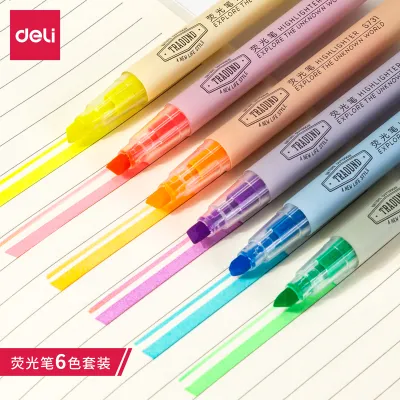
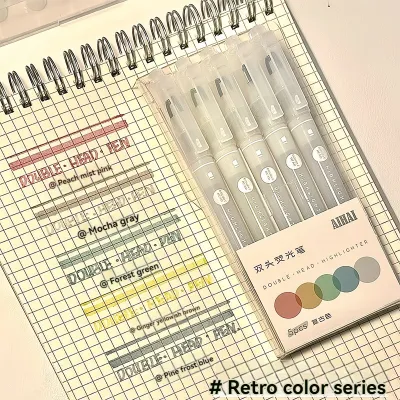
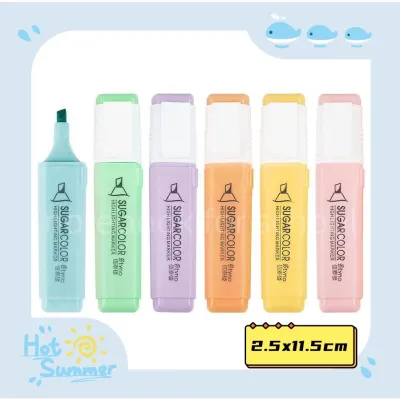
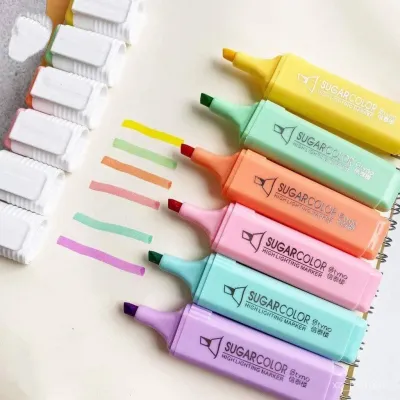
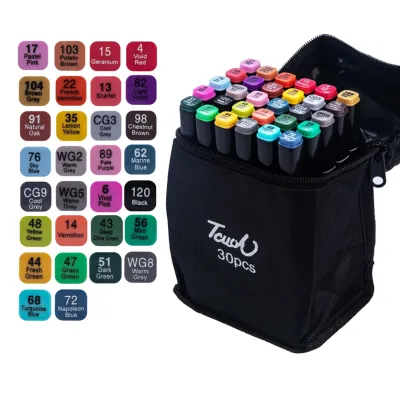
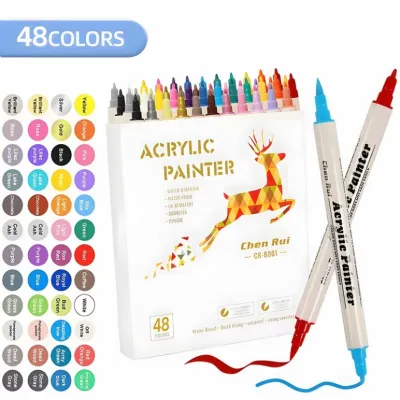
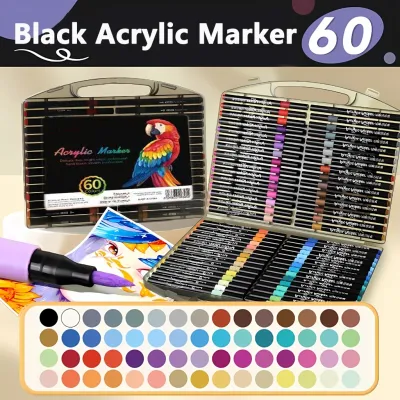
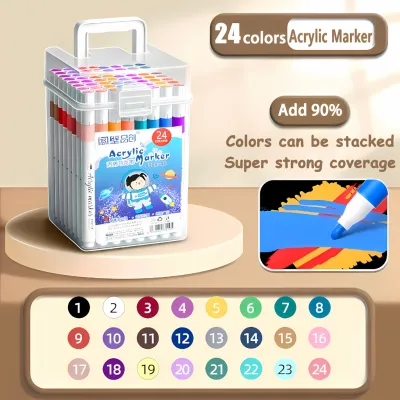
Prices are valid at publication and may change. Please refer to the product page for the latest price.
In contrast, markers are formulated with highly concentrated dyes or solid pigments suspended in a liquid solvent, such as water or alcohol. This formulation is designed to block light completely, creating a solid, high-coverage layer of color on the surface. When you write with a marker, the opaque ink sits on top of the paper or material, completely covering whatever is underneath. This makes markers excellent for creating new text or drawings but entirely unsuitable for highlighting existing documents.
Tip design is another area where these tools diverge to serve different functions. Highlighters typically feature a broad, slanted chisel tip. This specific shape allows you to draw a wide, flat line that covers a standard line of printed text in a single stroke. By tilting the marker, you can also use the sharp point of the chisel tip for fine underlining or writing small notes.
Markers, however, come in a vast array of tip shapes tailored to specific tasks. Bullet tips are rounded and sturdy, providing a consistent line width that is ideal for labeling, writing on whiteboards, or outlining drawings. Brush tips are flexible and mimic a traditional paintbrush, allowing you to vary the line width based on pressure, which is highly popular for calligraphy and artistic projects. Fine and ultra-fine tips are designed for precision writing, detailed sketching, and technical drawing where control is paramount.
The way these inks interact with paper is heavily influenced by the volume of ink delivered and the paper’s weight and texture. Highlighters generally deliver a controlled, thin layer of water-based ink that dries quickly on standard copy paper without soaking through. However, on thin paper, such as bible pages or lightweight notebook paper, the high water content can cause the paper fibers to swell, leading to warping, feathering, or bleed-through.
Markers, especially alcohol-based or permanent varieties, deliver a high volume of solvent-based ink that penetrates deep into paper fibers. This often results in significant bleed-through on standard 70 gsm or 80 gsm paper, requiring thicker cardstock or specialized marker paper to prevent damage to subsequent pages. In humid conditions, drying times for both types of ink can slow down, making smudge resistance a key factor to observe during initial tests.
Best Use Cases: When to Reach for a Highlighter vs a Marker
Matching the correct tool to your specific task prevents ruined documents and ensures your work is clear and professional. Highlighters are a common choice for academic and professional reading. When studying textbooks, lecture notes, or research papers, highlighters allow you to build a visual hierarchy. For example, you can use yellow for main ideas, pink for key terms, and green for supporting details, which helps your brain categorize information and speeds up future review sessions.

In professional settings, highlighters are essential for reviewing legal contracts, financial audits, or administrative reports. The translucent ink ensures that critical clauses, figures, or signatures remain fully legible for photocopying, scanning, or archiving. Because the ink does not block light, scanned documents will show the highlighted text clearly without dark patches obscuring the words.
Markers are designed for creation rather than review, making them a practical choice for labeling and organization. When organizing storage boxes, plastic containers, or file folders, permanent markers are designed to write on non-porous surfaces like plastic, glass, and metal. This ensures your labels remain legible and do not smudge or fade when handled.
For visual presentations, signage, and classroom teaching, markers provide the high-contrast visibility needed to be read from a distance. Bullet or chisel-tip markers allow you to write large, bold letters on poster boards or whiteboards. In creative projects, markers are a popular medium for sketching, coloring, hand lettering, and detailed illustrations, offering vibrant colors and smooth blending capabilities.
There are, however, some practical overlaps and exceptions where the boundaries blur. Mild, pastel-toned highlighters have become highly popular as a softer alternative to traditional fluorescent colors. These pastel shades are excellent for bullet journaling, allowing you to create subtle borders, headers, or color-coded blocks without overwhelming the page.
Conversely, fine-tip or ultra-fine markers are often used alongside highlighters for document annotation. While you would not use a marker to highlight a whole sentence, a fine-tip marker is perfect for writing brief notes, definitions, or symbols in the narrow margins of textbooks where a broad highlighter tip would be too clumsy.
Decision Framework: Which Tool Fits Your Specific Task?
To simplify your choice, you can use a straightforward, condition-based framework before starting your project.
Choose a highlighter if:
- Your primary goal is to emphasize existing text rather than create new writing.
- You must maintain the clear readability of the underlying words.
- You are working with printed documents, textbooks, or photocopies.
- You plan to scan or photocopy the page afterward and need the text to remain visible.
Choose a marker if:
- You are creating new text, drawings, diagrams, or labels from scratch.
- You need high-contrast visibility that stands out clearly from a distance.
- You are writing on non-paper materials, such as plastic, cardboard, glass, metal, or wood.
- You want to fill in large areas with solid, opaque color.
Before applying either tool to an important document, perform a quick compatibility check. First, feel the thickness of your paper. Standard copy paper (around 70 to 80 gsm) can handle most highlighters but will likely show bleed-through with alcohol-based markers. If you are using thin paper, test your tool on an inconspicuous corner or a scrap piece first.
Second, check the ink compatibility of your pens. Water-based highlighters can smudge water-based gel pens or fountain pen inks. To prevent smearing, pair water-based highlighters with oil-based ballpoint pens, or allow the pen ink to dry completely before highlighting. For historical documents, family bibles, or expensive textbooks, check the manufacturer’s specifications for acid-free and archival-safe labels to prevent paper degradation over time.
Storage and Maintenance: Keeping Your Tools in Good Condition
Proper storage and maintenance are essential to prevent your highlighters and markers from drying out or degrading prematurely, especially in warm, humid environments. Listen for the distinct “click” when capping your writing instruments. An improperly sealed cap allows air to enter, drying out the solvent or water in the ink reservoir and rendering the tool useless.
Storage orientation is critical for maintaining consistent ink flow. Dual-tipped markers and highlighters are best stored horizontally. This ensures that the ink is distributed evenly to both tips, preventing one end from drying out while the other becomes oversaturated. Single-tipped markers and highlighters can often be stored vertically, but storing them horizontally is generally a reliable practice to prolong their lifespan.
If a water-based highlighter or marker begins to dry out, you can check the manufacturer’s instructions for revival. Often, lightly dipping the tip in a small amount of clean water for a few seconds, capping it, and letting it sit upright for a few hours can draw the remaining ink back to the tip. For alcohol-based markers, a tiny drop of isopropyl alcohol applied directly to the tip can sometimes dissolve dried ink clogs and restore flow, though this should only be done in accordance with product guidelines.
It is advisable to discard a tool if you observe irreversible tip damage, such as severe fraying or splitting that prevents clean lines. In hot, humid climates, water-based inks can occasionally develop mold if contaminated. If you notice an unusual odor, discoloration, or fuzzy growth on the tip, discard the tool to prevent spreading spores to your paper. Finally, if shaking the marker does not resolve watery, streaky, or completely separated ink output, the chemical binders have likely broken down permanently, meaning it is time for a replacement.
Frequently Asked Questions (FAQ)
Can I use a marker as a highlighter?
Standard markers are not suitable for highlighting because their opaque ink formulation is designed to cover surfaces, which can block out the underlying text. Additionally, markers deliver a heavier volume of ink that easily bleeds through standard book and copy paper, ruining the pages underneath. While some very light pastel markers or fine-tip markers can be used for underlining or drawing thin borders around text, they still carry a higher risk of bleed-through and smudging compared to purpose-built, translucent highlighters. For clean, readable annotations, always stick to highlighters.
Do highlighters and markers expire?
While highlighters and markers do not carry strict expiration dates, they do have a limited shelf life. Over time, the solvents or water in the ink reservoir will slowly evaporate, even if the cap is tightly sealed, leading to a dry tip and faint ink flow. Additionally, the chemical binders and pigments can separate or degrade over several years, resulting in streaky performance or color shifts. To maximize their lifespan, store your writing instruments in a cool, dry place away from direct sunlight, and test older tools on a piece of scrap paper before using them on important documents.
Community discussion
Share your experience or ask a question. Comments are reviewed before publication.