
Selecting the right clay molding set depends heavily on whether your output is destined for a personal display shelf or a commercial retail shelf. A hobby-grade clay molding set focuses on creative flexibility, ease of use, and manual manipulation, making it ideal for crafting unique, low-volume pieces. Conversely, a robust clay molding set for business is engineered to deliver mechanical consistency, high-pressure output, and long-term durability under continuous production cycles. Understanding these distinctions is vital for any studio looking to transition from casual crafting to profitable, small-scale manufacturing.
Assessing Your Production Needs: Do You Really Need a Business-Grade Set?
Before making a capital investment, it is essential to diagnose your current production scale and identify where your current tools are falling short. Many artisans start with hobby-grade equipment, which is perfectly adequate for prototyping, testing new designs, or fulfilling low-volume custom orders. However, as order volumes grow, the limitations of hobby-grade tools quickly manifest as production bottlenecks that can harm your business reputation.
You can identify the need for an upgrade by looking for specific, observable signals in your daily operations. One clear indicator is rapid mold wear; if your molds are losing their shape or tearing after only a few dozen cycles, your equipment may not be distributing forces correctly. Another signal is inconsistent compression pressure, which leads to lost details, variable product thickness, and a high rate of rejected pieces. Finally, if your single-run volumes cannot keep pace with client deadlines, your manual setup is actively limiting your business growth.
Products mentioned in this guide
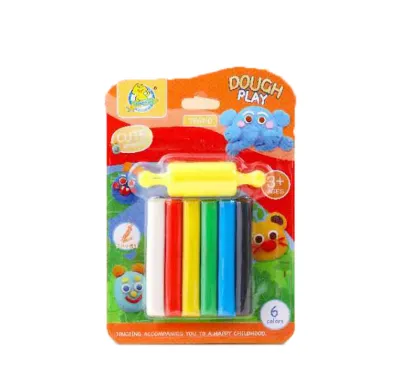
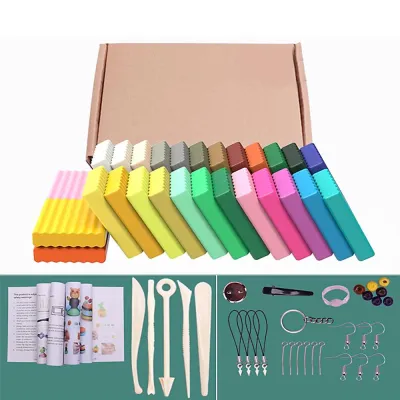
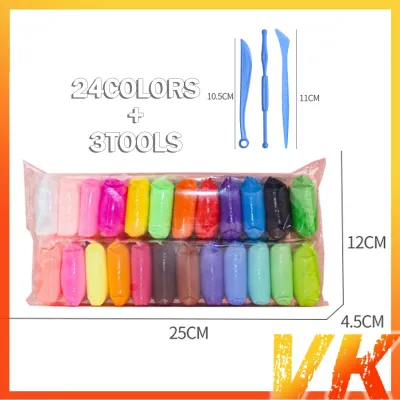
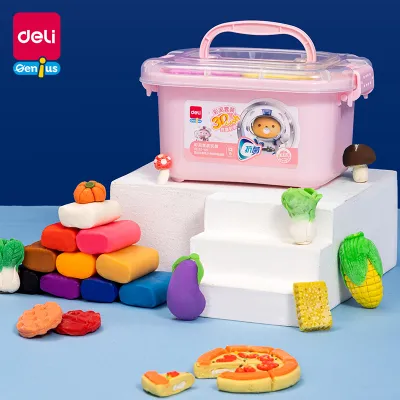
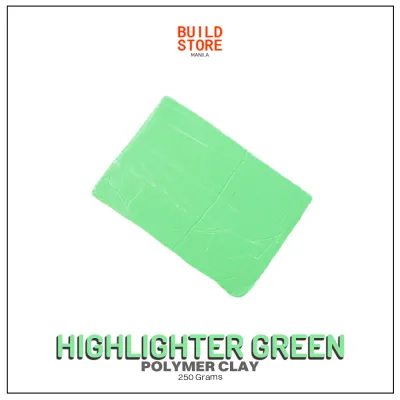
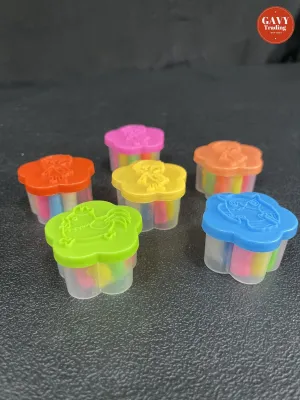
Prices are valid at publication and may change. Please refer to the product page for the latest price.
To determine if a business-grade system is truly necessary, evaluate your operations against the following self-assessment checklist:
- Monthly Output Volume: If your business regularly produces more than 200 finished clay pieces per month, manual hobby tools will likely cause physical fatigue and inconsistent product quality.
- Dimensional Tolerances: If your clients require precise dimensions—such as for jewelry components, architectural models, or matching dinnerware sets—you need the micrometer-level precision of a commercial press.
- Surface Finish Standards: If your products require a flawless, bubble-free surface straight out of the mold to minimize post-processing labor, a high-pressure business-grade set is essential.
If your current workflow does not face these bottlenecks, sticking with a well-maintained hobby set is a financially sound decision. It allows you to keep overhead low while you validate your designs and build a stable customer base.
Core Feature Differences: Hobby vs. Business Clay Molding Sets
When comparing equipment tiers, look beyond marketing labels and focus on verifiable mechanical specifications. A commercial-grade clay molding set is not just a larger version of a hobby tool; it is engineered with entirely different structural and mechanical principles to ensure repeatable results over thousands of cycles.

Build Quality and Material Durability
Hobby-grade molding sets are typically constructed from engineered plastics, lightweight acrylics, or thin aluminum plates. While these materials make the tools lightweight and affordable, they are highly susceptible to structural deflection—bending or warping under pressure—when subjected to continuous commercial use. Over time, even minor warping in the frame can cause uneven mold compression, leading to thick edges or incomplete details on one side of your finished clay pieces.
In contrast, a business-grade clay molding set features heavy-duty metal frames constructed from solid steel, cast iron, or thick anodized aluminum. These materials provide the structural rigidity required to withstand high-frequency, high-pressure cycles without flexing. When evaluating commercial options, always verify the equipment’s net weight and frame material specifications rather than relying on vague descriptions. A heavier machine is generally a more stable machine, indicating a solid metal construction designed for a long operational lifecycle.
Pressure Mechanisms and Precision Control
The method used to apply pressure to the clay is a major differentiator between hobby and business equipment. Hobby sets often rely on simple manual levers, hand-cranks, or threaded hand screws. Because these mechanisms depend entirely on manual strength, achieving uniform pressure from batch to batch is nearly impossible, resulting in subtle variations in density and thickness across your product line.
Business-grade systems utilize advanced pressure mechanisms such as hydraulic cylinders, pneumatic rams, or heavy-duty mechanical screw systems with calibrated gears. These systems allow you to apply immense, uniform pressure across the entire surface of the mold. To maintain consistency across large production runs, look for verifiable control features such as integrated pressure gauges, mechanical limit stops to control travel depth, and calibrated pressure release valves. These features ensure that every single clay piece is compressed with the exact same force, eliminating human error.
Mold Compatibility and Production Volume
Hobby molding sets are generally designed for small, single-cavity molds, limiting your output to one piece per compression cycle. They also feature limited clearance heights and small platen areas, which restricts the physical size of the items you can produce. Changing molds in these systems often requires manual alignment and loose clamps, which increases downtime between production runs.
Commercial molding sets are engineered to maximize per-cycle yield by supporting larger platen sizes and multi-cavity molds. This allows you to mold multiple items simultaneously, drastically reducing your labor cost per piece. Additionally, business-grade machines incorporate quick-change clamping systems and precision registration pins. These alignment systems ensure that the upper and lower halves of your molds align perfectly every time, preventing mold shifting and reducing the occurrence of unsightly seam lines on your finished products.
Evaluating Workflow and Maintenance for Commercial Use
Integrating a new piece of machinery into your daily studio operations requires a clear understanding of its maintenance needs and workflow compatibility. In a commercial environment, equipment downtime directly translates to lost revenue, making ease of maintenance a critical purchasing factor.
One of the most common operational challenges in a busy studio is preventing cross-contamination. When switching between different clay colors or material formulations—such as transitioning from a dark terracotta ceramic clay to a delicate translucent polymer clay—any residue left on the molding plates can ruin the subsequent batch. Business-grade molding sets are designed with smooth, non-porous surfaces and quick-disassembly frames that allow you to clean the platens thoroughly in minutes.
Furthermore, the long-term repairability of the machine must be considered. Hobby-grade tools are often manufactured as sealed, single-unit assemblies; if a single hinge or screw thread strips, the entire tool must often be discarded. Business-grade equipment, however, is built with standardized, replaceable wear parts. High-quality commercial presses feature easily accessible O-rings, pressure springs, guide bushings, and seals that can be sourced locally and replaced without specialized tools, ensuring your production line remains active.
Operating in the tropical climate of the Philippines introduces unique environmental challenges that can accelerate equipment wear. High relative humidity levels can quickly cause rust and corrosion on untreated iron or steel components, leading to mechanical seizing and ruined clay batches. When selecting a business-grade set, verify that all ferrous metal parts are protected by industrial powder coatings, chrome plating, or are constructed from high-grade stainless steel. Additionally, establish a strict maintenance routine that includes regular lubrication of guide rods and moving parts with moisture-resistant lubricants to protect your investment from the humid Philippine air.
Making the Upgrade Decision: When to Invest in Commercial Equipment
Deciding when to transition from hobby-grade to commercial-grade equipment is a pivotal moment for any growing creative business. To avoid over-investing too early or bottlenecking your growth too late, map your current business status to one of two logical pathways.
Path 1: Optimize and Retain (Hobby-Grade) If your business is still in the validation phase, or if your monthly order volume is low and highly customized, upgrading to expensive machinery may not be financially justifiable. Instead, focus on optimizing your current workflow. You can achieve better results with your existing hobby set by improving your clay conditioning techniques, ensuring your clay is at the optimal temperature before molding, and investing in high-quality manual molds. This approach keeps your overhead low while you refine your product designs and build a consistent customer base.
Path 2: Upgrade and Invest (Business-Grade) You should invest in a commercial clay molding set when your order volume is stable, your manual production capacity is fully saturated, and you are turning away business due to lead-time constraints. If your clients demand strict dimensional consistency that you cannot reliably deliver with manual tools, the upgrade becomes necessary to protect your brand’s reputation.
Before finalizing your purchase, use this final pre-purchase verification checklist to ensure a secure investment:
- Request Technical Specification Sheets: Do not rely on retail descriptions; ask the manufacturer for detailed engineering drawings, maximum pressure ratings, and material certifications.
- Confirm Warranty Terms: Ensure the equipment is backed by a comprehensive commercial warranty that covers frame structural integrity and mechanical parts.
- Verify Local Support in the Philippines: Confirm that the seller or manufacturer has a local distributor or service center in the Philippines that can quickly supply spare parts, replacement seals, or technical assistance to minimize potential downtime.
Frequently Asked Questions (FAQ)
Can I use hobby-grade molds in a business-grade molding press?
While it is physically possible to place hobby-grade molds into a commercial press, doing so carries significant risks. Hobby-grade molds—often made from thin silicone, flexible plastics, or plaster without external reinforcement—are not designed to withstand the intense, concentrated forces exerted by a business-grade hydraulic or pneumatic press. Under high pressure, these molds can easily deform, split, or undergo catastrophic failure, which can damage the machine’s platens and ruin your clay. If you must use hobby-grade molds, always check the mold manufacturer’s maximum pressure tolerance, use a rigid mold jacket to distribute forces, and conduct your initial test runs at the lowest possible pressure setting.
What type of clay works best with commercial molding sets?
Commercial molding sets are highly versatile and can process a wide variety of materials, including polymer clay, resin-based clays, and traditional ceramic clays. However, the success of your production depends on matching your specific clay formulation with the features of your press. For example, highly viscous polymer clays often require heated platens to soften the material and ensure it flows smoothly into intricate mold details. Conversely, sticky resin clays benefit from specialized non-stick surface treatments on the mold plates to ensure clean release without tearing. Always cross-reference your clay manufacturer’s technical data sheets—paying close attention to recommended compression pressures and temperature limits—with the operating manual of your molding set to ensure compatibility.
Community discussion
Share your experience or ask a question. Comments are reviewed before publication.