
A sketch pencil set contains a spectrum of graphite grades designed to control the darkness, hardness, and texture of your marks. By adjusting the ratio of clay to graphite in each pencil, manufacturers create a range that spans from hard, light-marking leads to soft, deep-black leads. Choosing the right grade allows you to transition seamlessly from precise technical outlines to rich, expressive shadows, directly influencing the depth and realism of your artwork.
Decoding the Graphite Scale: What H and B Grades Actually Mean
To master the use of a sketch pencil set, you must first understand the lettering system stamped on the side of each casing. The letter “H” stands for hardness, indicating a lead that contains a higher proportion of clay binder relative to graphite. Conversely, the letter “B” stands for blackness, representing a softer lead with a higher concentration of graphite. The numbers preceding these letters indicate the intensity of these traits; for instance, a 4B pencil is significantly softer and darker than a 2B pencil.
Between these two extremes lie the middle-ground options that serve as the bridge for everyday drawing. The “HB” grade represents a balanced blend of hardness and blackness, which is why it is the standard choice for schoolwork and general writing. The “F” grade, which stands for fine, is slightly harder than HB and is specifically formulated to hold a sharp, fine point for extended periods without wearing down quickly. Understanding this spectrum helps you anticipate how a pencil will behave the moment it touches your paper.
Products mentioned in this guide
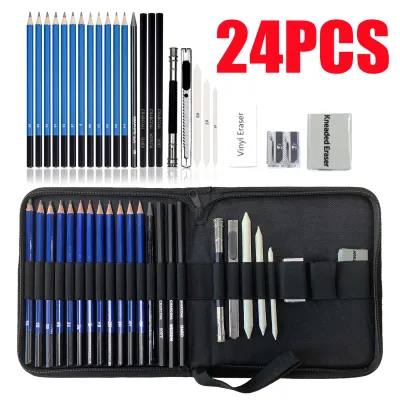
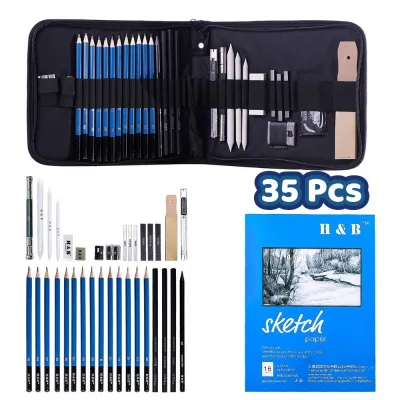
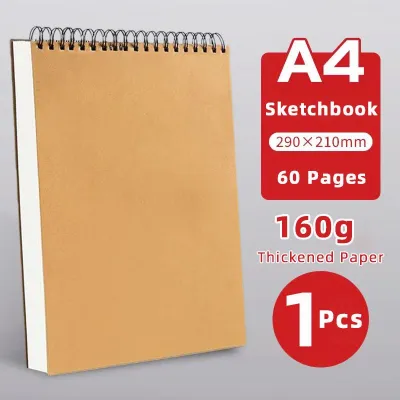
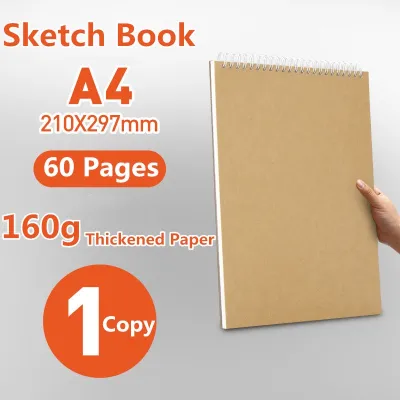
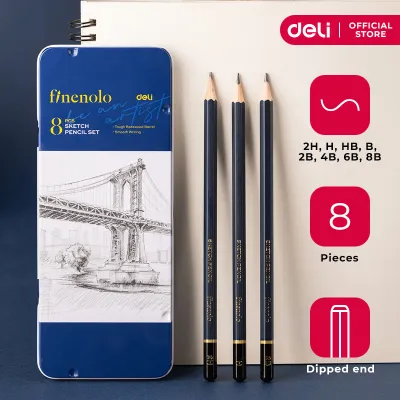
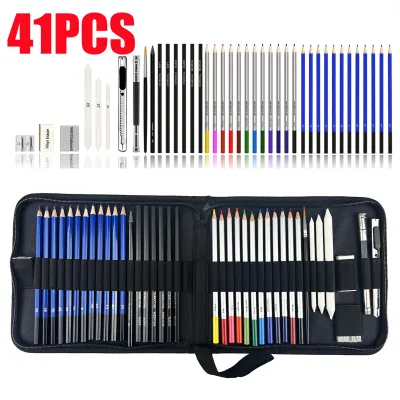
Prices are valid at publication and may change. Please refer to the product page for the latest price.
How Hard and Soft Grades Change Your Line Quality and Shading
Hard Grades (H Range) for Precision and Light Lines
Pencils in the H range, spanning from H up to 9H, are characterized by their firm cores and light pigment delivery. Because these leads resist wearing down, they produce exceptionally sharp, clean lines that are highly resistant to accidental smudging. This makes them indispensable for the initial stages of a drawing, such as laying down structural guidelines, perspective grids, or light proportional sketches that you intend to erase or cover later.

However, working with hard grades requires a delicate hand, especially in humid tropical climates where paper fibers can absorb moisture and soften. Applying excessive pressure with a hard pencil can easily indent or scratch the surface of your paper, leaving permanent grooves that will trap darker graphite later. When used correctly, these grades are ideal for rendering subtle textures like fine hair, delicate fabric folds, or the precise lines required in architectural drafting.
Soft Grades (B Range) for Deep Shadows and Blending
The B range, extending from B to 9B and beyond, is the powerhouse of depth and contrast in your artwork. These pencils release a generous amount of graphite with minimal pressure, producing rich, velvety dark marks that are easy to blend, smudge, and manipulate with a paper stump or brush. If you want to create dramatic shadows, realistic skin tones, or three-dimensional forms, the soft grades provide the necessary tonal range to make your subjects pop.
The trade-off for this rich pigment delivery is physical durability and maintenance. Soft cores wear down rapidly, requiring frequent sharpening to maintain a usable point, which also means these pencils are consumed much faster than their H-range counterparts. Additionally, the high volume of loose graphite dust on the page is highly prone to smudging under your hand, making a clean working technique or a protective sheet of paper under your drawing hand essential.
Middle Grades (F and HB) for General Sketching
The middle grades, specifically HB and F, act as the versatile workhorses of any sketch pencil set. They offer an optimal balance, providing enough darkness for clear visibility while retaining a sharp point long enough for continuous sketching. These grades are perfect for establishing the initial mid-tones of a drawing, sketching loose gestures, or writing notes in the margins of your sketchbook.
Because they do not deposit excessive graphite dust or scratch the paper surface under normal pressure, they are highly forgiving for beginners. Starting your drawing with an HB pencil allows you to map out your values safely before committing to the deep shadows of the B range or the precise details of the H range.
Matching Pencil Grades to Your Drawing Style and Paper Texture
Selecting the right pencil from your set is not just about the look you want; it is also about how the graphite interacts with your drawing surface. For portraiture, a selection of soft B grades is crucial for rendering smooth skin gradients and deep hair textures. In contrast, technical illustrators and landscape artists often rely heavily on the H range to maintain clean lines and sharp architectural details.
The texture, or “tooth,” of your paper plays an equally critical role in your final results. Smooth papers, like bristol board, work beautifully with hard pencils for detailed work but can struggle to hold the heavy graphite layers of soft B pencils. Rough papers, such as cold-press watercolor paper or textured sketchbooks, grab graphite aggressively, making soft pencils look incredibly rich and textured while causing hard pencils to wear down or skip across the ridges.
Furthermore, qualities like smoothness, erasability, and smudge resistance are not universal; they depend entirely on how a specific graphite grade interacts with your paper’s weight and fiber content. Before starting a major project, it is wise to perform a quick trial on a scrap piece of your chosen paper to observe how the graphite behaves. This allows you to check for unwanted metallic shine, test how cleanly the marks erase, and see if the graphite dust smudges excessively under normal handling.
What to Verify When Choosing the Right Sketch Pencil Set
When shopping for a sketch pencil set on an online marketplace, it is easy to be swayed by the sheer number of pencils included. However, a quality set should offer a well-curated range of grades rather than multiple duplicates of standard HB pencils that you may not need. Look for a set that provides a balanced progression, such as 2H to 6B, which covers almost all standard drawing scenarios.
You should also inspect the physical construction of the pencils to ensure a frustration-free drawing experience. High-quality sets feature centered graphite cores wrapped in premium wood, such as cedar, which ensures the pencil sharpens smoothly without splintering or breaking the lead. Check product descriptions or user reviews to verify that the leads are bonded to the wood casing along their entire length, as this prevents the internal graphite from shattering if the pencil is accidentally dropped. Additionally, verify if the set includes essential accessories like a compatible sharpener or eraser that matches the core diameters of the pencils.
Frequently Asked Questions (FAQ)
Why do some sketch pencil sets include non-graphite pencils like charcoal?
Many comprehensive sketch pencil sets include charcoal or carbon pencils to expand your creative options. Charcoal provides an intense, matte black finish that completely eliminates the natural metallic shine or glare associated with heavy graphite layers. When using these mixed sets, always check the product labels to ensure you are applying the right medium, as charcoal requires a rougher paper tooth to adhere properly and must be sealed with a fixative to prevent severe smudging.
Does a higher number always mean a better pencil for sketching?
A higher number on a pencil does not indicate superior quality; it simply denotes an extreme position on the hardness or softness scale. For example, a 9B pencil is extremely soft and dark, while a 9H pencil is incredibly hard and pale. These extreme grades are highly specialized and can be difficult for beginners to control or erase cleanly. For most sketching and shading tasks, a standard range from 2H to 6B is highly practical and more than sufficient to achieve professional-grade depth and detail.

Community discussion
Share your experience or ask a question. Comments are reviewed before publication.