
A 250-gram pack of beads can contain anywhere from a few dozen large statement beads to tens of thousands of tiny seed beads. Because craft suppliers and local shops in the Philippines typically sell beads by weight rather than an exact count, planning a jewelry project or a beaded accessory requires understanding how weight translates into individual pieces. The final count depends entirely on the material, size, shape, and physical structure of the beads you choose.
Why Weight and Count Differ Across Bead Types
The material of the bead is the primary factor determining its weight and, consequently, how many pieces you get in a 250-gram pack. For instance, acrylic and wooden beads have a low density, meaning they are lightweight and will yield a high count per pack. On the other hand, glass, ceramic, metal, and gemstone beads are much denser, which means a 250-gram pack of these materials will contain significantly fewer individual pieces.
Bead shape also plays a major role in how much mass is packed into a specific size. A solid, round bead contains more material and weighs more than a faceted, tubular, or hollow bead of the same outer diameter. These structural differences mean that even if two bead styles share the same millimeter measurement, their individual weights can vary noticeably.
Products mentioned in this guide
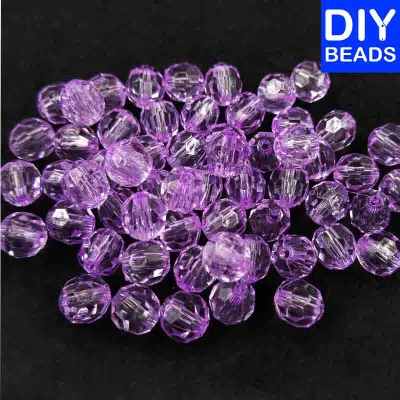
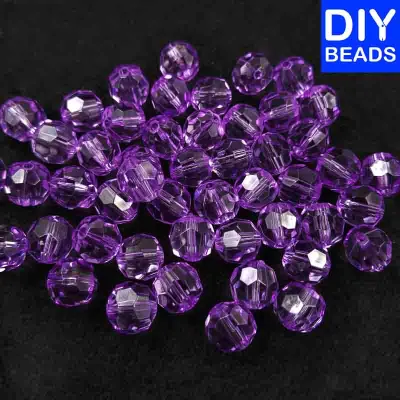
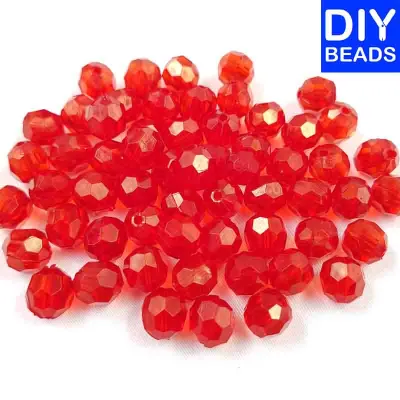
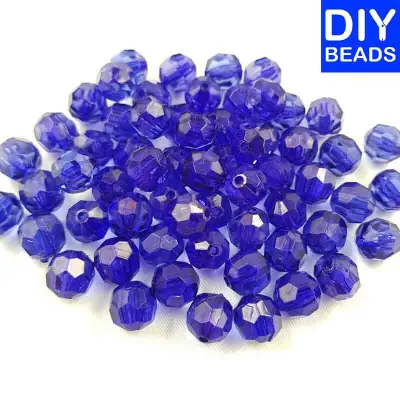
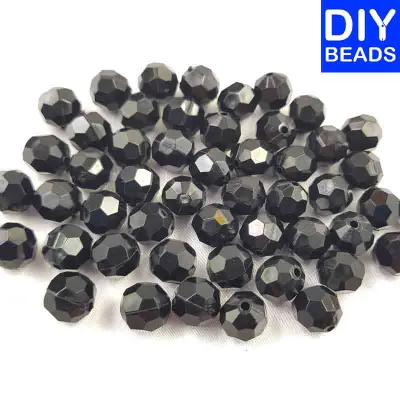
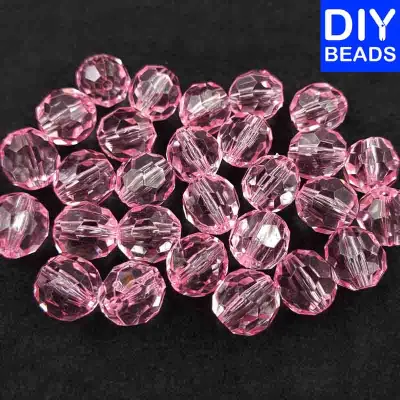
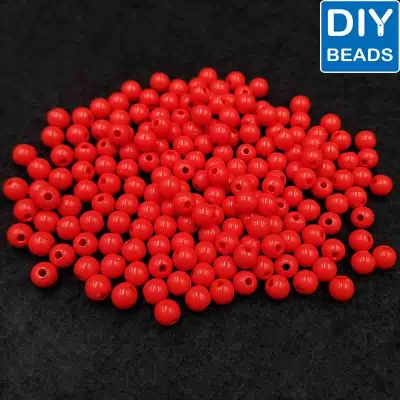
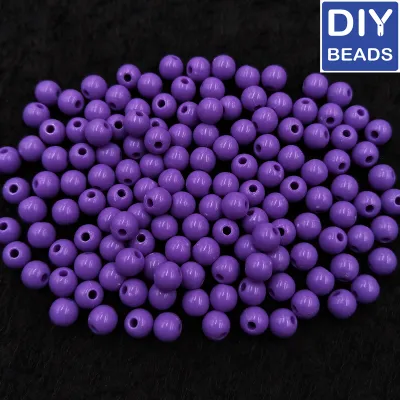
Prices are valid at publication and may change. Please refer to the product page for the latest price.
Additionally, the size of the inner hole and the thickness of the bead walls alter the overall weight. Beads designed with larger holes for thick cords or leather threads have less material inside, making them lighter than beads of the same size with tiny thread holes. When purchasing bulk packs, observing these physical details helps you anticipate whether your pack will lean toward a higher or lower piece count.
How to Estimate Bead Count in a 250g Pack
To plan your project accurately, you can estimate the total bead count using a straightforward calculation. The basic formula is to divide the total weight of the pack (250 grams) by the weight of a single bead. While this sounds simple, obtaining the weight of a single bead requires a systematic approach, especially since individual beads are often too light for standard kitchen scales. This is particularly useful when crafting native-style accessories for tropical beach trips or designing custom jewelry where every piece counts.

To find the weight of a single bead, use a high-precision digital scale, such as a pocket scale that measures down to 0.01 grams. Weigh a sample of 10 or 20 beads together to get a stable reading, then divide that total weight by the number of beads in your sample. For example, if 20 glass beads weigh 5 grams, then one bead weighs approximately 0.25 grams. Dividing 250 grams by 0.25 grams gives you an estimated count of 1,000 beads.
When working with mixed-size packs, irregular shapes, or handmade beads, a single average weight is necessary. Count out a random sample of 30 beads from the mix, weigh them together, and calculate the average weight per bead. This average accounts for the natural variations in the pack, giving you a realistic estimate of the total quantity available for your design.
Key Specifications to Check Before Buying
Before purchasing a 250-gram pack from an online marketplace or a local craft store, carefully review the product specifications. Check the stated bead diameter, which is usually listed in millimeters (mm). Comparing this measurement against standard size charts helps you visualize the physical size of the beads and estimate how they will fit into your project layout. If you are budgeting for a large project, knowing the exact count helps you avoid spending extra ₱ on unnecessary materials.
Many reputable sellers provide an approximate count or a range of pieces in their product descriptions. When reviewing these numbers, keep in mind that they are estimates with a typical tolerance margin of 5% to 10% due to manufacturing variances. If a listing does not provide a count, look at the customer reviews or Q&A sections where other crafters may have shared their actual counts.
Verifying the exact material composition is also crucial to avoid unexpected weight discrepancies. Some listings might use descriptive terms like “gemstone style” or “glass look” when the beads are actually made of lightweight acrylic. Confirming whether the material is genuine glass, metal, or plastic ensures your weight-to-count calculations remain accurate and your finished jewelry has the desired weight and drape.
Frequently Asked Questions (FAQ)
Does a 250g pack of seed beads contain more beads than larger sizes?
Yes, a 250-gram pack of seed beads contains vastly more individual pieces than a pack of larger beads. Because seed beads are extremely small—often ranging from 1.5 mm to 4 mm in diameter—their individual weight is negligible, resulting in thousands of beads per pack. However, keep in mind that very tiny beads can sometimes include a small amount of packaging weight or anti-static coatings in the total weight, which can slightly reduce the actual net bead count.
How should I account for waste or breakage when planning my project?
When planning a project, it is wise to add a standard buffer of 5% to 10% to your calculated bead count. This buffer accounts for any chipped, misshapen, or blocked beads that may be unusable, which is common in bulk packs. If your design requires an exact number of flawless pieces, or if you are creating a matching set of jewelry, purchasing an extra pack ensures you will not run out of matching beads mid-project.
Community discussion
Share your experience or ask a question. Comments are reviewed before publication.