
Spotting genuine K-Pop albums and lightsticks requires a combination of physical inspection, digital verification, and careful sourcing. With the global rise of idol merchandise, counterfeiters have developed highly sophisticated replicas that can easily mislead fans. By checking the print resolution of photocards, verifying official hologram seals, and testing the Bluetooth connectivity of lightsticks, you can protect your hard-earned money and ensure your items are authentic.
For fans in the Philippines, collecting these items is a significant investment. High shipping costs and limited local availability mean that purchasing a counterfeit is highly disappointing. Understanding the subtle differences between official releases and replicas is a practical way to safeguard your collection.
Why Authenticity Matters for K-Pop Merchandise
Purchasing genuine idol merchandise directly impacts your favorite artists by ensuring their sales are counted on official music charts like Hanteo and Circle. Counterfeit sales do not contribute to these charts, meaning your support does not reach the creators. When you buy official items, you directly fund future albums, music videos, and concert tours.
Products mentioned in this guide
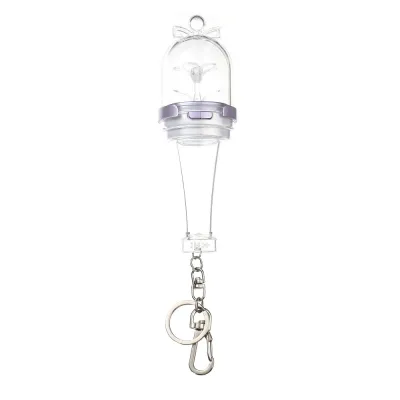
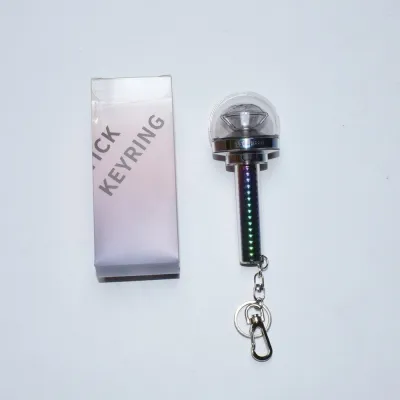
Prices are valid at publication and may change. Please refer to the product page for the latest price.
Beyond supporting the artists, authentic items offer reliable functionality. Counterfeit lightsticks frequently suffer from hardware failures, such as failing to connect to official concert apps or refusing to sync with the central control system during live performances. This can leave you with a non-functional device while the rest of the crowd enjoys a synchronized light show.
Safety is another critical factor, particularly in warm, humid tropical climates. Fake lightsticks often use substandard wiring and low-grade battery compartments that are highly prone to corrosion, overheating, or leakage, which can ruin the device. Official manufacturers adhere to strict safety standards, ensuring the electronics can withstand prolonged use.
How to Verify K-Pop Albums Before and After Purchase
Authenticating a physical K-Pop album involves a multi-layered approach that examines the external packaging, the print quality of the contents, and the official licensing seals. Counterfeiters often struggle to replicate the exact manufacturing standards of official Korean printing presses, leaving behind subtle clues that are straightforward to spot if you know where to look.

Inspecting Packaging, Print Quality, and Photocards
Start by examining the outer packaging of the album. Genuine albums feature high-quality lamination that does not bubble, precise spine glue that keeps pages securely bound, and a substantial paper weight. Replicas often feel unusually light, have a strong chemical glue smell, or show uneven cutting along the edges.
Photocards are a primary target for counterfeiters, but they are also highly straightforward to verify. Genuine photocards display sharp print resolution, accurate color balance, and smooth, professionally cut edges, often featuring tiny manufacturing tabs at the corners. Fake photocards are frequently blurry, cropped slightly off-center, or printed on thin, flimsy cardstock.
Additionally, check any included posters, lyric books, or special inserts. Official inserts are folded with machine precision and printed with consistent ink coverage, whereas counterfeit inserts often show uneven creases, faded colors, or pixelated text.
Checking Hologram Stickers and Official Seals
Most official K-Pop albums feature a specialized hologram sticker, historically issued by KOMCA (Korea Music Copyright Association) or specific entertainment agencies, placed on the outer shrink wrap or the back of the packaging.
When you tilt the album under a light source, the hologram should shift colors smoothly and reveal distinct patterns or embedded logos. Counterfeit stickers often look dull, lack the multi-layered depth of genuine holograms, or are simply flat, printed images that do not react to light.
Keep in mind that authentication seals can vary. Some reissued albums, digital-only platform versions, or specific regional releases might use alternative seal formats or omit the traditional sticker entirely, making it important to cross-reference the specific release details.
How to Authenticate K-Pop Lightsticks
Verifying a lightstick requires both physical inspection and digital testing. Because these items are complex electronic devices, counterfeiters often cut corners on internal components to keep production costs low, resulting in noticeable physical and functional differences.
Evaluating Build Quality, Materials, and Engravings
Begin by inspecting the exterior plastic globe and handle. Genuine lightsticks use high-grade, crystal-clear acrylic or polycarbonate that is free from scratches, internal bubbles, or visible molding seams. Counterfeit versions often use cheaper plastics that look slightly cloudy or show rough seams.
Open the battery compartment to check the internal construction. Official lightsticks feature clean, gold-plated or high-quality metal contacts, neat wiring, and clearly printed safety certification marks matching international standards. In contrast, fake lightsticks often have loose springs, exposed wires, or battery holders that do not fit snugly.
The physical weight and balance of the handle can also reveal a fake. Genuine lightsticks feel solid and balanced, with buttons that offer firm, tactile resistance when pressed, unlike the lightweight, hollow feel and mushy buttons common in replicas. Brand logos and engravings on the handle should be crisp and precisely aligned.
Testing App Connectivity and Bluetooth Functions
A highly reliable way to verify a modern lightstick is to pair it with the agency’s official companion mobile application. Genuine lightsticks contain authorized Bluetooth chips that allow the app to recognize the specific device model instantly.
Once connected, test the lightstick’s advanced features, such as downloading firmware updates, customizing LED colors, and activating the concert sync mode. If the device fails to connect, disconnects constantly, or cannot process a firmware update, it is highly likely to be a counterfeit.
Be aware that some advanced replicas can mimic basic Bluetooth pairing to show up on your phone’s default Bluetooth menu. However, they frequently fail to register within the official dedicated app or sync correctly during a live concert.
Choosing Reliable Purchasing Channels for Idol Merchandise
To minimize the risk of buying counterfeit goods, prioritize purchasing from official brand stores, authorized local distributors, or established physical retail chains that specialize in imported music media. Buying directly from trusted sources ensures your purchase is authentic.
When shopping on online marketplaces or e-commerce platforms, carefully evaluate third-party sellers. Look for stores with high positive ratings, a long history of operations, and numerous buyer-uploaded photos in the review section that show the actual product received. Avoid sellers who have a high volume of negative reviews complaining about fake items.
Be highly suspicious of red flags, such as prices listed significantly below the standard retail price in ₱. If a deal seems too good to be true, or if the seller uses only stock photos and provides vague, evasive answers to your questions, it is advisable to look elsewhere. Genuine merchandise has a baseline cost due to manufacturing and importing, so extreme discounts are almost always a sign of a counterfeit.
What to Do If You Receive a Counterfeit Item
If you suspect you have received a counterfeit item, document the unboxing process immediately. Taking a continuous, unedited video of yourself opening the package and showing the specific flaws of the item provides strong evidence. Make sure the shipping label is clearly visible at the start of the video.
Take clear, well-lit close-up photos of the packaging, the lack of proper hologram seals, or any physical defects in the print or build quality. This documentation is essential for supporting your claim when dealing with customer service.
Initiate a return or refund request through the e-commerce platform’s buyer protection program as soon as possible. Submit your photo and video evidence to support your case, and report the fraudulent listing to the platform to help protect other fans from making the same mistake.
Frequently Asked Questions (FAQ)
Can I trust a seller if the price is only slightly lower than retail?
A slightly lower price is not an automatic guarantee of authenticity. While some sellers offer minor discounts due to bulk purchasing or minor outer box damage during transit, others use slight discounts to make their counterfeit items look like legitimate sales. Always cross-reference the seller’s overall inventory, return policy, and customer feedback before committing to a purchase.
Do all official K-Pop albums come with a hologram sticker?
Not all official albums feature the same hologram sticker. While major entertainment agencies traditionally use KOMCA or custom agency holograms, some independent labels, limited editions, or digital platform albums use alternative authentication methods or none at all. It is best to check the official agency announcements or unboxing videos from verified sources for that specific album version.

Community discussion
Share your experience or ask a question. Comments are reviewed before publication.