
Authenticating your favorite K-Pop merchandise is a vital skill for any dedicated collector. With counterfeit albums and lightsticks flooding online marketplaces, knowing how to distinguish genuine items from cheap replicas ensures your hard-earned money supports your favorite artists. To spot a fake K-Pop album or lightstick, you must perform a systematic check of the official KOMCA hologram sticker, analyze the print and paper quality of the photocard inserts, test the device’s Bluetooth connectivity via official fan apps, and inspect the physical build quality of the item.
For fans collecting releases from major labels and specific brands like xlov, the stakes are high. Cheap imitations not only dilute the joy of collecting but also fail to deliver the interactive experience that makes official merchandise special. By learning what visual and physical indicators to look for, you can confidently build a collection of authentic, high-quality items.
The Risks of Counterfeit K-Pop Merchandise and Fake xlov Releases
The massive global demand for K-Pop collectibles has fueled a highly active secondary market. Unauthorized manufacturers exploit this demand by producing convincing replicas of high-value items, including sought-after releases under the xlov label. These counterfeit products are designed to look identical to official merchandise at a glance, making it easy for unsuspecting buyers to fall victim to scams.
Products mentioned in this guide
![XLOV - 2th Mini Album [ IGod ]](https://img.lazcdn.com/g/ff/kf/S752f53a783c54686924efd9d88144a84L.jpg_400x400q80.jpg_.webp)
![XLOV - [ IGod ] SPECIAL PACK](https://img.lazcdn.com/g/ff/kf/Se210e66a06fb454e9ee490e2f9326602Y.jpg_400x400q80.jpg_.webp)


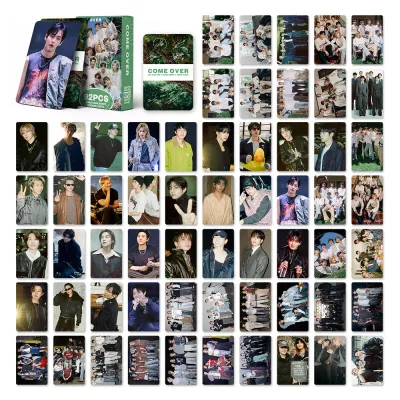
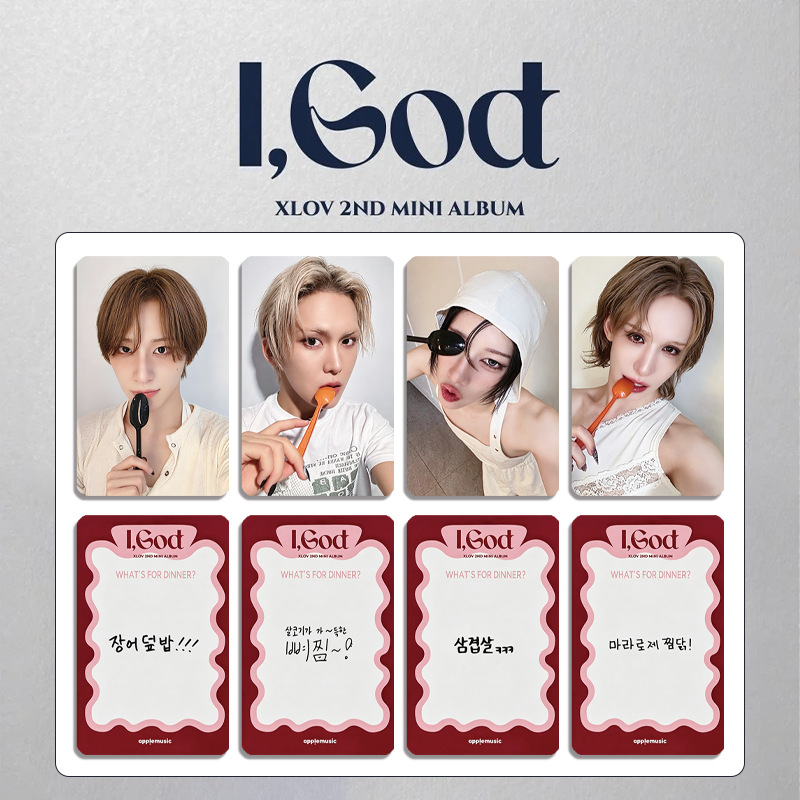
Prices are valid at publication and may change. Please refer to the product page for the latest price.
Purchasing counterfeit items carries significant functional and collectible risks. Fake albums are not registered with official music charts like Hanteo or Circle Chart, meaning your purchase does not contribute to the artist’s music show wins or award nominations. Additionally, these unauthorized copies lack eligibility for official fan sign events, leaving buyers unable to participate in exclusive fan interactions.
For lightsticks, the consequences are even more practical. A counterfeit lightstick often fails to sync with the central lighting control system at live concerts, leaving you out of the synchronized crowd light show. Furthermore, poorly constructed internal wiring and low-grade battery compartments can cause rapid battery drainage or, worse, leak acid and permanently damage your expensive device. Fortunately, despite the prevalence of these fakes, you can easily identify them through systematic physical and digital checks without needing specialized equipment.
How to Inspect K-Pop Albums for Authenticity
Evaluating the physical qualities of K-Pop albums requires close attention to detail. Official albums are manufactured to strict quality standards, utilizing premium materials and specialized security features.

Checking Packaging, Holograms, and Print Quality
One of the most reliable indicators of authenticity is the official anti-counterfeit hologram sticker. In South Korea, the Korea Music Content Association (KOMCA) issues these metallic, reflective stickers for music releases, while individual labels apply proprietary security seals. When tilted under a light source, a genuine hologram sticker displays a smooth, multi-dimensional color shift and intricate, sharp patterns. In contrast, counterfeit stickers are often flat, poorly printed images that lack depth or fail to show any color-shifting properties when rotated.
Next, closely analyze the overall print quality of the album cover and photobook. Genuine albums feature crisp, high-resolution text, accurate color grading, and perfectly aligned spine graphics. Counterfeit versions frequently exhibit noticeable pixelation, color bleeding, or a washed-out appearance due to low-quality scans of official artwork. The cardboard stock used for fake covers also tends to feel flimsy and lightweight compared to the sturdy, dense board used by official manufacturers.
Finally, inspect the album’s spine width and binding construction. Legitimate production facilities use high-grade, flexible binding adhesives that hold pages securely, even when the photobook is opened wide. Counterfeiters typically rely on cheap, brittle hot-melt glue. In warm, humid environments like the Philippines, this low-grade adhesive degrades rapidly, causing the binding to crack and pages to fall out after only a few viewings.
Verifying Photocards and Pre-Order Benefits (POBs)
Photocards and Pre-Order Benefits (POBs) are often the most valuable components of a K-Pop album, making them prime targets for counterfeiters. Because these small pieces of paper can command high prices on the secondary market, unauthorized sellers frequently print replica cards to sell individually or insert into fake album packages.
To verify a photocard, start by assessing its paper thickness, weight, and surface finish. Genuine photocards are printed on thick, premium cardstock that resists bending and has a distinct, professional finish—whether it is a smooth matte coating or a high-gloss laminate. Fake photocards often feel unusually thin, flimsy, or overly slippery. When held next to a known genuine card, the difference in paper density and stiffness is immediately apparent.
Official POBs and broadcast photocards also feature highly specific manufacturing details that counterfeiters struggle to replicate. Look for precise border cuts, rounded corners with clean edges, and tiny circular tabs or “nubs” on the sides, which are remnants of the industrial cutting sheets used during official production. Additionally, many genuine cards feature subtle embossed logos, silver foil stamping, or hidden watermarks that remain sharp and legible under close inspection, whereas fakes show blurred edges or missing details.
Be exceptionally cautious of “too good to be true” pricing on rare or highly sought-after photocards. If a seller is offering a rare broadcast card or a limited-edition POB for a fraction of its standard market value—such as listing a card worth thousands of Pesos for just a few hundred—it is highly likely a replica. Always cross-reference visual checks with a thorough review of the seller’s transaction history and reputation in the collecting community.
Key Verification Steps for Official Lightsticks
An official K-Pop lightstick is a premium piece of electronics designed to withstand hours of enthusiastic waving during live performances. Because genuine lightsticks are manufactured in specialized facilities with strict quality control, they exhibit a level of structural integrity that counterfeiters cannot match.
Examining Build Quality and Engravings
Begin your inspection by examining the plastic molding seams along the handle and the main body of the lightstick. Genuine lightsticks feature clean, flush seams that are barely visible and smooth to the touch. Counterfeit lightsticks, on the other hand, often have rough, sharp plastic edges, misaligned halves, or visible yellow glue residue seeping from the joints.
Next, look closely at the transparency of the globe and the precision of any branding elements. The clear plastic globe of an official lightstick is pristine, free of internal scratches, dust, or air bubbles. Any laser engravings or printed logos on the handle or internal elements should be deep, crisp, and perfectly centered. Counterfeit versions often feature shallow, unevenly painted logos that can easily be scratched off with a fingernail, or blurred text that suggests a cheap stamping process was used.
The weight and battery compartment provide further physical clues. A genuine lightstick has a balanced, substantial weight in the hand, even without batteries installed. The battery compartment should open smoothly, with a secure, well-fitted tray and high-quality metal contacts. Counterfeits often feel hollow and lightweight, utilizing thin plastic battery trays and loose, low-grade metal springs that are highly susceptible to corrosion and rust when exposed to tropical humidity.
Testing Bluetooth Connectivity and App Syncing
The most definitive way to verify the authenticity of a modern K-Pop lightstick is to test its digital functionality. Official lightsticks are equipped with specialized Bluetooth microchips designed to communicate directly with the group’s official fan application and central concert control systems.
To perform this test, download the official mobile application dedicated to the lightstick from the official Google Play Store or Apple App Store. Turn on your smartphone’s Bluetooth and attempt to pair the lightstick through the app’s connection menu. A genuine lightstick will connect seamlessly within seconds, allowing you to manually change the LED colors, adjust the flashing speed, or enter “Concert Mode” directly from your phone.
Counterfeit lightsticks almost always fail this digital check. Because high-quality Bluetooth chips are expensive, counterfeiters either omit Bluetooth functionality entirely or use cheap, generic chips that cannot interface with official software. If the lightstick fails to appear in the official app’s device list, or if the seller instructs you to download a generic, unauthorized third-party Bluetooth controller app to change the colors, the item is undoubtedly fake.
Additionally, try to initiate a firmware update through the official app. Genuine lightsticks are designed to receive official firmware updates to ensure compatibility with upcoming concert tours. A counterfeit device will fail this update process, often displaying an error message or disconnecting entirely, as its internal hardware cannot process the official manufacturer’s software updates.
Using Official Digital Tools and Verification Portals
As counterfeiting techniques become more sophisticated, entertainment labels and distributors have turned to digital security measures to help fans verify their purchases. Many modern K-Pop albums and lightsticks now incorporate hidden technological elements that offer an extra layer of security.
When unboxing a new item, look for hidden NFC (Near Field Communication) tags or scratch-off QR codes integrated into the packaging or the product itself. Many official distributors include these security features on the back of the album or inside the lightstick box. By scanning the QR code or tapping the NFC-enabled area with your smartphone’s native camera or the label’s designated verification app, you can instantly access an official database that confirms the unique serial number of your product.
However, you must exercise caution and avoid relying on unverified, third-party “authentication” apps or community-driven databases. These unofficial platforms lack direct access to the entertainment labels’ manufacturing records and can easily be fooled by counterfeiters who generate fake QR codes pointing to lookalike websites. Always use the official apps recommended on the label’s verified social media channels or official website.
It is also beneficial to check the official website of the distributor or label for detailed guides on batch variations. Legitimate packaging can sometimes undergo minor modifications between production runs due to changes in paper suppliers, printing facilities, or regional distribution requirements. Understanding these official variations prevents you from falsely identifying a genuine second-press album as a counterfeit.
Navigating Safe vs. High-Risk Purchasing Channels
Protecting yourself from counterfeit K-Pop merchandise begins with making informed decisions about where you shop. While the secondary market offers convenience, choosing the right purchasing channels significantly reduces your risk of receiving a fake item.
The safest way to purchase K-Pop merchandise is directly from official brand stores, authorized K-Pop retail partners, or official fan club membership shops, such as the Weverse Shop. These retailers source their inventory directly from the entertainment labels, ensuring that every album and lightstick is 100% authentic and properly counted on official music charts.
Conversely, general e-commerce platforms and open online marketplaces present a much higher risk of counterfeit products. Be wary of listings that rely solely on official stock photos rather than actual pictures of the physical item in hand. Extremely low prices are another major warning sign; if a lightstick that typically retails for ₱2,500 to ₱3,500 is listed for ₱800, it is almost certainly a counterfeit shipped from an unauthorized wholesale hub.
Before making a purchase from an independent seller or local shop, carefully scrutinize their customer reviews. Look for detailed feedback from previous buyers, specifically searching for user-uploaded photos of the actual items received. Genuine reviews will often mention the presence of the KOMCA sticker, successful Bluetooth syncing, or the overall print quality, providing valuable social proof of the seller’s reliability.
What to Do If You Receive a Fake Item
If you discover that you have accidentally purchased a counterfeit album or lightstick, taking immediate, structured action is essential to secure a refund and hold the dishonest seller accountable.
First, document your entire unboxing process. It is highly recommended to record a single, continuous, unedited video from the moment you receive the parcel. Ensure the video clearly shows the shipping label with your tracking details, the unopened state of the box, and the physical inspection of the item, highlighting any flaws, missing holograms, or Bluetooth pairing failures. Supplement this video with clear, high-resolution photos of the specific defects under good lighting.
Next, initiate a formal return or refund request immediately through the e-commerce platform’s buyer protection program. When filing the dispute, select “counterfeit item” or “item not as described” as the primary reason, and upload your unboxing video and photos as supporting evidence. Clearly explain the specific physical and digital discrepancies you found, such as the lack of a holographic shift on the sticker or the failure to connect to the official app.
While the dispute is active, do not attempt to modify, repair, or use the counterfeit lightstick. Avoid inserting fresh batteries for prolonged periods, as poor internal wiring can cause damage, and any physical alteration to the item may void the platform’s return policy. Keep the item in its original packaging and wait for instructions from the platform’s customer support team.
Frequently Asked Questions (FAQ)
Can a fake K-Pop lightstick be used at official concerts?
While a counterfeit lightstick may turn on manually and emit a basic light, it cannot be used dynamically at official concerts. Counterfeit devices lack the specialized Bluetooth chips required to sync with the venue’s central wireless control system. Consequently, your lightstick will not change colors, flash in patterns, or coordinate with the rest of the crowd during the performance.
Do all genuine K-Pop albums come with a hologram sticker?
Most modern K-Pop albums feature anti-counterfeit hologram stickers, but there are exceptions. Some older album pressings, specific digital-exclusive physical variants (such as platform or NFC albums), and promotional editions distributed directly to broadcasting stations may not feature standard KOMCA stickers. Always cross-reference the specific album version with the label’s official product specifications to verify its packaging details.
Community discussion
Share your experience or ask a question. Comments are reviewed before publication.