
Calculating the exact amount of rainbow cloth per yard for an embroidery project prevents two frustrating scenarios: running out of fabric mid-stitch or overspending on excess material that ends up forgotten in a storage bin. To find your required yardage, you must map out your finished design size, add a safety margin of at least two to three inches on all sides for hooping, and compare these dimensions against the width and pattern direction of the fabric roll. Because rainbow cloth features distinct color transitions, gradients, or stripes, planning how your design aligns with these color shifts is just as critical as the physical measurements. Taking a few minutes to measure and calculate beforehand ensures your colorful project looks exactly as intended without wasting material.
Understand Your Embroidery Project Dimensions
Before you head to the fabric store or browse online marketplaces, you must establish the exact physical footprint of your finished embroidery. Start by looking at your pattern instructions, which typically list the design’s stitch count or its completed dimensions in inches or centimeters. If you are designing your own piece or using a standard embroidery hoop, use a flexible measuring tape to find the maximum width and height of the area you intend to stitch.
A common mistake is purchasing fabric that matches only the finished design size. You must include a generous margin around the entire perimeter of the design to accommodate your embroidery hoop or frame. For standard hand embroidery, adding an extra two to three inches of fabric on each of the four sides is highly recommended. This extra space ensures the fabric can be pulled taut in the hoop without slipping, protects the edges from fraying during handling, and leaves enough material for framing, mounting, or sewing the finished piece into a pillow or garment.
Products mentioned in this guide
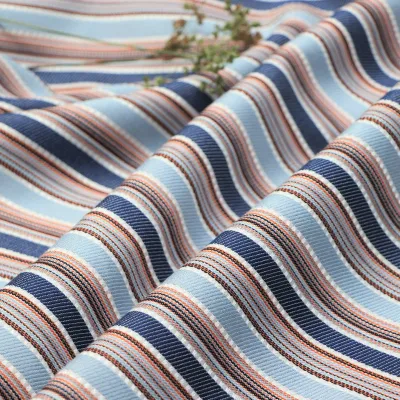
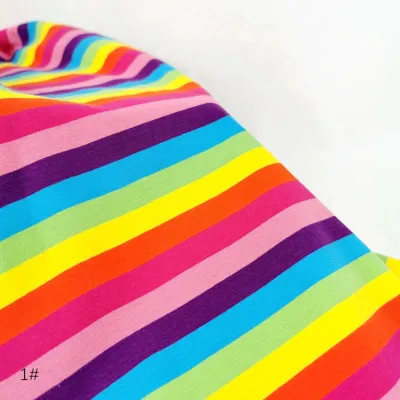
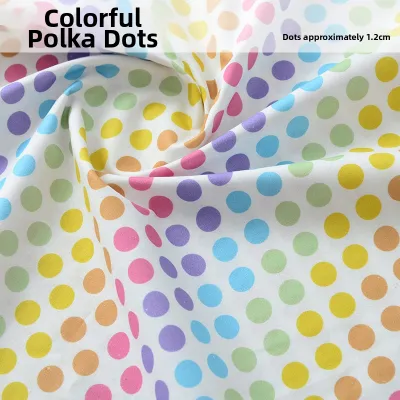
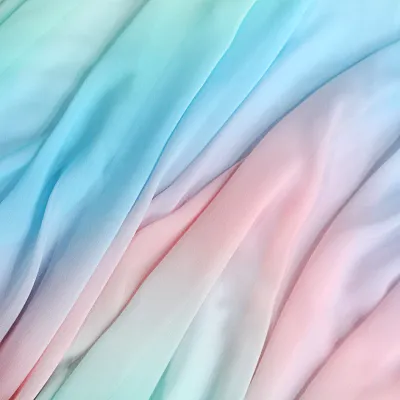
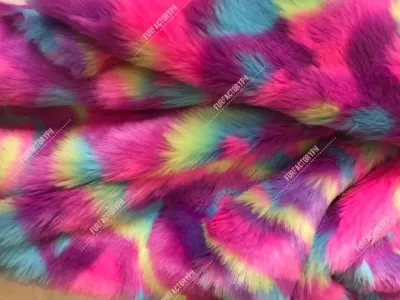
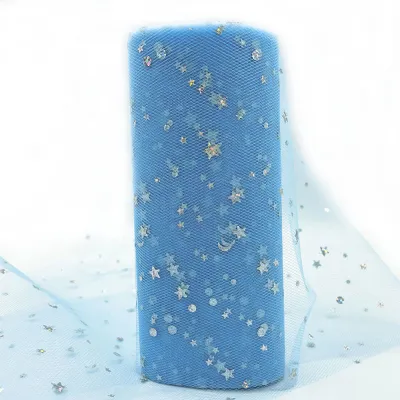
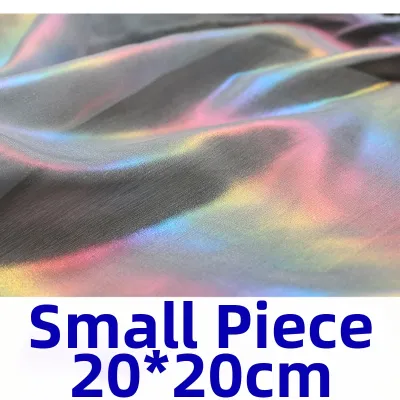
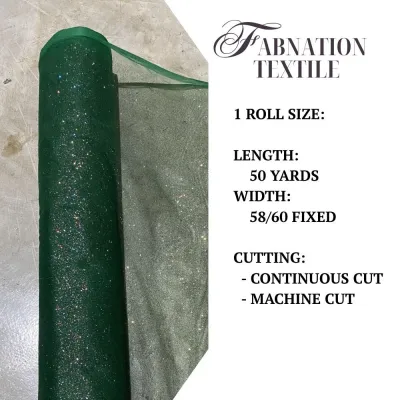
Prices are valid at publication and may change. Please refer to the product page for the latest price.
The fabric count or weave also plays a significant role in determining your project’s final size. For example, if you are working with cross-stitch on Aida fabric, a design that is 140 stitches wide will measure 10 inches on 14-count fabric, but only about 7.7 inches on 18-count fabric. Always verify the specific count of the rainbow cloth you are purchasing, as a tighter or looser weave directly alters the physical dimensions of your project and, consequently, the total yardage you need to buy.
Check Fabric Width and Pattern Layout
Once you have your total project dimensions (including margins), you need to compare them to the physical width of the rainbow cloth roll. Fabric sold by the yard typically comes in standard widths, most commonly 44 to 45 inches, though some utility or apparel fabrics can be 54 to 60 inches wide. You can find this specification printed on the bolt end or listed in the online product description. Knowing this width allows you to determine how many project pieces can fit side-by-side across the fabric.

Rainbow cloth presents a unique challenge due to its directional color patterns. Unlike solid-colored fabrics, rainbow textiles may feature horizontal stripes, vertical gradients, or diagonal color shifts. You must decide how you want these colors to flow across your embroidery. If you want a vertical gradient that transitions from red at the top to violet at the bottom, you cannot rotate your pattern pieces sideways to save space. Doing so would rotate the color transition, altering the final look of your embroidery.
To optimize your layout and minimize waste, sketch a cutting plan on a piece of paper. Draw a rectangle representing the width of the fabric (for example, 44 inches) and map out your project pieces within that space, keeping the directional pattern in mind. If you are stitching multiple small hoops, you might find that you can fit three or four hoops across the width of a single yard. Planning this layout beforehand prevents you from buying unnecessary length when the width of the fabric could easily accommodate your multiple pieces.
Calculate the Total Yardage Needed
With your layout planned, you can now calculate the precise yardage to purchase. The basic formula for converting your required fabric length from inches to yards is straightforward: divide the total length in inches by 36, which is the number of inches in a single yard. For example, if your layout requires a continuous length of 54 inches of fabric to accommodate your hoops and margins, you would divide 54 by 36 to get 1.5 yards.
However, a raw mathematical calculation is rarely enough. You must factor in allowances for fabric shrinkage, potential cutting errors, and fraying edges. In tropical climates like the Philippines, high humidity can affect how certain fibers behave, and pre-washing can cause significant shrinkage depending on the fiber content. Adding a safety margin of 10% to 15% to your total calculated length is a safe practice to ensure you do not end up short after washing or squaring up the fabric edges.
Finally, round your calculated number up to the nearest standard cutting increment. Most fabric stores and local craft shops sell fabric by the yard, half-yard, or quarter-yard. If your calculation indicates you need 1.1 yards, you should round up to 1.25 yards or 1.5 yards, depending on the store’s cutting policies. This small buffer protects your project from accidental cuts, uneven tearing at the cutting table, or excessive fraying during the embroidery process.
Tips for Buying Rainbow Cloth by the Yard
When purchasing rainbow cloth per yard, clear communication at the cutting counter is essential. Always confirm the store’s minimum cut requirements before the clerk slides the scissors into the bolt. Some specialty shops have a minimum cut of a half-yard or one yard, while others will cut down to an eighth of a yard. Additionally, observe the measuring process; ensure the fabric is laid flat and smooth on the cutting table without being stretched, as stretching can lead to an under-cut piece once the tension is released.
Dye lot consistency is another critical factor when buying multi-colored or gradient fabrics. Rainbow patterns can vary slightly between different manufacturing batches, resulting in subtle shifts in color vibrancy or transition points. If your project requires multiple yards, try to purchase them from the same bolt to ensure the colors match perfectly. If you must buy from different rolls, inspect them side-by-side under natural light to verify that the color transitions align seamlessly.
If you plan to pre-wash your fabric to prevent dye bleeding or shrinkage, always request a slightly larger cut than your calculated minimum. Cotton and linen fibers are particularly prone to shrinking during their first wash. By purchasing an extra two to three inches beyond your calculated yardage, you can wash and dry the fabric with peace of mind, knowing that the shrunk piece will still comfortably fit your embroidery hoops and design margins.
Frequently Asked Questions (FAQ)
Do I need to pre-wash rainbow cloth before embroidering?
Pre-washing is highly recommended for rainbow cloth, especially if the fabric contains natural fibers like cotton, linen, or bamboo. These materials are prone to shrinking when exposed to moisture, which can distort your finished embroidery stitches if the fabric shrinks after the project is completed. Furthermore, vibrant multi-colored fabrics like rainbow cloth sometimes carry excess dye that can bleed into your embroidery threads during washing. Pre-washing helps release these loose dyes safely before you begin stitching. If you decide to pre-wash, remember to add a 5% to 10% shrinkage allowance to your initial yardage calculation to compensate for the reduction in size.
What if the fabric store only sells in half-yard increments?
If your local store or online seller only offers fabric in half-yard increments, you should always round up to the next available half-yard. For instance, if your calculations show that you need 1.2 yards of fabric, you should purchase 1.5 yards. For example, if the rainbow cloth costs ₱250 per yard, rounding up to the next half-yard fits easily into a modest crafting budget while giving you peace of mind. While this may slightly increase your initial cost, it ensures you have ample material to work with. You can easily store the leftover rainbow fabric scraps for future projects, use them to test your embroidery stitch tension, or practice complex stitches before applying them to your main piece.

Community discussion
Share your experience or ask a question. Comments are reviewed before publication.