
When shopping for children’s art supplies, a bold “non-toxic” label on the front of a package is not always a guarantee of safety. Many manufacturers use generic marketing terms that lack independent verification, leaving parents to wonder what chemicals are actually mixing with their children’s hands. To ensure that modeling clay is truly safe, you must look beyond promotional slogans and learn how to verify official safety certifications, analyze ingredient disclosures, and perform simple physical checks on the material itself.
Evaluating these products requires a systematic approach, especially when purchasing from online marketplaces where product origins can be vague. By understanding how to read packaging critically and recognize the physical signs of low-quality formulations, you can protect your children from harmful exposure while supporting their creative play. This guide provides the practical steps needed to verify the safety of any modeling clay before it enters your home.
Decoding Safety Labels and Certification Marks
The most reliable way to confirm that modeling clay is safe is to look for verified safety seals from recognized testing organizations. A simple printed claim of “non-toxic” is a marketing term that any manufacturer can use without oversight. In contrast, official certification marks indicate that the product has undergone rigorous laboratory testing to ensure it does not contain harmful levels of toxic substances.
Products mentioned in this guide
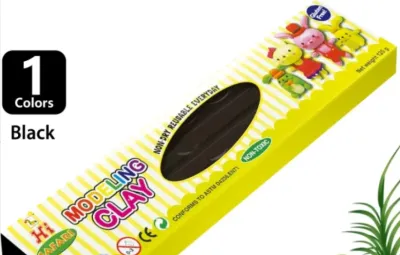
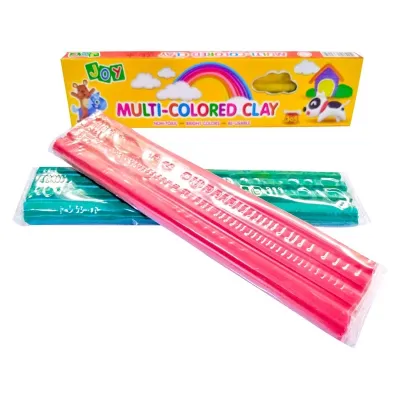
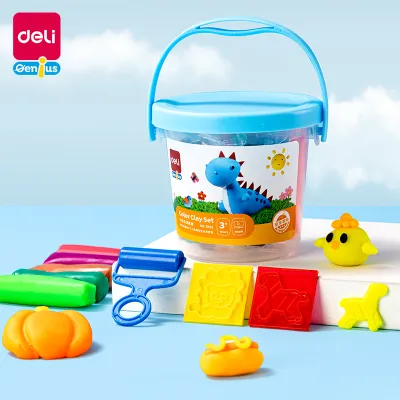
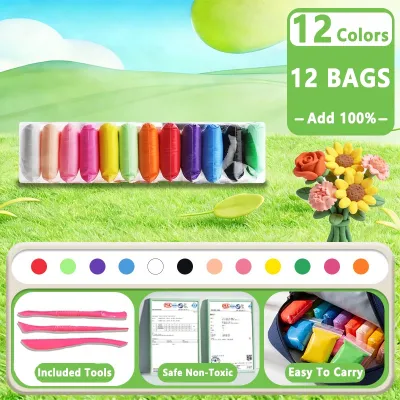
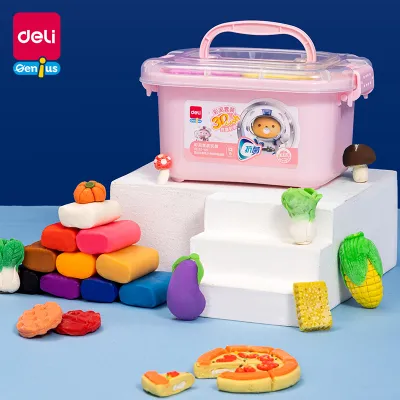
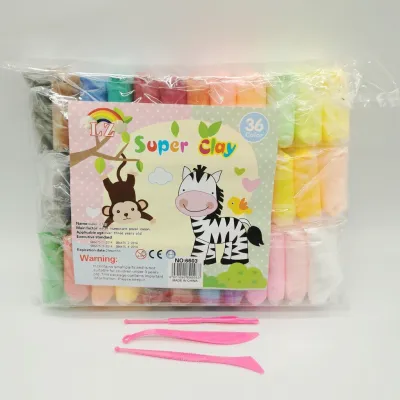
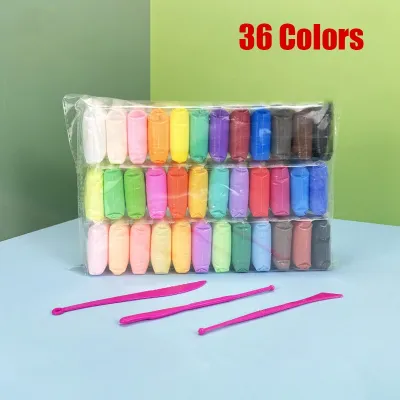
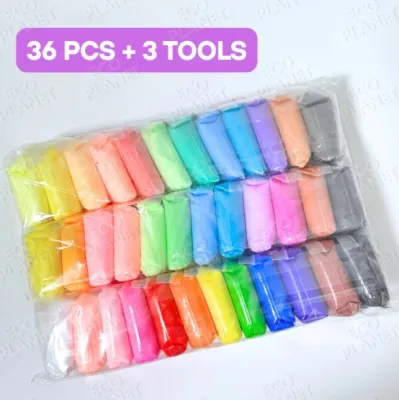
Prices are valid at publication and may change. Please refer to the product page for the latest price.
When examining clay packaging, look for the ASTM D-4236 seal, which is a standard practice designation indicating that a toxicologist has evaluated the formulas for chronic hazards. Another critical standard is the EN71 certification, specifically EN71-3, which is the European safety standard governing the migration of heavy metals in toys. In the Philippines, compliant toys often carry local registration marks or import clearance details that show they have met national safety regulations. These standards ensure that even if a child accidentally touches their mouth during play, the risk of chemical exposure is minimized.
Unfortunately, counterfeit or misleading labels are common on low-cost imports. To identify fake safety marks, inspect the quality of the logo print on the packaging; blurry, distorted, or slightly altered logos are immediate red flags. You can verify a manufacturer’s claims by looking up their brand name on the official databases of certifying bodies or checking the manufacturer’s official website for compliance certificates. If a brand does not provide verifiable certification details, it is best to choose a different product.
Reading Ingredient Lists and Warning Statements
Transparent manufacturers make it easy to find out what goes into their modeling clay. When evaluating a product, look for a clear, detailed ingredient disclosure on the packaging or the manufacturer’s website. Safe clays typically use simple, recognizable bases such as water, organic binders, food-grade pigments, and natural oils or beeswax. Avoid products that hide their components behind vague terms like “proprietary blend,” “assorted compounds,” or “synthetic binders.”

Reading the fine print also helps you identify potential allergens and specific hazard warnings. For example, many dough-style clays contain wheat gluten, which can trigger severe reactions in children with celiac disease or wheat allergies. Other warning statements may caution against skin contact for children with sensitive skin or warn against inhaling dust from dry-mix clays. Understanding these warnings allows you to match the material to your child’s specific health profile.
If the packaging lacks detailed ingredient information, you can search online for the product’s Safety Data Sheet (SDS). An SDS is a standardized document that provides comprehensive safety data, including chemical ingredients, potential health hazards, first-aid measures, and disposal guidelines. Reputable stationery and toy brands readily provide these sheets on their websites. If an SDS is unavailable or if the document lists hazardous solvents or heavy metals, the clay is not suitable for children.
Performing Physical Checks: Smell, Texture, and Color
Even after checking labels, you should perform a physical assessment of the clay before handing it over to a child. Your senses are powerful tools for detecting low-quality or degraded materials that might pose safety risks. Start by opening the package and taking a gentle sniff; a strong, pungent, chemical, or gasoline-like odor is a major warning sign. Safe modeling clay should have a neutral, mild, or slightly sweet scent, whereas harsh chemical smells often indicate the presence of volatile organic compounds (VOCs) or cheap industrial solvents.
Next, test the clay for color stability and pigment transfer. Rub a small piece of the clay between your fingers or press it onto a clean sheet of white paper. While minor transfer can happen with highly pigmented doughs, excessive staining that is difficult to wash off with plain soap and water indicates unstable dyes. High-quality, non-toxic clays use stable, cosmetic-grade or food-grade pigments that do not easily leach onto skin or household surfaces.
Finally, observe the texture and consistency of the material. Safe clay should feel smooth, pliable, and cohesive. If the clay is excessively sticky, leaves a greasy or slimy residue on your hands, or crumbles into fine, dusty particles, the formulation may be degraded or poorly manufactured. Crumbling clay poses an inhalation risk and can easily be rubbed into a child’s eyes, while greasy residues may contain unlisted chemical plasticizers that are unsafe for prolonged skin contact.
Evaluating Age Appropriateness and Physical Hazards
Chemical safety is only one part of the equation; physical safety is equally important when choosing modeling clay. Age-grading labels on toy packaging are not merely developmental suggestions; they are legally mandated safety guidelines designed to prevent physical injuries. Always check the recommended age range on the box to ensure the clay and its accompanying tools match your child’s physical and cognitive abilities.
For toddlers and younger children, choking is the primary hazard. Clays that dry into hard, brittle shapes can break into small, sharp shards that pose a choking or puncture risk if swallowed. Additionally, small molding tools, plastic cutters, or decorative accessories included in clay kits can easily find their way into a young child’s mouth. For children under three years old, stick to soft, non-hardening doughs that are specifically labeled as safe for toddlers and do not contain small parts.
Active supervision is the most effective way to prevent physical hazards during clay play. Even when using certified non-toxic materials, younger children should always be watched closely to ensure they do not ingest the clay, stick it in their ears, or rub it into their eyes. Establishing a designated, well-lit play area makes it easier to monitor their activities and intervene before an accident occurs.
Establishing Safe Usage and Storage Boundaries
Creating a safe environment for clay play involves setting clear rules for handling and cleanup. Teach your children to wash their hands thoroughly with soap and water both before and after using modeling clay. Handwashing before play prevents dirt and bacteria from contaminating the clay, while washing afterward ensures that any remaining clay residue or pigment is completely removed from their skin before they eat or touch their faces.
Keep clay play completely separate from dining and food preparation areas. Clay should never be placed on dining tables, kitchen counters, or surfaces where food is handled, as this increases the risk of accidental ingestion. Using a dedicated plastic play mat or a portable tray helps contain the mess and prevents clay from sticking to household surfaces where it could collect dust and household grime.
Proper storage is critical for maintaining the safety and longevity of modeling clay, especially in warm, humid tropical climates like the Philippines. High humidity accelerates the growth of mold and bacteria on organic clay bases. Store clay in airtight containers, squeezing out as much air as possible, and keep it in a cool, dry place away from direct sunlight. Inspect the clay before each use; if you notice fuzzy mold spots, a sour or musty smell, or a slimy texture, discard the clay immediately to prevent skin irritation or infection.
Frequently Asked Questions (FAQ)
What should I do if my child accidentally eats modeling clay?
If your child swallows modeling clay, remain calm and gently wipe any remaining residue from their mouth. Do not attempt to induce vomiting. Check the product packaging immediately for specific first-aid instructions and to confirm if the product carries a certified non-toxic seal like ASTM D-4236. If the clay is certified non-toxic, swallowing a small amount is generally not a medical emergency, but you should offer the child a few sips of water and monitor them for mild digestive upset. If they swallowed a large quantity, if the clay is not certified, or if they exhibit symptoms like vomiting or abdominal pain, contact a medical professional or your local poison control center right away.
Is homemade playdough safer than store-bought modeling clay?
Homemade playdough made from kitchen staples like flour, water, salt, cream of tartar, and food coloring offers complete control over ingredients, making it an excellent, highly safe option for toddlers who still put toys in their mouths. However, because homemade dough lacks commercial preservatives, it has a very short shelf life. In warm, humid environments, homemade dough can quickly harbor mold and harmful bacteria. Commercial non-toxic clays undergo rigorous stability testing to prevent microbial growth, offering a much longer and more predictable shelf life when stored correctly, though they may contain synthetic binders that require careful label checking.
Can I bake air-dry clay to make it food-safe for kids' toys?
No, baking air-dry clay does not make it food-safe or suitable for toys that children might put in their mouths. Air-dry clays are formulated with specific binders and fibers designed to cure naturally at room temperature. Heating them in a household oven can degrade the material, release harmful chemical fumes, and make the clay brittle. Furthermore, cured air-dry clay remains highly porous, meaning it will absorb moisture, saliva, and food particles, creating a breeding ground for bacteria. For toys intended for mouthing or food play, always use certified food-grade silicone or solid wood finished with food-safe oils.
Community discussion
Share your experience or ask a question. Comments are reviewed before publication.