
When selecting a 100-piece fuzzy wire set for a school art class, the most critical factors to evaluate are plush density, inner wire gauge, standard 12-inch length, and colorfastness. These four pillars determine whether the materials will withstand the energetic manipulation of young hands or end up as a shedding, structural failure on the classroom floor. A 100-piece set serves as the ideal baseline package for educational environments, providing a manageable quantity that easily supplies a medium-sized classroom of 25 to 30 students with three to four stems each, without leaving behind an excessive, dust-gathering surplus.
While search terms and retail listings frequently use “fuzzy wire” or “fuzzy wire 100 pcs,” these classic craft supplies are also widely cataloged under the names “pipe cleaners” or “chenille stems” in traditional educational supply inventories. Regardless of the label on the packaging, the fundamental construction remains the same: a central wire core wrapped in a spiraled sheath of soft, decorative fibers. Understanding how to differentiate between cheap, flimsy novelty items and durable, classroom-grade supplies will save teachers from cleanup headaches and ensure students can bring their three-dimensional designs to life.
Key Quality Factors to Evaluate
Not all fuzzy wires are manufactured to the same standards, and choosing a low-grade set can quickly derail a structured art lesson. Evaluating the physical construction of the stems before purchasing ensures that the materials support, rather than hinder, the creative process.
Products mentioned in this guide

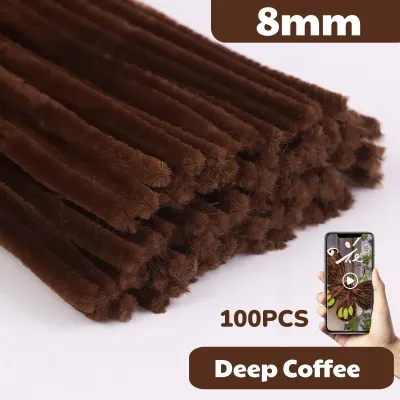
Prices are valid at publication and may change. Please refer to the product page for the latest price.
Plush Density and Shedding Resistance
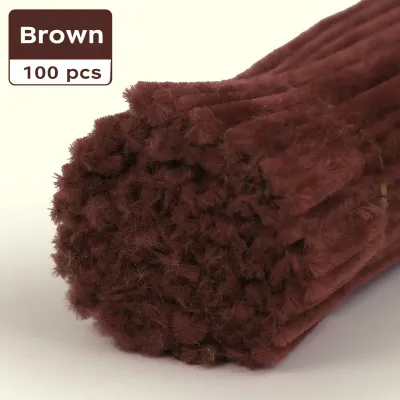
The density of the outer fibers is the first indicator of a high-quality fuzzy wire. Premium sets use tightly packed, high-pile polyester or acrylic fibers that are securely locked into the twisted metal core. When fibers are sparse or poorly secured, they easily slide off the wire frame during basic twisting, leaving unsightly bare metal patches that ruin the visual appeal of the students’ projects.
Shedding is more than just an aesthetic issue; it presents practical challenges in a school setting. Loose synthetic fibers quickly accumulate on desks, stick to school uniforms, and drift onto the floor, requiring extensive cleanup at the end of the class period. Furthermore, airborne fiber dust can trigger respiratory sensitivities or eye irritation in younger children. To avoid these issues, look for product descriptions that explicitly highlight “high-density pile,” “tightly wound fibers,” or “low-shed” construction, and perform a quick pinch-and-pull test on a sample stem to verify fiber security.
Inner Wire Gauge and Bendability
The core of every fuzzy wire is a thin metal strand, typically made of galvanized iron or mild steel, which provides the structural integrity of the craft. The thickness, or gauge, of this wire dictates the balance between flexibility and structural strength. If the inner wire is too thin, it will bend effortlessly but fail to hold its shape when supporting any weight, causing three-dimensional figures, animal legs, or wearable headbands to sag and collapse.
Conversely, an excessively thick wire core offers excellent structural support but requires significant hand strength to manipulate. This poses a challenge for early elementary students who are still developing their fine motor skills and hand strength. For general classroom use, a medium wire gauge (typically around 20-gauge to 22-gauge) is highly recommended. This thickness allows students to easily bend, twist, and curl the stems into intricate shapes while ensuring the finished art pieces remain upright and structurally sound.
Colorfastness and Dye Quality
Colorfastness is a critical safety and quality consideration that is frequently overlooked. In tropical climates like the Philippines, high ambient humidity and warm classroom temperatures mean that students often have slightly damp or sweaty hands while working. If the dyes used to color the synthetic fibers are unstable, the pigment will rapidly transfer onto the students’ skin, white school uniforms, and adjacent art materials like construction paper, felt, or cardboard.
This issue becomes even more pronounced when fuzzy wires are integrated into multimedia projects that involve liquid school glue, water-based paints, or wet modeling clay. Cheaply dyed stems will bleed color when they come into contact with moisture, leaving permanent stains on fabrics and ruining the clean lines of a multi-colored art piece. Prioritize sets that specify the use of non-toxic, bleed-resistant dyes to ensure a clean, worry-free crafting experience.
Specifications for Classroom Art Activities
Matching the physical dimensions and packaging style of a 100-piece fuzzy wire set to your specific curriculum requirements prevents waste and simplifies classroom management.

Standard vs. Jumbo Lengths and Diameters
Standard fuzzy wires measure 12 inches (approximately 30 centimeters) in length and feature a plush diameter of 4mm to 6mm. This classic size is highly versatile, providing enough length for students to construct standalone sculptures, wrap around pencils, or build structural skeletons for clay models. For most general art classes, a 12-inch standard set offers the greatest creative flexibility.
However, specialized projects may call for alternative sizes:
- Jumbo Wires: Measuring 9mm to 12mm in diameter, these ultra-thick stems are excellent for large-scale collaborative installations, wearable art like crowns, or projects requiring high visibility from the back of the classroom.
- Mini Wires: Often pre-cut to 6 inches, these are ideal for small-scale jewelry making, bookmarks, or detailed accent pieces, eliminating the need for students to cut down longer stems.
Always verify the exact measurements in the product description before purchasing. Some budget-friendly “100-piece” sets sold online are secretly pre-cut to shorter lengths, such as 6 inches, to reduce manufacturing costs while retaining the high piece count.
Color Assortment and Packaging
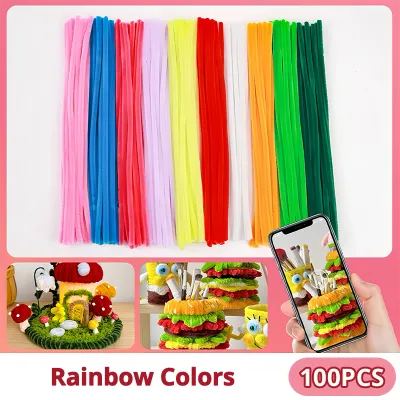
For general, open-ended art classes, a well-balanced color assortment is essential. A standard 100-piece multi-color pack typically includes 10 distinct colors with 10 pieces each, spanning primary colors (red, blue, yellow), secondary colors (green, orange, purple), and neutral tones (black, white, brown). This variety allows students to explore color theory and select appropriate hues for diverse subjects, from green stems for botanical models to brown and black for animal structures.
How the set is packaged also affects its long-term utility in a school environment. Cheap sets wrapped in simple shrink-wrap or thin cardboard sleeves are difficult to store once opened, exposing the remaining wires to dust, physical damage, and tropical humidity, which can lead to premature rusting of the iron core. Opt for sets packaged in heavy-duty, resealable zip-lock pouches or clear plastic tubs. These containers make it easy to count inventory, keep colors organized, and protect the fibers from moisture and dust between art units.
Recommended Types of 100-Piece Sets for Art Class
Selecting the right style of fuzzy wire depends on the age of your students, the specific themes of your lesson plans, and the visual goals of the art curriculum.
Standard Assorted Color Sets
The standard assorted color set is the undisputed workhorse of the school art room. Featuring a balanced mix of vibrant, solid primary and secondary colors, these sets are highly versatile and suitable for a wide range of educational activities. They are perfect for building basic geometric shapes, spelling out vocabulary words, constructing simple animal models, and reinforcing fine motor skills through weaving and wrapping exercises.
While standard sets are incredibly reliable, their primary limitation is a lack of visual variety. They typically do not include specialty textures or finishes like metallic tinsel, glitter, or pastel shades. If your curriculum requires high-contrast materials or festive holiday decorations, a standard set may need to be supplemented with more specialized packs.
Neon or Bright Assorted Sets
Neon or bright assorted sets feature highly saturated, fluorescent colors such as hot pink, electric green, bright orange, and vivid yellow. These high-visibility stems are exceptionally popular among older elementary and middle school students, adding a modern, energetic flair to contemporary craft projects. They are particularly effective for projects designed for public display in school hallways or library showcases, as the eye-catching colors draw attention from a distance.
Beyond pure aesthetics, neon fuzzy wires are highly useful for cross-curricular STEM projects. For example, their fluorescent properties make them ideal for creating high-contrast models of DNA strands, chemical compounds, or solar systems. They can also be paired with UV blacklights for science-fair demonstrations. Be aware, however, that fluorescent dyes can occasionally be more sensitive to moisture than standard dyes; a quick spot test with a damp paper towel is recommended before pairing them with wet glues.
Themed or Single-Color Bulk Sets
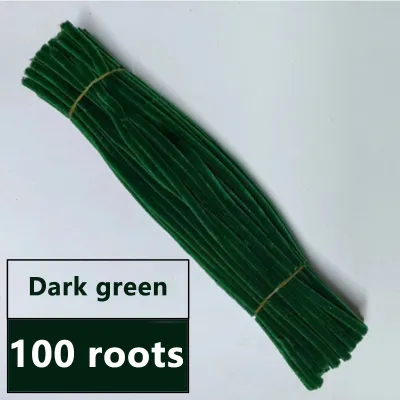
When an art project focuses on a specific theme, season, or school event, buying 100-piece sets in a single color or a curated color palette is far more practical than purchasing general assortments. For example, a botany lesson focusing on building leaf and stem structures is best served by a 100-piece pack of solid green wires, while a seasonal holiday craft might require a dedicated pack of red, white, or metallic gold stems.
Utilizing single-color or themed bulk sets also resolves a common classroom management challenge: student arguments over limited resources. In a standard assorted pack, popular colors like red, blue, and black are quickly depleted, leaving slower-working students with less desirable colors. Providing uniform, single-color packs ensures that every student has equal access to the exact materials required for the designated assignment.
Safety and Handling Guidelines for Students
While fuzzy wires are generally safe, low-risk craft materials, their wire-core construction introduces specific physical hazards that teachers must proactively manage in a classroom setting.
Managing Exposed Wire Ends
The primary physical hazard associated with fuzzy wires is the sharp, exposed metal tip at each end of the stem. During the manufacturing process, the continuous wire is sheared into 12-inch lengths, leaving raw, sharp metal points that can easily scratch sensitive skin, poke fingers, or present an eye hazard if waved around carelessly. Before distributing a new 100-piece set, teachers should inspect a few sample stems to assess how cleanly the ends have been cut.
To mitigate this risk, teach students a simple, reversible safety step before they begin crafting:
- Inspect the tip: Locate the sharp metal point at the end of the fuzzy wire.
- Fold the edge: Bend the extreme tip of the wire (about 5 millimeters) back onto itself.
- Press flat: Squeeze the folded section tightly against the main body of the stem using fingers or a pair of craft pliers.
This quick modification creates a smooth, rounded, blunt edge that completely covers the sharp wire tip, making the material safe for handling and wrapping around limbs or fingers without the risk of scratches.
Age-Appropriate Supervision and Cleanup
The level of teacher supervision required varies depending on the developmental age of the students. For early childhood classrooms (Kindergarten to Grade 2), teachers should consider pre-folding the wire tips of the entire 100-piece set before the lesson begins, or closely supervising the students as they perform the safety fold. At this developmental stage, students should also be discouraged from cutting the wires themselves, as cheap classroom scissors can slip on the metal core, dulling the blades and creating sharp, flying wire fragments.
For older students (Grade 3 and above), independent cutting and bending can be permitted, provided clear safety boundaries are established. Instruct students to point the wire downward toward their desks when cutting to prevent clipped ends from flying into the air. Finally, establish a strict cleanup protocol. Small, clipped wire fragments left on the classroom floor can easily puncture thin-soled school shoes or become embedded in carpets, creating a tripping and stepping hazard. A quick sweep of the workspace with a hand broom at the end of the session ensures a safe environment for the next class.
Frequently Asked Questions (FAQ)
Can students reuse fuzzy wires for multiple art projects?
Yes, fuzzy wires can be unbent, straightened, and reused for multiple art projects, but they are subject to physical limits. The inner metal core is made of mild steel or iron, which experiences metal fatigue when bent repeatedly. If a student bends and straightens the same spot on a wire multiple times, the crystalline structure of the metal weakens, eventually causing the wire to snap.
Additionally, the outer plush fibers are prone to wear and tear. Over time, repeated handling causes the fibers to mat down, lose their fluffiness, or collect dust, dirt, and oils from students’ hands. If the fuzzy wires have been exposed to liquid school glue, tape, acrylic paint, or wet modeling clay, the fibers will become permanently stiffened or stained, making them unsuitable for reuse.
To maximize your classroom budget, treat fuzzy wires as semi-consumable materials. Encourage students to reuse clean, dry stems for temporary structural tests, prototyping, or quick three-dimensional sketching activities. However, for final art pieces that involve gluing, painting, or heavy twisting, it is best to use fresh, single-use stems from a new 100-piece pack to ensure structural integrity and a clean visual finish.
Community discussion
Share your experience or ask a question. Comments are reviewed before publication.