
A birthday card is no longer just a flat piece of paper with a generic message. Selecting a 3d birthday card with music transforms a simple greeting into an immersive, multi-sensory keepsake. These cards combine intricate paper engineering—such as pop-up structures, laser-cut dioramas, and light displays—with audio components that play melodies, sound effects, or custom voice recordings. To choose the perfect card, you must align its physical design, musical tone, and writing space with the recipient’s age, relationship to you, and personal style. You also need to evaluate paper thickness, structural stability, and whether the audio module is pre-recorded or customizable. In a humid tropical climate, considering paper resistance to moisture and battery longevity is also essential to ensure the card survives as a long-term memento.
Core Features of a 3D Birthday Card with Music to Evaluate Before Buying
Pop-Up Complexity and Paper Quality
The foundation of any high-quality pop-up card is its paper stock. Look for cards constructed from heavy cardstock, typically 250 gsm to 300 gsm (grams per square meter). This thickness ensures that the structural elements can lift, unfold, and stand upright without sagging. Examine the edges of the cutouts; precise, clean laser-cut lines indicate high-quality manufacturing, whereas frayed or burnt edges suggest poor quality control. A well-engineered card should open smoothly to a full 90-degree or 180-degree angle without catching or requiring manual adjustment.
Size and Envelope Compatibility
3D musical cards are naturally bulkier than flat cards due to the embedded speaker, battery, and folded paper layers. Standard sizes range from 13×18 cm (5×7 inches) to larger novelty formats of 20×25 cm (8×10 inches). Always check the product specifications for the folded dimensions. Oversized or highly complex cards may exceed standard postal limits and require specialized rigid mailers or bubble envelopes. If you plan to send the card through local courier services or the postal system, ensure the envelope is sturdy enough to protect the delicate electronic module from being crushed.
Products mentioned in this guide
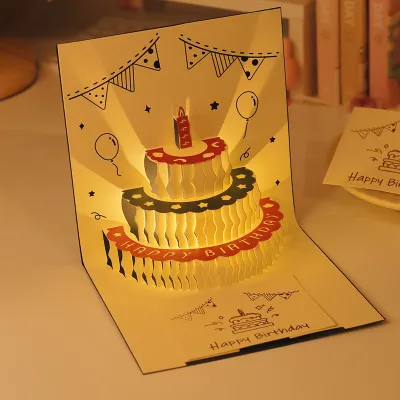
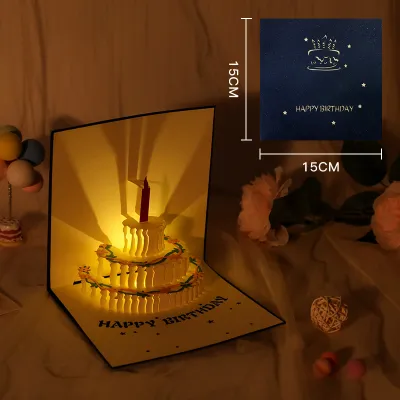
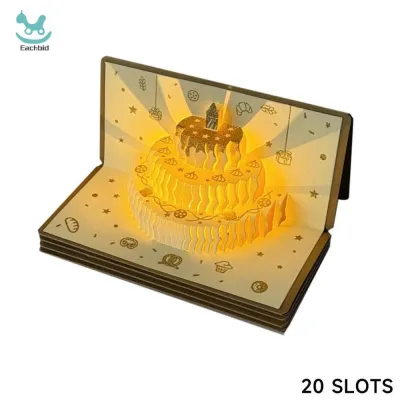
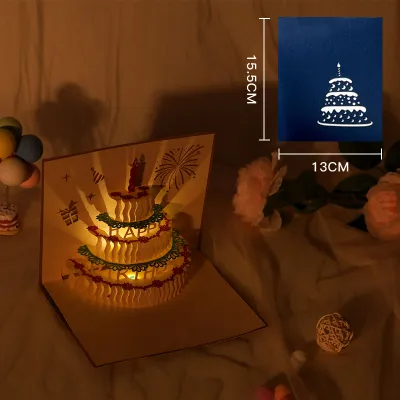
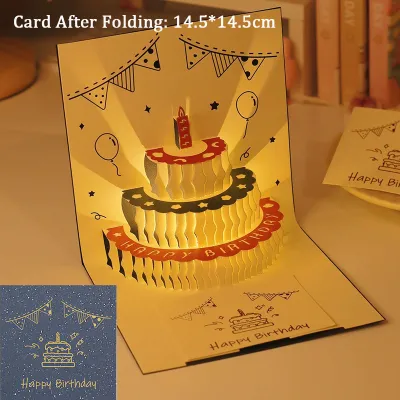
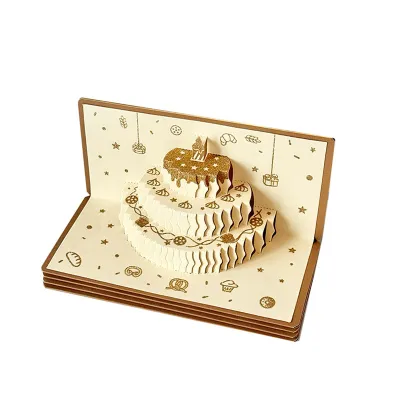
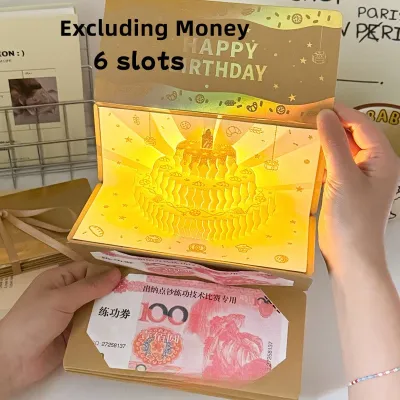
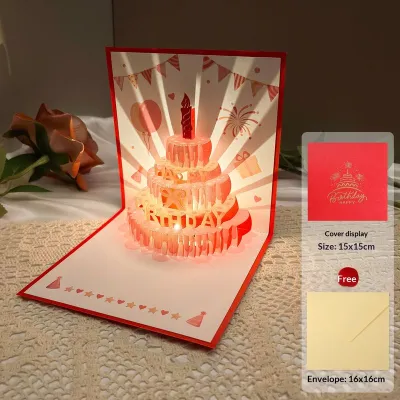
Prices are valid at publication and may change. Please refer to the product page for the latest price.
Message Space
One common drawback of intricate 3D structures is the lack of writing space. Because the pop-up mechanism and electronic wiring occupy the central panels, you may find only a tiny blank corner for your signature. To write a meaningful message, look for designs that feature a dedicated slide-out note card, a fold-out flap, or a completely blank reverse side. If you prefer to write extensive, personalized notes, choose a card that includes an independent insert panel specifically designed for handwriting.
Assembly and Durability
While most 3D cards pop up automatically when opened, some unique designs require minor manual assembly. This might involve pulling a tab, locking a paper hook, or unfolding a base stand to keep the card upright on a flat surface. Read product descriptions carefully to verify if the recipient needs to perform any actions to display the card. Inspect the joints and fold lines for structural fragility; cards with thin paper hinges are prone to tearing after only a few openings, especially when handled by enthusiastic recipients.
How to Match the Card to Your Recipient
For Kids: Playful Designs and Interactive Elements
Visuals and Themes: Children are drawn to vibrant, high-contrast colors and dynamic shapes. Select cards featuring playful themes such as whimsical jungle animals, dinosaurs, fairy-tale castles, or space exploration. The pop-up element should be bold and easily recognizable, creating an instant “wow” factor when the card is opened.

Music Selection: Instead of slow, traditional melodies, look for cards that play upbeat, energetic tracks. Cheerful instrumental versions of classic birthday tunes, recognizable children’s nursery rhymes, or playful sound effects (like animal noises or cartoon sounds) work best. The audio should match the high energy of a child’s birthday celebration.
Interactivity: To keep a child engaged, prioritize cards with tactile, interactive features. Designs that incorporate pull-tabs that move a character, spinning wheels, or light-up LED elements that flash in sync with the music add layers of entertainment. These features turn the card from a static display into an interactive toy.
Safety Check: Safety is paramount when gifting electronic stationery to children. Ensure that the card does not contain loose glitter, small plastic gems, or detachable paper parts that could pose a choking hazard. Most importantly, verify that the battery compartment housing the button cell batteries is securely sealed. For younger children, look for compartments that are secured with a tiny metal screw or fully encased within glued cardstock layers to prevent accidental ingestion of batteries.
For Parents: Elegant Structures and Sentimental Melodies
Visuals and Themes: For parents or older family members, focus on sophistication, artistry, and nostalgic beauty. Elegant floral arrangements, like a blooming 3D bouquet of roses or cherry blossoms, intricate architectural landmarks, or serene nature scenes make excellent choices. These designs often serve as beautiful home decorations that parents will proudly display on a shelf or table long after their birthday.
Music Selection: Choose soft, emotionally resonant audio tracks. Classical arrangements, gentle acoustic guitar covers, or nostalgic instrumental melodies evoke warmth and appreciation. The volume should be pleasant and soothing, rather than loud or jarring, to suit a relaxed home environment.
The Recordable Option: If you want to create a truly unforgettable gift, opt for a card with a recordable voice module. This technology allows you to record a personalized, spoken message or even sing a short song in your own voice. For parents, hearing the voice of a child or grandchild who may live far away adds immense sentimental value that no pre-recorded song can match.
Tone of Message: Pair the elegant physical card with a thoughtful, reflective handwritten note. Use the available message space to express deep gratitude, share a cherished memory, or write a heartfelt blessing. Because these cards are often kept for years, taking the time to write a neat, legible, and meaningful message ensures the card remains a treasured family keepsake.
For Friends: Humorous, Personalized, or Trendy Themes
Visuals and Themes: When choosing a card for a friend, lean into their specific hobbies, interests, or sense of humor. Look for modern, trendy art styles, funny pop-up scenarios (such as a cat knocking over a birthday cake), or designs tailored to their passions, such as travel, gaming, coffee, or pets. A personalized theme shows that you truly know and appreciate their unique personality.
Music Selection: Match the audio to the card’s theme or your shared experiences. You can find cards playing upbeat pop instrumentals, funny sound bites, or comedic birthday songs. Alternatively, use a recordable module to record a snippet of an inside joke, a funny catchphrase, or a song that holds a special place in your friendship.
Tone of Message: Keep the written message casual, witty, and highly personal. Feel free to use inside jokes, playful teasing, or references to shared adventures. The tone should match the dynamic of your friendship, balancing lighthearted fun with a genuine expression of appreciation for their presence in your life.
Navigating Music Modules and Sound Options
Pre-Recorded Melodies
Pre-recorded cards are the most common and accessible option. They utilize a pre-programmed sound chip that plays a specific track when activated. When shopping online, always verify the exact song title in the product description. Be cautious of vague labels like “Happy Birthday song,” as this can sometimes mean a low-quality, tinny MIDI file rather than a fully orchestrated arrangement. Look for listings that offer an audio preview so you can judge the musical style and instrument quality before purchasing.
Recordable Voice Modules
Recordable cards feature a small microphone and a simple press-and-hold button mechanism, typically allowing you to record between 10 to 30 seconds of high-fidelity audio. To get the best sound quality, record your message in a quiet, carpeted room to minimize echo and background noise. Hold the card about 15 to 20 centimeters away from your mouth and speak clearly at a natural volume. Always test the playback yourself before sealing the envelope to ensure your voice is loud and intelligible.
Volume and Sound Quality
Because these cards rely on miniature paper-thin speakers, sound quality can vary significantly. Low-end cards often sound metallic, muffled, or excessively quiet. To avoid this, look for product descriptions that specifically mention “clear sound,” “high-fidelity audio,” or “adjustable volume.” Reading customer reviews is an excellent way to verify if the speaker is clear and loud enough to be enjoyed in a typical room setting.
Activation Mechanism
Pay attention to how the sound is triggered. Light-activated sensors play the music automatically when the card is opened and exposed to light. While this creates a delightful surprise, it can sometimes fail in dimly lit rooms or trigger unexpectedly if the envelope is semi-transparent. Slide-switch sensors, on the other hand, rely on the physical opening of the card to pull a plastic tab and complete the electrical circuit. Slide-switches are generally more reliable and prevent the battery from draining if the card is left open on display in a dark room.
Protecting and Personalizing Your 3D Card
Writing Without Crushing
Writing your message requires a delicate touch. Never attempt to write on the card while it is standing open, as pressing down can crease the paper joints, bend the delicate laser-cut details, or damage the internal wiring. Instead, lay the card completely flat on a hard, smooth desk. If the card has a bulky electronic module on one side, place a flat book or notebook underneath the thinner side to create a level writing surface.
Using Inserts
If the 3D pop-up structure leaves virtually no blank space for writing, do not force your message onto the decorative panels. Instead, write your message on a separate sheet of high-quality, heavy-weight paper or a coordinating small note card. You can then tuck this insert neatly inside the card or slide it behind the pop-up structure. This keeps the main card clean, pristine, and ready for display.
Mailing Safely
Sending a 3D musical card through the mail requires extra precautions, especially in humid environments where moisture can soften paper stock. Standard paper envelopes offer very little protection against bending or crushing during transit. Instead, place the card inside a rigid cardboard mailer or a padded bubble envelope. Add a bold “Do Not Bend” sticker to the outside of the package. If you are delivering the card in person, keeping it in a protective plastic sleeve or slide-in box will shield it from sudden tropical rain showers and high humidity, ensuring the paper remains crisp and the electronic components stay completely dry.
Frequently Asked Questions (FAQ)
Can I replace the battery in a musical pop-up card?
Many high-quality musical cards are designed with a small, accessible battery compartment, usually housing standard button cell batteries like LR44 or AG13. Check the back or inside base of the card for a small plastic compartment secured by a tiny screw or a slide latch. If you find one, you can easily replace the batteries to keep the music playing. However, if the battery area is completely sealed, glued shut, or embedded deep within the cardboard layers, the battery is not meant to be replaced, and the audio will stop working permanently once the factory charge runs out.
Are 3D musical cards safe for toddlers?
No, standard 3D musical cards are generally not safe for unsupervised play by toddlers and children under the age of three. The primary safety risks are the tiny button cell batteries, which pose a severe chemical and choking hazard if swallowed, and the delicate laser-cut paper details, which can easily be torn off and ingested. If you want to give a pop-up card to a toddler, choose a non-musical, heavy-duty board-book style pop-up with large, sturdy pieces, and ensure an adult handles the card at all times.
How should I store a 3D musical card to keep it as a keepsake?
To preserve a 3D musical card for years, store it completely flat and fully closed in a cool, dry place away from direct sunlight, which can fade the colors and dry out the paper fibers. In humid climates, placing the card inside a sealed plastic storage box with a small packet of silica gel will prevent the paper from warping and protect the electronic contacts from rust. If you intend to store the card long-term without opening it, try to gently slide out or remove the battery if the compartment is accessible; this prevents potential battery leakage from corroding the electronic circuit and ruining the card.
Community discussion
Share your experience or ask a question. Comments are reviewed before publication.