
Selecting a beginner-friendly fuzzy wire flower craft kit in the Philippines requires looking beyond vibrant photos to find a package that balances complete materials, clear guidance, and manageable designs. Fuzzy wire crafting—often called chenille stem art—has become a highly popular DIY hobby for creating everlasting bouquets, personalized gifts, and home decor. For a novice, the ideal kit acts as a self-contained workshop, providing high-density fuzzy wires, sturdy stem supports, and essential finishing accessories without requiring a large upfront investment in specialized tools.
In the tropical climate of the Philippines, where high humidity can affect the adhesive properties of floral tapes and the structural integrity of cheap metal cores, choosing a kit with high-quality components is essential. A well-curated kit ensures that your finished blooms maintain their shape, color, and structure over time, rather than drooping or shedding. By focusing on kits that offer foundational patterns and comprehensive material lists, you can enjoy a smooth, frustration-free introduction to this tactile and rewarding craft.
Key Criteria for Selecting a Beginner-Friendly Kit
When evaluating different fuzzy wire flower kits, the first factor to consider is whether the materials are pre-cut or provided in raw, continuous bundles. Pre-cut kits are highly recommended for absolute beginners because they eliminate the need for precise measuring and cutting before you even begin shaping your first petal. These kits come with wires measured to the exact lengths needed for specific flower designs, allowing you to focus entirely on learning the bending and twisting techniques. On the other hand, kits with uncut bundles offer more creative freedom but require you to have a reliable ruler and wire cutters on hand, which can add an extra layer of preparation.
Products mentioned in this guide
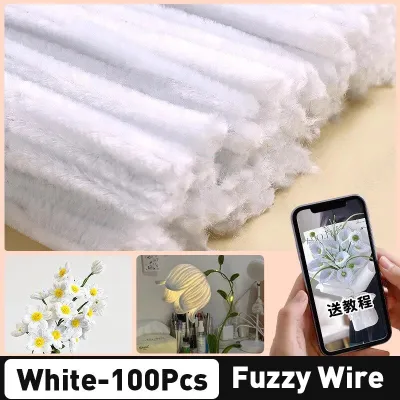
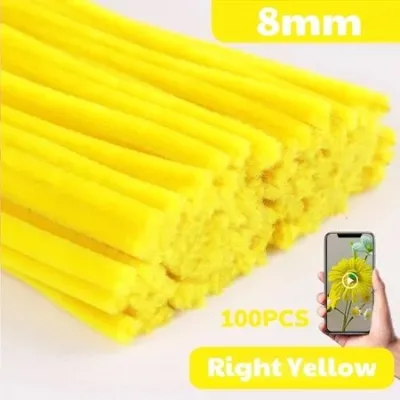
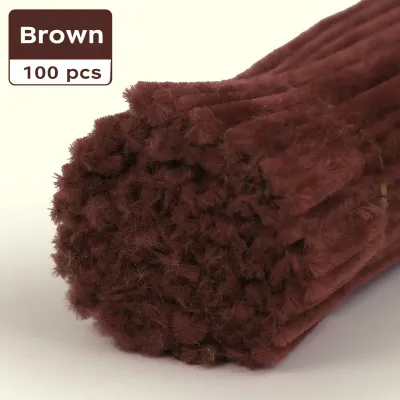
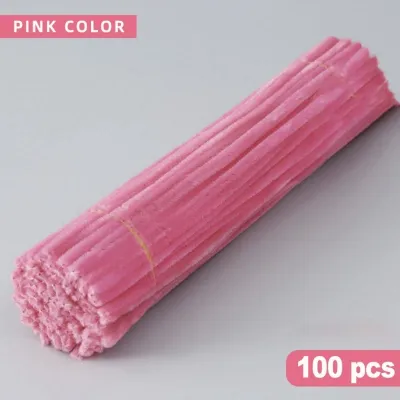
Prices are valid at publication and may change. Please refer to the product page for the latest price.
The complexity of the flower patterns included in the kit is another critical consideration. Beginners should look for kits that feature simple, repetitive flower shapes such as daisies, tulips, lavender, or sunflowers. These designs rely on basic loops, twists, and flat wraps that are easy to master and highly forgiving of minor mistakes. Avoid kits that feature highly intricate, multi-layered roses, orchids, or complex lilies for your first project, as these often require advanced shaping techniques, precise tension control, and multi-step assembly processes that can quickly become overwhelming.
A truly beginner-friendly kit should focus on teaching foundational wrapping and shaping techniques before introducing advanced variations. Look for sets that guide you through the process of creating a single petal, securing it to a stem, and wrapping the calyx cleanly. Mastering these basic steps builds the muscle memory and confidence needed to tackle more complex arrangements later. Additionally, because the wire cores must be bent repeatedly, the kit should feature high-quality, pliable wires that do not snap easily under moderate twisting pressure.
Finally, consider how the local climate might interact with the kit’s materials. In humid environments, low-quality iron wire cores can rust if they are not properly coated or if the fuzzy fibers are too sparse to protect them from moisture. High-quality kits utilize rust-resistant or plastic-coated inner wires wrapped in dense, tightly woven polyester or nylon fibers. This construction not only ensures the longevity of your finished floral arrangements but also makes the wires much more comfortable to handle during the bending process.
Essential Materials and Tool Inclusions to Verify
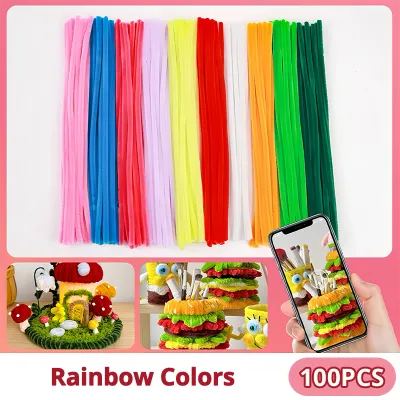
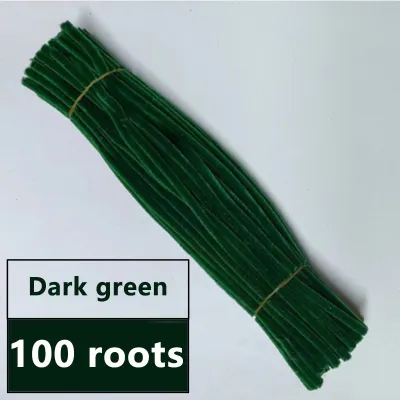
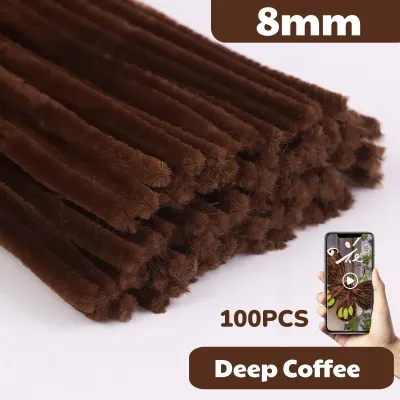
Before purchasing any fuzzy wire flower kit, it is crucial to verify the exact specifications of the included chenille stems. Standard craft pipe cleaners found in school supply sections are often too thin, sparse, and flimsy for realistic flower crafting. Specialized flower kits should feature thick, high-density fuzzy wires, often ranging from 6mm to 15mm in diameter. This dense pile is essential because it completely conceals the inner metal wire, giving your petals a plush, velvety texture that mimics real plant surfaces. The fibers should feel soft to the touch and resist shedding when bent or twisted.

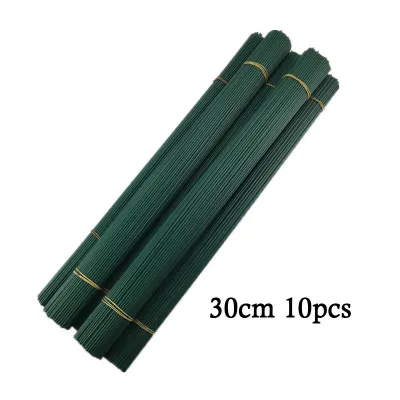
A complete beginner kit must also include all the necessary finishing materials to transform individual petals into a cohesive flower. Check the inventory list for sturdy stem wires, which are typically thicker gauge metal wires (around 18 to 22 gauge) wrapped in green paper or plastic. These stem wires provide the structural support needed to hold up the heavy fuzzy flower heads. Additionally, the kit should provide a roll of green or brown floral tape to wrap the stems, artificial flower stamens for the centers of blossoms like lilies or daisies, and pre-cut felt or plastic leaves to add realistic detail to your stems.
While many kits advertise themselves as complete, they often omit the basic tools required for assembly. You should carefully check whether the kit includes a hot glue gun and compatible glue sticks, or if you need to source these separately. Hot glue is indispensable for securing the ends of floral tape, attaching stamens, and reinforcing the joints where petals meet the stem. If a glue gun is not included, ensure you have a low-temperature craft glue gun at home, as high-temperature glue can melt the synthetic fibers of the fuzzy wire or cause accidental burns during the delicate assembly process.
Safety is an important but often overlooked aspect of wire crafting, especially since the ends of cut fuzzy wires can be sharp. While specialized safety gear is rarely necessary, beginners should look for kits that include a basic pair of mini needle-nose pliers or wire cutters. Pliers are incredibly helpful for tucking in sharp wire ends, crimping tight loops, and securing stem connections without straining your fingers. If the kit does not include these tools, plan to add a simple pair of craft pliers to your workspace to ensure a safe and comfortable crafting experience.
How to Assess Instruction Quality and Learning Support
The quality of the instructions included in a DIY kit can make or break your crafting experience. Because wire bending is a highly visual and three-dimensional art form, text-only instructions are rarely sufficient for beginners. Look for kits that provide clear, step-by-step visual aids, such as high-resolution color photographs or detailed, color-coded diagrams. These visuals should clearly illustrate the direction of the wire bends, where to apply pressure, and how to twist the stems together to secure the shape of each petal.
In the modern crafting landscape, the most effective learning support often comes in the form of video tutorials. Many high-quality kits now include a QR code printed on the instruction sheet that links directly to a step-by-step video guide. Video tutorials are incredibly valuable for beginners because they allow you to observe the exact hand placements, tension control, and wrapping speeds used by experienced crafters. Being able to pause, rewind, and watch a complex twist in slow motion significantly reduces the learning curve and helps prevent common mistakes.
Assess the clarity of the terminology used in the manual before diving into the project. A well-written guide will avoid unexplained crafting jargon and instead define basic terms at the beginning. For instance, instructions should clearly explain what a “loop twist” or a “spiral wrap” is before asking you to perform these actions. If the manual is poorly translated or lacks clear definitions, you may find yourself wasting materials on trial-and-error attempts to figure out what a specific step requires.
Lastly, check if the instructions include a dedicated troubleshooting section. Even with visual aids, beginners are bound to encounter minor setbacks, such as loose wrapping, uneven petals, or exposed wire cores. A good instruction manual will provide practical tips to resolve these issues, such as explaining how stretching floral tape activates its adhesive properties, or how to use a drop of hot glue to secure a slipping wire. Having these troubleshooting tips readily available prevents frustration and helps you achieve a polished, professional-looking final product.
Tips for Comparing Kits on E-Commerce Platforms
When browsing online marketplaces and e-commerce platforms available in the Philippines, comparing listings carefully is key to finding a high-quality kit. Start by analyzing user reviews rather than relying solely on the seller’s product descriptions. Look for reviews that include real photos or videos uploaded by previous buyers. These user-generated images provide a realistic view of the wire colors, fiber density, and overall packaging quality. Pay close attention to any recurring complaints about missing components, sparse fuzz on the wires, or instructions that are completely unreadable.
To determine the actual value for money, compare the price points in Philippine Pesos (₱) against the volume and variety of materials provided in each kit. Some listings may appear incredibly cheap but only contain enough wire to make a single flower, while other slightly higher-priced kits offer enough materials to create a full, multi-flower bouquet complete with wrapping paper and ribbons. Calculate the cost per flower to find the most economical option. Additionally, verify if the kit includes reusable tools like a mini glue gun or pliers, which add significant value if you do not already own them.
Seller ratings and shipping origins are also crucial factors when purchasing craft supplies online. Look for established sellers with high positive feedback ratings and a history of selling DIY craft kits. Because fuzzy wires can easily become crushed or deformed if packed poorly, check reviews to see if the seller ships their products in sturdy cardboard boxes rather than thin plastic mailers. Opting for local sellers in the Philippines often results in faster shipping times, reducing the risk of your materials sitting in humid transit warehouses for extended periods, which can degrade the adhesive on floral tapes.
Frequently Asked Questions (FAQ)
Can I use regular craft wire instead of fuzzy wire for these projects?
Regular metal craft wire cannot be used as a direct substitute for fuzzy wire because it lacks the dense, velvety fiber coating that defines this craft. The thick polyester or nylon pile on fuzzy wire serves two essential purposes: it completely conceals the structural metal core and mimics the soft, organic texture of real flower petals and stems. Regular craft wire is smooth and thin, meaning it would require you to manually wrap every single section with yarn or thread to achieve a similar look, which is incredibly tedious and difficult for a beginner. Fuzzy wire is specifically engineered to provide both the structural strength and the plush aesthetic in a single, easy-to-bend material.
How should I store leftover fuzzy wire and kit materials?
To maintain the quality of your leftover fuzzy wire and crafting materials in the tropical climate of the Philippines, proper storage is essential. High humidity can cause the adhesive on floral tape to lose its tackiness and may lead to rust on exposed metal wire ends. Store your leftover wires, floral tape, and stamens in airtight plastic containers or heavy-duty zip-top bags, and toss in a few silica gel packets to absorb any trapped moisture. Keep the storage container in a cool, dry place away from direct sunlight, as prolonged exposure to UV rays can fade the vibrant dyes of the fuzzy fibers. Additionally, store the wires flat or standing vertically in a wide cup to prevent the delicate fuzzy pile from becoming permanently crushed or flattened.
Community discussion
Share your experience or ask a question. Comments are reviewed before publication.