
Managing personal finances effectively often requires a tactile, visual approach that digital apps cannot fully replicate. A budget planner money binder serves as a physical hub for organizing cash, tracking daily expenses, and planning long-term savings goals. By combining cash envelopes with structured tracking sheets, these binders help you allocate funds to specific categories, preventing overspending and encouraging mindful financial habits. Choosing the right binder requires evaluating key features such as physical size, pocket capacity, page formats, material durability, and closure security to ensure it fits your daily routine and local environment.
Evaluate Size and Capacity for Your Cash Needs
The physical dimensions of your budget planner money binder directly impact how easily you can write in it and where you can carry it. Standard binder sizes like A5, A6, and personal size offer distinct trade-offs between writing space and portability. An A5 binder provides a generous layout for detailed expense logging, making it ideal for those who prefer spacious grids and extensive notes, though its larger footprint makes it less convenient to slip into a small bag. Conversely, the A6 size is highly popular for cash stuffing due to its compact, highly portable frame, which fits comfortably in most everyday bags while still offering enough space for standard cash envelopes. Personal-size binders sit between these two, offering a narrower profile that some users find easier to hold with one hand during quick transactions.
Beyond the overall dimensions, you must evaluate the internal pocket configurations and envelope depths to ensure they accommodate your specific currency. In the Philippines, paper bills such as ₱20, ₱50, ₱100, ₱500, and ₱1000 notes must slide easily into the cash envelopes without excessive folding, which can cause the binder to bulge prematurely. Deep, wide pockets prevent the edges of your bills from getting caught in the zipper or sliding out of open-top sleeves. If you frequently handle coins, such as ₱1, ₱5, ₱10, or ₱20 pieces, look for binders that feature at least one secure, zippered utility pocket or a dedicated coin pouch to prevent loose change from sliding into the spine or falling out when the binder is tilted.
Products mentioned in this guide
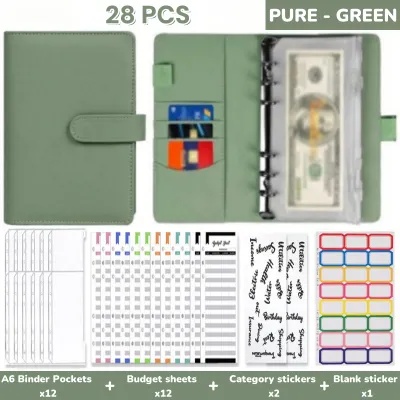
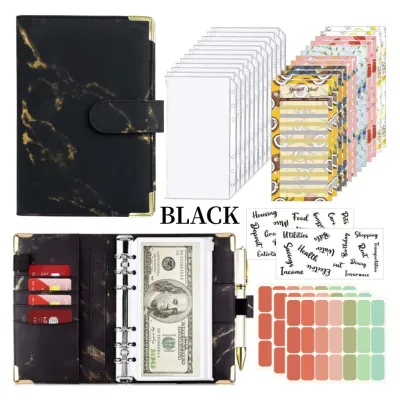
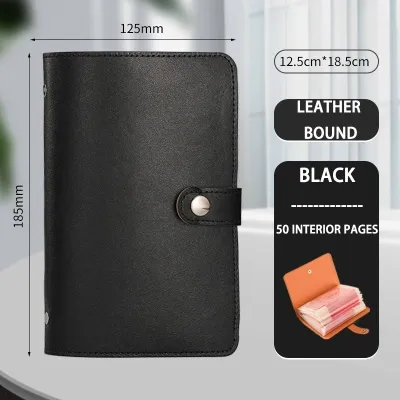
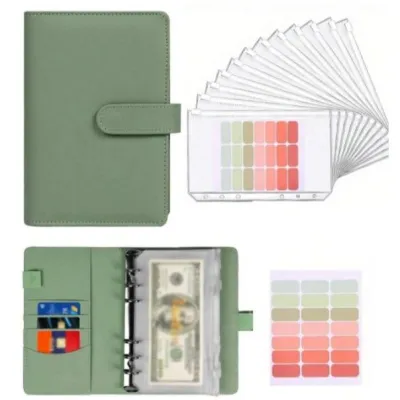
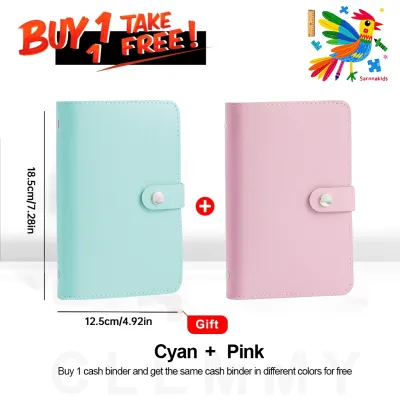
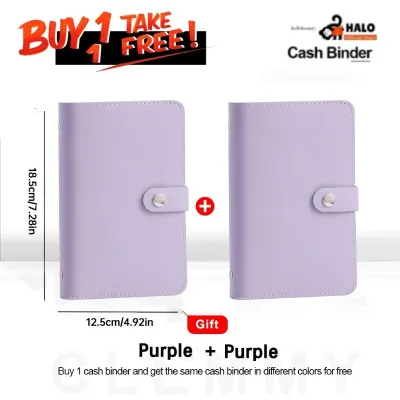
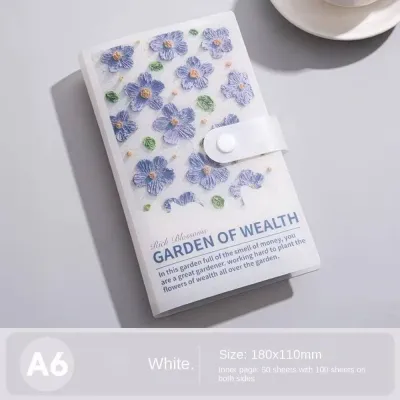
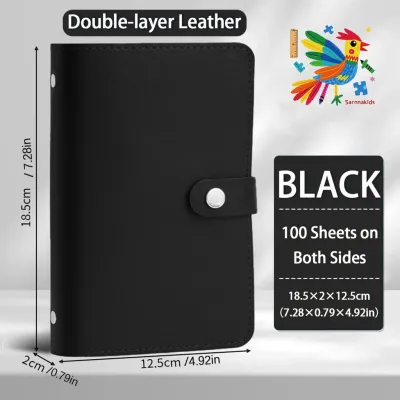
Prices are valid at publication and may change. Please refer to the product page for the latest price.
The maximum capacity of the binder rings is another critical factor that determines how much you can store before experiencing structural strain. Standard ring diameters typically range from 15mm to 30mm, and overloading small rings can lead to torn page holes, misaligned ring prongs, and difficulty turning pages smoothly. When cash envelopes are fully stuffed with bills and combined with thick paper inserts, they expand significantly, creating a wedge effect that puts pressure on the binding mechanism. To prevent ring strain or zipper bulging when your binder is fully loaded, select a ring size that leaves at least a few millimeters of clearance when all your envelopes and tracking sheets are in place.
Select Page Formats and Dividers for Expense Tracking
The internal layout of your budget planner determines how comfortably and consistently you will log your financial transactions. Page formats generally fall into lined, dotted, grid, or blank styles, each catering to different tracking preferences. Lined pages are excellent for straightforward, chronological expense logging, providing clear rows that keep your handwriting neat and legible. Dotted and grid formats offer more structural flexibility, allowing you to design custom tables, draw visual savings trackers, or create bullet-journal-style layouts without the visual clutter of solid lines. Blank pages appeal to those who prefer freeform journaling, sketching financial mind maps, or pasting receipts directly onto the page.

When choosing your tracking sheets, you must decide between pre-printed budget trackers and blank inserts. Pre-printed trackers are highly convenient for beginners, offering structured columns for dates, descriptions, income, expenses, and balances, which saves time and ensures you do not forget to record essential details. However, blank inserts or customizable templates offer greater long-term flexibility, allowing you to adapt your tracking system as your financial goals evolve without wasting pre-printed pages that do not fit your current method. For those concerned with paper performance, verifying the paper weight (measured in grams per square meter, or GSM) is essential; heavier paper (such as 100 GSM or higher) typically offers better bleed resistance and faster drying speeds when using gel pens or fountain pens, though actual performance should be verified through a small trial in an inconspicuous corner of the page.
Organizing these pages requires durable divider tabs that can withstand frequent flipping and handling. Divider tabs are commonly made from plastic, cardstock, or laminated paper, each offering different levels of durability and ease of customization. Plastic dividers are highly tear-resistant and wipeable, making them suitable for long-term use, though they can sometimes be difficult to write on without a permanent marker. Cardstock dividers offer a classic, matte texture that accepts standard ballpoint pens easily, but they are prone to fraying and bending at the corners over time. Laminated paper dividers provide a balanced middle ground, offering the stiffness and tear resistance of plastic with the clean, printable appearance of paper, allowing you to label your financial categories clearly and access them quickly.
Assess Material Durability and Closure Security
The exterior material of your budget binder plays a significant role in its lifespan, aesthetic appeal, and resistance to daily wear, especially under varying environmental conditions. Clear PVC binders are lightweight, highly affordable, and allow you to see your colorful cash envelopes at a glance, but they can become stiff in cold environments or sticky in high tropical humidity, and they are prone to scratching over time. Polyurethane (PU) leather is a highly popular synthetic alternative that offers a professional, leather-like appearance, excellent water resistance, and a wide variety of colors and textures. PU leather handles daily handling well and is easy to wipe clean, though lower-quality options may peel or crack at the joints after prolonged exposure to moisture and heat. Genuine leather binders represent a premium, long-term investment; they develop a unique patina over time and offer exceptional durability, but they require regular conditioning to prevent drying and cracking, and they are significantly heavier than synthetic options.
To keep your cash, cards, and receipts secure during transit, you must carefully analyze the binder’s closure style. Zipper closures enclose the entire perimeter of the binder, providing the highest level of security against falling items, dust, and moisture, making them the preferred choice for those who carry their binders in a backpack or tote bag. However, zippered binders can be bulkier and slower to open during quick transactions. Snap-button closures offer a classic look and quick access, but they provide less protection along the open edges, and an overstuffed binder can cause the snap to pop open under pressure. Magnetic clasps offer a sleek, modern aesthetic and self-aligning closure, but their holding power can decrease significantly if the binder is packed past its intended capacity, potentially allowing contents to spill if dropped.
The binding mechanism itself is the structural backbone of your budget planner, and its design affects both page-turning smoothness and refill compatibility. Standard 6-ring binders are the industry norm for A5 and A6 budget planners, offering excellent stability and a wide variety of readily available third-party refills. 3-ring mechanisms are more common in larger, letter-sized binders, which may feel too bulky for daily cash stuffing but work well for archival home budgeting. Disc-bound systems offer unique flexibility, allowing you to add, remove, or reposition pages and envelopes without opening a metal ring mechanism, though they require specialized punches and may not hold heavy cash envelopes as securely as traditional metal rings. Inspecting the alignment of the ring prongs is crucial; even a tiny gap can catch the edges of your paper or plastic envelopes, causing tearing and frustrating page turns.
Match Binder Features to Your Budgeting Method
An effective budget planner money binder must align seamlessly with your specific financial strategy and daily habits to ensure you remain consistent with your tracking. If you practice a high-cash envelope system—often referred to as cash stuffing—your binder must prioritize storage capacity and security. This method involves dividing physical cash into various categories at the start of each budgeting cycle, requiring a binder equipped with numerous deep, zippered plastic envelopes that can hold multiple bills without tearing. For this approach, a binder with a secure all-around zipper closure and a wider spine is highly recommended to accommodate the physical volume of the cash and envelopes without putting excessive strain on the outer cover or the ring mechanism.
If you prefer a hybrid or digital-tracking method, where you use digital accounts for most transactions but keep physical records or small cash reserves, your binder features should shift toward organization and writing space. Instead of a dozen cash envelopes, look for a binder that prioritizes high-quality notebook inserts, receipt sleeves, and card slots. This setup allows you to maintain a physical log of your digital transactions, store important receipts for tax purposes, and keep a few essential cards on hand, all within a slimmer, more compact profile that does not require the bulk of a dedicated cash-stuffing binder.
Your daily routine and where you plan to use the binder should also dictate its weight and portability features. If you intend to carry your budget planner daily to log expenses on the go, a lightweight A6 PU leather binder with a secure snap closure and built-in pen loops is highly practical, as it fits easily into a daily bag and can be opened quickly at a store counter. On the other hand, if your budgeting is a stationary activity performed once a week at a home desk, a larger A5 binder with a heavier genuine leather cover or a spacious desk-organizer design is more suitable. This stationary approach allows you to enjoy a larger writing surface and more comprehensive tracking sheets without worrying about the added weight or bulk in your daily carry.
Use a Pre-Purchase Checklist to Verify Quality
Before purchasing a budget planner money binder online, taking a few moments to verify its specifications and build quality can prevent compatibility issues and premature wear. First, verify the exact ring spacing and ring diameter of the binder to ensure that any third-party inserts, plastic sleeves, or dividers you plan to use will fit properly. While A6 is a standard size, minor variations in ring spacing between different manufacturers can make it difficult to turn pages or cause the holes of standard refills to misalign. Checking the ring diameter is equally important; a 15mm ring will quickly become cramped if you plan to use more than five or six cash envelopes alongside tracking paper.
Next, inspect the product descriptions and user feedback specifically regarding the sealing quality of the plastic envelopes. The seams of cash envelopes are under constant pressure from sliding bills in and out, and poorly sealed edges can easily split or tear at the corners. Look for envelopes with reinforced borders and sturdy zipper slides that glide smoothly without catching on the plastic. Additionally, review the online store’s return policy and customer reviews to see if other buyers have reported frequent failures with the zipper, snap button, or ring mechanism. A reliable seller should offer a clear return or replacement window in case the binder arrives with misaligned rings or a faulty closure, ensuring you receive a durable tool that will support your financial journey for years to come.
Frequently Asked Questions (FAQ)
Can I use a standard photo album or recipe binder for cash stuffing?
While it is technically possible to repurpose a standard photo album or recipe binder for cash stuffing, these alternatives often lack the structural design required for secure money management. Photo albums typically feature thin plastic sleeves designed for flat paper photos, which can easily tear under the weight and friction of sliding cash in and out. Furthermore, recipe binders and standard photo albums rarely include secure closure mechanisms like zippers or heavy-duty snaps, leaving your cash and receipts vulnerable to falling out during transit. Dedicated budget binders are specifically engineered with reinforced seams, secure closures, and ring spacing compatible with durable, zippered cash envelopes.
Do I need a binder with a zipper if I only use it at home?
If you plan to keep your budget binder exclusively at home on a desk or in a drawer, a zipper closure is not strictly necessary, and a snap-button or open binder may offer faster access and less bulk. However, even in a home environment, a secure closure can protect your financial documents from unexpected household hazards. An open binder leaves your cash envelopes and tracking sheets exposed to dust accumulation, accidental liquid spills, or curious pets and children who might displace loose receipts and notes. If your home workspace is shared or prone to clutter, a binder with a secure closure provides peace of mind by keeping your financial records contained and protected.
Community discussion
Share your experience or ask a question. Comments are reviewed before publication.