
Selecting the right burlap cloth roll for gift wrapping requires balancing rustic aesthetics with practical handling. To achieve a clean, professional look, you must match the roll’s width to your gift’s dimensions, choose a weave tightness that provides the desired opacity, and select an edge finish that prevents messy fraying. By focusing on these key specifications, you can transform a simple package into a beautifully textured, tactile presentation.
Decoding Width and Length for Your Gift Sizes
Wrapping with burlap is different from using standard wrapping paper because the fabric is thicker and less forgiving when folded. To determine the minimum width of the roll you need, start by measuring the gift box’s circumference at its widest point. Add at least five to ten centimeters to this measurement to allow for a secure overlap and clean seams. For the ends of the box, ensure the fabric width extends past the edges by slightly more than half the box’s depth on each side, giving you enough material to fold neatly without creating bulky, awkward bunches.
Calculating the total length of the roll depends on the volume of gifts you plan to wrap. If you are preparing multiple packages for a holiday or a large event, estimate the length by multiplying the wrapping requirement of a single box by your total gift count, then add a ten percent buffer for mistakes, decorative draping, or matching fabric patterns. For odd-shaped items like wine bottles or potted plants, you will often need extra length to gather the fabric at the neck and tie it with twine.
Products mentioned in this guide
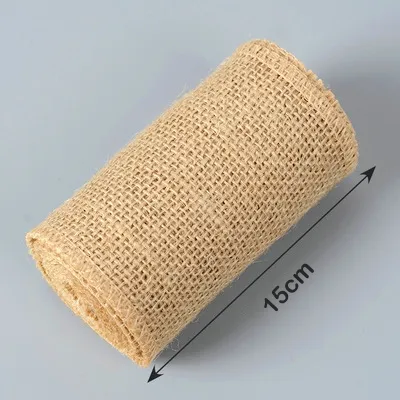
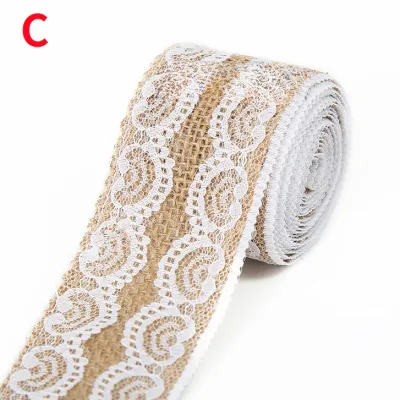
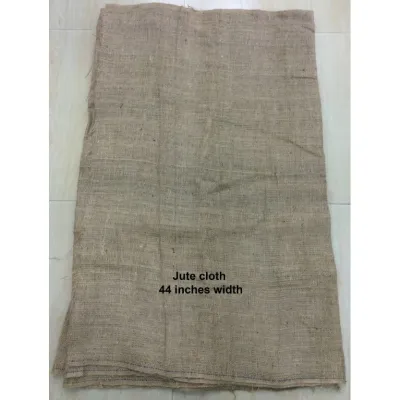
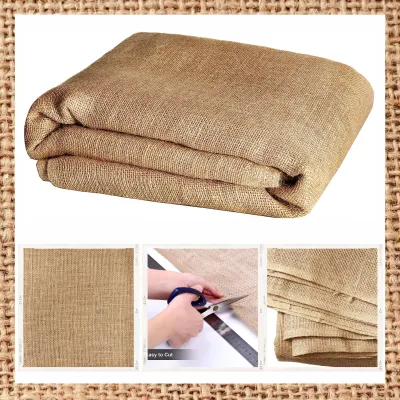
Prices are valid at publication and may change. Please refer to the product page for the latest price.
When shopping, you will encounter both continuous rolls and pre-cut sheets. Continuous rolls offer excellent flexibility for wrapping gifts of varying sizes and are highly economical for bulk projects. On the other hand, pre-cut sheets or smaller runners are convenient for occasional wrapping, as they eliminate the need for extensive measuring and cutting, though they limit your ability to wrap larger or unusually long items.
Weave Tightness and Texture: Balancing Rustic Charm and Practicality
The density of a burlap cloth roll significantly influences both its appearance and how easy it is to fold. Loose-weave burlap, often characterized by visible gaps between the fibers, delivers a highly textured, traditional rustic charm. However, these open weaves are highly translucent, meaning the brand logos or colors of the underlying gift box will easily show through. If you choose a loose weave, consider wrapping the gift in plain kraft paper first to create a neutral background and prevent the burlap from snagging on sharp box corners.

Tighter weaves offer superior opacity and a smoother surface, making them much easier to handle when wrapping standard rectangular boxes. A dense weave holds its shape better when folded, resists tearing along sharp edges, and provides a cleaner canvas if you plan to stamp or paint designs directly onto the fabric. This style is ideal for elegant, modern-rustic presentations where you want the burlap to act as a sturdy, self-supporting wrapper.
Before purchasing, check the product label for weight or thickness indicators, which are often measured in ounces per square yard or grams per square meter (GSM). A higher weight indicates a denser, stiffer fabric that offers excellent structure for box wrapping but may be too rigid for delicate wrapping styles. A lighter weight fabric is more pliable and drapes beautifully, making it the preferred choice for wrapping soft items, round containers, or creating soft gathers.
Edge Finishes and Treatments: Preventing Fraying and Snags
One of the biggest challenges when working with natural jute fibers is their tendency to unravel. When selecting a burlap roll, look closely at the edges. A roll with finished selvedge edges has woven borders that will not fray, making it perfect for clean, exposed borders and reusable gift wraps. In contrast, raw cut edges will shed loose threads rapidly during handling, requiring you to fold the edges inward and secure them with adhesive or stitching to maintain a neat appearance.
Surface treatments and sizing can also make a significant difference in your wrapping experience. Many high-quality crafting burlap rolls undergo a washing or starching process to reduce shedding and eliminate the harsh, oily odor often associated with industrial jute. Sizing adds a light stiffness to the fabric, making it smoother to the touch and much easier to cut cleanly with standard stationery scissors without pulling the threads.
You must also decide between standard flat rolls and wired-edge burlap. Wired-edge options feature thin, flexible wires embedded along the borders, allowing you to shape and sculpt the fabric into dramatic, structured bows that hold their form even during transport. Standard flat rolls are better suited for full-coverage wrapping, flat bands, or simple ties where you want the fabric to lay completely flat against the gift surface.
Building Your Burlap Wrapping Shortlist
To find the right burlap roll for your needs, match the fabric specifications directly to your specific wrapping projects. For instance, wrapping delicate wine bottles or potted plants is easiest with a pliable, lightweight, loose-weave roll, while heavy rectangular boxes benefit from a stiff, tightly woven, wide roll. Always verify the material composition on the product label; while 100% natural jute offers authentic texture and biodegradability, synthetic polyester-burlap blends are often softer, shed less, and resist creasing.
When comparing options in local craft shops or online marketplaces, calculate the unit price in ₱ per meter to ensure you are getting the best value for your budget. Keep in mind that natural jute is sensitive to moisture, especially in humid tropical climates like the Philippines. To prevent musty odors, mold, or permanent creasing, store your unused burlap rolls in a cool, dry, well-ventilated space, wrapped loosely in a protective paper sleeve rather than airtight plastic.
Frequently Asked Questions (FAQ)
Can I use standard burlap cloth rolls for food-safe gift wrapping?
Standard crafting burlap rolls are not food-grade and should not come into direct contact with edible items. These fabrics often contain manufacturing oils, chemical treatments, and loose fibers that can easily transfer to food. If you are wrapping baked goods, artisanal cheeses, or other treats, always wrap the food in a safe inner barrier first, such as parchment paper, wax paper, or food-safe cellophane, before applying the outer burlap layer.
How do I prevent a burlap roll from shedding fibers on dark clothing?
To minimize shedding during your wrapping session, take the burlap roll outdoors and give it a vigorous shake to release loose fibers before cutting. You can also run a sticky lint roller over the cut edges or lightly mist the fabric with water to settle the dust, though you must let it dry completely before wrapping. For a mess-free experience, prioritize buying tightly woven burlap rolls or those labeled as pre-washed or treated for low shedding.
Community discussion
Share your experience or ask a question. Comments are reviewed before publication.