
Selecting a Christmas card with music adds a delightful sensory layer to your holiday greetings, transforming a simple written message into a memorable keepsake. In the Philippines, where the festive season is celebrated with unmatched warmth and longevity, sending a musical card is a wonderful way to connect with loved ones. However, because these cards combine traditional papercraft with delicate electronic components, choosing the right one requires a bit of technical attention. The tropical climate, characterized by high humidity and warm temperatures, can affect both the paper structure and the battery life of these cards. To ensure your holiday wishes play beautifully and look pristine when opened, you must evaluate key specifications ranging from paper weight to audio mechanism reliability.
Key Specifications to Check in a Christmas Card With Music
When browsing for the perfect musical Christmas card, the physical and electronic specifications should be your first point of evaluation. A card that is too flimsy will sag under the weight of its internal speaker, while one with a poorly designed envelope may incur extra shipping costs or suffer damage in transit.
Begin by verifying the card’s dimensions and weight. Standard musical cards are often larger and heavier than traditional greeting cards, typically measuring around 5 by 7 inches or 6 by 8 inches to accommodate the sound module. This added thickness means you must check the envelope compatibility. The envelope should be made of heavy-duty paper to prevent the internal components from puncturing the paper or creating unsightly bulges. If you plan to send the card through the local postal service, keep in mind that thicker, heavier cards may require additional postage or special handling compared to standard mail.
Products mentioned in this guide
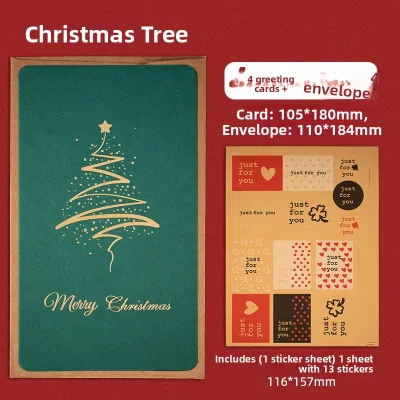

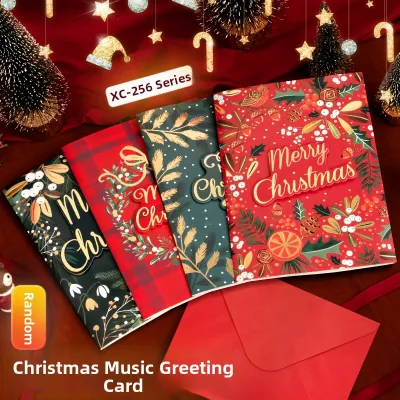


Prices are valid at publication and may change. Please refer to the product page for the latest price.
Next, examine the paper weight of the card itself. For a card housing electronic components, a minimum paper weight of 250 gsm (grams per square meter) is highly recommended, with 300 gsm to 350 gsm being the ideal range. Heavy cardstock provides the structural rigidity needed to support the battery, circuit board, and speaker without bending or creasing. Additionally, consider the paper finish. While a high-gloss finish on the cover makes festive illustrations pop, the interior writing surface should ideally be matte or uncoated. This ensures that your handwritten message dries quickly and does not smear.
Finally, pay close attention to the sound module and battery compartment. Most musical cards use tiny alkaline button cell batteries. Check if the product description indicates whether the battery compartment is accessible or sealed. An accessible compartment allows the recipient to replace the batteries, extending the life of the card for future holiday seasons. If the compartment is sealed, the card is designed for single-use lifespans, making it even more critical to verify that the battery is fresh and fully charged at the time of purchase.
Evaluating Sound Mechanisms and Audio Performance
The audio quality of a musical greeting card can make the difference between a charming holiday surprise and an annoying, distorted noise. Since you cannot always listen to a card before purchasing, especially when shopping online, understanding the underlying audio technology is essential.

Start by distinguishing between basic tone generators and digital audio chips. Basic tone generators produce monophonic sound, which consists of simple, high-pitched electronic beeps playing a single melody line. While these have a nostalgic, retro appeal, they can sound harsh or tinny. On the other hand, digital audio chips support polyphonic sound or high-quality recorded audio, allowing for multi-instrumental arrangements, realistic instrument tones, or even recorded vocal greetings. When shopping, look for terms like polyphonic, high-fidelity sound, or recorded audio in the product specifications to ensure a richer musical experience.
Another critical feature to look for is a physical volume control or a pull-tab battery isolator. A pull-tab is a small plastic strip inserted between the battery and the contact point. This simple device is crucial because it prevents the battery from draining while the card sits in storage or travels through the shipping system. Without a pull-tab, accidental pressure on the card during transit can trigger the music repeatedly, leaving the battery completely dead by the time it reaches your recipient.
Once you receive your card, perform a quick functional test before writing your message. Open the card fully to check the trigger mechanism. Most cards use a slide-tongue trigger that completes the circuit when the card is opened. Ensure the music starts promptly and plays at a consistent volume without stuttering, looping incorrectly, or sounding distorted. If the audio sounds weak or crackles, it may indicate a failing battery or a loose solder joint within the circuit, which should be addressed immediately through a return or exchange.
Paper Quality, Structural Design, and Ink Compatibility
A musical Christmas card is not just an electronic novelty; it is also a canvas for your personal holiday sentiments. The interaction between the paper quality, structural design, and your writing instrument of choice is a vital consideration for a polished final presentation.
The thickness and coating of the cardstock directly influence how different inks behave on the surface. In the humid tropical climate of the Philippines, moisture in the air can prolong ink drying times, making smudge resistance a priority. If you plan to use fountain pens, brush pens, or calligraphy inks, avoid cards with highly glossy or coated interior surfaces. Coated papers resist water-based inks, leading to pooling, severe smearing, and feathering, where the ink spreads unevenly along the paper fibers. Instead, opt for cards with uncoated, high-gsm matte interiors that absorb ink cleanly and allow for sharp, precise pen strokes.
The structural design of the card must also be robust enough to protect the delicate electronics during handling. Many modern musical cards feature intricate 3D pop-up elements that rise when the card is opened. Inspect the durability of these paper hinges and glue points. The electronic module is typically concealed within a double-layered paper panel or behind the pop-up structure. Ensure that the adhesive holding these panels together is secure and not peeling at the edges, as tropical heat can sometimes degrade low-quality glues, causing the components to shift and malfunction.
Furthermore, plan your writing layout carefully. Ensure there is adequate blank space on the card that is completely free of underlying electronic components. Writing directly over the area where the speaker or battery is housed can be difficult due to the uneven surface, and the pressure of your pen tip could potentially puncture the paper or damage the delicate circuit board underneath. If the card has limited writing space, consider writing your message on a separate piece of matching stationery and slipping it inside the card.
Sourcing Strategies and Pre-Purchase Verification
Acquiring high-quality musical Christmas cards requires a strategic approach, whether you prefer browsing physical stationery boutiques or shopping on online marketplaces. Each sourcing method has its own set of advantages and potential pitfalls that you must navigate.
Shopping in physical retail stores offers the distinct advantage of immediate quality control. You can physically open the card, listen to the audio clarity, inspect the paper weight, and check for any structural defects or adhesive peeling before making a purchase. However, the selection in physical stores can sometimes be limited. Online marketplaces offer an incredibly vast array of designs, including unique handmade and imported options. When buying online, rely heavily on customer reviews that include video or audio clips. These clips provide an authentic representation of the card’s sound quality, helping you avoid cards with tinny or distorted audio.
Because musical cards contain electronic components, they are more susceptible to defects than standard paper cards. Before purchasing, always review the seller’s return and exchange policies. Ensure that they offer a clear window for returns if the sound module arrives dead or malfunctioning. This is particularly important when buying in bulk for the holiday season, as a small percentage of electronic novelty items can occasionally be defective.
When your order arrives, establish a systematic unboxing and testing routine. Carefully open each card to verify that the sound trigger functions smoothly and the audio plays completely. Inspect the paper corners for any bending or creasing that may have occurred during transit. In the Philippines, rainy weather during the holiday shipping season can pose a threat to paper goods; check that the seller has packaged your cards in waterproof plastic sleeves or bubble mailers to protect them from moisture. Testing your cards early gives you ample time to arrange for replacements if any issues are detected.
Frequently Asked Questions (FAQ)
Can I replace the battery in a musical Christmas card?
Whether you can replace the battery depends entirely on the card’s structural design. Inspect the back or the inside panel of the card for a small, defined compartment, which may be secured by a tiny screw or a sliding paper tab. If you see such a compartment, the card is designed for battery replacement, typically utilizing standard button cell batteries like LR44, LR1130, or CR2032. To replace them, carefully open the compartment using a precision screwdriver or by gently sliding the tab, slide out the old batteries, and insert the new ones matching the correct polarity. If the card’s electronic module is completely sealed within the paper layers with no visible opening, the battery is non-replaceable. Attempting to cut open a sealed card to access the battery can tear the paper housing, sever the delicate copper wiring, or ruin the alignment of the sound trigger.
Will calligraphy or fountain pen ink bleed through the paper?
The risk of calligraphy or fountain pen ink bleeding through a musical card depends on the paper’s weight, sizing, and fiber density. Because these cards are constructed from heavy cardstock (usually 250 gsm or higher), they generally resist bleed-through better than standard writing paper. However, highly wet inks or flexible nibs that deposit a large volume of ink can still cause feathering or minor bleed-through on certain paper finishes. To prevent ruining your card, always perform a discreet ink test on a small, hidden corner of the card or on the inside flap of the matching envelope. Observe how long the ink takes to dry and check if it spreads or shows through the other side. Additionally, place a protective backing sheet, such as a piece of blotting paper or heavy scrap paper, directly underneath the page you are writing on. This protects the underlying electronic module from excess pressure and prevents any accidental ink transfer.
Community discussion
Share your experience or ask a question. Comments are reviewed before publication.