
Selecting the right foldable folder is more than just a matter of picking a color or finding the cheapest option on a shelf. A high-quality foldable folder serves as a dynamic system that adapts to your changing storage needs, collapsing flat when empty and expanding to accommodate hundreds of documents when fully loaded. To find a folder that truly enhances your productivity, you must evaluate several critical decision axes: material durability, folding mechanism reliability, compartment layout, and size compatibility with standard paper formats like A4, Letter, and Legal.
In tropical climates where humidity levels are consistently high, choosing the wrong storage medium can lead to ruined documents, mold growth, or ink transfer. Matching the folder type to your specific daily use case—such as daily commuting through unpredictable weather versus stationary desk archiving—is far more important than simply looking at maximum sheet capacity. This comprehensive guide breaks down the essential technical specifications, compares the most effective folder styles, and provides practical advice to help you choose the perfect organization tool for your workflow.
Quick Guide: Core Features to Check Before Buying
When you need immediate guidance on selecting a folder, focusing on a few core features will help you narrow down the vast number of options available in the market. First, verify the material composition to ensure it can withstand your typical working environment. Polypropylene (PP) plastic offers excellent water resistance, while heavy-duty fabric options like Oxford cloth provide superior tear resistance and a professional aesthetic.
Products mentioned in this guide
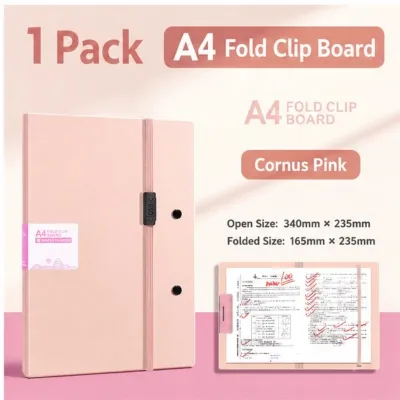
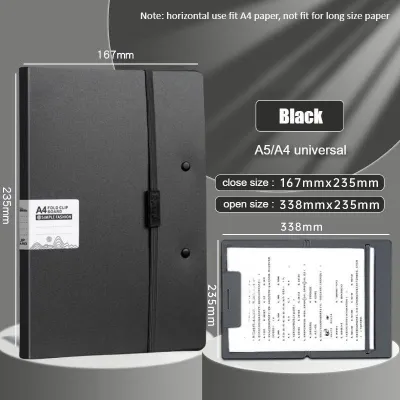
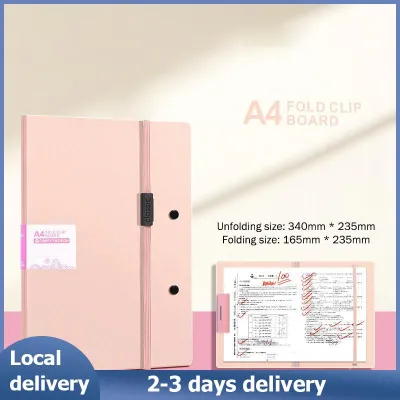
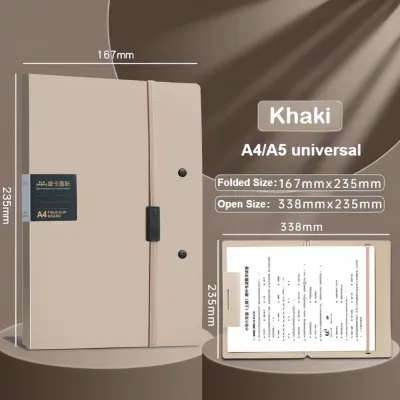
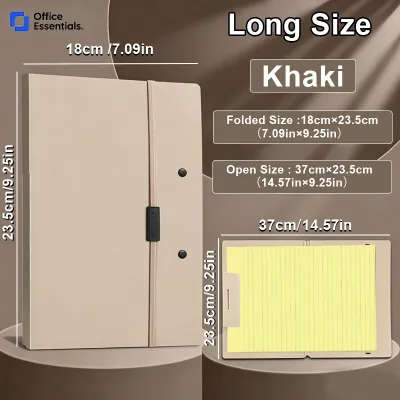
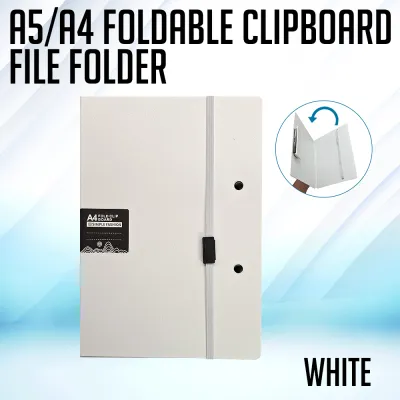
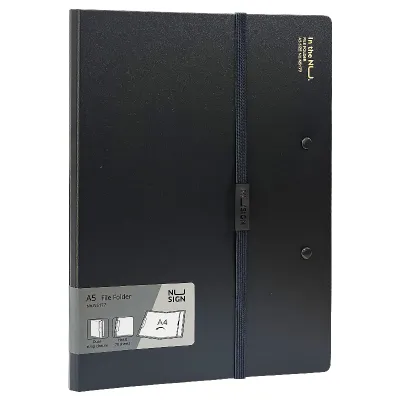
Prices are valid at publication and may change. Please refer to the product page for the latest price.
Next, evaluate the folding mechanism and structural integrity to ensure the folder can expand and collapse repeatedly without wearing out or losing its shape. The compartment layout and indexing system should match your specific organizational workflow, offering enough pockets and clear labeling options for quick retrieval. Finally, ensure the physical dimensions are fully compatible with your standard paper formats, as a folder that is too small will crumple your documents, while one that is too large will be unnecessarily bulky.
Matching the folder style to your primary use case is far more critical than simply buying the model with the largest capacity. A massive 24-pocket accordion file will quickly become a heavy, cumbersome burden if you need to carry it during a daily commute. Conversely, a slim portable wallet will prove frustratingly inadequate if you need to archive a year’s worth of financial records at your desk. The following sections will break down these technical specifications in detail to help you make an informed decision.
Key Specifications to Evaluate for Daily Use
Looking beyond the surface design of a folder helps you identify a tool that will withstand the rigors of daily handling. Understanding the technical specifications of materials, construction methods, and structural designs ensures your documents remain safe, clean, and accessible.

Material and Build Quality
The primary material of your folder dictates its durability, weight, and protective capabilities. Polypropylene (PP) plastic is a highly popular choice for modern folders due to its exceptional water resistance, lightweight nature, and general tear resistance. PP folders act as an excellent barrier against external moisture, making them highly suitable for protecting sensitive papers during sudden tropical downpours or in humid office environments. However, low-grade PP can become brittle over time when exposed to direct sunlight or extreme heat, leading to cracked edges and split corners.
Oxford cloth and high-density polyester offer a more professional, textile-like aesthetic and superior resistance to physical punctures. While these fabric options are highly flexible and pleasant to handle, they are naturally porous and require a water-resistant inner coating or lining to prevent moisture from seeping through to the paper. Non-woven fabrics are frequently used for budget-friendly or promotional folders; while lightweight and highly collapsible, they offer minimal tear resistance and tend to fray rapidly under the friction of daily use.
To ensure long-term performance, always inspect the edge reinforcements and seam construction before purchasing. Premium folders utilize heat-sealed seams on plastic models or heavy-duty binding tape with double-stitched nylon thread on fabric models. Look for reinforced corner guards, as the corners are the first areas to suffer damage when a folder is repeatedly slid into a backpack or desk drawer. Additionally, check if the interior plastic pockets are labeled as “acid-free” or “copy-safe.” Non-copy-safe plastics can chemically react with toner and printed ink over time, causing the text to lift off your documents and stick permanently to the folder walls.
Folding Mechanism and Structural Integrity
A foldable folder must transition smoothly between its collapsed and expanded states without losing its structural integrity. The folding mechanism typically relies on pre-creased plastic hinges, fabric gussets, or metal snapping systems. When evaluating a plastic hinge, look for a clean, uniform crease that bends easily without showing signs of stress whitening, which indicates weak points that may eventually split. Fabric gussets should be securely stitched to the main panels, with reinforced stitching at the top and bottom stress points where the folder experiences the most tension during expansion.
A critical but often overlooked feature is the folder’s ability to maintain a stable, rigid base when fully expanded. If you plan to place the folder on a desk or shelf, it must have a flat, reinforced bottom panel that prevents it from tipping over when loaded with heavy documents. Folders with flimsy bases tend to sag, causing the pockets to collapse inward and making document retrieval frustratingly difficult.
While complex folding systems with multiple interlocking parts or slide-out frames may seem innovative, they often introduce unnecessary points of failure. Overly intricate mechanisms can easily trap loose paper edges, leading to torn documents, or pinch your fingers during rapid setup. Prioritize simple, intuitive folding designs that utilize reliable snaps, elastic bands, or magnetic closures, which offer quick access while maintaining a secure hold.
Capacity, Compartments, and Indexing
The internal layout of the folder directly determines how efficiently you can sort, store, and retrieve your documents. Single-sleeve foldable designs are highly portable and excellent for holding a few active project files, but they offer no internal categorization. For comprehensive organization, multi-tier accordion-style folders feature expandable gussets that allow the entire unit to stretch outward, creating distinct compartments for different topics, dates, or clients.
When evaluating capacity, look at both the number of pockets and the maximum expandable depth of the spine. A standard 13-pocket folder is highly versatile, providing enough compartments to organize documents by month or school subject, with a typical spine expansion of 5 to 10 centimeters. Ensure that the individual pocket dividers are flexible yet sturdy enough to keep papers upright, preventing them from slipping underneath the dividers and mixing together at the bottom of the folder.
An efficient indexing system is vital for quick document retrieval in fast-paced school or office settings. Look for folders that feature built-in, clear plastic index tabs along the top of the dividers, allowing you to slide in customizable paper labels. Color-coded tabs or high-contrast index windows make it significantly easier to locate specific sections at a glance. If you frequently handle documents of varying sizes, verify that the tabs remain visible even when the folder is filled with larger legal-sized sheets.
Recommended Foldable Folder Types for Different Needs
Different organizational workflows require distinct folder structures. Selecting a folder type designed specifically for your primary task ensures a smoother, more efficient document management experience.
Expandable Accordion Files for High-Volume Sorting
Expandable accordion files are the gold standard for users who need to categorize and store large volumes of loose papers on a stationary desk. These folders are highly favored by office workers, accountants, administrative assistants, and students managing multiple academic subjects. The multi-pocket design allows you to establish a systematic filing structure, keeping active paperwork separated from archived records.
When choosing an accordion file, prioritize models with a 13-pocket or 24-pocket layout, heavy-duty polypropylene construction, and reinforced fabric gussets that expand evenly. Secure closures are essential to keep the contents contained; look for robust elastic cord wraps or heavy-duty plastic snap-button flaps that adjust to the thickness of the folder. In local office supply stores or online marketplaces, high-quality PP accordion files typically range from ₱150 to ₱400, making them an affordable investment for long-term organization.
The primary limitation of high-capacity accordion files is their bulk and weight when fully loaded. A fully packed 24-pocket folder can easily weigh several kilograms, making it cumbersome and physically demanding to transport over long distances. Consequently, these folders are best utilized as stationary desktop organizers or dedicated filing cabinet inserts rather than mobile carrying cases.
Collapsible Storage Boxes for Archiving and Bulk
For long-term archiving, bulk document storage, or organizing thick, bound files, collapsible storage boxes offer an ideal balance of high volume and space-saving convenience. These box-style folders are highly recommended for professionals archiving past tax years, teachers storing bulk classroom handouts, or home users organizing thick instruction manuals and magazines. When empty, these boxes fold completely flat, allowing you to store dozens of them in a small closet until they are needed.
To ensure a collapsible box can handle heavy paper loads, look for models constructed with rigid internal side panels—often made of thick cardboard wrapped in durable Oxford cloth or heavy-duty plastic sheets. The box must feature a secure lid lock, such as a hook-and-loop fastener or dual snap buttons, to keep dust and moisture out. Sturdy, reinforced carry handles on the sides are also essential for safe lifting and transport.
The main trade-off with collapsible storage boxes is their physical footprint. When fully expanded, they occupy a significant amount of desk or shelf space compared to slim accordion files. Additionally, because they are designed for bulk storage, retrieving a single sheet from the middle of a packed box can be time-consuming unless you use internal hanging folders or sub-folders to keep documents grouped.
Portable Document Wallets for Commuting and Travel
If your daily routine involves constant movement, a portable document wallet is the most practical choice. These compact, lightweight folders are designed specifically for commuting professionals, field workers, sales representatives, and students moving between different classrooms or campuses. They prioritize mobility, ease of handling, and quick access over maximum storage volume.
Essential features for a reliable portable document wallet include a slim, aerodynamic profile that slides easily into a standard backpack or briefcase, and a secure, full-perimeter zipper closure to prevent papers from falling out during transit. Look for models made from lightweight, water-resistant materials like high-density polyester or textured PP plastic, and check for a convenient exterior handle strap that allows you to carry the wallet securely in one hand. These wallets are highly accessible, with basic models starting around ₱100 and premium zippered versions with handles ranging up to ₱500.
While highly convenient for travel, portable wallets have a much lower overall capacity, typically holding between 50 and 150 sheets of paper. They also feature fewer internal compartments—often just one to five pockets—making them less suitable for complex, multi-category sorting. However, as a temporary transport medium for active files, they offer unmatched convenience and protection.
Adapting Your Choice to Your Workspace and Climate
To maximize the utility of your foldable folder, you must consider the physical environment in which it will be used. Taking a few moments to measure your available workspace and assess local environmental conditions can prevent common purchasing mistakes.
Before purchasing, always measure the dimensions of your desk drawers, shelf heights, or the interior of your daily commuter bag. A folder that is even a few millimeters too wide or tall can prevent a drawer from closing or stretch the seams of your backpack. Ensure that the folder’s fully expanded footprint fits comfortably within your designated workspace without crowding your computer, keyboard, or other essential tools.
In the Philippines, the tropical climate presents unique challenges for paper preservation. High humidity levels can cause paper fibers to absorb moisture, leading to limp, wavy sheets that are highly susceptible to mold growth and ink smudging. To combat this, prioritize folders made of non-porous materials like polypropylene, which block ambient humidity. Look for designs with secure, overlapping flaps or zippered closures that create a relatively sealed internal environment, keeping your valuable documents crisp and dry.
When making your final decision, you can utilize this simple decision matrix to align your needs with the correct folder features:
- Mobility-First Workflow: Prioritize lightweight PP or treated fabric materials, full-perimeter zipper closures, slim profiles, and integrated carrying handles.
- Desk-First Workflow: Prioritize standing stability, heavy-duty rigid bases, multi-pocket accordion layouts, and high-visibility indexing tabs.
- High-Humidity Environments: Prioritize thick, acid-free polypropylene construction, heat-sealed seams, and fully enclosed flap designs to shield paper from ambient moisture.
Simple Maintenance to Extend Folder Lifespan
Proper care and maintenance can significantly extend the lifespan of your foldable folder, ensuring it remains clean, functional, and professional-looking for years. Implementing a few simple habits will protect both the folder and the sensitive documents stored inside.
For routine cleaning, wipe the surfaces of plastic folders with a dry or slightly damp microfiber cloth to remove dust, fingerprints, and minor smudges. If using a damp cloth, always allow the folder to air dry completely in a well-ventilated, shaded area before placing any paper documents back inside. Never expose plastic folders to direct sunlight or high-heat sources like hair dryers, as extreme heat can warp the plastic, melt heat-sealed seams, and make the material brittle.
Avoid the temptation to overload the individual pockets or force the folder closed when it is packed beyond its designed capacity. Overstuffing puts immense pressure on the gussets, seams, and closure mechanisms, leading to permanent stretching, torn dividers, or broken zippers. If you find that your folder is bulging or difficult to close, it is time to archive older documents into a larger storage box or split your files across multiple folders.
Finally, always check and follow the manufacturer’s specific care and cleaning instructions, particularly for fabric-based, leatherette, or specialty-coated folders. Some fabric models may be hand-washed with mild soap, while others require spot-cleaning only to preserve their water-resistant coatings.
Frequently Asked Questions (FAQ)
Can I store electronic devices like tablets in a foldable folder?
Standard foldable folders are designed specifically for paper documents and generally lack the internal padding, shock absorption, and soft linings required to protect electronic devices. Placing a tablet inside a standard folder exposes the screen to potential scratches from plastic dividers, metal zippers, or the sharp edges of paper sheets. If you need to carry a tablet alongside your documents, first place the device inside a dedicated, padded protective sleeve, or purchase a specialized folder that features a built-in, padded tech compartment.
How do I prevent paper from slipping out of an expandable folder?
To keep your documents secure, look for folders equipped with built-in closure systems such as adjustable elastic cords, heavy-duty snap buttons, or secure buckle straps. If you are using an open-top folder that lacks an integrated closure, you can secure loose papers by grouping them with binder clips or paper clips before placing them inside the compartments. For maximum security during travel, place the open folder upright inside a larger, zippered tote bag or backpack to prevent documents from sliding out during sudden movements.
Community discussion
Share your experience or ask a question. Comments are reviewed before publication.