
Choosing the right gel pen requires balancing tip size, ink formulation, and physical ergonomics to match your specific writing style and environment. Unlike ballpoint pens that use oil-based ink, gel pens utilize water-based gel that suspends pigments, offering a smoother glide and more vibrant colors. To find your ideal match, you must evaluate how you write, what paper you use, and how long you hold the pen. In humid tropical climates, factors like ink drying speed and grip material durability become even more critical to prevent smudging and sticky barrels.
Decoding Gel Pen Tip Sizes for Your Writing Style
Gel pen tips generally range from ultra-fine (0.28mm to 0.38mm) to medium (0.5mm to 0.7mm) and bold (1.0mm). Ultra-fine tips produce crisp, thin lines ideal for micro-journaling, compact planners, and writing complex characters in tight grids. Medium tips, particularly 0.5mm and 0.7mm, serve as the standard for daily note-taking, offering a balanced flow that suits most handwriting sizes. Bold 1.0mm tips deliver a rich, heavy line of ink, making them excellent for signatures, addressing envelopes, or expressive writing.
The physical shape of the tip also dictates your writing experience. Needle-point tips feature a slim, cylindrical pipe that holds the ball, providing an unobstructed view of the paper for precise, detailed work. However, they are more delicate and can bend or scratch if you write with heavy pressure. Conical or bullet tips are wider and taper gradually, offering excellent structural durability that withstands firm writing pressure while maintaining a smooth, consistent ink flow.
Products mentioned in this guide
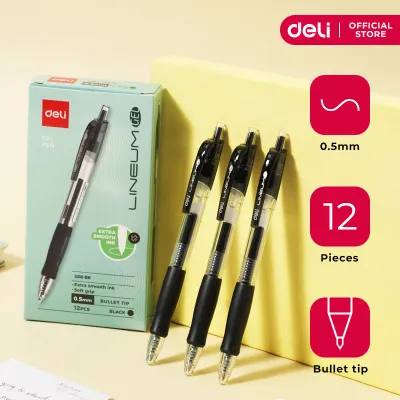
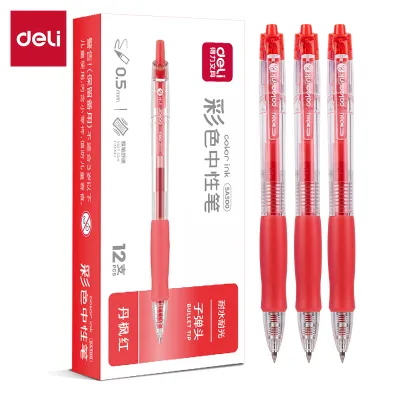
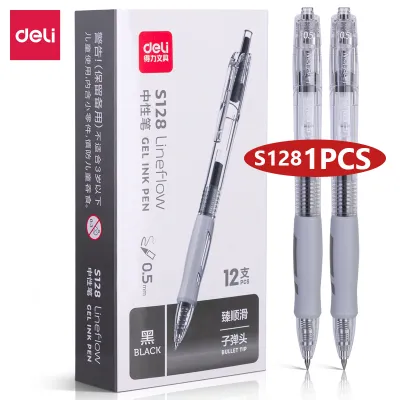
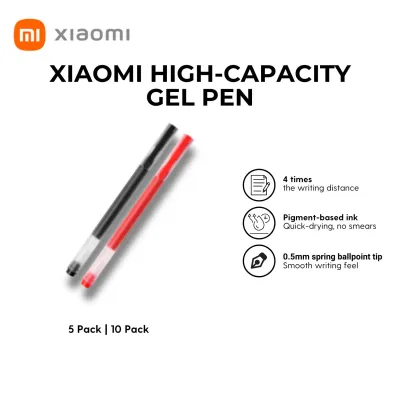
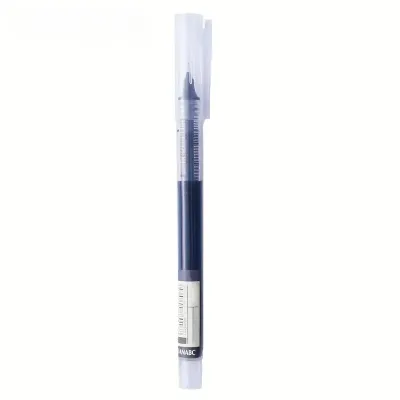
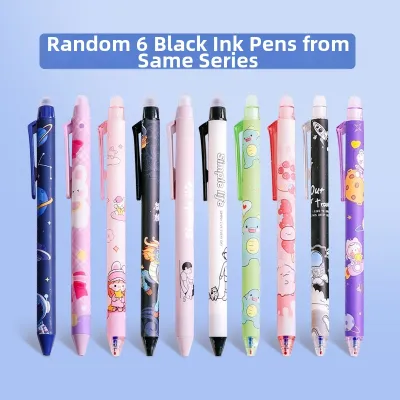
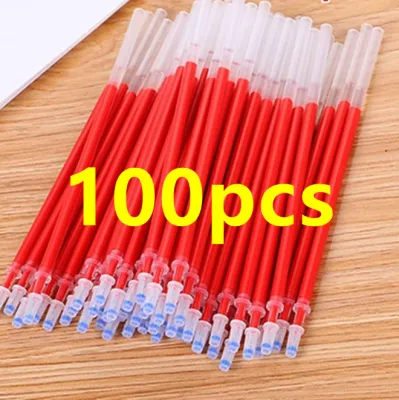
Prices are valid at publication and may change. Please refer to the product page for the latest price.
Your choice of tip must align with the paper you use. Fine and ultra-fine tips can feel scratchy on low-grade, thin paper, sometimes tearing the fibers if the paper is highly absorbent. Conversely, broader tips (0.7mm and above) lay down a large volume of wet ink, which can easily feather or bleed through standard notebook paper, especially in high-humidity environments where paper naturally holds more moisture. Because smoothness, bleed resistance, and drying speed depend entirely on the exact combination of your pen’s ink and your paper’s texture, always perform a quick scratch-and-smudge test on an inconspicuous corner of your notebook before committing to a full page.
Understanding Gel Ink Properties and Drying Times
Gel inks are categorized by their colorants. Pigment-based inks contain finely ground solid particles suspended in the gel, offering excellent water resistance, fade resistance, and archival quality. This makes them a common choice for official documents and permanent records. Dye-based inks use dissolved colorants, which yield exceptionally vibrant, bright colors but are highly susceptible to water damage and fading under direct sunlight.

Drying time is a critical factor, particularly for left-handed writers whose hands drag across freshly written text. Quick-dry gel inks utilize specialized solvents that penetrate paper fibers rapidly, reducing the risk of smudging. These formulations are also highly beneficial when writing on smooth, coated, or glossy paper surfaces where standard gel ink would sit on top and smear at the slightest touch.
Specialty gel inks, such as metallic, neon, and erasable varieties, offer unique creative options but come with specific limitations. Metallic and neon inks contain larger particles or sensitive dyes that require horizontal storage to prevent settling or separation. Erasable gel inks use thermo-sensitive formulas that disappear under the heat generated by friction; however, these inks can fade if exposed to high temperatures, such as a notebook left inside a hot car, and are not suitable for legal or official documents.
Evaluating Grip Comfort and Pen Body Design
The grip section is your primary contact point with the pen. Soft rubber or silicone grips cushion your fingers and reduce the squeezing pressure needed to hold the pen, which is highly beneficial during long writing sessions. However, in warm, humid climates, some rubber grips can degrade over time, becoming sticky or attracting dust. Textured or contoured plastic barrels offer a low-maintenance alternative that is easy to wipe clean, though they provide less cushioning for heavy-handed writers.
A pen’s weight distribution significantly impacts hand fatigue. Lightweight plastic pens require minimal effort to maneuver, making them ideal for rapid, continuous note-taking. Heavier pens, often constructed with metal components or weighted nose cones, shift the center of gravity closer to the paper. This weight helps stabilize your hand, encouraging deliberate, controlled strokes that are well-suited for short writing tasks like signing documents or practicing calligraphy.
Choosing between a retractable (click) mechanism and a capped design involves balancing convenience with ink preservation. Retractable pens allow for quick, one-handed operation and eliminate the risk of losing a cap, making them highly practical for on-the-go use. Capped pens, on the other hand, provide a tighter airtight seal around the tip. This prevents the volatile water content in the gel ink from evaporating, ensuring the pen writes instantly even after sitting unused for weeks. When choosing a pen body, verify if it accepts standard international refills or if it is locked to a proprietary brand format, which affects long-term maintenance costs and compatibility.
Matching Gel Pen Specs to Everyday Tasks
For students and professionals managing dense planners, the most practical setup prioritizes precision and speed. A lightweight plastic pen body paired with a 0.38mm or 0.5mm tip and quick-dry ink allows you to write small, legible notes in tight spaces without worrying about smearing as you flip pages.
For signing contracts, checks, or official office documents, reliability and permanence are paramount. A medium-weight pen with a comfortable ergonomic grip and a 0.7mm conical tip ensures a smooth, authoritative line. This should be paired with black or blue pigment-based ink to guarantee water resistance and long-term archival stability.
Creative projects and card making allow for more flexibility, where archival permanence can often be secondary to visual impact. Here, a broader 1.0mm tip is ideal for showcasing the rich colors of metallic, pastel, or neon inks. Since these tasks are usually done at a leisurely pace, you can prioritize ink flow and color variety over rapid drying times.
Frequently Asked Questions (FAQ)
Why does my gel pen skip or stop writing?
Gel pens can skip or stop writing due to dried ink clogging the tiny ball at the tip, microscopic paper fibers getting trapped in the housing, or natural skin oils transferring onto the paper surface. To restore the ink flow, try scribbling firmly in circular motions on a clean rubber surface, such as a pencil eraser or the sole of a shoe, to dislodge any blockages. You can also gently wipe the metal tip with a damp cloth or warm paper towel, and check the transparent barrel to verify that the ink column is continuous without any large air bubbles.
How should I store gel pens to prevent them from drying out?
To maximize the lifespan of your gel pens, store them horizontally or tip-down to ensure the ink remains in constant contact with the feed mechanism. Keep them away from direct sunlight and extreme heat sources, which can dry out the water-based gel or cause the ink column to separate. Always ensure that capped pens are firmly clicked shut and retractable pens are fully clicked closed when not in use to maintain the most effective seal against the air.

Community discussion
Share your experience or ask a question. Comments are reviewed before publication.